Skip to content
All cities

Dubrovnik. Things to do, map and hidden gems

52 curated places· 18 hidden gems· 2 upcoming events
Dubrovnik
Photo: Bernard Gagnon / CC BY-SA 4.0

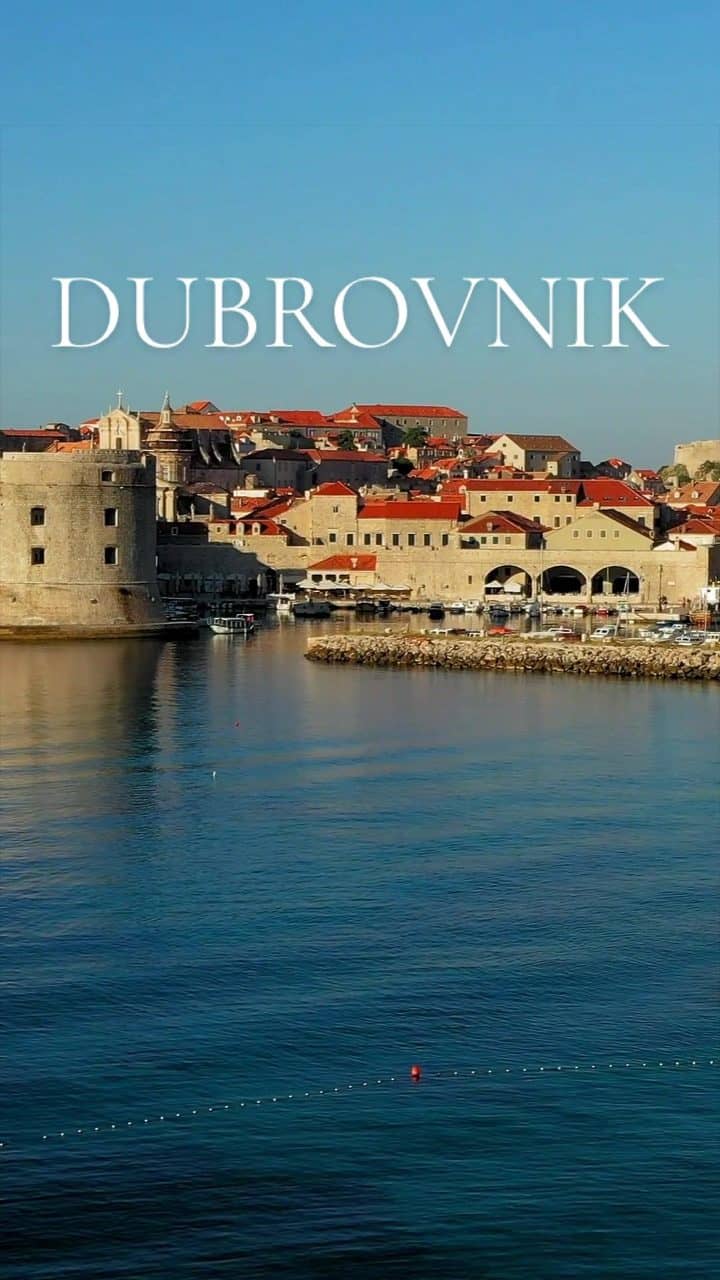
Dubrovnik was a republic of its own for four and a half centuries, and the city still carries itself that way: a complete ring of medieval walls around a baroque grid of polished limestone, with the Stradun as its marble spine. No cars, no modern buildings inside, and a skyline that has needed no correction since the 1667 earthquake rebuild.

The flip side is fame. Cruise mornings fill the Stradun by ten, which makes the early hours and the evenings the real Dubrovnik, and the shoulder months feel like a different, better city. Lokrum island is a ten-minute boat ride for the escape, and Cavtat sits quietly across the bay.

Dubrovnik: what to see between the walls and the sea

The next 7 days

Weather data by Open-Meteo.com

Opening hours and prices

The places we keep opening hours and price levels for. Times change with the season, so treat the official page as the last word.

PlaceOpening hoursPriceOfficial page
Dubrovnik Cathedral08:00-17:00--
Gundulić Square Market06:30-13:00€-

Climate month by month

Ten-year averages for Dubrovnik, so you can see what a month usually looks like rather than what this week happens to do.

MonthDay °CNight °CRain daysSea °C
January1141216
February1361115
March1571215
April18101016
May22141019
June2719624
July3021327
August3022527
September2618825
October21141023
November17101420
December1361217

Air 2015 to 2024, sea 2022 to 2024. A rain day is 1 mm or more. Data by Open-Meteo.com

Dubrovnik on video

Dubrovnik from the sea sideTikTok

Dubrovnik from the sea side

TikTokDubrovnik

Dubrovnik and time

YouTubeDubrovnik4:12

Beaches in Dubrovnik

Banje Beach
Activity

Banje Beach

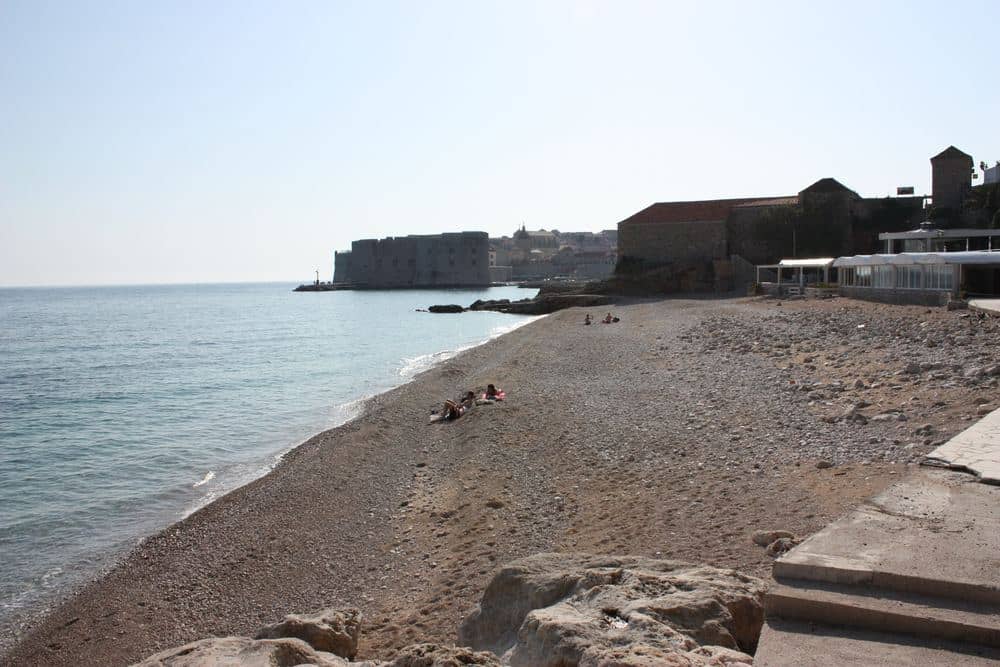
The city beach facing the walls and Lokrum island.

Photo: Bracodbk / CC BY-SA 3.0
Banje Beach
Activity

Banje Beach

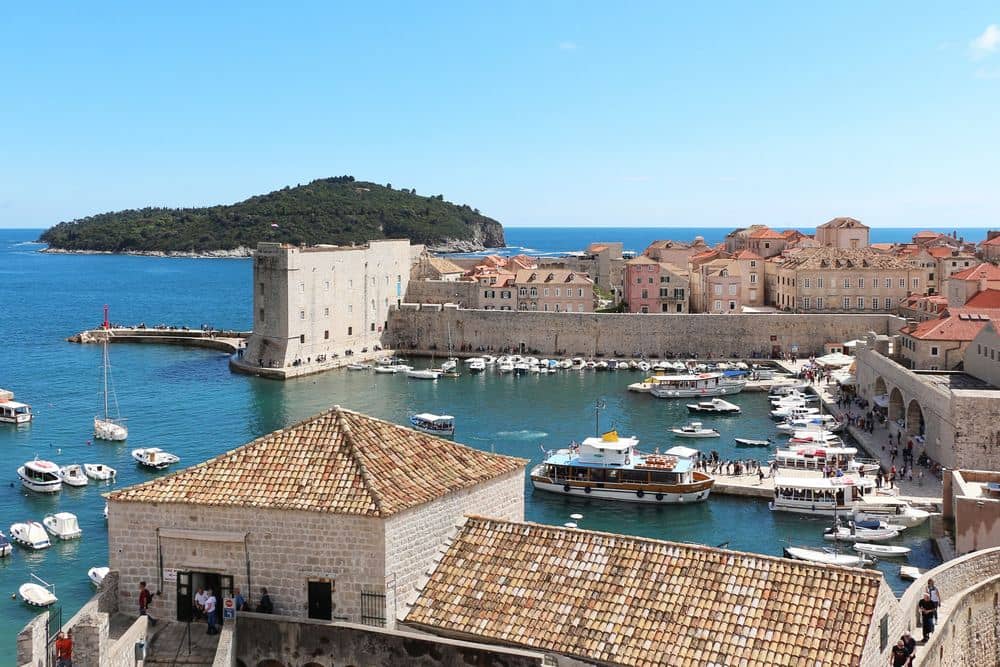
Banje is Dubrovnik's city beach and probably the only one in the world with such a backdrop: a shingle strand just outside the Ploce Gate, from which you look straight at the city walls, the Fortress of St John and Lokrum across the channel. The frame is so good that the beach appears in every second photograph of the city, and bathing here means swimming beside walls that stood six centuries ago. The beach is partly under concession, with loungers, a bar and a beach club, and partly free, with enough shingle for a towel if you come early. The sea is deep close to shore and always clear because the current through the channel never rests. From the core the beach is a five-minute walk through the Ploce Gate, and steps from the road lead straight onto the strand. The best moment is early morning, when the beach is empty, the sun comes from the east and lights the walls, or early evening, when the stone takes on a golden colour. On summer afternoons this is the city's greatest crush, so plan around it.

Insider tip

Come for a morning swim before the city fills up: calm water and the walls in first light.

Photo: Bracodbk / CC BY-SA 3.0

Šulić Beach
Activity

Šulić Beach

A tiny pebble cove beneath the cliffs of Lovrijenac.

Photo: dronepicr / CC BY 2.0
Šulić Beach
Activity

Šulić Beach

Sulic is Dubrovnik's smallest and most dramatic beach: a shingle tongue barely fifty metres long, squeezed into a cove beneath the Lovrijenac fortress, with a view that from the towel runs straight up the rock to the walls as no other beach has. One descends by steps from the road at Brsalje, two minutes from the Pile Gate, so this is the beach closest to the old core. The cove is narrow and deep, the sea deepens right by the shore and stays cold even in August because the sun enters it late; precisely for that Sulic is a rescue when the other beaches turn too hot. There are almost no facilities, one bar on the steps and that is all, so bring water. There is little room, twenty towels and the cove is full, so come early in the morning or after five. From the water opens the best possible view of the Lovrijenac, which from here looks as if it grew straight out of the rock; the photograph from the sea is worth every stroke.

Insider tip

Swim a few metres out: only from the water do you see Lovrijenac at its full height above you.

Photo: dronepicr / CC BY 2.0

Danče Beach
Activity

Danče Beach

Rock bathing in clear water below Gradac park.

Photo: August Dominus / CC BY-SA 4.0
Danče Beach
Activity

Danče Beach

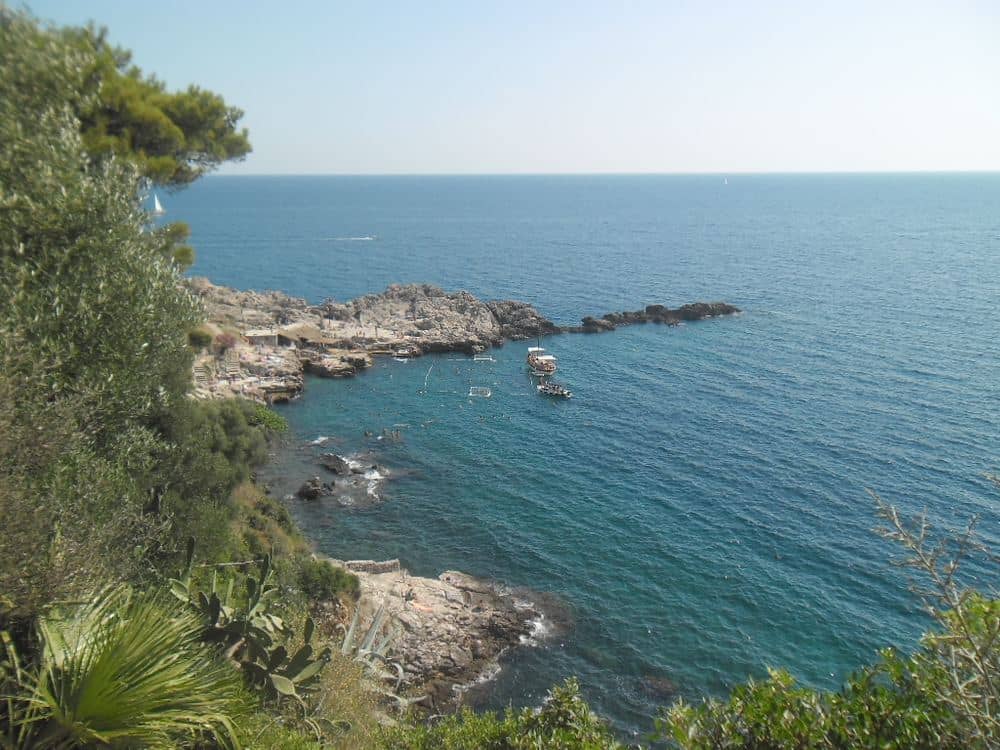
Dance is the city beach the people of Dubrovnik keep for themselves: a bathing spot on rocks and concrete platforms west of the walls, below the Franciscan monastery of the same name, reached by a walk through Gradac Park or the seaside path. There is no shingle or sand, one bathes from levelled slabs and ladders into deep, clear sea, and the surrounding rocks give enough room for towels that even in August you find your metre. Precisely for that Dance is the locals' favourite address: close enough to the core to come on foot, far enough to avoid the crush. The sea here opens to the west, so the afternoon sun lasts long and the sunsets are spectacular. A simple bar works by the bathing spot, bring the rest. The Dance monastery above the beach keeps a polyptych by Lovro Dobricevic from the 15th century, one of the most valuable works of the Dubrovnik school; the church opens rarely, but the courtyard and the view from the terrace are worth the climb.

Insider tip

A favourite of locals. The water is deep right away, best for confident swimmers.

Photo: August Dominus / CC BY-SA 4.0

Bellevue Beach
Activity

Bellevue Beach

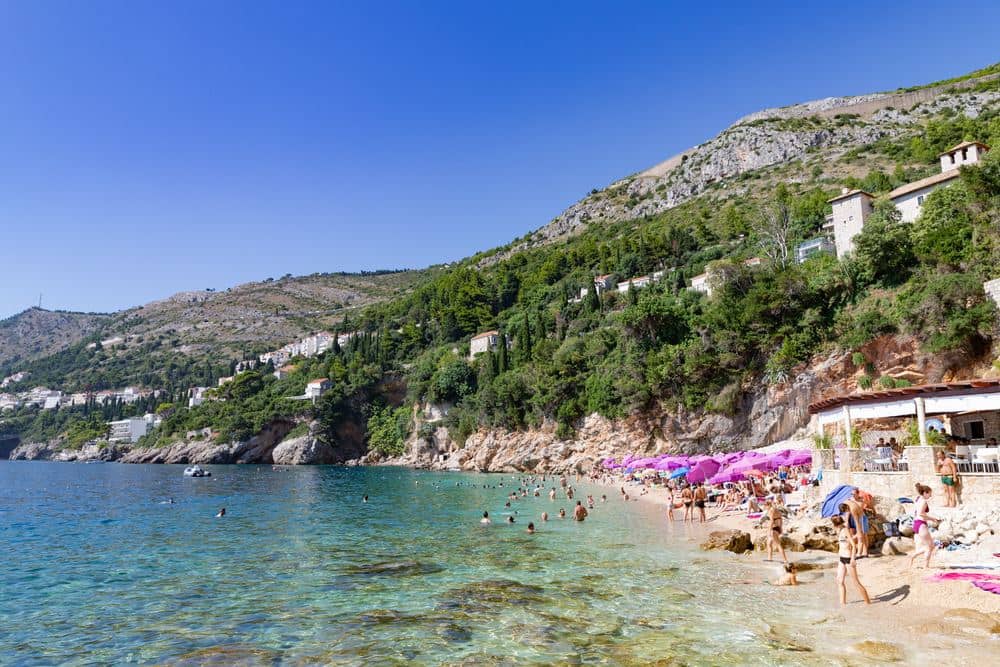
A pebble cove framed by high cliffs and turquoise water.

Photo: Quahadi / CC BY-SA 3.0
Bellevue Beach
Activity

Bellevue Beach

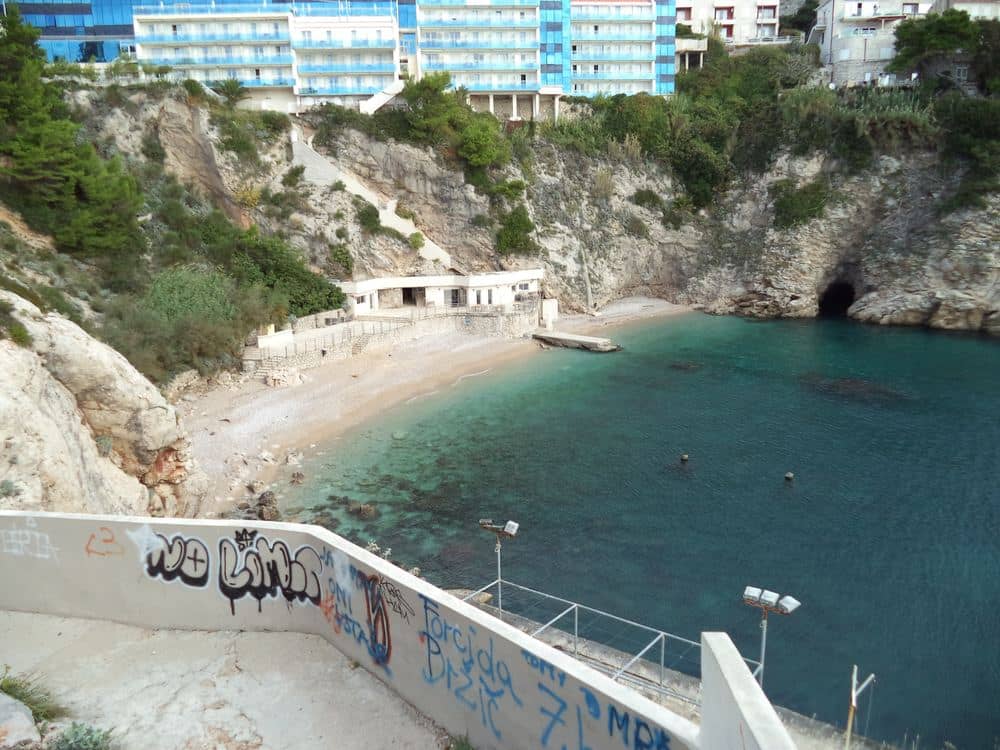
Bellevue Beach lies in the narrow Miramare cove west of the core, beneath the steep cliff on which the hotel of the same name stands, and one descends to it from the road by a staircase of a hundred or so steps. That staircase makes the difference: most visitors give up, so the beach is bearable even in August. The shingle is fine and white, the sea transparent and quickly deep, and the cliff above gives afternoon shade other beaches lack, because the sun sets behind it early. The cove opens to the west, so there can be waves here when the maestral blows, which children adore and swimmers value. By the beach work a bar and lounger rental, showers and cabins are there, bring the rest. From the core the beach is a twenty-minute walk, or one comes by bus toward Lapad. A recommendation for the end of the day: stay until sunset, when the cliff behind you gilds and the sea before you turns to quicksilver; the steps back are then noticeably easier.

Photo: Quahadi / CC BY-SA 3.0

Sveti Jakov Beach
Activity

Sveti Jakov Beach

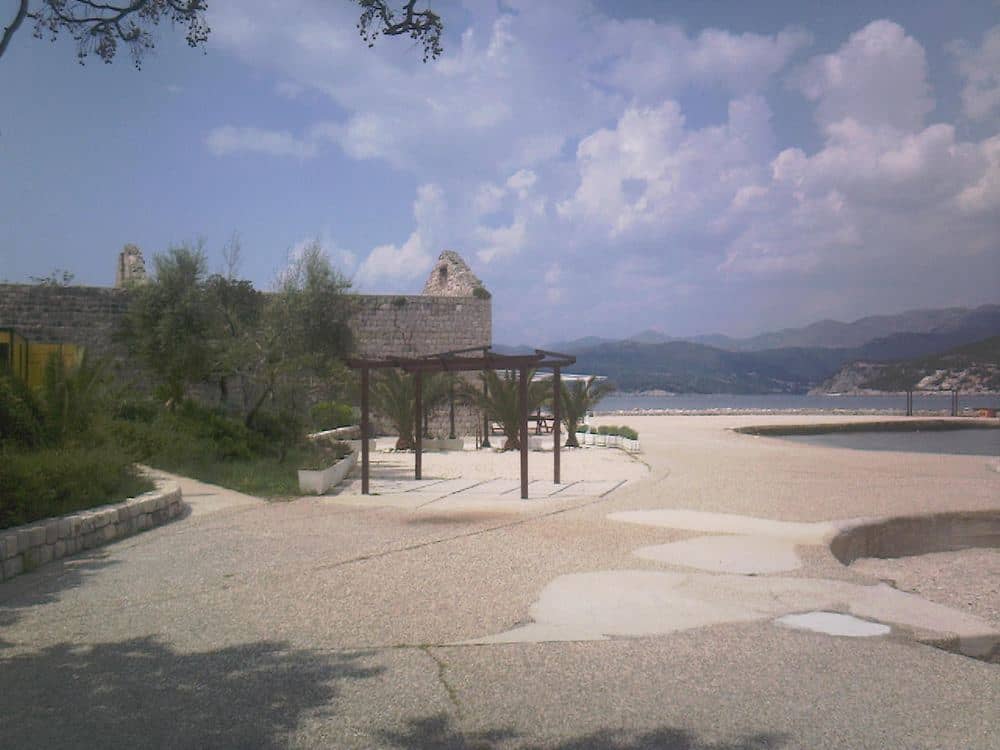
A pebble beach with postcard views of the Old Town.

Photo: dronepicr / CC BY 2.0
Sveti Jakov Beach
Activity

Sveti Jakov Beach

St Jacob's Beach is the hidden reward of eastern Dubrovnik: a shingle cove beneath a steep slope at Ploce, reached by a staircase of nearly two hundred steps, which is why it is half empty even at the peak of the season. The reward for the descent is a view no other beach has: from here the old core is seen whole, with the walls, the Fortress of St John and Lokrum in the same frame, and from an angle most visitors never see. The sea is deep, clean and calm because the cove faces south-west and is sheltered, and the sun stays until late afternoon. By the beach work a bar and a restaurant, there are loungers and showers, but come with the idea that you will be going back uphill, so save strength and water. The beach is reached by bus number eight or on foot from Ploce in some twenty minutes. Above the beach stand the ruins of the 13th-century Benedictine monastery of St Jacob, after which the cove is named.

Insider tip

Stay into the evening: from here the sun sets behind the Old Town, and the climb back up is easier once it cools.

Photo: dronepicr / CC BY 2.0

Copacabana Beach
Activity

Copacabana Beach

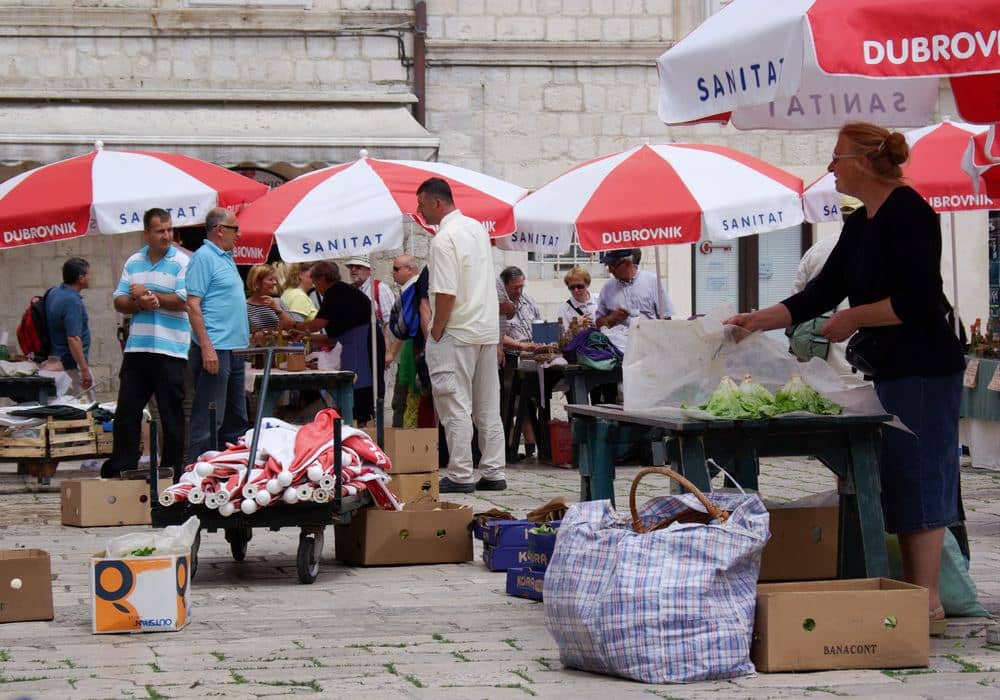
A lively Babin Kuk beach looking out to the Elaphiti.

Photo: Bracodbk / CC BY-SA 3.0
Copacabana Beach
Activity

Copacabana Beach

Copacabana is Dubrovnik's best-equipped beach and the best choice for a day with children: a shingle cove on the northern side of the Lapad peninsula, below the Dr Franjo Tudman bridge, with a view of the bridge and the entrance to the Rijeka dubrovacka. The name has nothing to do with Brazil but with a bar that worked here in the sixties, though the content is indeed like on the great beaches of the world: water slides, trampolines, jet skis, banana rides, pedal boats and water chutes, alongside loungers, showers, cabins, a restaurant and a bar with music. The beach is also fitted for people with disabilities, with a ramp and aids for entering the sea, which is a rarity on the Adriatic. The sea is shallow by the shore and warmer than on the peninsula's southern side because the cove is sheltered. The beach is reached by bus to Babin kuk and ten minutes on foot, and there is a car park by the road. For a day without sightseeing, with children who want slides instead of walls, this is the safest choice in the city.

Insider tip

Stay for sunset: from here the sun drops into the sea right over the Elaphiti islands.

Photo: Bracodbk / CC BY-SA 3.0

Food in Dubrovnik

Gundulić Square Market
Hidden gem
Food & drink

Gundulić Square Market

A morning market of fruit, vegetables and candied orange.

Photo: Will Bakker / CC BY-SA 2.0

Gundulić Square Market
Food & drink Hidden gem

Gundulić Square Market

The market on Gunduliceva poljana is the only part of the old core that works for the city and not for visitors: every morning except Sunday, from six to noon, stalls are set up around the monument to the poet Ivan Gundulic and what has arrived from Konavle and the Elaphites is sold, tomatoes, figs, mandarins, lavender, honey, olive oil, dried fruit and homemade brandy. Prices are lower than in the shops of the core, and if you buy from the same people a second time, you will also get advice on what is best that day. The square is also the loveliest in the city, with baroque facades, the Jesuit Stairs on one side and cafés that fill as soon as the market disperses. Gundulic, whose monument stands in the middle, wrote Osman, an epic still taught in schools; reliefs on the pedestal show scenes from the work. Come at eight in the morning with a cloth bag: a breakfast of fresh figs and bread from the market, eaten on the steps, is the best meal Dubrovnik offers under ten euros.

Opening hours
06:30-13:00
Price level
€

Photo: Will Bakker / CC BY-SA 2.0

Plan your visit

Dubrovnik in a nutshell

52 places, 4 routes.

What is actually worth your time in Dubrovnik?

Start with City Walls, Mount Srđ, and Lokrum Island. After that it depends on what you enjoy: the guide holds 52 places in Dubrovnik, sorted into sights, activities, food and shopping, so you can skip whole categories that bore you.
City WallsCity Walls

How do you get away from the crowds in Dubrovnik?

Follow the hidden gems: 18 places that rarely make the guidebooks, most of them a few streets off the main drag. City Walls, Mount Srđ, and Lokrum Island are good ones to start with.
Mount SrđMount Srđ

No time to plan? Just follow a route.

Pick one of Old Town Treasures, Above Dubrovnik, Beyond the Walls, and Forts above Dubrovnik. Each walk runs stop by stop in a fixed order, so the only decision left is where to have lunch.
Lokrum IslandLokrum Island
Our tips

What we would do around Dubrovnik

Day trips within reach of Dubrovnik, plus the routes and quiet corners our editors keep coming back to.

Dubrovnik itineraries

  • 9 stops

    Old Town Treasures

    Explore the heart of Dubrovnik

    1. Rector's Palace
    2. Dubrovnik Cathedral
    3. Franciscan Monastery
    4. Stradun
    5. Pile Gate
    6. Sponza Palace
    7. Church of St Blaise
    8. Onofrio's Fountain
    9. Dominican Monastery
  • 3 stops

    Above Dubrovnik

    Climb to the best views

    1. City Walls
    2. Mount Srđ
    3. Fort Lovrijenac
  • 3 stops

    Beyond the Walls

    An island, a sea-fort and a hard truth

    1. Lokrum Island
    2. Fort St John
    3. War Photo Limited
  • 5 stops

    Forts above Dubrovnik

    Climb Srđ and Lokrum to the old forts

    1. Fort Royal
    2. Strinčjera Fort
    3. Cross on Srđ Hill
    4. Utvrda Gradac
    5. Utvrda Gradac Mali

Hidden gems in Dubrovnik

City Walls
Legendary
Sight

City Walls

Nearly 2 km of medieval walls encircling the Old Town.

Photo: donald judge / CC BY 2.0
City Walls
Sight Legendary

City Walls

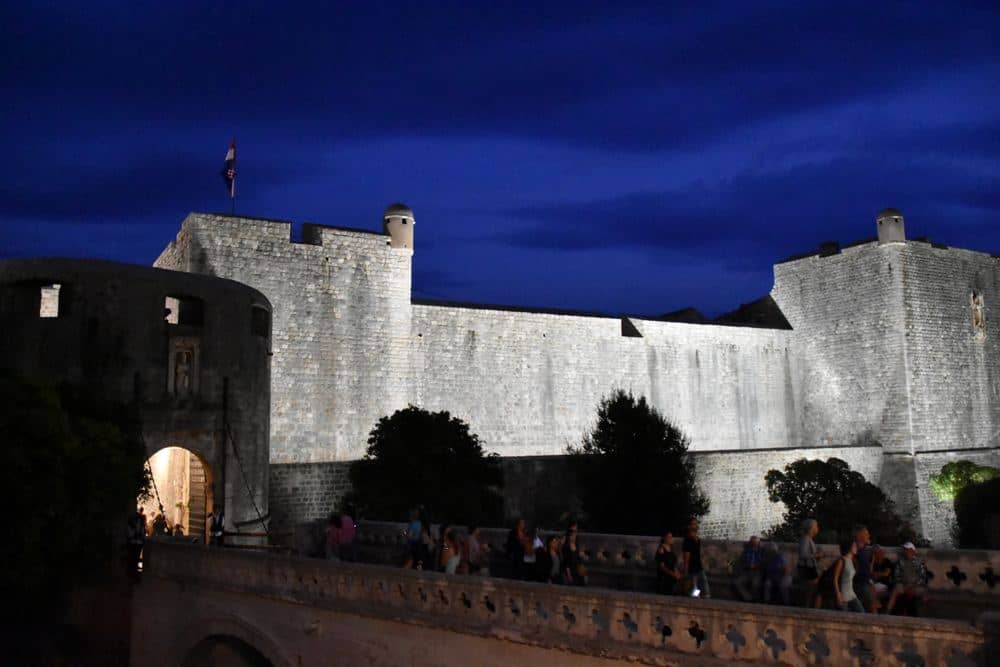
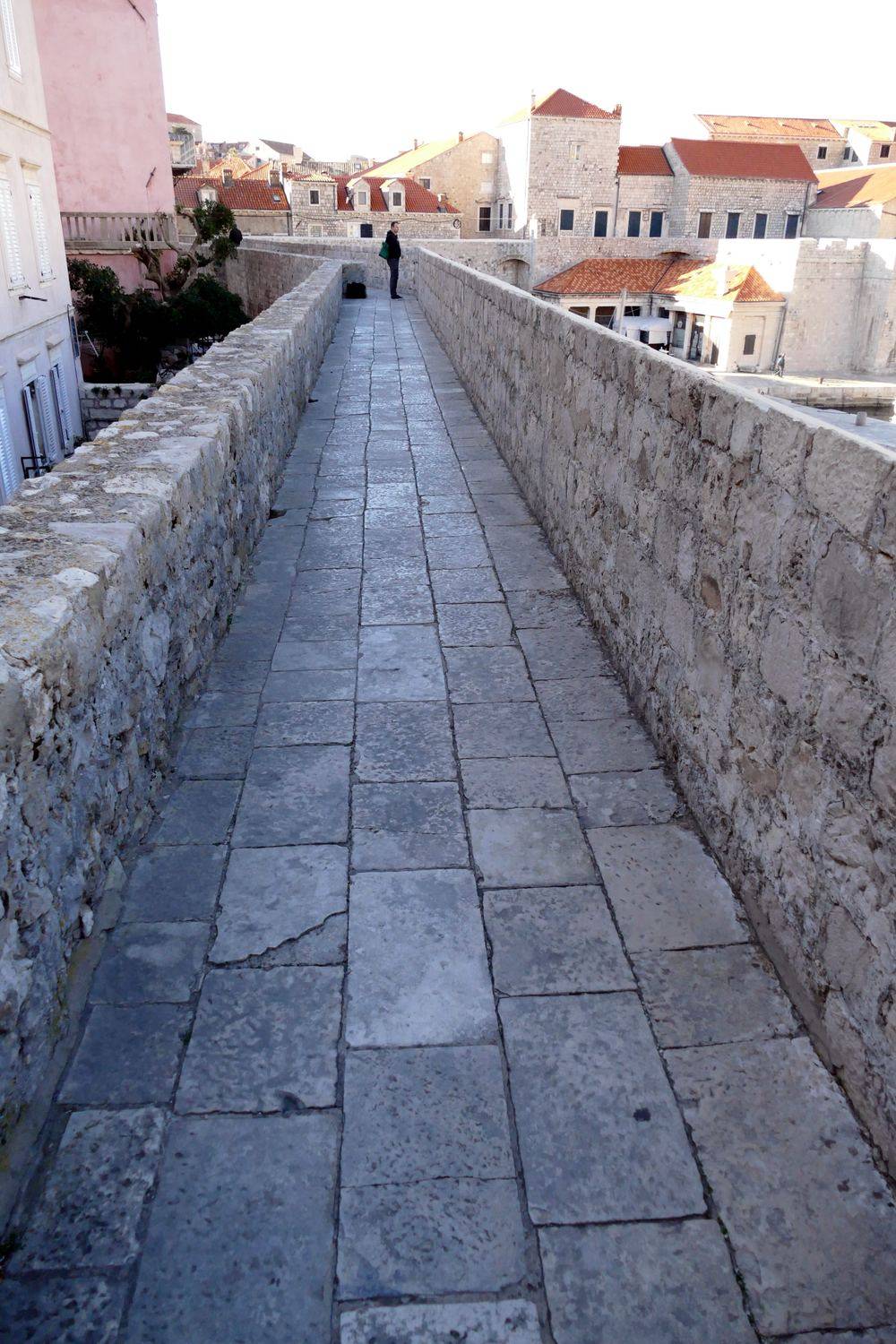
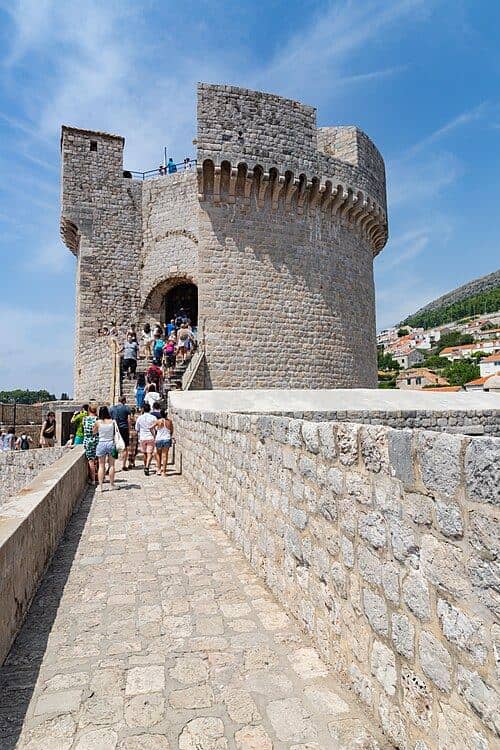
The walls run 1,940 metres around the old town without a gap, up to 25 metres high, and in places six metres thick towards the land, where the danger came from. Most of what stands today was shaped in the fifteenth and sixteenth centuries, when the republic feared the Ottomans and paid for the fear in stone; the round Minčeta tower is the highest point and the signature of the skyline.

Walking the full circuit takes about ninety minutes with the sea on one side and a roofscape of new tiles on the other, the colour split a quiet record of the 1991 shelling and the rebuilding after it. Go at opening time or in the last two hours: the walls have no shade at all, and the ticket is also the reason the old town below stays car-free and intact.

Photo: donald judge / CC BY 2.0

Mount Srđ
Legendary
Activity

Mount Srđ

Ride the cable car to 412 m of Old Town and island views.

Photo: Richard Mortel / CC BY 2.0

Mount Srđ
Activity Legendary

Mount Srđ

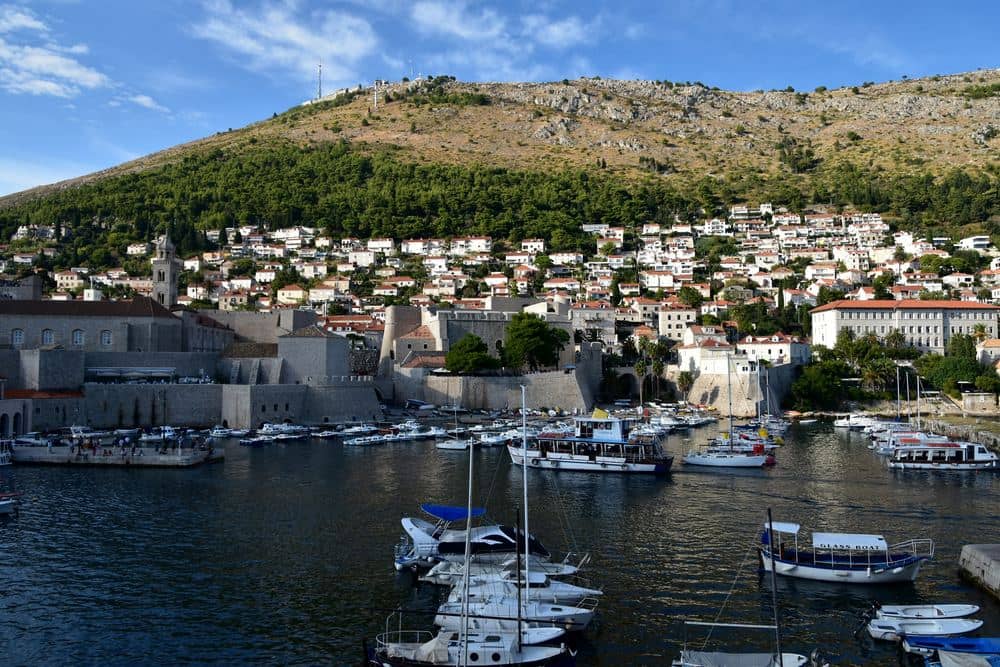
Srđ is the bare ridge 412 metres straight above the old town. Napoleon's army built the Imperial fortress on top in 1812; in 1991 a few dozen defenders held that same fort through the siege while the city burned below, and half of it is now a museum of that war, raw and worth an hour.

The cable car glides up in under four minutes, or you walk the zigzag Way of the Cross path in about an hour. Go up for the hour before sunset: the whole walled city, Lokrum and the Elaphiti islands lie below, and the walk down as the lights come on beats the ride.

Insider tip

Go up shortly before sunset: the light over the islands is at its best, and the Old Town glitters on the way down.

Photo: Richard Mortel / CC BY 2.0

Lokrum Island
Legendary
Activity

Lokrum Island

A cursed, peacock-roamed island ten minutes offshore.

Photo: Wikimedia Commons / CC BY-SA

Lokrum Island
Activity Legendary

Lokrum Island

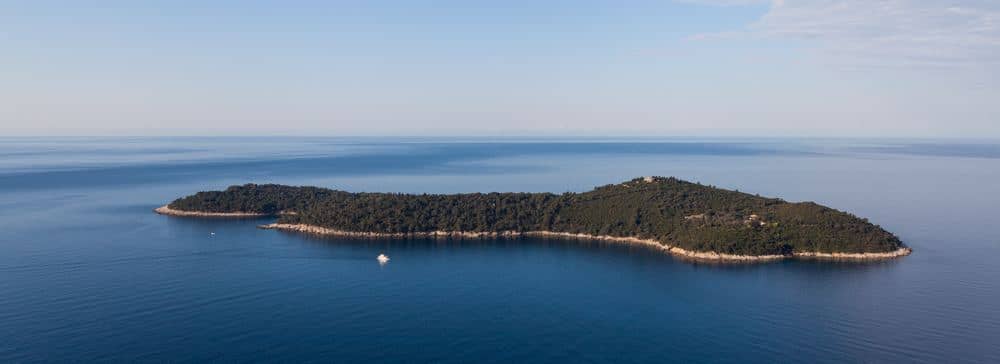
Lokrum is an island ten minutes by boat from the old port and a whole world of peace: a protected reserve with century-old pines, cypresses and a botanical garden planted in 1859 by Archduke Maximilian of Habsburg, who turned the 11th-century Benedictine monastery into a summer residence. From his garden descend the peacocks that today walk the paths as the island's hosts and demand part of your lunch. On the island are also the Dead Sea, a small salt lakelet connected to the sea, warm and shallow, ideal for children, and the Napoleonic Fort Royal at the top with a view of all Dubrovnik. Bathing is off the rocks, with ladders and slabs, and one stretch of shore is traditionally naturist. Legend says the banished Benedictines cursed the island, so no one may spend the night on it; the boats indeed run only until evening. Bring water and lunch, catering is modest. For a day of escape from the city's crush there is no better choice.

Insider tip

Take an early boat, swim in the Dead Sea lagoon, and sit on the Iron Throne before the day-trippers arrive.

Photo: Wikimedia Commons / CC BY-SA

Explore Dubrovnik by category

Sights

29
City Walls
Legendary
Sight

City Walls

Nearly 2 km of medieval walls encircling the Old Town.

Photo: donald judge / CC BY 2.0

City Walls
Sight Legendary

City Walls

The walls run 1,940 metres around the old town without a gap, up to 25 metres high, and in places six metres thick towards the land, where the danger came from. Most of what stands today was shaped in the fifteenth and sixteenth centuries, when the republic feared the Ottomans and paid for the fear in stone; the round Minčeta tower is the highest point and the signature of the skyline.

Walking the full circuit takes about ninety minutes with the sea on one side and a roofscape of new tiles on the other, the colour split a quiet record of the 1991 shelling and the rebuilding after it. Go at opening time or in the last two hours: the walls have no shade at all, and the ticket is also the reason the old town below stays car-free and intact.

Photo: donald judge / CC BY 2.0

Minčeta Tower
Legendary
Sight

Minčeta Tower

A worthwhile landmark for a richer Dubrovnik route.

Photo: dronepicr / CC BY 2.0
Minčeta Tower
Sight Legendary

Minčeta Tower

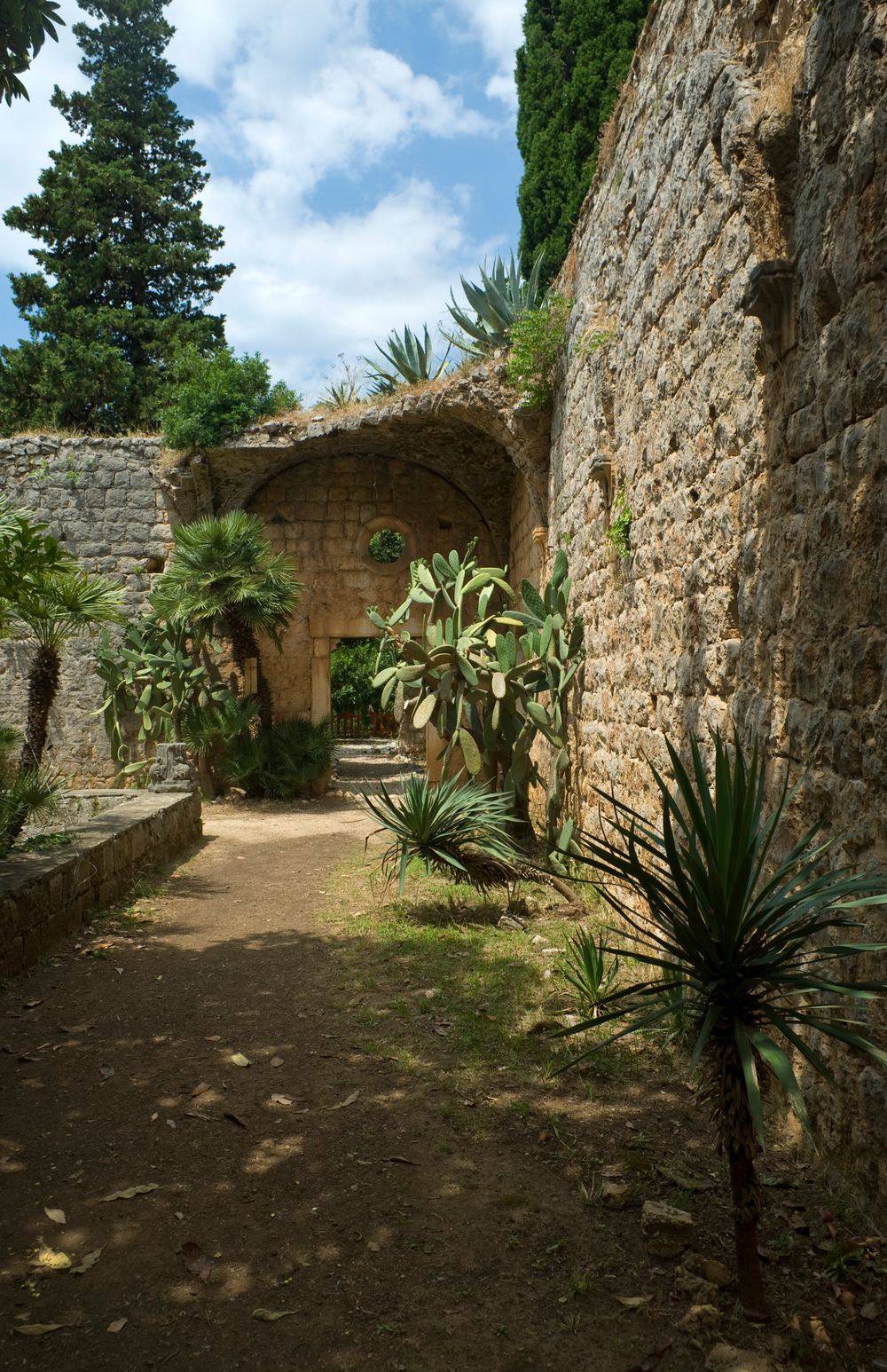
The Minceta Fortress is the highest point of Dubrovnik's walls and their most recognisable outline: a round tower on the north-western corner, raised in 1319 as a square one and in the 15th century turned into a rounded fortress to the designs of Michelozzo and Juraj Dalmatinac, because the new cannonballs demanded sloped and thick walls instead of flat ones. The walls here are up to six metres thick, and from the crown the whole city is seen: red roofs in regular rows, the Stradun as a white line through the middle, Lokrum on the sea and the Srd behind your back. It carries the name of the Mencetic family from whose land it was built. The top is reached by walking the walls, the climb is the steepest part of the whole circuit, so save your strength; the reward is a viewpoint without equal on the Adriatic. Fans of the series will recognise it as the House of the Undying in Qarth. Go first thing in the morning, at eight, when the gates open: the sun is in the east, the city still in shade and the stairs empty.

Insider tip

Best saved when you want the route to feel less predictable and more local.

Photo: dronepicr / CC BY 2.0

The Iron Throne
Hidden gem
Sight

The Iron Throne

The original Game of Thrones throne inside the Benedictine monastery.

Photo: Tlusťa / Wikimedia Commons / Public domain
The Iron Throne
Sight Hidden gem

The Iron Throne

The Game of Thrones filming locations turned Dubrovnik into King's Landing and brought the city a new generation of visitors: from 2011 to 2016 five seasons of the series were shot in the core and around it, and the places recognisable from the frames are toured today on one's own or with a guide. The best known are the steps of the Jesuit church of St Ignatius, on which the walk of shame scene was filmed, the Minceta fortress that played the House of the Undying in Qarth, the Lovrijenac fortress as the Red Keep, Gradac Park as the wedding site and the Pile cove as King's Landing's city harbour. Film props, among them a replica of the Iron Throne, are displayed in several private spaces and souvenir shops, where for a fee one may also sit. For fans there are two-hour themed tours linking all the locations with explanations about the shooting; for everyone else, these locations are Dubrovnik's main sights anyway, so the visit pays off whether or not you watched the series.

Insider tip

Come on the first morning boat: no queue at the throne, and the peacocks are at their loudest then.

Photo: Tlusťa / Wikimedia Commons / Public domain

Fort Royal
Hidden gem
Sight

Fort Royal

A fort on the highest point of Lokrum island, facing the walls of Dubrovnik.

Photo: JERRYE AND ROY KLOTZ MD / CC BY-SA 3.0
Fort Royal
Sight Hidden gem

Fort Royal

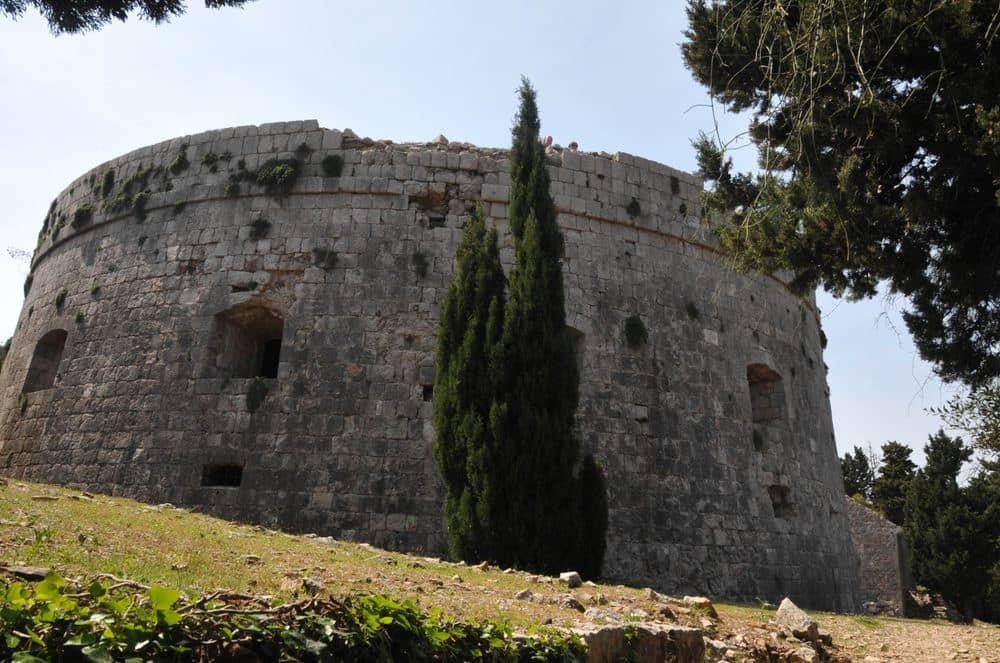
Fort Royal is the Napoleonic stronghold on Lokrum's highest point and the best viewpoint the island can give: a circular tower with casemates, which the French raised in 1806 to watch the approach to Dubrovnik from the sea, and which the Austrian and Yugoslav armies used later. A forest path leads to it from the landing, a climb of some twenty minutes through pines and cypresses, with markings easy to follow. From the fort's roof bursts a view that stops the breath: all of Dubrovnik with its walls in one direction, the open sea and the Elaphites in the other, and underfoot Lokrum itself with the botanical garden and the Dead Sea. The fort is open without charge but unmanaged, so watch where you step and keep children by the hand. Bring water, there is none on the path. Combine it with bathing in the coves and a walk through the garden, and a whole day on Lokrum composes itself without a single gap; the last boat to the city leaves toward evening.

Insider tip

Take an early boat to Lokrum and pair the fort with a swim in the island's Dead Sea lake.

Photo: JERRYE AND ROY KLOTZ MD / CC BY-SA 3.0

Strinčjera Fort
Hidden gem
Sight

Strinčjera Fort

An old fort above Dubrovnik, part of the fortification system of Srđ hill.

Photo: Bracodbk / CC BY-SA 3.0
Strinčjera Fort
Sight Hidden gem

Strinčjera Fort

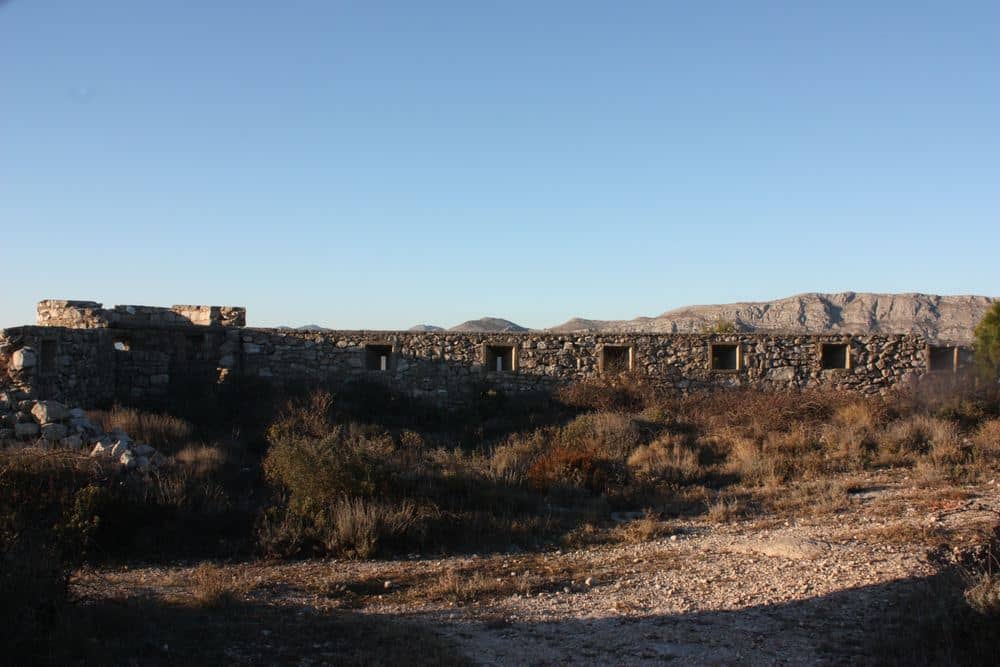
The Strincjera fortress is part of Dubrovnik's outer defensive ring and one of the strongholds that guarded the landward approach to the city: a stone building on the slope of the Srd, raised in the Austrian era of the 19th century together with the Imperial fortress and a line of smaller positions that closed the ridge above the city. While the Imperial today carries a museum and the cable car, Strincjera stayed as the army left it: empty, overgrown and quiet, with casemates, staircases and embrasures through which the sea is seen. Precisely that neglect gives it a charm the tidied forts lack, but it also demands care: there is no lighting, no railings and no markings, so bring a torch, put on firm shoes and keep children close. A gravel path leads to the fortress from the Srd, the climb is gentle and takes half an hour. The reward is a view of the Rijeka dubrovacka valley and of the city from an angle no postcard sees, and a silence that in season is found nowhere closer to the sea.

Insider tip

Best reached with the hike or cable car up Srđ; wear firm shoes for the rough ground.

Photo: Bracodbk / CC BY-SA 3.0

Cross on Srđ Hill
Hidden gem
Sight

Cross on Srđ Hill

A stone cross on the summit of Srđ hill above Dubrovnik, raised in 1935.

Photo: Bracodbk / CC BY-SA 3.0

Cross on Srđ Hill
Sight Hidden gem

Cross on Srđ Hill

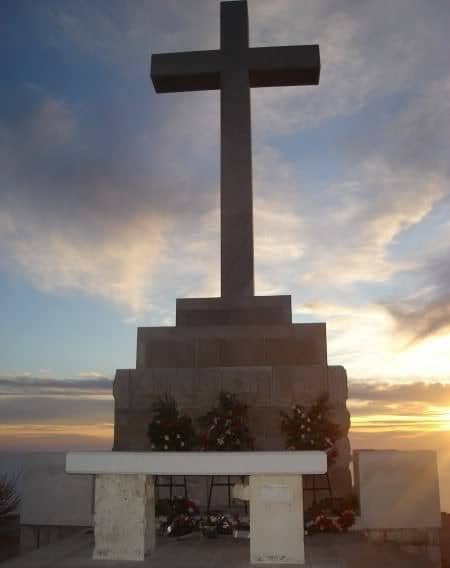
The Cross on the Srd stands on the top of the hill above Dubrovnik and is seen from almost every point of the city: a concrete cross fifteen metres high, first raised in 1935 in memory of nineteen hundred years since Christ's death, brought down by shelling in 1991 and rebuilt in 2002 from white stone from Brac. For the people of Dubrovnik the cross is not only a religious sign but a reminder of the city's defence: while the defenders held the Imperial fortress a few steps away, the cross fell under the shells, and its rebuilding was one of the first postwar projects the city financed itself. The cross is reached by cable car or by the road onto the Srd, and it stands right by the upper station and the fortress with the Museum of the Homeland War. Around it is a paved plateau with benches and the best view of the old core from above. In the evening the cross is lit and is seen from the sea; ships entering the Dubrovnik harbour notice it before the walls.

Insider tip

Come on a clear evening: the light on the stone and the panorama of the bay are best then.

Photo: Bracodbk / CC BY-SA 3.0

23 more places
  • Buža Gate
  • Svjetionik Otočić Daksa
  • Utvrda Gradac Mali
  • Utvrda Gradac
  • Lazaret
  • Jesuit Stairs
  • Museum of the Croatian War of Independence
  • Stradun
  • Rector's Palace
  • Franciscan Monastery
  • Dominican Monastery
  • Dubrovnik Cathedral
  • Pile Gate
  • Sponza Palace
  • Church of St Blaise
  • Onofrio's Fountain
  • Ploče Gate
  • Revelin Fortress
  • Bokar Fortress
  • Orlando Column
  • Small Onofrio Fountain
  • Dubrovnik Bell Tower
  • Dubrovnik Bridge

Activities

22
Mount Srđ
Legendary
Activity

Mount Srđ

Ride the cable car to 412 m of Old Town and island views.

Photo: Richard Mortel / CC BY 2.0

Mount Srđ
Activity Legendary

Mount Srđ

Srđ is the bare ridge 412 metres straight above the old town. Napoleon's army built the Imperial fortress on top in 1812; in 1991 a few dozen defenders held that same fort through the siege while the city burned below, and half of it is now a museum of that war, raw and worth an hour.

The cable car glides up in under four minutes, or you walk the zigzag Way of the Cross path in about an hour. Go up for the hour before sunset: the whole walled city, Lokrum and the Elaphiti islands lie below, and the walk down as the lights come on beats the ride.

Insider tip

Go up shortly before sunset: the light over the islands is at its best, and the Old Town glitters on the way down.

Photo: Richard Mortel / CC BY 2.0

Lokrum Island
Legendary
Activity

Lokrum Island

A cursed, peacock-roamed island ten minutes offshore.

Photo: Wikimedia Commons / CC BY-SA
Lokrum Island
Activity Legendary

Lokrum Island

Lokrum is an island ten minutes by boat from the old port and a whole world of peace: a protected reserve with century-old pines, cypresses and a botanical garden planted in 1859 by Archduke Maximilian of Habsburg, who turned the 11th-century Benedictine monastery into a summer residence. From his garden descend the peacocks that today walk the paths as the island's hosts and demand part of your lunch. On the island are also the Dead Sea, a small salt lakelet connected to the sea, warm and shallow, ideal for children, and the Napoleonic Fort Royal at the top with a view of all Dubrovnik. Bathing is off the rocks, with ladders and slabs, and one stretch of shore is traditionally naturist. Legend says the banished Benedictines cursed the island, so no one may spend the night on it; the boats indeed run only until evening. Bring water and lunch, catering is modest. For a day of escape from the city's crush there is no better choice.

Insider tip

Take an early boat, swim in the Dead Sea lagoon, and sit on the Iron Throne before the day-trippers arrive.

Photo: Wikimedia Commons / CC BY-SA

Gradac Park
Hidden gem
Activity

Gradac Park

A pine park with views of Lovrijenac and the open sea.

Photo: August Dominus / CC BY-SA 3.0
Gradac Park
Activity Hidden gem

Gradac Park

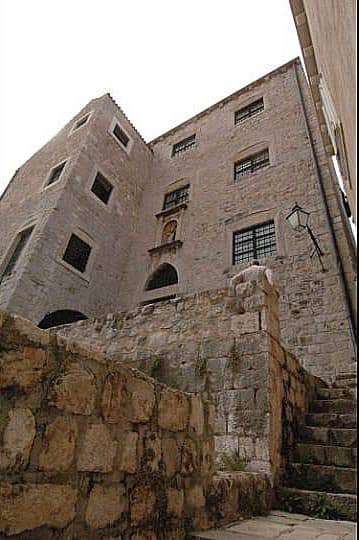
Gradac Park is a green terrace above the sea west of the walls and the best answer to where to flee when the core is overfull: a garden with pines, cypresses and agaves on the cliff above the Dance cove, laid out at the start of the 20th century, with benches looking onto the open sea and the Elaphites. Here the shade is thick and the crowd rare, because most visitors do not cross the bridge by the Pile Gate. The park also has a sad history: on this spot, tradition says, the people of Dubrovnik buried the victims of the great earthquake of 1667, and in recent times the park was hit by shelling in 1991. In summer performances of the Dubrovnik Summer Festival are held in it, among them Hamlet in the open, and the acoustics of rock and pines hold the sound exceptionally. From the core the park is a ten-minute walk across the Brsalje, and the path leads on to the Dance beach and the Lovrijenac complex. For a sunset this is the best free address in the city: the sun falls straight into the sea and the walls stay behind your back.

Insider tip

Come at sunset: the park faces west over the open sea, and you will often have it almost to yourself.

Photo: August Dominus / CC BY-SA 3.0

Ethnographic Museum Rupe
Hidden gem
Activity

Ethnographic Museum Rupe

The republic's old granary, now home to folk costumes.

Photo: JERRYE AND ROY KLOTZ MD / CC BY-SA 3.0
Ethnographic Museum Rupe
Activity Hidden gem

Ethnographic Museum Rupe

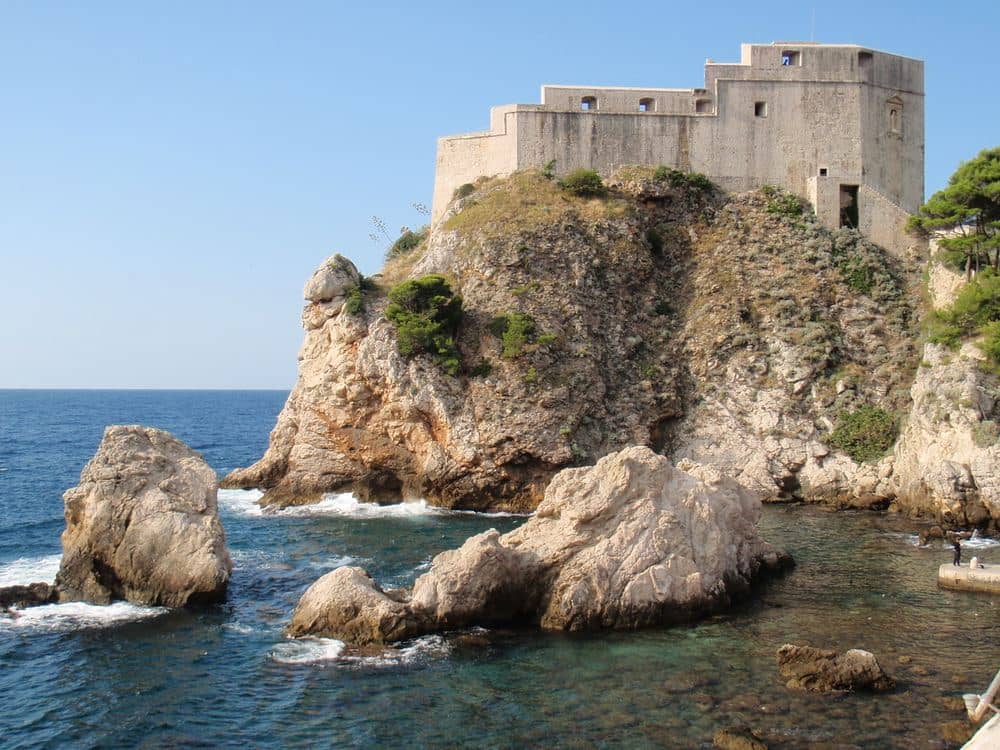
The Rupe Ethnographic Museum is set in a building that is itself the most interesting exhibit: a state granary of the 16th century, in whose ground floor fifteen huge pits were carved into the living rock, the holes from which the building took its name, holding over twelve hundred tonnes of grain. The republic kept stores because the city imported its food, and in a siege or a barren year grain meant survival; the pits were lined and held a constant temperature, so the grain kept for years. Today one walks along the edges of the pits over a glass floor, which is the best part of the visit. On the upper floors is the ethnographic collection: folk costumes of Konavle and the Dubrovnik littoral, textiles, jewellery, tools, objects from village houses and the whole story of how the hinterland lived while the city traded. The museum is cool, quiet and rarely full, and it stands on a height above Gunduliceva poljana, ten minutes' climb from the Stradun.

Insider tip

Even at the height of summer it stays pleasantly empty, a good break from the packed Stradun area.

Photo: JERRYE AND ROY KLOTZ MD / CC BY-SA 3.0

Fort Lovrijenac
Activity

Fort Lovrijenac

A fortress on a sea cliff, called Dubrovnik's Gibraltar.

Photo: Raki_Man / CC BY 3.0
Fort Lovrijenac
Activity

Fort Lovrijenac

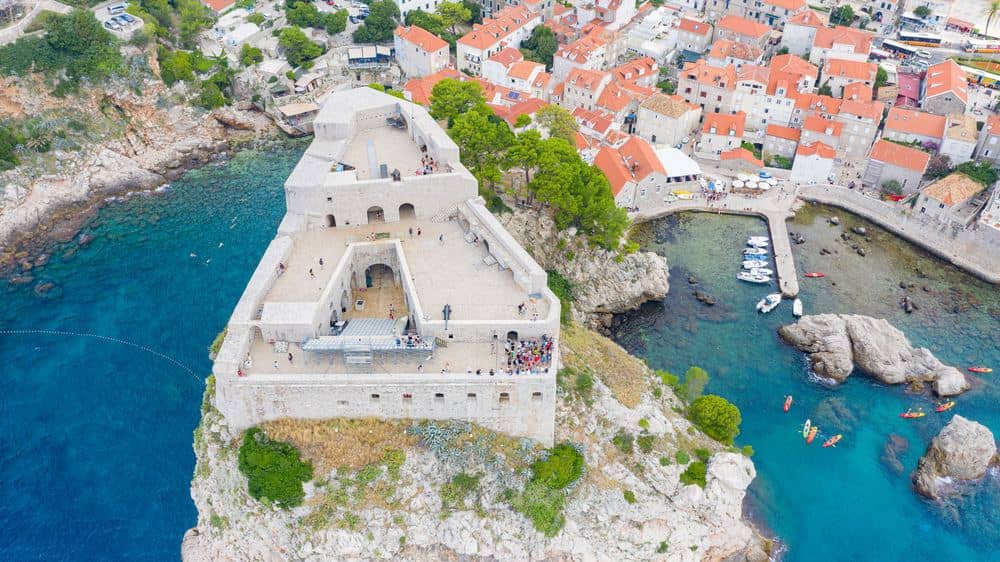
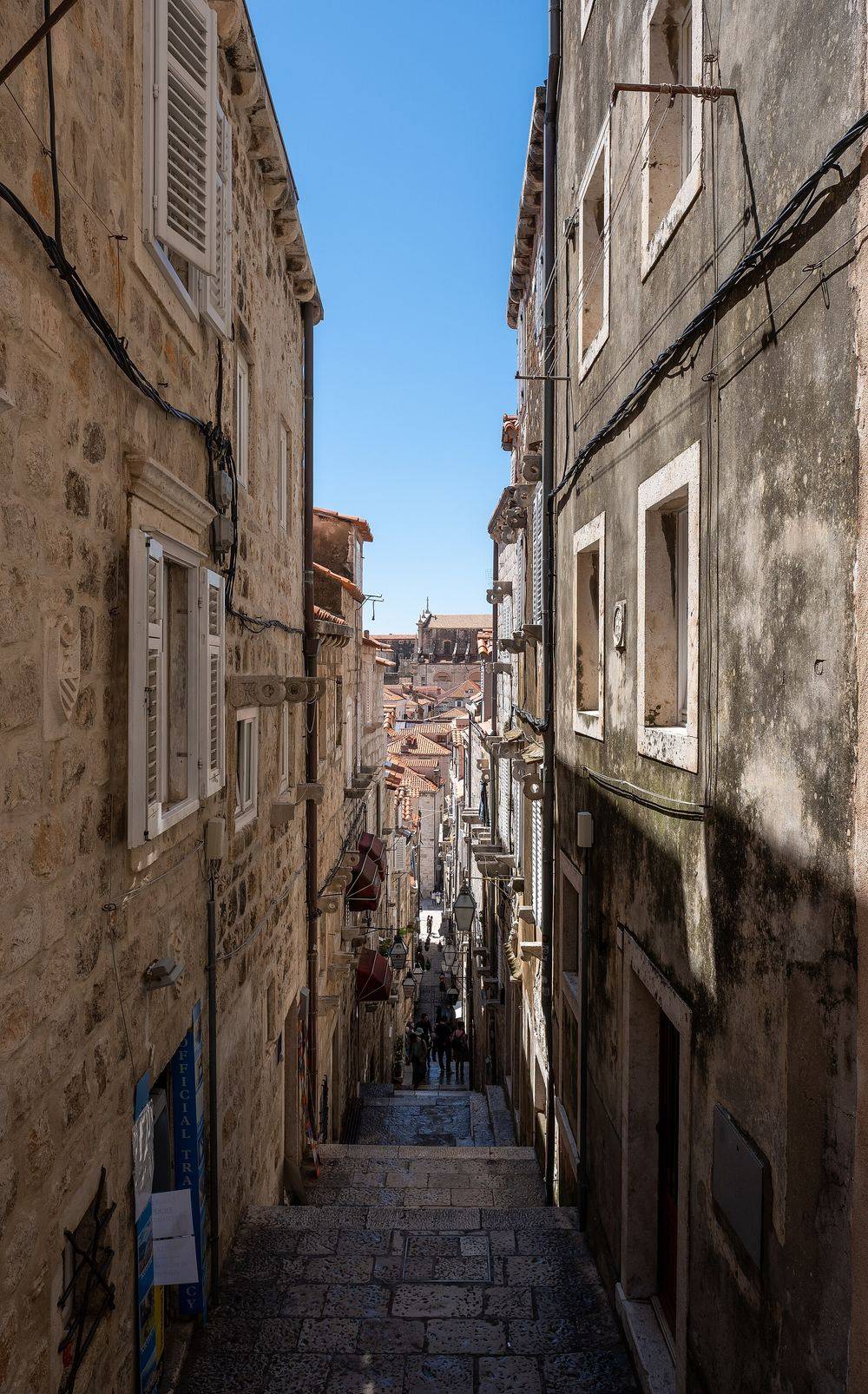
Lovrijenac stands on a 37-metre rock outside the walls, and its proportions tell the republic's whole political philosophy: the walls facing the sea and a possible enemy are up to twelve metres thick, the wall facing the city is sixty centimetres. If a commander ever turned against Dubrovnik, one cannon shot from the town would open his fortress like an egg. Above the gate the republic carved its motto: liberty is not sold for all the gold in the world.

Since 1952 the upper terrace has doubled as a stage, and Hamlet played here made the fort famous far beyond Croatia. The climb is steep, the ticket is shared with the city walls, and the view back onto the walled town is the one the drone shots imitate.

Insider tip

The city walls ticket also covers Lovrijenac, so keep it with you.

Photo: Raki_Man / CC BY 3.0

War Photo Limited
Activity

War Photo Limited

An unflinching gallery of conflict photography.

Photo: Jules Verne Times Two / CC BY 4.0

War Photo Limited
Activity

War Photo Limited

War Photo Limited is one of the most serious galleries of war photography in the world and probably the most unexpected content in Dubrovnik's core: a two-storey space in Antuninska street, opened in 2003 by the New Zealand photojournalist Wade Goddard with the explicit intention that war photography be not an ornament but a document. The permanent display upstairs is devoted to the wars in the former Yugoslavia in the nineties, with photographs from Vukovar, Sarajevo and the siege of Dubrovnik itself, while the ground floor rotates exhibitions of authors working in current conflicts, from Syria to Ukraine. The display is not easy and not for small children, but it is respectful toward its subject and without sensationalism; captions are in Croatian and English, and the visit takes an hour. The gallery works from spring to autumn, the ticket is moderate. For a visitor who yesterday walked the walls and saw the damage maps of 1991, this is the place that gives that map faces. Few galleries in Croatia leave a stronger impression.

Insider tip

Give it a full hour and go when you're fresh, the siege exhibition is powerful, not a quick stop.

Photo: Jules Verne Times Two / CC BY 4.0

16 more places
  • Fort St John
  • Banje Beach
  • Old Port
  • Porporela Pier
  • Šulić Beach
  • Danče Beach
  • Bellevue Beach
  • Sveti Jakov Beach
  • Copacabana Beach
  • Lapad Bay
  • Petka Forest Park
  • Museum of Modern Art Dubrovnik
  • Maritime Museum
  • Love Stories Museum
  • Red History Museum
  • Dubrovnik Cable Car

Food & drink

1
Gundulić Square Market
Hidden gem
Food & drink

Gundulić Square Market

A morning market of fruit, vegetables and candied orange.

Photo: Will Bakker / CC BY-SA 2.0
Gundulić Square Market
Food & drink Hidden gem

Gundulić Square Market

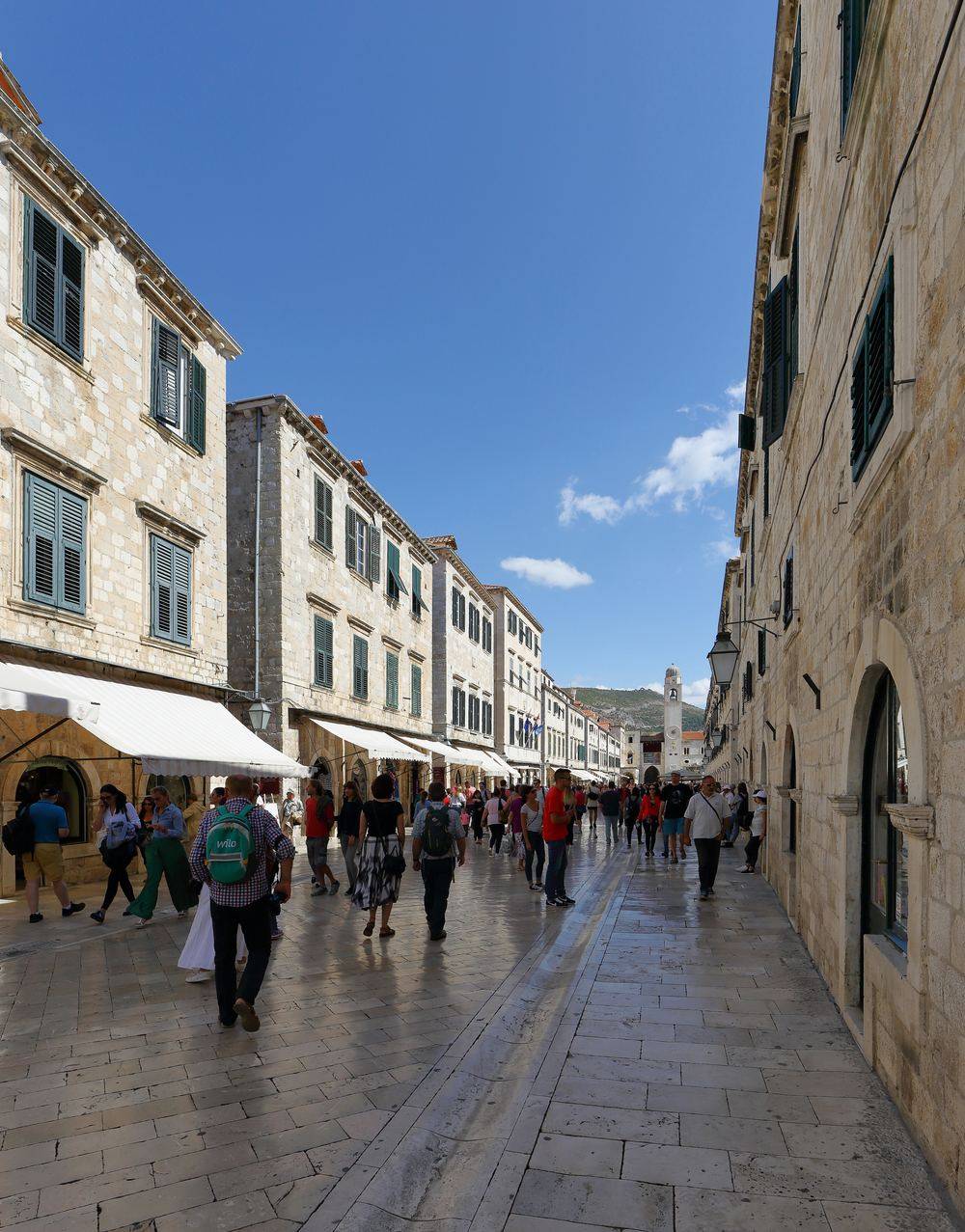
The market on Gunduliceva poljana is the only part of the old core that works for the city and not for visitors: every morning except Sunday, from six to noon, stalls are set up around the monument to the poet Ivan Gundulic and what has arrived from Konavle and the Elaphites is sold, tomatoes, figs, mandarins, lavender, honey, olive oil, dried fruit and homemade brandy. Prices are lower than in the shops of the core, and if you buy from the same people a second time, you will also get advice on what is best that day. The square is also the loveliest in the city, with baroque facades, the Jesuit Stairs on one side and cafés that fill as soon as the market disperses. Gundulic, whose monument stands in the middle, wrote Osman, an epic still taught in schools; reliefs on the pedestal show scenes from the work. Come at eight in the morning with a cloth bag: a breakfast of fresh figs and bread from the market, eaten on the steps, is the best meal Dubrovnik offers under ten euros.

Opening hours
06:30-13:00
Price level
€

Photo: Will Bakker / CC BY-SA 2.0

Dubrovnik guides

Grad od riječi Dubrovnik 2026: 24–25 Sep, TUP Gruž, 3rd edition
Culture

Grad od riječi Dubrovnik 2026: 24–25 Sep, TUP Gruž, 3rd edition

The third Grad od riječi at TUP in Gruž, 24–25 Sep 2026: opening on Thursday at 19:00, book fair and children’s programme on Friday.
24 September 2026Dubrovnik5 min
Dubrovnik to Kotor: the Montenegro day trip by bus, tour or car
Guide

Dubrovnik to Kotor: the Montenegro day trip by bus, tour or car

Kotor is 93 kilometres and one border south of Dubrovnik: 13 to 30 euro by bus, 45 to 70 on a coach tour, two hours…
15 September 2026Dubrovnik19 min
Best beaches in Dubrovnik: Banje, Buža, Sveti Jakov and Lokrum
Guide

Best beaches in Dubrovnik: Banje, Buža, Sveti Jakov and Lokrum

Pebbles under the walls at Banje, rock platforms through a hole in the wall at Buža, a quiet bay at Sveti Jakov, family beaches on…
15 September 2026Dubrovnik19 min
Dubrovnik to Bari ferry 2026: timetable, prices, cancellation
Guide

Dubrovnik to Bari ferry 2026: timetable, prices, cancellation

Line 54 sails overnight from Gruž to Bari in about ten hours for 78 to 90 euro plus a cabin, Friday and Sunday in the…

15 September 2026Dubrovnik9 min
Day trips from Dubrovnik: Kotor, Mostar, Cavtat, Korčula, Elafiti
Guide

Day trips from Dubrovnik: Kotor, Mostar, Cavtat, Korčula, Elafiti

Kotor for 13 to 30 euro by bus with a passport, Mostar in three hours, Cavtat for 4 euro on bus 10, Lopud's sandy beach…
15 September 2026Dubrovnik14 min
Dubrovnik cable car: prices, hours and the free walk up Srđ
Guide

Dubrovnik cable car: prices, hours and the free walk up Srđ

30 euro return, 17 euro one way, 9:00 to midnight from June to mid-September, closed from December to March and in strong wind.
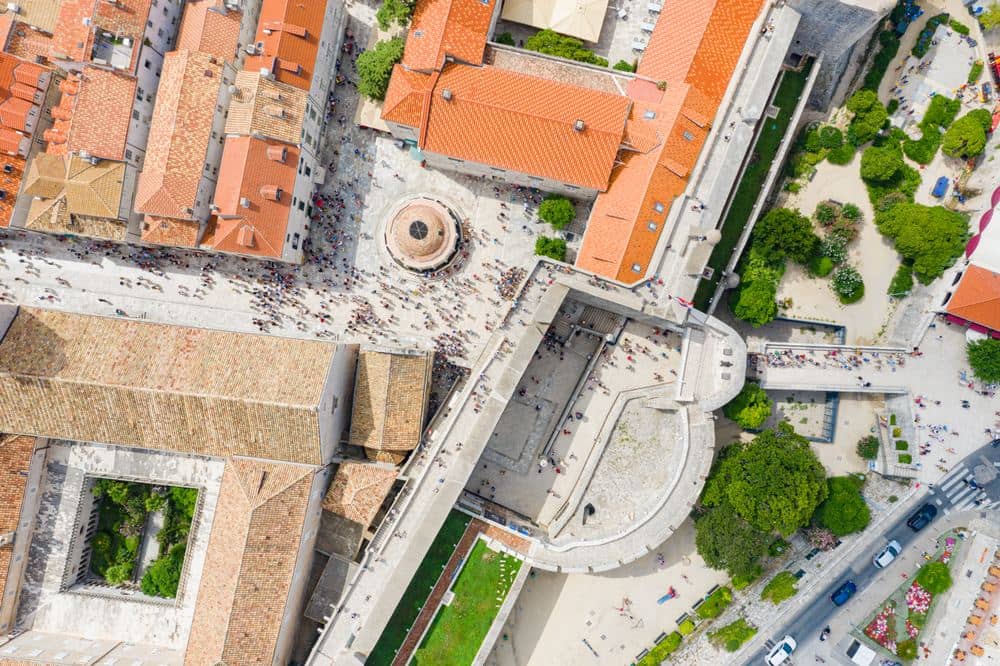
15 September 2026Dubrovnik11 min
Dubrovnik in October 2026: weather, cruise days, what is open
Guide

Dubrovnik in October 2026: weather, cruise days, what is open

Afternoons at 21 degrees, the sea at 20 in the first half of the month, walls open until six, cruise ships thinning out week by…

15 September 2026Dubrovnik12 min
Dubrovnik cruise port: Gruž to the Old Town, walls, cable car
Guide

Dubrovnik cruise port: Gruž to the Old Town, walls, cable car

Cruise ships dock at Gruž, 3 km from the Old Town. Bus, taxi or shuttle, the 40-euro walls ticket that includes Fort Lovrijenac, the cable…
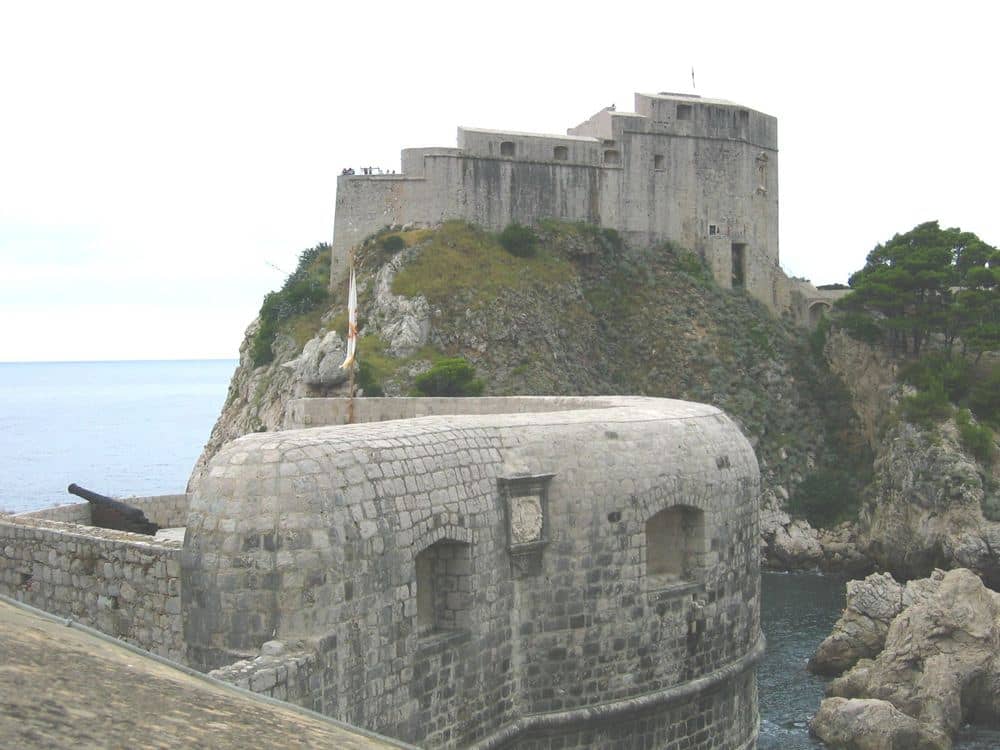
15 September 2026Dubrovnik7 min
Game of Thrones in Dubrovnik without a tour: a self-guided walk
Culture

Game of Thrones in Dubrovnik without a tour: a self-guided walk

Every King's Landing location in walking order, with what was filmed where, what it costs and how long it takes: Pile Gate and Blackwater Bay…

15 September 2026Dubrovnik7 min
Good Food Festival Dubrovnik 2026: two weeks, 5 to 18 October
Food & drink

Good Food Festival Dubrovnik 2026: two weeks, 5 to 18 October

Dubrovnik's autumn food festival stretches over two weeks in October: festival menus in the city's restaurants, guest-chef dinners, workshops and excursions to the producers, and…

3 September 2026Dubrovnik11 min
Walking the walls of Dubrovnik: one direction, no way back
Guide

Walking the walls of Dubrovnik: one direction, no way back

The ticket is valid for one circuit and re-entry is not possible, which turns a simple walk into a decision: which gate you start at…
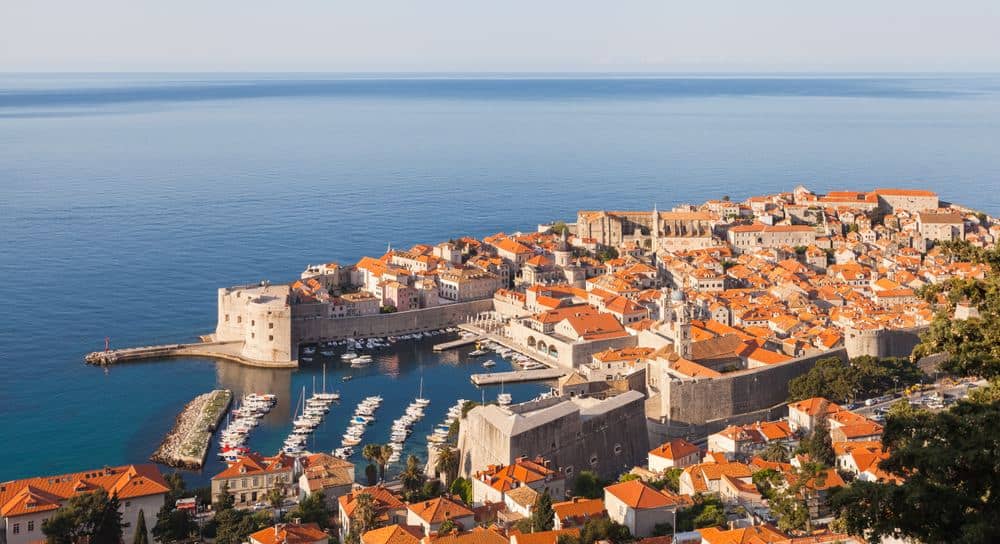
31 August 2026Dubrovnik26 min
Dubrovnik: what to see between the walls and the sea
Guide

Dubrovnik: what to see between the walls and the sea

A two-kilometre wall walk, a marble main street and an island of peacocks. How to see Dubrovnik before the crowds do.

28 August 2026Dubrovnik40 min
Lokrum responsible visitor guide: enjoy the reserve and protect it
Nature

Lokrum responsible visitor guide: enjoy the reserve and protect it

Plan your Lokrum visit around official access, remain on marked paths, observe wildlife without feeding it and leave the protected island exactly as you found…

13 August 2026Dubrovnik23 min
Dubrovnik in one day: a smart route from walls to sunset
Itinerary

Dubrovnik in one day: a smart route from walls to sunset

A practical hour-by-hour Dubrovnik plan with Old Town essentials, a swim break, crowd strategy and the best final view over the city.

7 July 2026Dubrovnik15 min
Your first morning in Dubrovnik's Old Town, done right
Guide

Your first morning in Dubrovnik's Old Town, done right

Beat the cruise crowds, walk the soft-light lanes, and find a calmer rhythm before the city becomes a stage set.

24 June 2026Dubrovnik11 min

Dubrovnik: quick answers

How do I get from Dubrovnik airport to the old town?
The airport is at Čilipi, about twenty kilometres south. The Platanus shuttle bus meets flights and stops just outside the Pile gate in roughly thirty to forty minutes; taxis and ride apps do the same run door to door.
How do I avoid the biggest crowds?
Walk the old town before nine or after six, and check the cruise calendar: days with two or three ships are the ones to plan around. The walls are calmest right at opening and in the last ninety minutes. October to April feels like a different city.
Is Dubrovnik walkable with luggage?
Inside the walls, barely: the old town is stairs, and cars cannot enter. If your apartment is in the old town, pack light or expect a carry; accommodation in Lapad or Gruž trades the address for flat streets and bus lines.

CroVenture App

Explore Dubrovnik with CroVenture

Places unlock as you reach them, with a passport that fills up as you explore.