Kotor for 13 to 30 euro by bus with a passport, Mostar in three hours, Cavtat for 4 euro on bus 10, Lopud's sandy beach for a 5-euro ferry, Korčula by catamaran until 31 October, Ston's walls for 10 euro. Seven trips with the real transport, the 2026 prices, the border rules and which one fits which day.
Checked: 15 September 2026
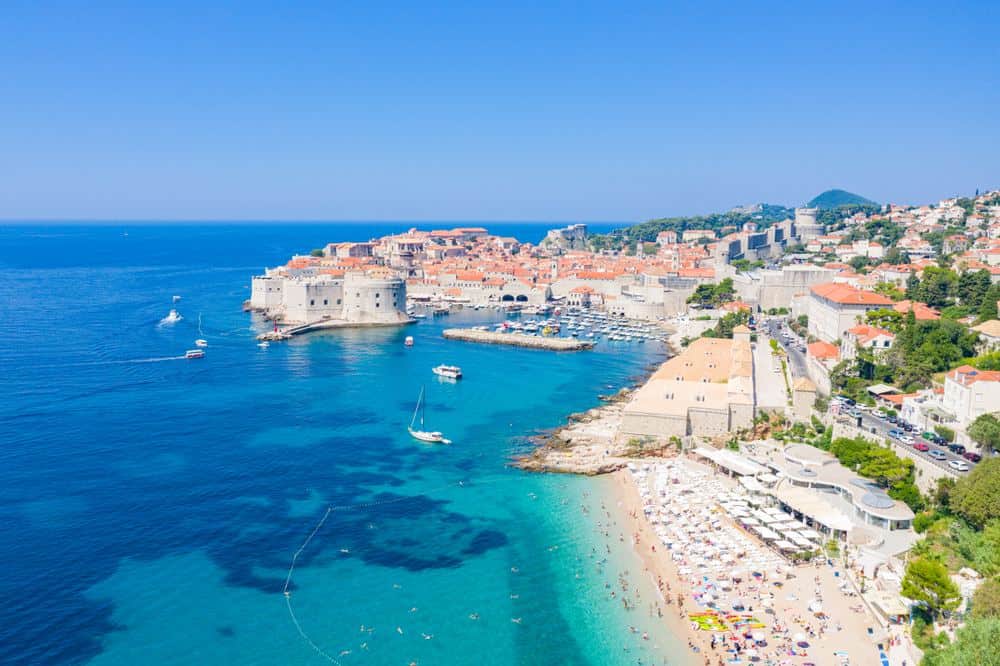
Dubrovnik sits at the bottom of a long thin country, with Montenegro forty minutes to the south, Bosnia an hour to the north and a string of islands in front. That geography is why the city works so well as a base for day trips: seven of the best ones need no car, and all of them can be done with a public bus, a ferry or a boat from the Old Port for a fraction of what the tour desks charge. This guide covers each trip with the real transport, the 2026 prices, the time it takes and the trap to avoid. It is written for visitors arriving from the United States, the United Kingdom, Canada and Australia, so the border rules for Montenegro and Bosnia are included.
| Destination | How | Time each way | Cost per person | Best months |
|---|---|---|---|---|
| Kotor and the Bay, Montenegro | Bus or tour | 2 to 3 h | 13 to 30 euro bus, 45 to 70 euro tour | May, June, September, October |
| Mostar, Bosnia and Herzegovina | Bus or tour | 3 to 3.5 h | 20 to 30 euro bus, 45 to 70 euro tour | April to June, October |
| Cavtat | Bus 10 or boat | 25 min bus, 45 min boat | 4 euro bus, 15 euro boat | All year |
| Elafiti islands | Jadrolinija ferry | 30 to 75 min | about 5 euro one way | May to October |
| Korčula | Catamaran | 1 h 45 to 2 h | 20 to 30 euro one way | May to October |
| Ston and Pelješac | Bus, car or tour | 1 h 15 | 10 euro bus, 10 euro walls | All year |
| Lokrum | Boat from the Old Port | 10 min | 30 euro return with entry | April to October |
1. Kotor and the Bay of Kotor, Montenegro
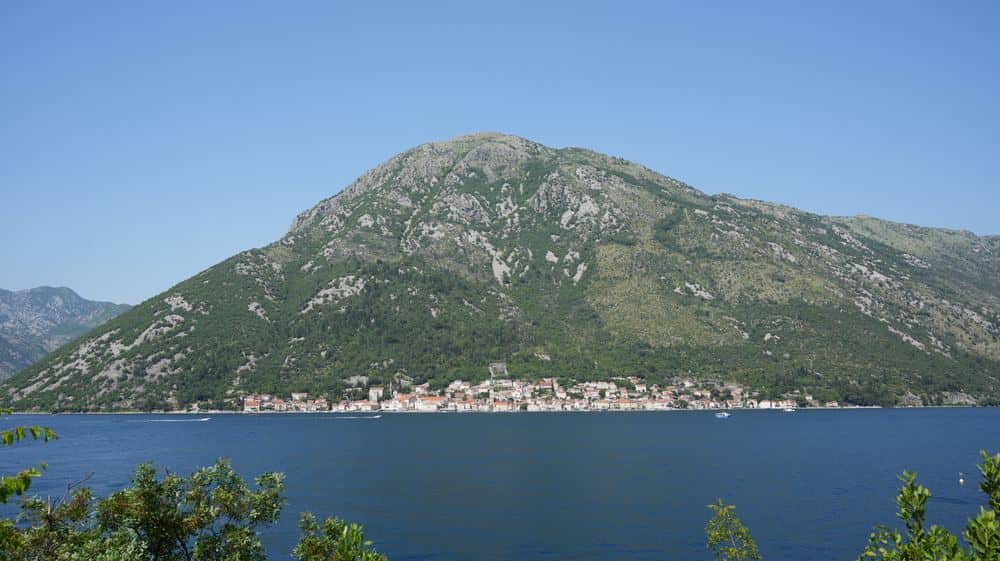
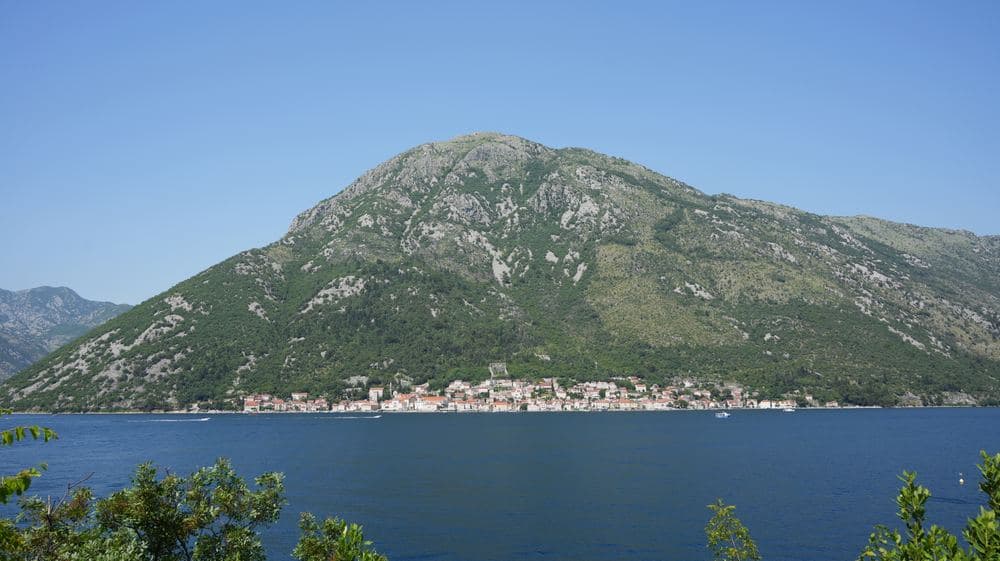
The most spectacular day out of Dubrovnik is across a border. The bay of Kotor is a drowned river valley with a walled medieval town at its end, and the road along it passes Perast, a baroque village with two church islets in front, one of them artificial. The border at Karasovići and Debeli Brijeg is 40 minutes south of the city. Montenegro is outside the European Union and the Schengen area, so bring your passport, get stamped out of Croatia and in again, and count the day in your Schengen 90-day allowance as usual. Citizens of the US, UK, Canada and Australia need no visa for Montenegro. The country uses the euro.
By bus: FlixBus and the Montenegrin company Jadran Ekspres run four to five daily buses from the Dubrovnik bus station in Gruž, the first at about 07:15, the last back from Kotor around 20:30. Tickets are 13 to 30 euro one way depending on demand, and the scheduled time of two hours stretches to three or more in July and August because of the border queue. In May, June, September and October the crossing takes minutes. Book the outbound seat online; buy the return at the Kotor station once you know your day.
By tour: the standard coach tour is 45 to 70 euro, leaves at eight, stops at Perast for the boat to Our Lady of the Rocks, which costs about 10 euro extra, gives two hours in Kotor and returns by six. It solves the border queue by using the bus lane and is the better choice in high season. In Kotor itself, the walls climb to the fortress of San Giovanni is 15 euro and takes 45 minutes each way; go early or late, there is no shade.
By hire car: possible, but check with the rental company first. Most Croatian rentals allow Montenegro with a cross-border fee of 20 to 40 euro and a green card, some do not, and the border officer will ask for the papers. A car makes sense only if you also want Budva or the Lovćen mountain road.
2. Mostar, Bosnia and Herzegovina
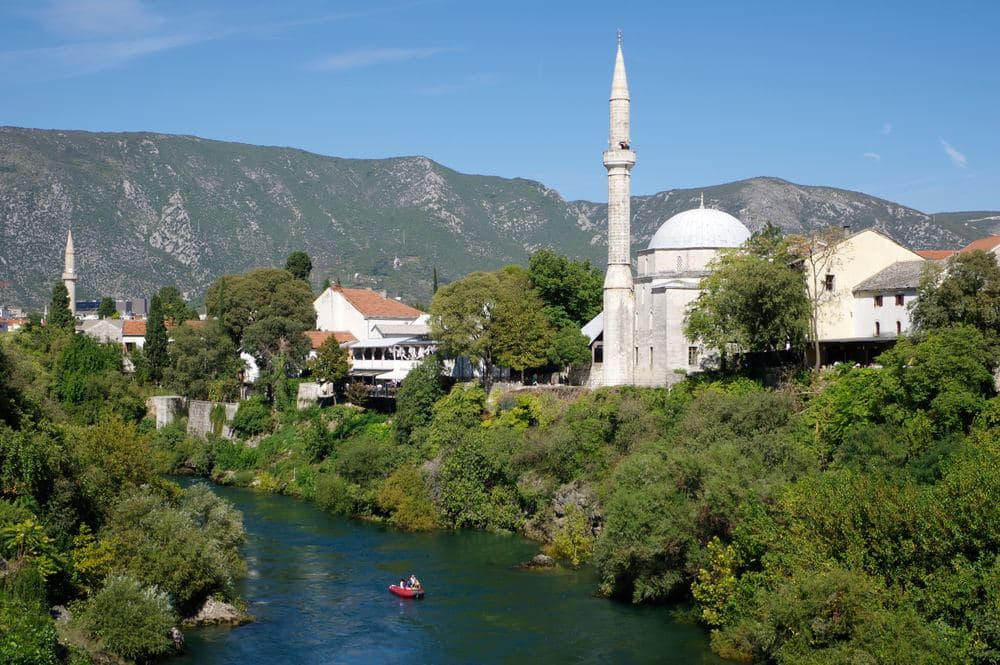
Mostar is three hours north-east: the Ottoman old bridge over the Neretva, rebuilt in 2004 after its destruction in 1993, the bazaar on both banks and the divers who jump 24 metres into the river for a collection from the crowd. Bosnia is also outside the EU and Schengen, so the passport rule is the same as for Montenegro, with the difference that the bus crosses two borders, because the Croatian coast road passes through the Bosnian corridor at Neum. The currency is the convertible mark, fixed at roughly two to the euro, and euros are accepted in the old town at a poor rate.
By bus: FlixBus runs two to three daily services from Gruž, 3 to 3.5 hours, 20 to 30 euro one way. The first bus at seven gets you in before eleven, the last one back leaves Mostar around five, which gives five hours in the city, enough for the bridge, the Koski Mehmed Pasha mosque with its minaret view, the bazaar and lunch. A tour at 45 to 70 euro adds the Kravica waterfalls or the village of Počitelj, both worth it in spring when the river is full, and gets you back for dinner.
3. Cavtat, the easiest half day
Cavtat is a small peninsula town 20 kilometres south, with a harbour promenade, two beaches, the Račić family mausoleum by Ivan Meštrović on the hill, and the house of the painter Vlaho Bukovac. It is where Dubrovnik goes for a quiet dinner. Bus 10 of the city company Libertas leaves the Dubrovnik bus station every half hour to hour, takes 25 to 30 minutes and costs 4 euro from the driver. The boats from the Old Port are the scenic way: 45 minutes along the coast past Lokrum for 15 euro one way and 20 euro return, several departures a day from May to the end of October. Take the boat out and the bus back, or the reverse when the afternoon light is on the walls.
4. The Elafiti islands: Koločep, Lopud and Šipan
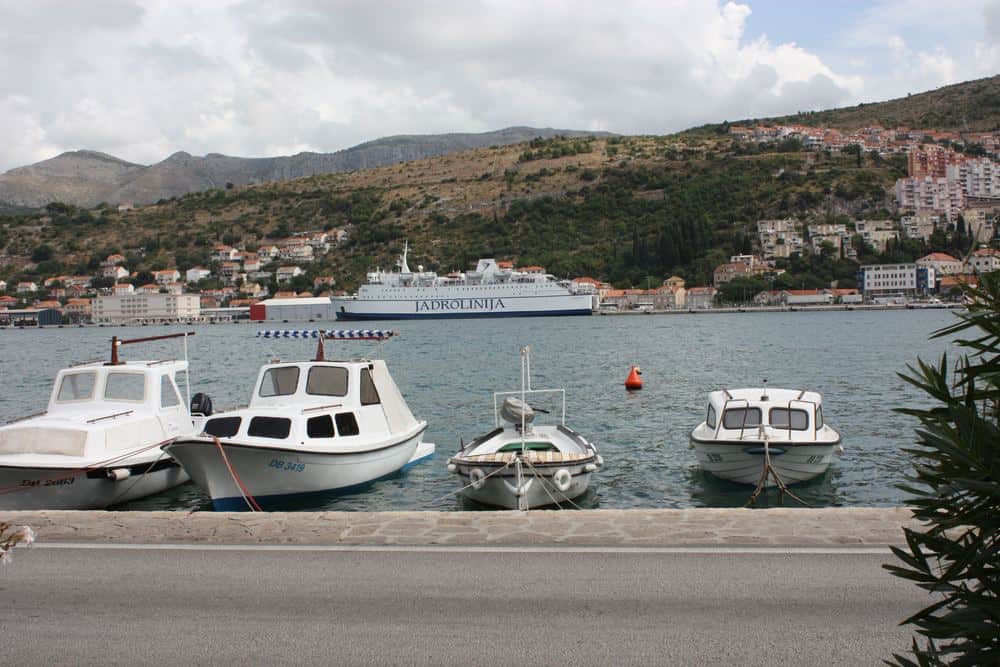
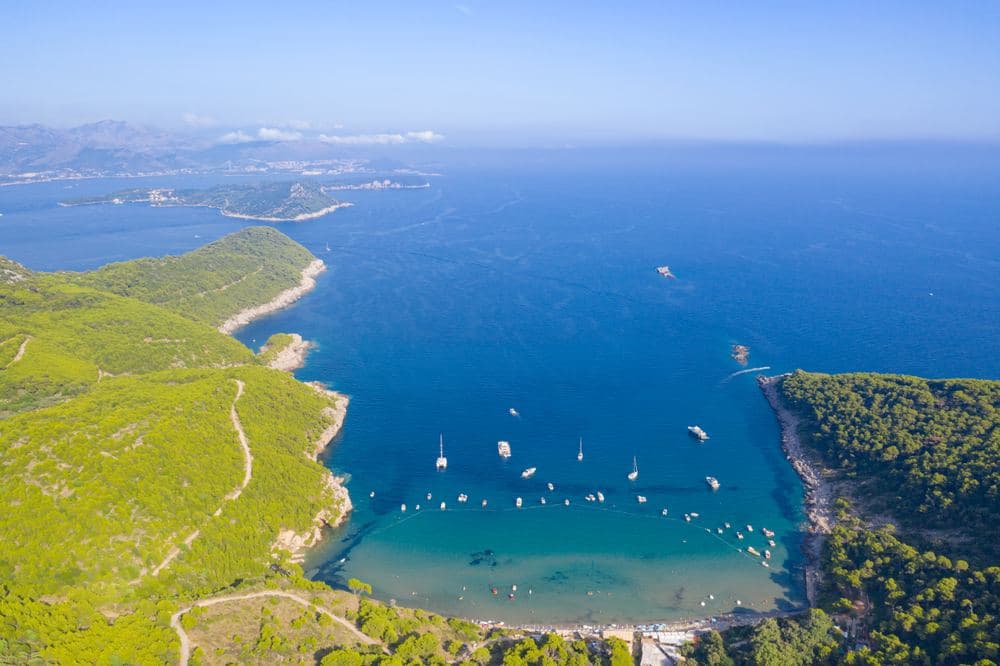
Three car-free islands in a line north-west of the city, served by the Jadrolinija ferry from Gruž harbour. Koločep is 30 minutes away and has a shaded path across the island and the sea cave the boat tours call the Blue Cave. Lopud, 55 minutes, is the one to choose for a first visit: a single village on a bay, a Franciscan monastery, and Šunj, one of the few sandy beaches in southern Dalmatia, a 25-minute walk or a golf-cart ride across the island. Šipan, 75 minutes, is the largest, with vineyards and two villages joined by a road you can walk in an hour. The ferry costs about 5 euro one way in season and a little less from 28 September, with four to five departures a day, and the return boats in the afternoon fill up on summer weekends, so be on the pier early. The organised alternative is the three-island fish picnic at 40 to 60 euro with lunch and swimming stops, a good lazy day.
5. Korčula by catamaran
Korčula town is a miniature Dubrovnik on a peninsula, with a fishbone street plan, a cathedral, the tower called the house of Marco Polo and the Moreška sword dance on summer evenings. The catamarans of TP Line and Kapetan Luka's Krilo leave Gruž in the morning and reach Korčula in 1 hour 45 minutes to two hours, 20 to 30 euro one way, with the return in the late afternoon. They run from May to mid or late October only, TP Line until 18 October and Krilo until 31 October in 2026, and they sell out in July and August, so book a week ahead. Outside the catamaran season the trip needs a car: two hours over the Pelješac bridge to Orebić and a 15-minute Jadrolinija ferry across the channel for about 3 euro per person. Our Korčula one-day guide covers the town itself.
6. Ston, Mali Ston and the Pelješac vineyards
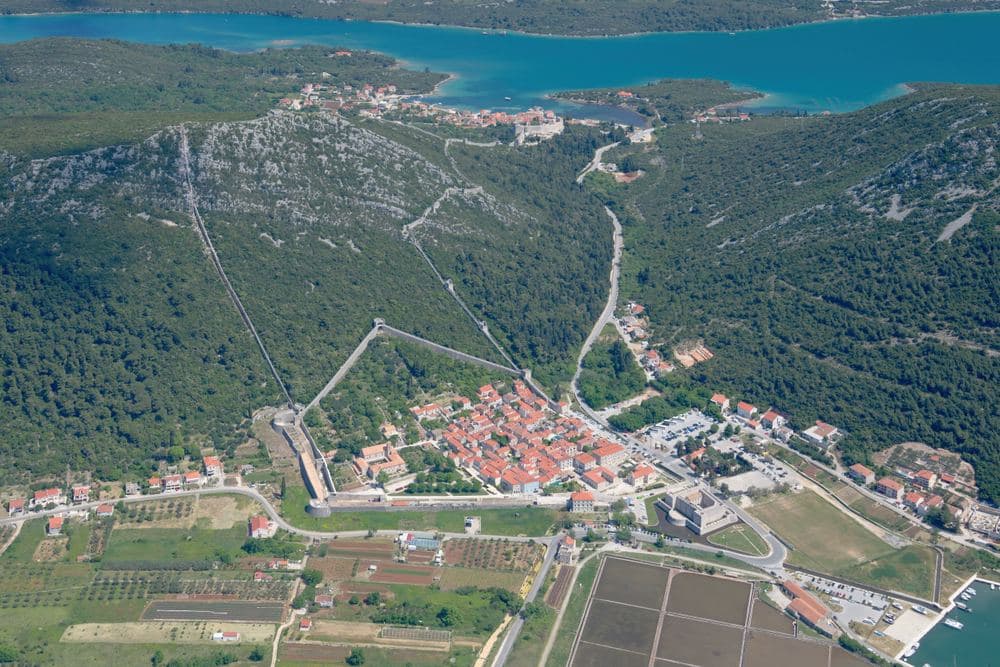
An hour and a quarter north over the new bridge, Ston has the longest fortification in Europe after the Great Wall: 5.5 kilometres of medieval walls climbing the hill between Ston and Mali Ston. The walls ticket is 10 euro, 5 euro for children, and the full circuit takes an hour to ninety minutes with 400 metres of climb, so do it before eleven in summer. Below the walls are the salt pans, still worked by hand, and in Mali Ston the oyster farms: a dozen oysters at a waterside konoba costs 25 to 35 euro. The public bus from Gruž takes 75 to 90 minutes for about 10 euro and runs three to four times a day, which works for the walls and lunch. The wine villages further along the peninsula, Dingač and Postup, need a car or a wine tour at 60 to 90 euro.
7. Lokrum, Trsteno and Mljet, the shorter and longer options
Lokrum is ten minutes from the Old Port by the reserve's own boat, every half hour from April to the end of October, 30 euro return including the entry fee, and it fills a morning with the monastery, the Iron Throne replica, the peacocks and a swim in the Dead Sea lake. Trsteno, twenty minutes north by the coastal buses 12, 15 or 35, is the Renaissance arboretum used as the Tyrell gardens in Game of Thrones, 10 euro, an hour and a half with the walk to the fountain. Mljet is the long option: the national park with two salt lakes and an island monastery, reached by the same TP Line catamaran as Korčula in 1 hour 30, park entry 25 euro in season, and it wants a full day with a bike hired at the pier. Each of the three has its own guide on Croatia Atlas.
Which day trip on which day
- Cruise ship day in the Old Town: go to Cavtat or the Elafiti islands, both are unaffected by the ships.
- Hot day in July or August: the islands or Lokrum, where you can swim. Kotor and Mostar are inland furnaces in August, do them in the shoulder months.
- Rainy forecast: Mostar or Ston, where the walking is short and the food is the point.
- One free day and no strong preference: Kotor, it is the trip people remember.
- Travelling with children: Lopud, the sandy beach and the golf cart win every time.
Practical notes for all of them
The bus station is in Gruž, 3 kilometres from the Old Town, reached by buses 1A, 1B, 3 and 8 for 2 euro from the driver or 1.60 euro at a kiosk. The Old Port boats to Cavtat and Lokrum leave from inside the walls. Carry your passport for Montenegro and Bosnia even on a tour, and check that your travel insurance covers both countries, which for US and UK policies is usually the case in Europe. In October the buses and boats still run on the full schedule until the last week; from November the catamarans are gone and the Lokrum boats stop, but Cavtat, the Elafiti ferry, Ston, Kotor and Mostar work all year.
Watch
Dubrovnik on video
A short official city film to help you picture the place before you go.
Dubrovnik and time
Frequently asked questions
- What is the best day trip from Dubrovnik?
- Kotor and the Bay of Kotor in Montenegro, two to three hours by bus for 13 to 30 euro or 45 to 70 euro on a tour. Bring your passport, the border is outside Schengen. For a half day without a border, Cavtat by boat or Lopud by ferry.
- Do I need a passport for Kotor or Mostar from Dubrovnik?
- Yes. Montenegro and Bosnia and Herzegovina are outside the EU and Schengen, so you are stamped out of Croatia and back in. US, UK, Canadian and Australian citizens need no visa for a day visit.
- How do I get to Cavtat from Dubrovnik?
- Bus 10 from the Dubrovnik bus station, 25 to 30 minutes, 4 euro from the driver, or the boat from the Old Port, 45 minutes, 15 euro one way and 20 euro return, from May to the end of October.
- Can I visit Korčula as a day trip from Dubrovnik?
- Yes from May to October by TP Line or Krilo catamaran, 1 hour 45 minutes to two hours each way, 20 to 30 euro one way, morning out and late afternoon back. TP Line runs until 18 October 2026 and Krilo until 31 October.
Official sources
Make Croatia Atlas a preferred source
One click and Google shows you our stories more often in Top Stories and in AI answers. It changes your own results only.