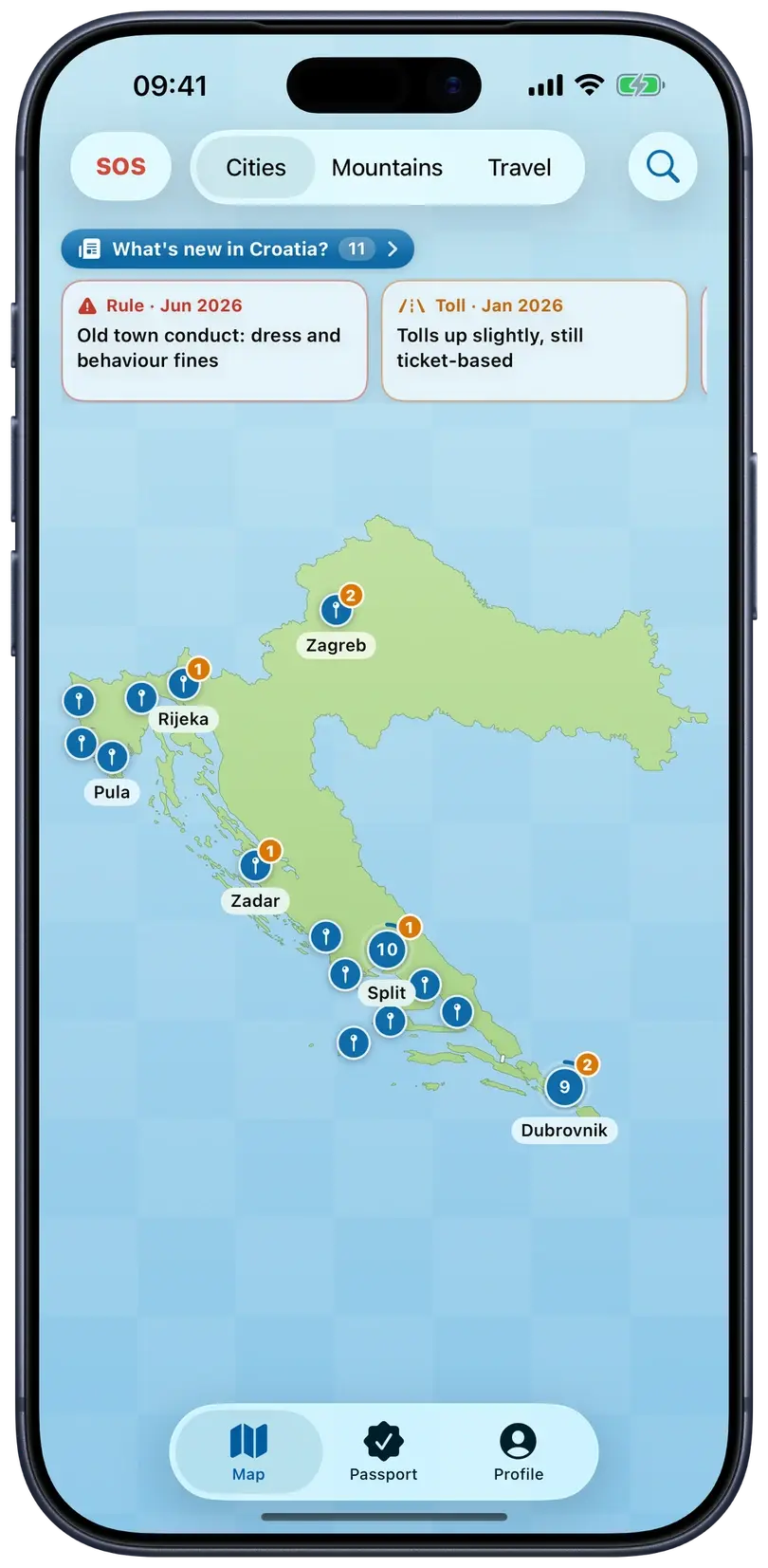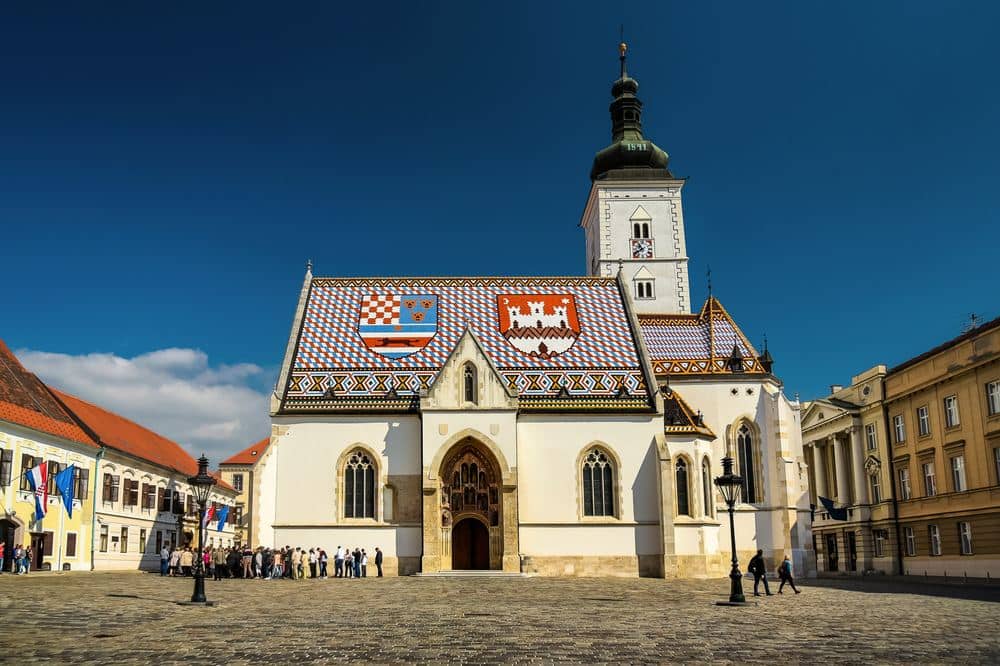
Zagreb
Zagreb is two cities stacked on a hill: the medieval Upper Town of Gradec and Kaptol, where the cathedral and the tiled roof of St Mark's stand, and the Lower Town's Austro-Hungarian grid of squares, parks and pavement cafes. The everyday rituals carry the place: the Dolac market above the main square every morning, the espresso hour on Tkalčićeva, the funicular covering its sixty-six metres with full ceremony.
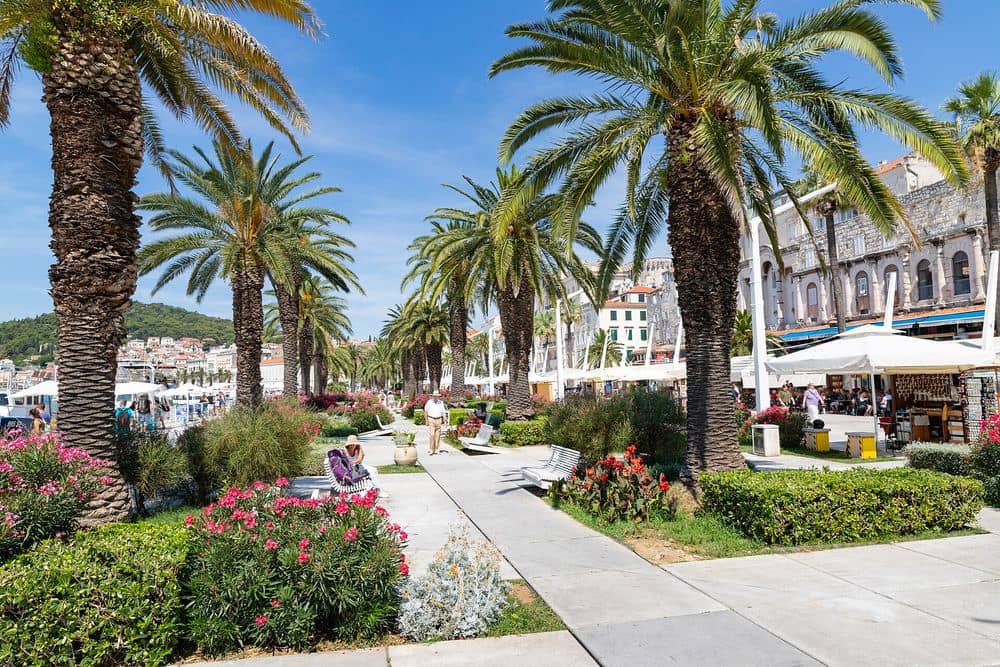
Split
Split grew inside a building: the retirement palace emperor Diocletian finished in 305 became the city, and today washing lines hang between Roman columns while his mausoleum serves as the cathedral of the man who persecuted its saint. The palace quarter is not a site with opening hours but a lived-in square kilometre of lanes, and that is what separates Split from every other Roman ruin on the Mediterranean.
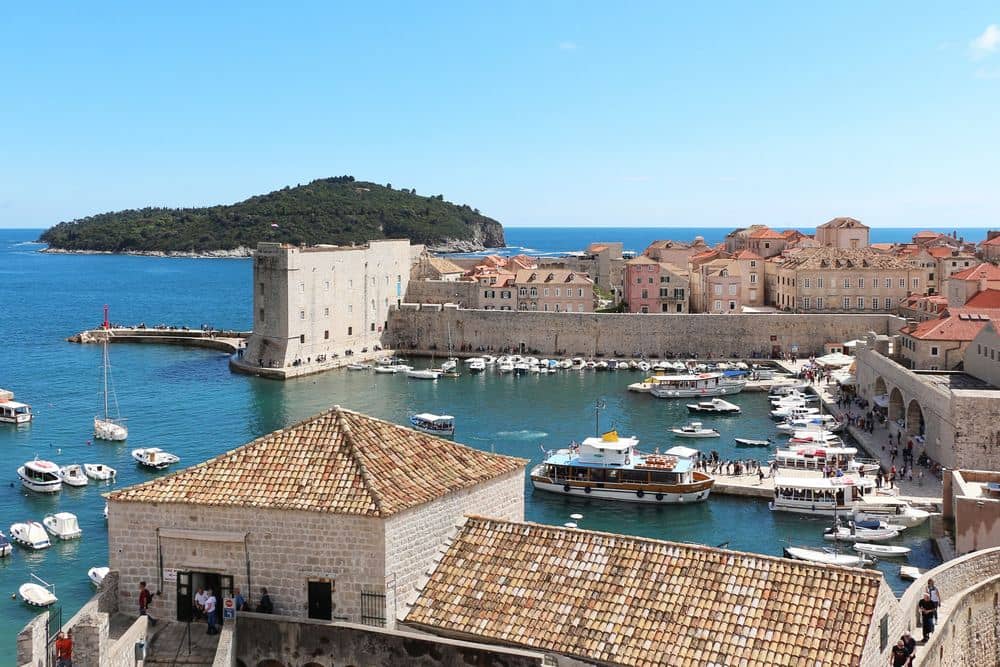
Dubrovnik
Dubrovnik was a republic of its own for four and a half centuries, and the city still carries itself that way: a complete ring of medieval walls around a baroque grid of polished limestone, with the Stradun as its marble spine. No cars, no modern buildings inside, and a skyline that has needed no correction since the 1667 earthquake rebuild.
Rijeka
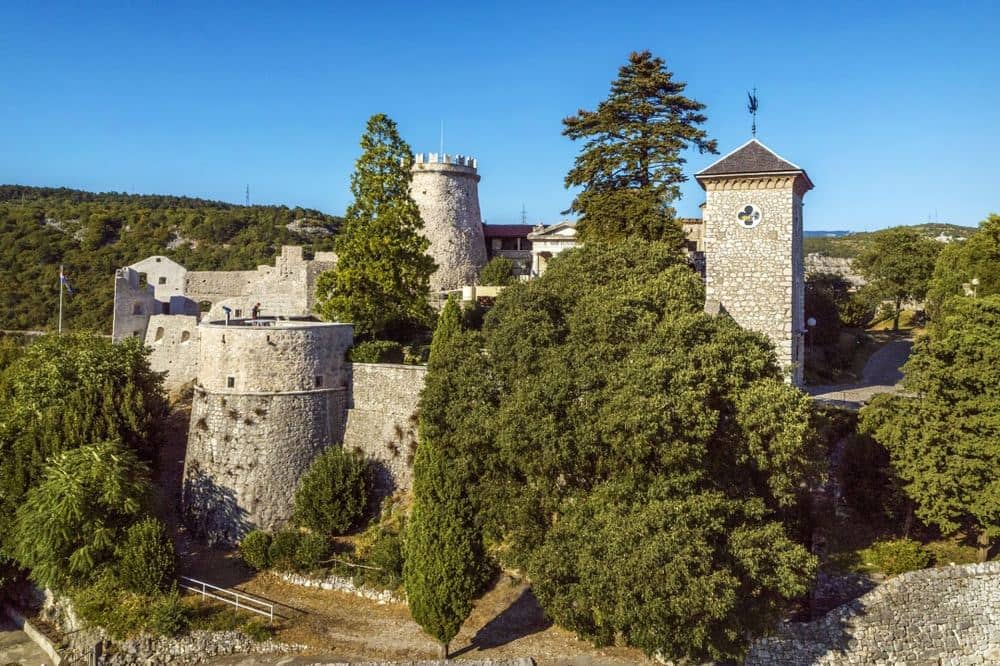
Rijeka is Croatia's port city and wears its working history openly: Habsburg facades over dockside cranes, the Korzo promenade where the whole city walks, and Trsat castle watching from the hill above the Rječina gorge. It was European Capital of Culture in 2020 and the museums and venues from that year are still the payoff.
Zadar
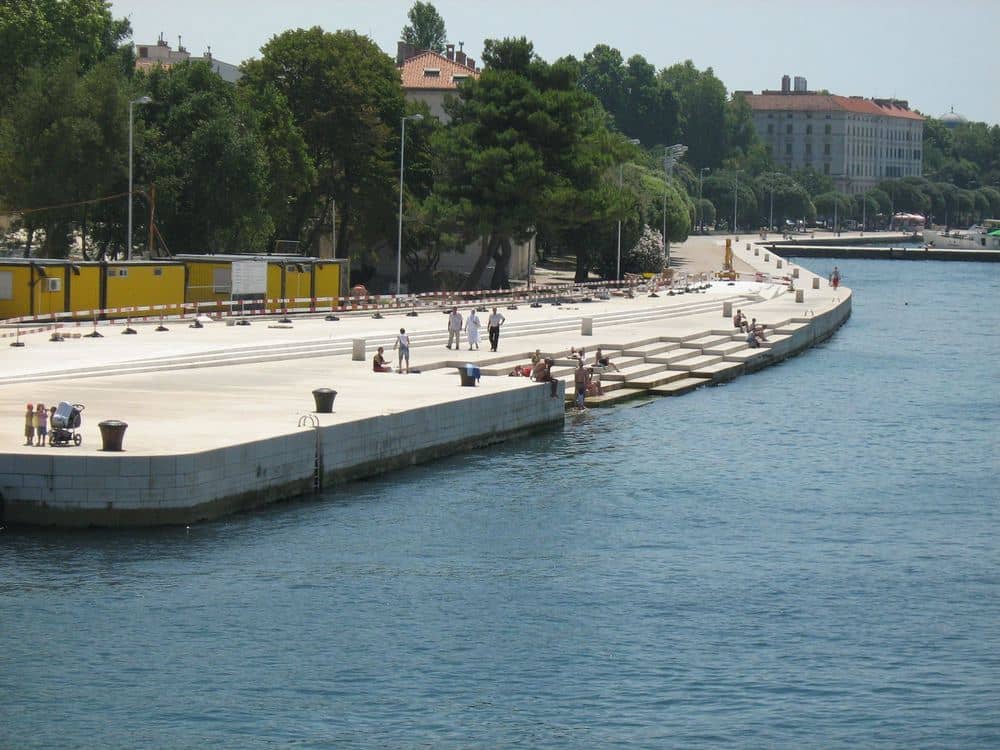
Zadar compresses three thousand years into a peninsula you can cross in fifteen minutes: a Roman forum used as a playground, the ninth-century round church of St Donatus, Venetian walls on the UNESCO list, and at the waterfront two modern icons, the Sea Organ that turns waves into sound and the Greeting to the Sun beside it.
Pula
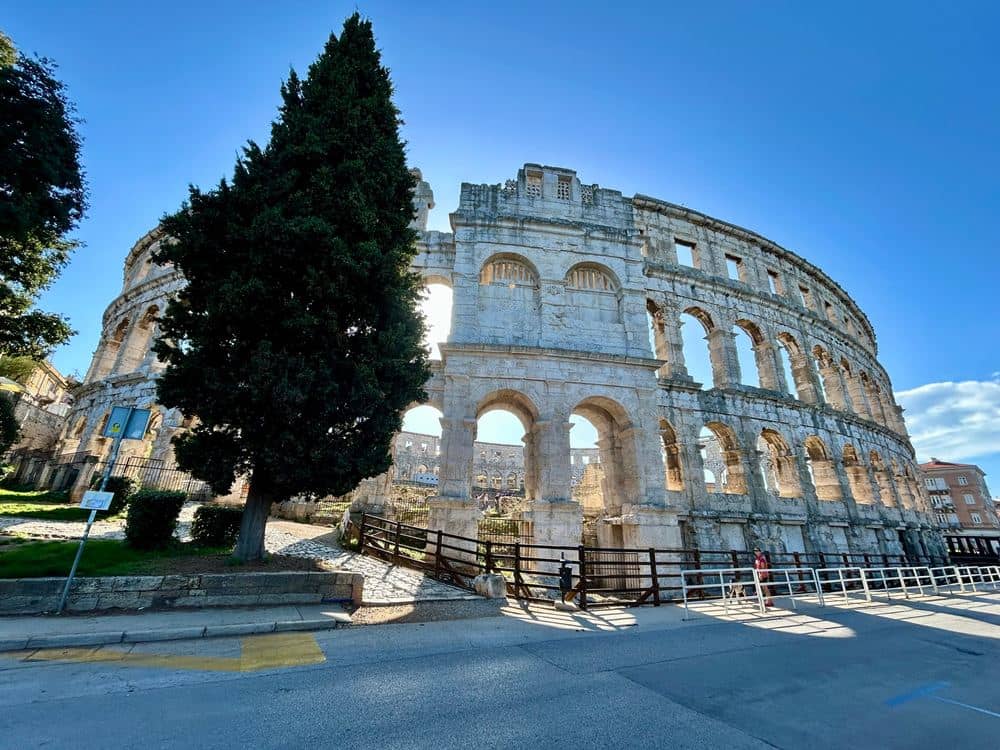
Pula is the working city of southern Istria, and that is exactly its appeal: the Roman amphitheatre stands next to a living harbour, not inside a museum district.
Makarska
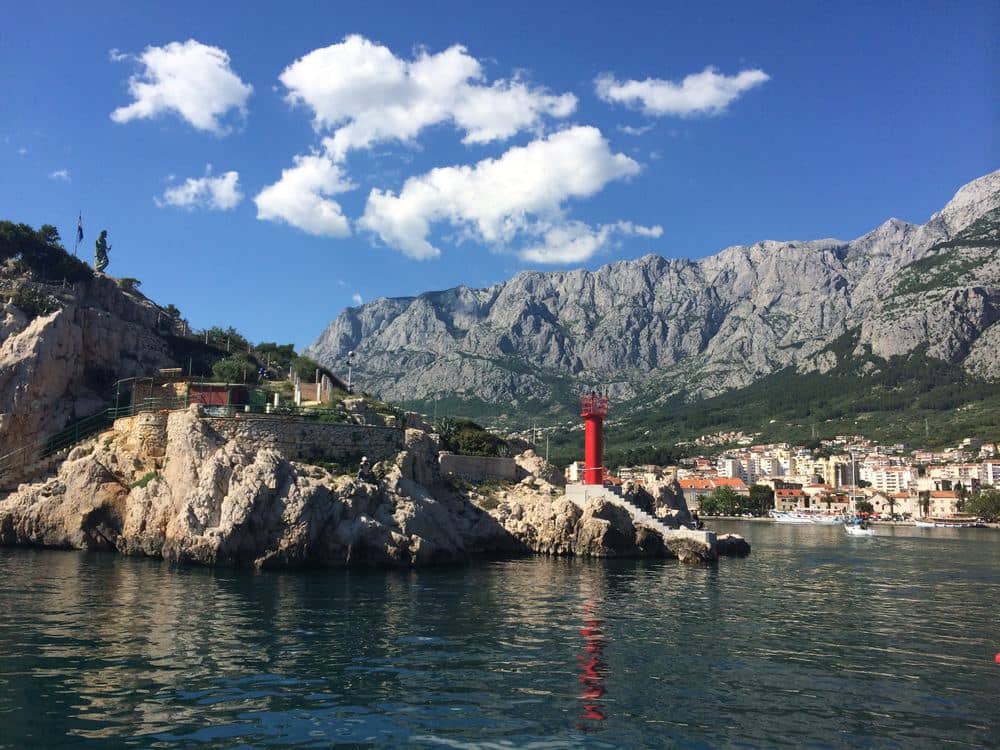
Makarska sits in the narrow strip between the Biokovo massif and the sea, and that geography is the whole story: a long pebble beach backed by a promenade, an old town of two or three streets, and a two-kilometre wall of mountain rising straight behind the rooftops.
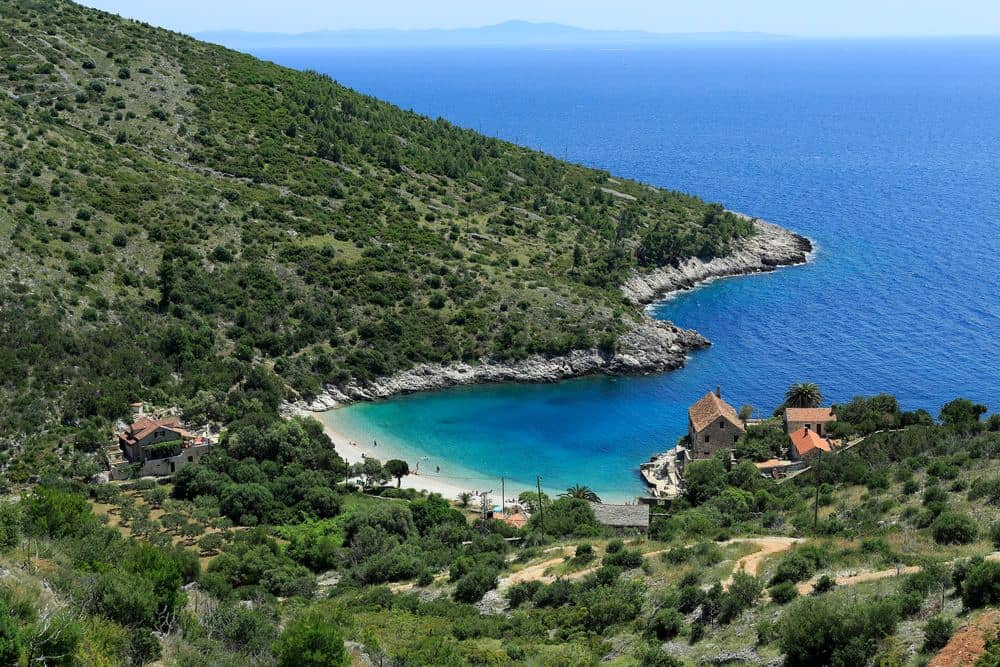
Hvar
Hvar town packs a Venetian square, a hilltop Spanish fortress and Croatia's oldest public theatre into an amphitheatre of stone around its harbour, and in July the harbour answers with the highest yacht density in the Adriatic. The island behind it is the sunniest place in the country, which the lavender fields and the vineyards of the interior have known for centuries.
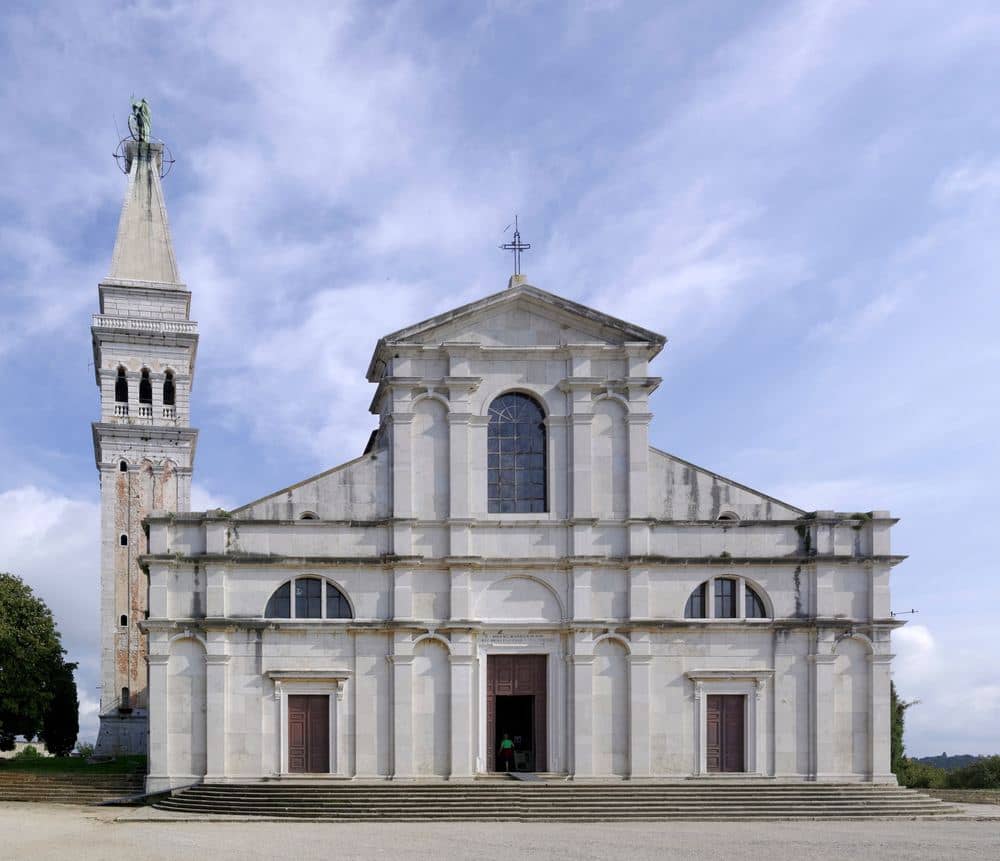
Rovinj
Rovinj rises straight out of the sea, a cone of ochre and rose facades stacked up to the bell tower of St Euphemia, whose copper saint turns with the wind. The old town was an island until the channel was filled in 1763, and its lanes still behave like it: they end in water, laundry lines and sudden views.
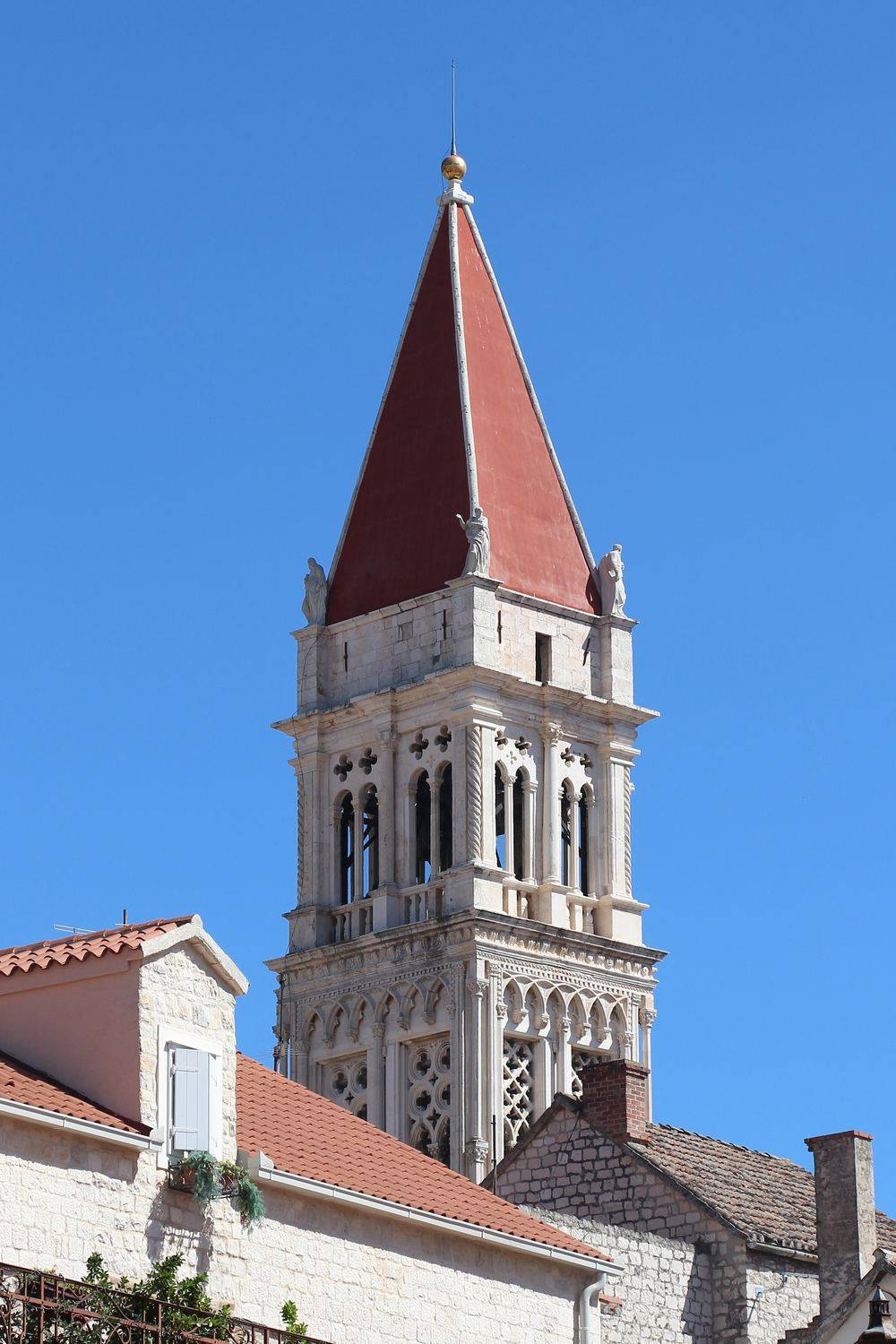
Trogir
Trogir is a complete medieval town on an islet, bridged to the mainland on one side and to Čiovo island on the other, and small enough that the UNESCO listing covers simply everything. The cathedral of St Lawrence holds the 1240 Radovan portal, the finest piece of Romanesque carving on this coast, and the Kamerlengo fortress closes the seafront promenade.
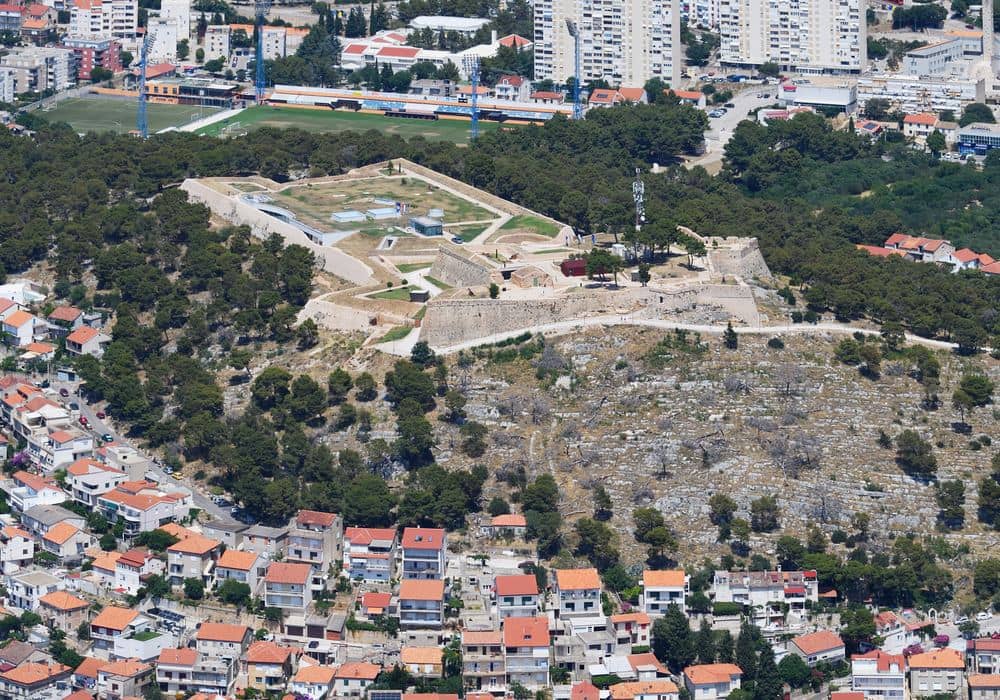
Šibenik
Šibenik is the oldest native Croatian town on the coast, founded by kings rather than Greeks or Romans, and its masterpiece reflects that self-made streak: the cathedral of St James, built 1431 to 1536 entirely of stone slabs without a single beam or brick, wears a frieze of 71 carved citizen heads and holds a UNESCO listing. Two restored fortresses, St Michael and Barone, stage summer concerts above the roofs.
Vodice
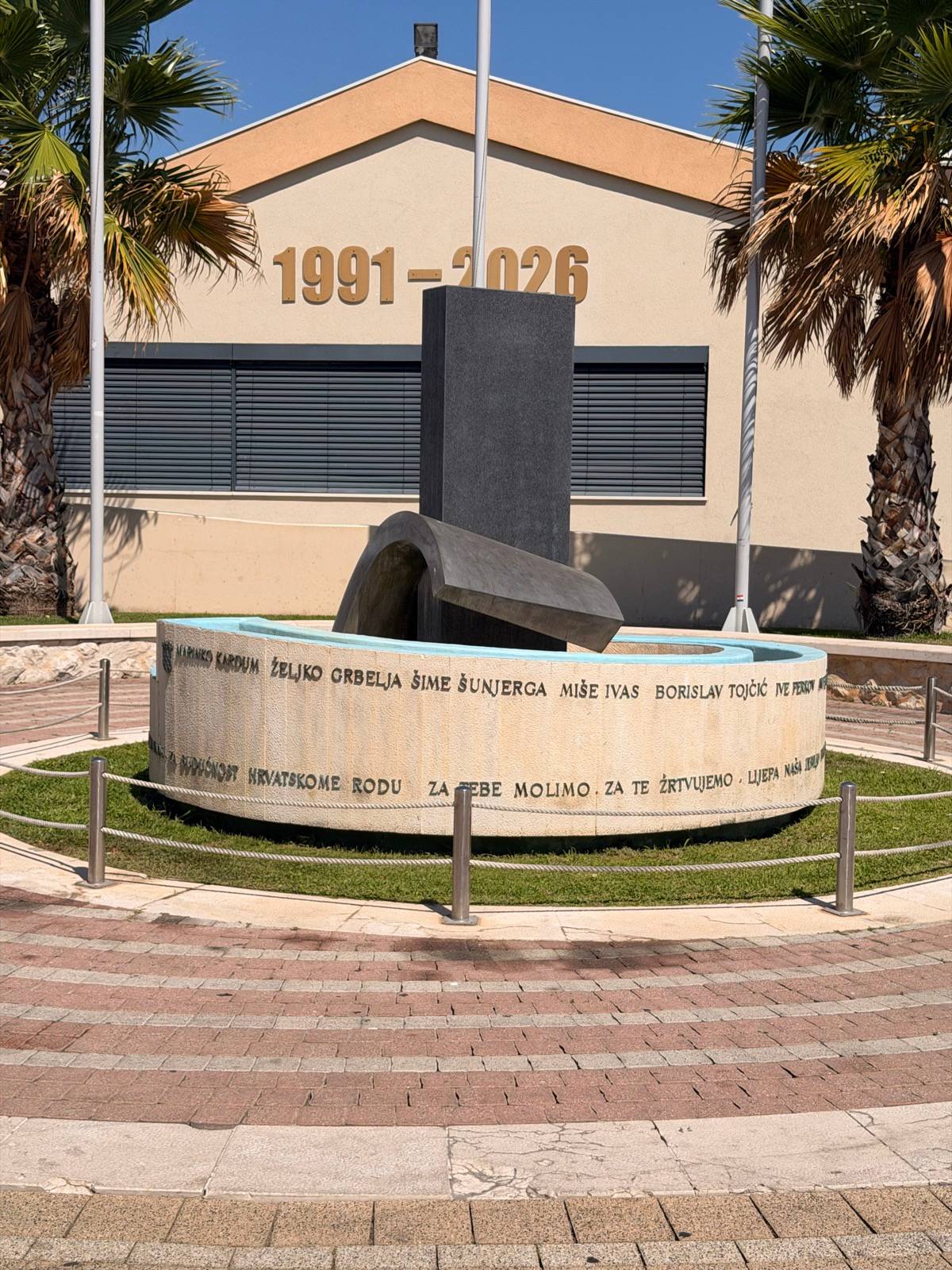
Vodice is the honest beach town of the Šibenik riviera: a harbour village that grew into a resort and never pretended otherwise, with a long promenade of cafes, family pebble beaches on both sides of the marina and a summer evening scene that fills the waterfront without needing a festival. The name comes from the freshwater springs that once supplied ships.
Korčula
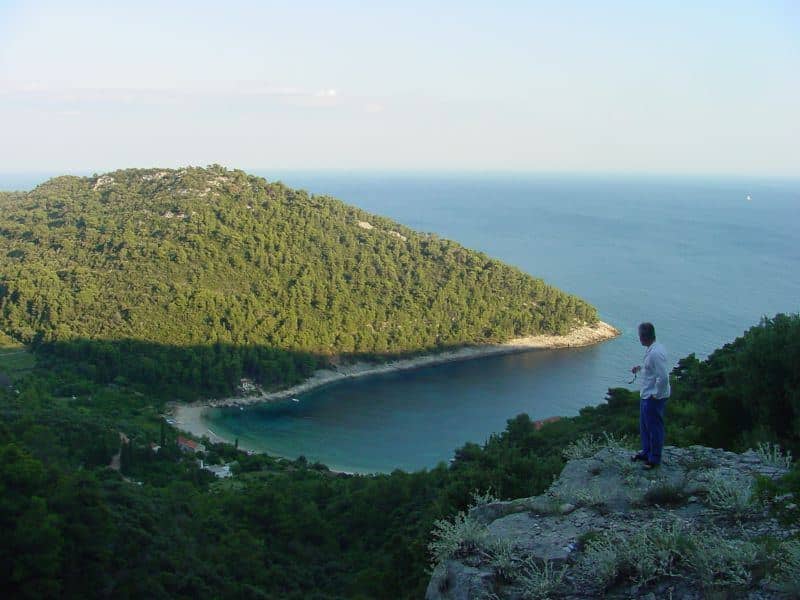
Korčula town is a fishbone of stone lanes on a fortified oval, designed so the west side catches the maestral breeze while the east stays sheltered from the bura, medieval urban planning at its most practical. The town claims Marco Polo as its son, and whatever the historians say, the Venetian look of the place argues the case.
Plitvice Lakes
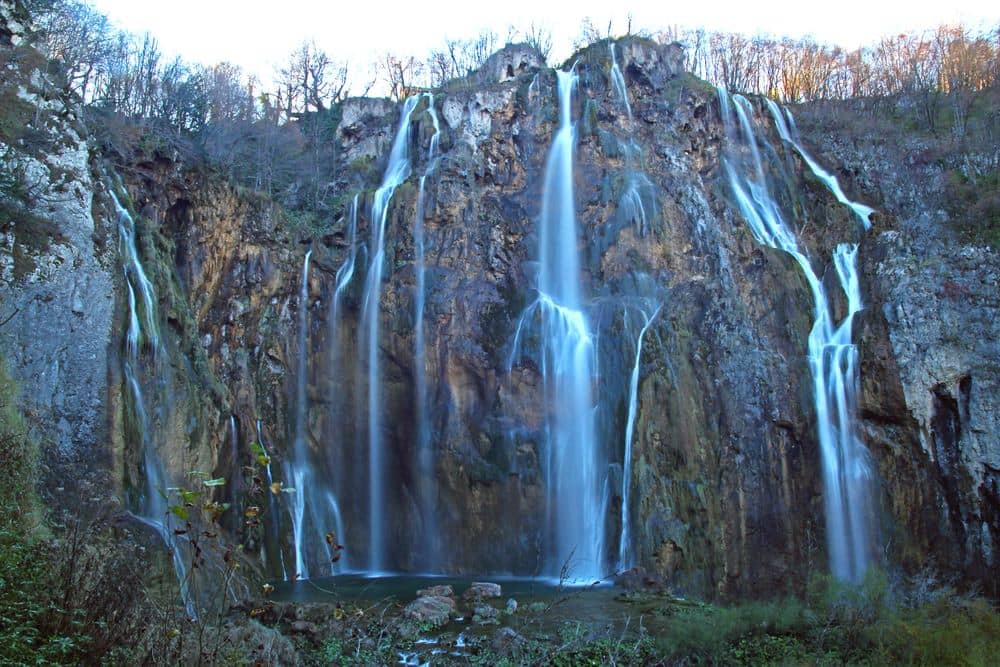
The Plitvice Lakes are sixteen terraced lakes joined by waterfalls, the water so saturated with dissolved limestone that it keeps building the very barriers it pours over: the travertine grows a centimetre a year, which means the landscape is literally under construction. Croatia's oldest national park, UNESCO-listed since 1979, threads it all with kilometres of plank paths just above the water.
Opatija
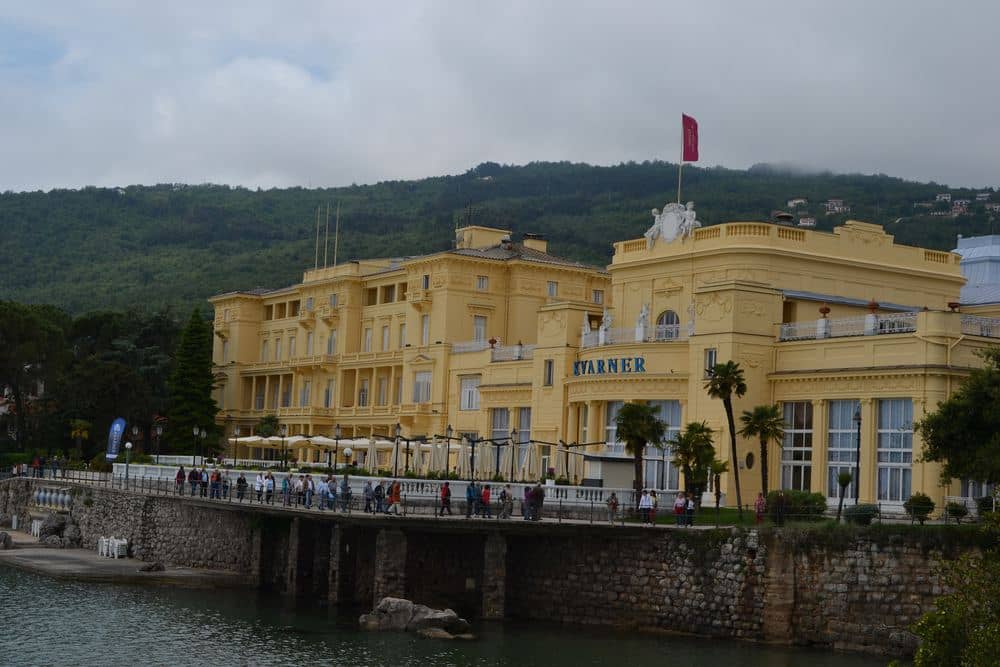
Opatija is the town the Habsburg empire invented for winter. Until 1844 it was a fishing village beside the Benedictine abbey of St James, which gave it its name; then the Rijeka merchant Iginio Scarpa built Villa Angiolina, named it after his late wife and planted a park around it with plants from the whole empire.
Motovun
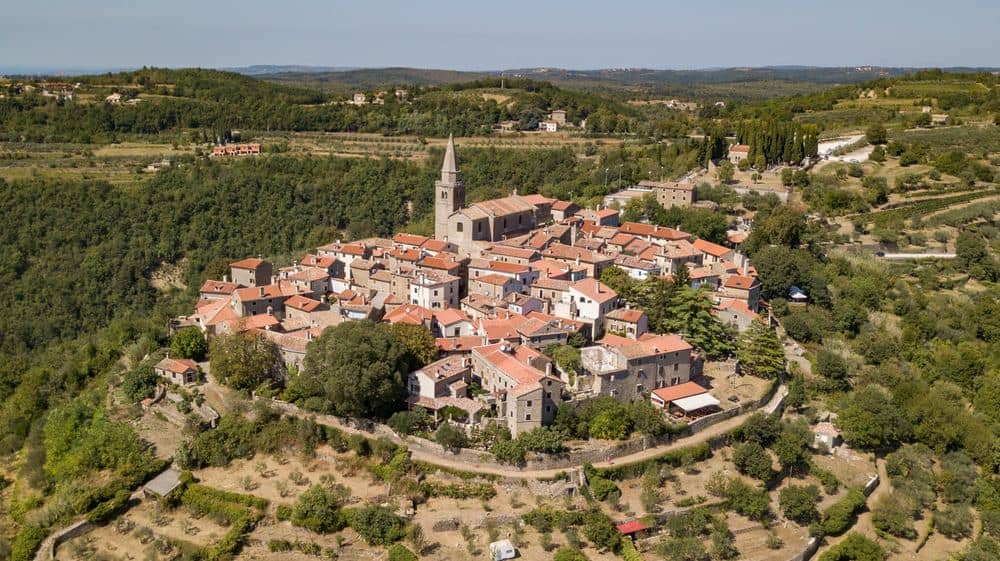
Motovun is the hill town that stands for all of inland Istria: a walled acropolis of stone above the Mirna valley, reached by a steep lane and 1,052 steps if you take them all, with a rampart walk that surveys vineyards in every direction. Below it grows the Motovun forest, home of the white and black truffles that built the region's kitchen.
Vis
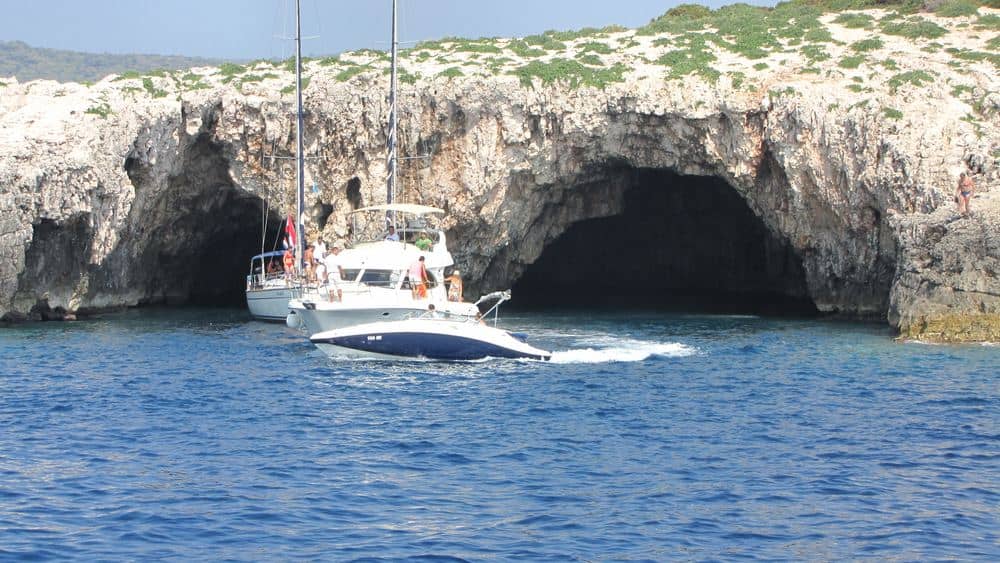
Vis is the far island, the last stop before open sea, and its twentieth century explains its charm: a Yugoslav military zone closed to foreigners until 1989, it missed the hotel boom entirely and kept its two stone towns, Vis and Komiža, its vineyards and its slow rhythm. The film Mamma Mia 2 found its untouched Greece here, which says everything.
Omiš
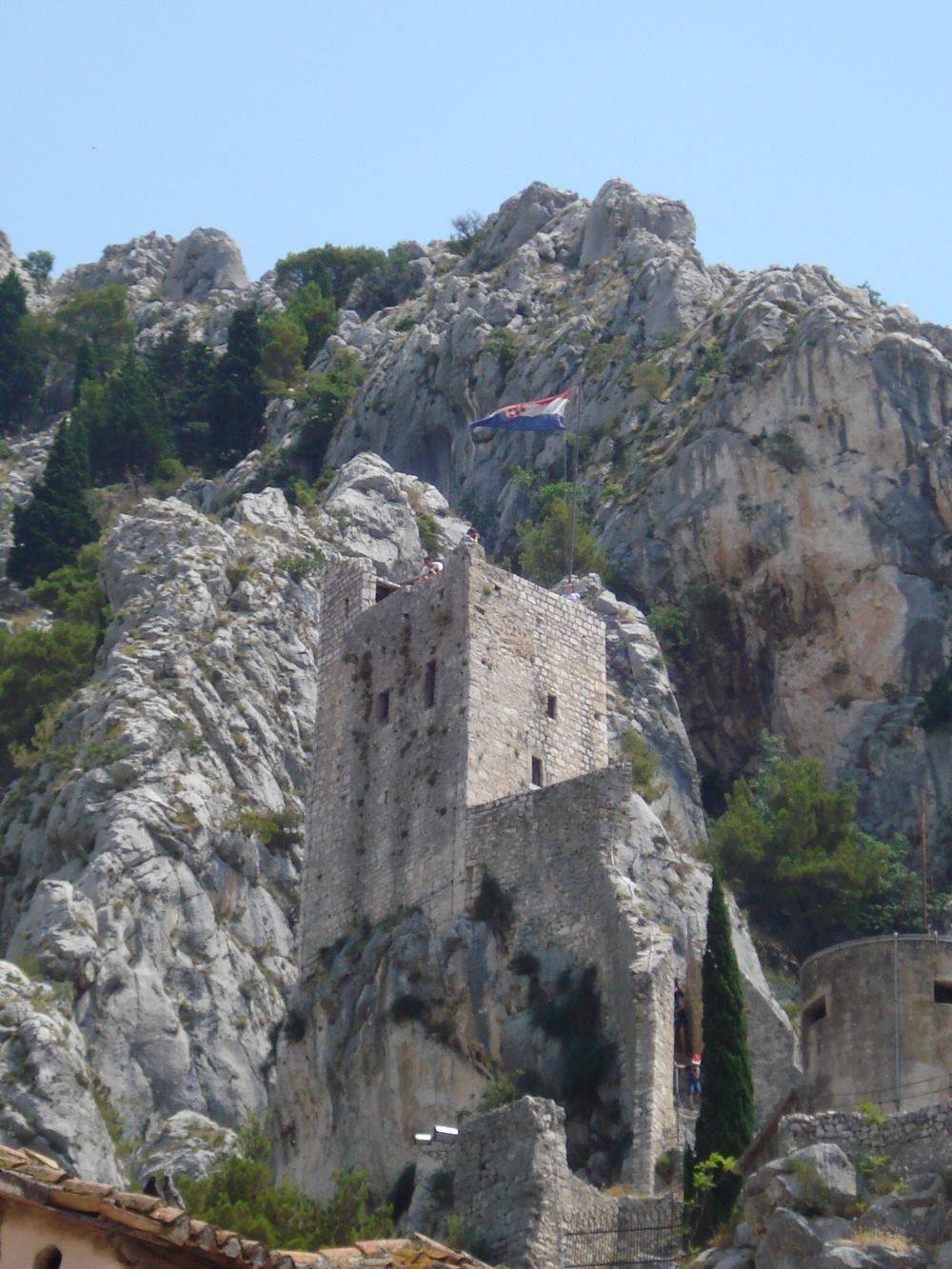
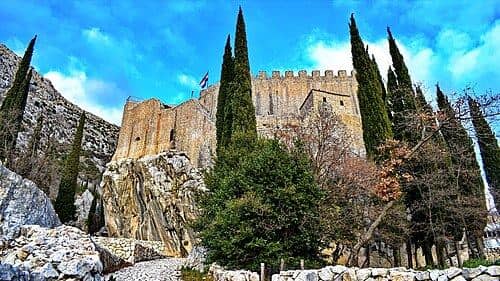
Omiš sits where the Cetina river cuts through the coastal mountains to the sea, and the town has always lived off that gorge: first as the lair of pirates who retreated upriver where galleys could not follow, today as the adrenaline capital of the Split region. Two fortresses, Mirabela above the roofs and Starigrad high on the cliff, remain from the pirate centuries.
Cavtat
Cavtat curls around two wooded peninsulas at the southern end of the Dubrovnik riviera, a harbour promenade of palms and cafes with none of the crush twenty minutes up the coast. The town stands on Greek and Roman Epidaurum, and its two walks, around Rat and Sustjepan, count among the gentlest on this coast. On the cemetery hill, the Račić mausoleum by Ivan Meštrović is the quiet masterpiece.
Poreč
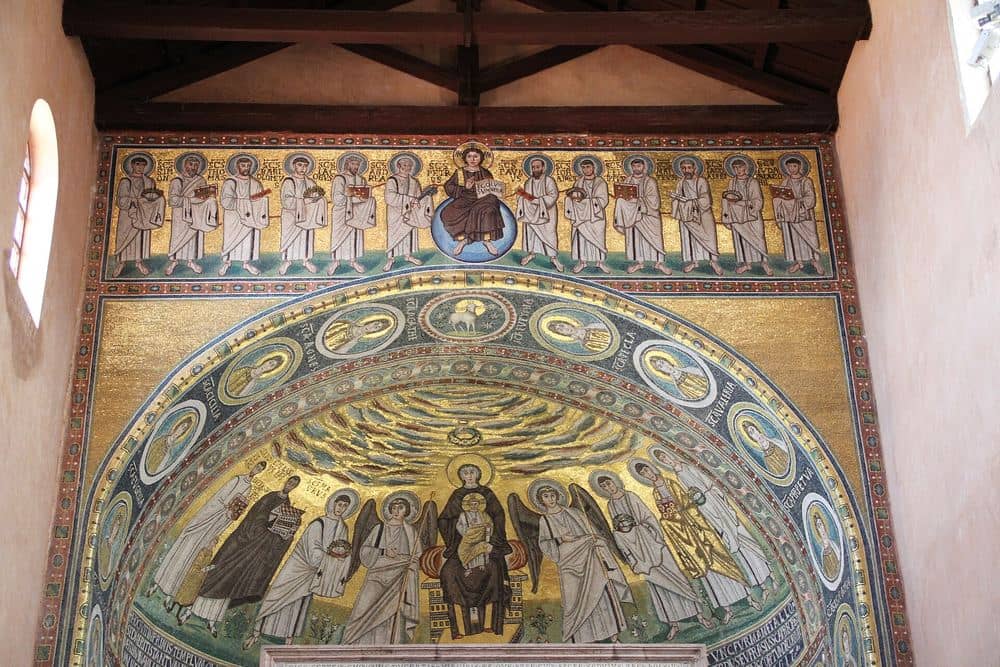
Poreč has kept its Roman street plan for two thousand years: the Decumanus still runs the length of the old-town peninsula, and just off it stands the reason the town is on the UNESCO list, the sixth-century Euphrasian Basilica, whose golden Byzantine mosaics rank with Ravenna's. Around this core, Poreč is western Istria's most complete resort machine, with the Plava and Zelena Laguna zones stretching south.
Karlovac
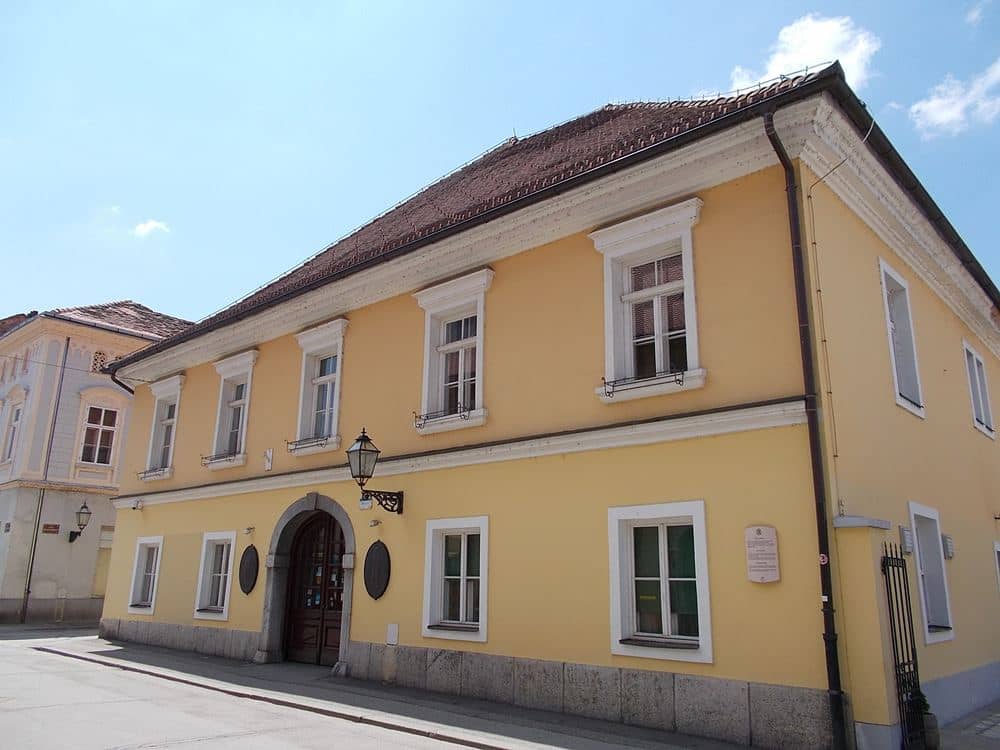
Karlovac was born as a fortress: founded in 1579 as a six-pointed Renaissance star against Ottoman advance, and the star is still there, drawn by the moat-parks around the grid of the old core. The town's second identity is water, four rivers meet here, and the Korana runs clean enough for the town beach in summer.
Umag
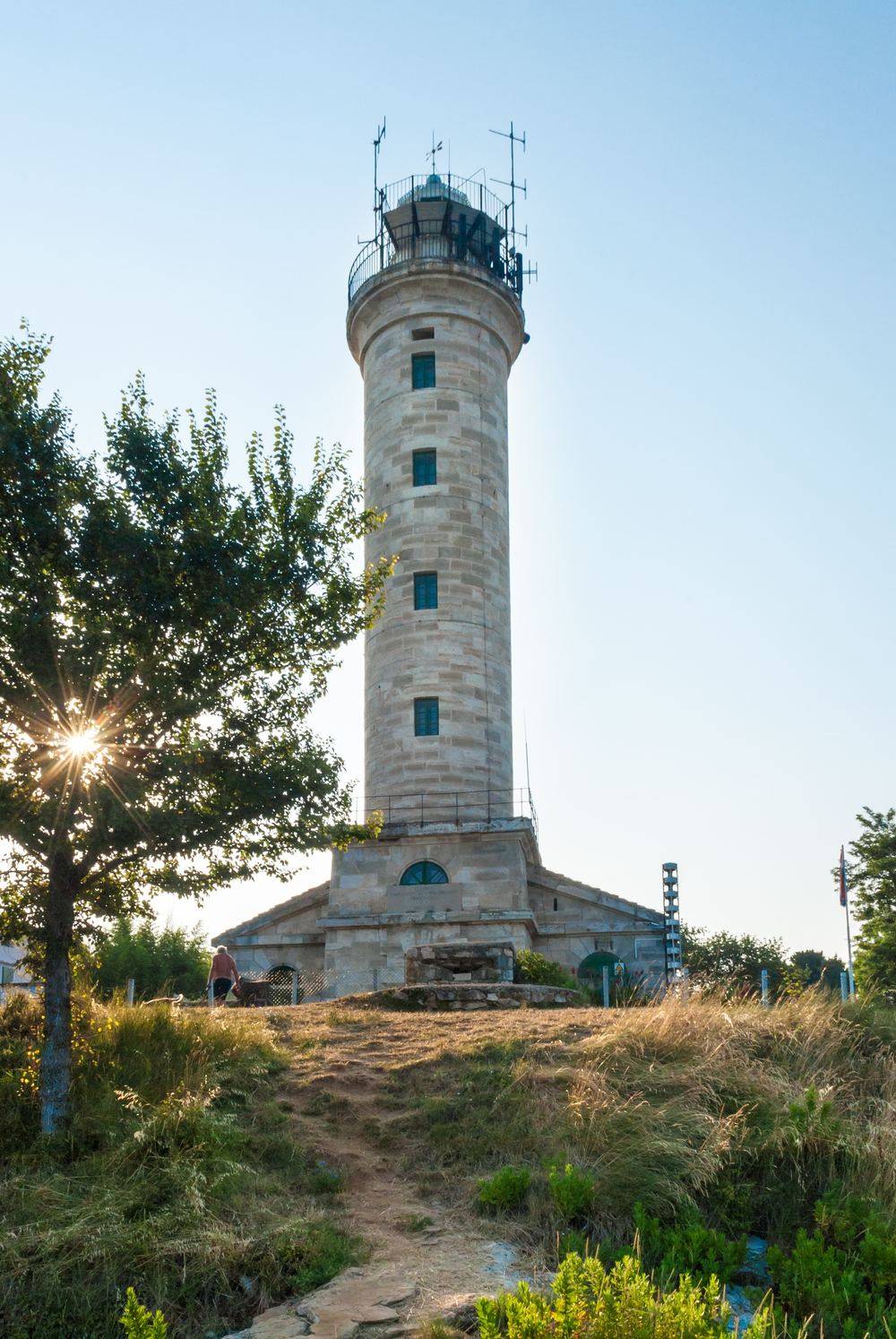
Umag is Croatia's front door from the west, the first town past the Slovenian border, and it plays the role well: a small Venetian old town on a harbour peninsula, a long ribbon of resort coast, and the country's biggest tennis moment, the ATP tournament that has filled July evenings here since 1990. Sports infrastructure is the town's quiet speciality, from the stadium complex to sea-front training grounds.
Medulin
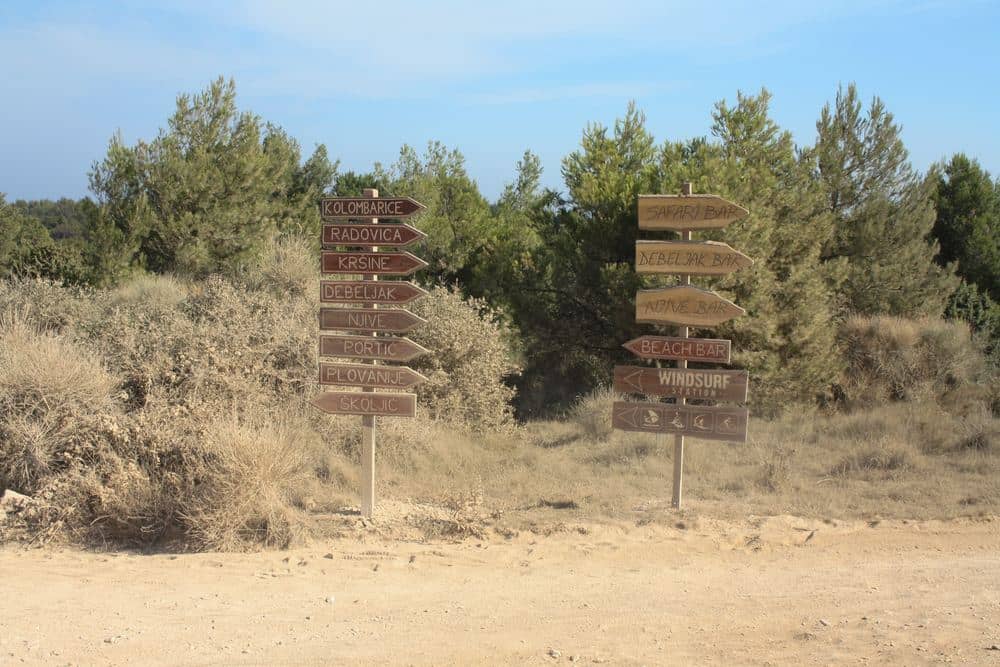
Medulin closes Istria in the south: a fishing village grown into a family resort around a shallow, island-dotted bay, with one of the peninsula's rare sandy stretches at Bijeca beach. The promenade runs the whole bay, and football pitches and training camps have made the town a spring habit for clubs from half of Europe.
Varaždin
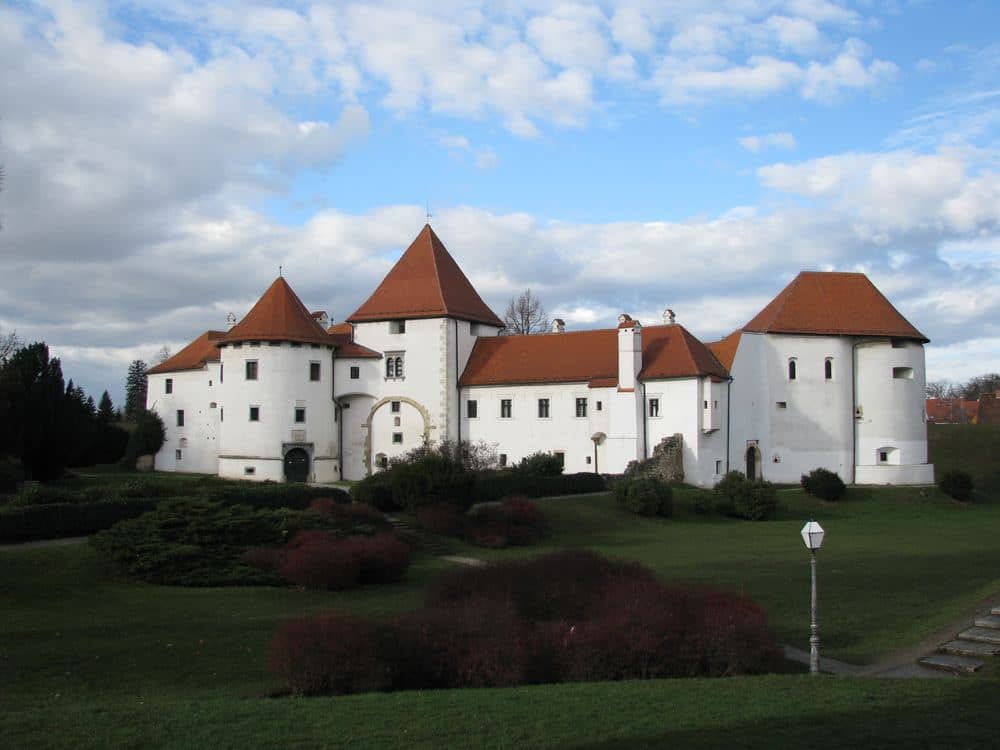
Varaždin is Croatia's baroque parlour: for a decade in the 18th century it was the capital, until the 1776 fire sent the government back to Zagreb, and the palaces, churches and the moated white Stari grad castle from that golden age still make up the walkable core. The town cemetery, clipped into green architecture a century ago, is a sight in its own right.
Krk
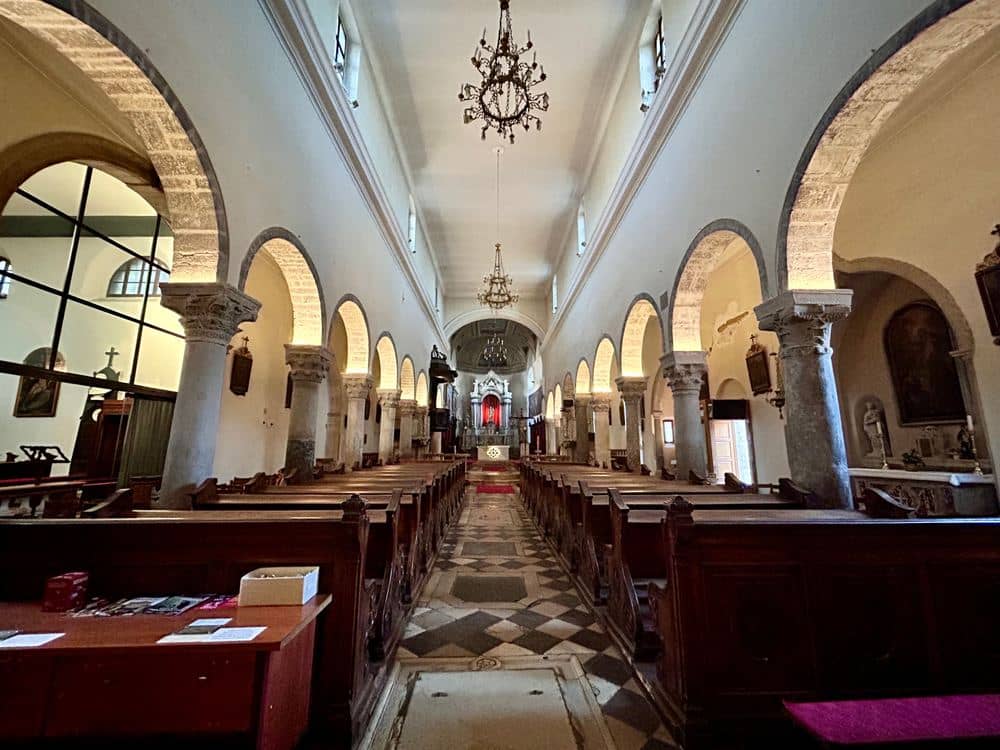
Krk town gives its name to the island that the ancients simply called golden, and both work as the easy option: the island has been wired to the mainland by bridge since 1980, and the town keeps a compact walled core of Roman and Frankopan layers around the cathedral. Vrbnik across the island grows Žlahtina wine on its cliff; Baška holds the famous long pebble bay in the south.
Nin
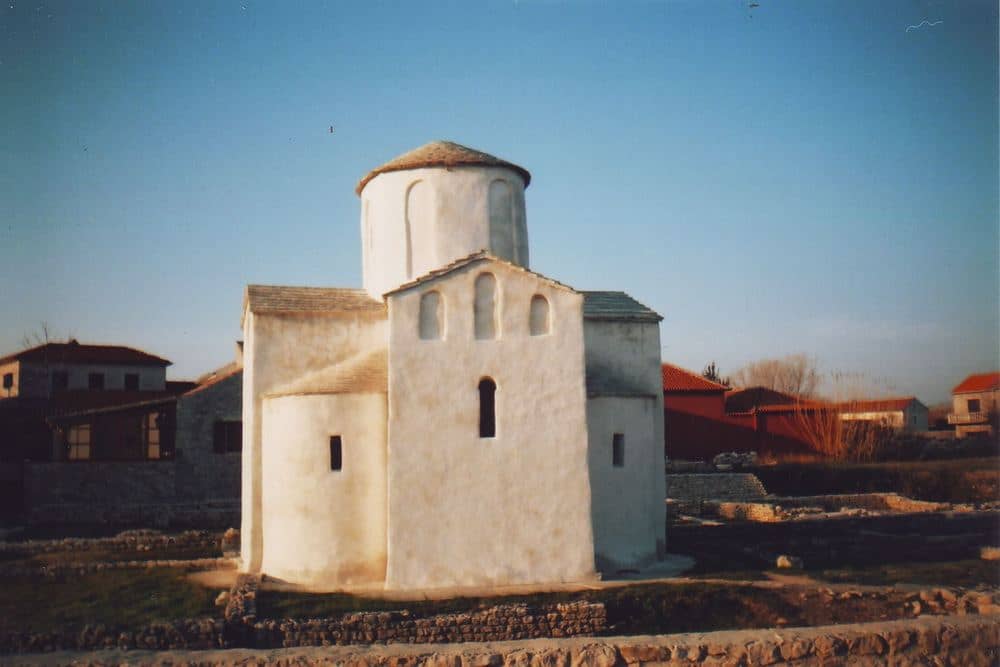
Nin is Croatia condensed to miniature: the first royal town of the medieval Croatian state sits on a tiny island in a lagoon, joined to land by two stone bridges, with the ninth-century Church of the Holy Cross, fondly called the world's smallest cathedral, alone on its lawn. Salt pans still harvest the lagoon the Roman way.
Rab
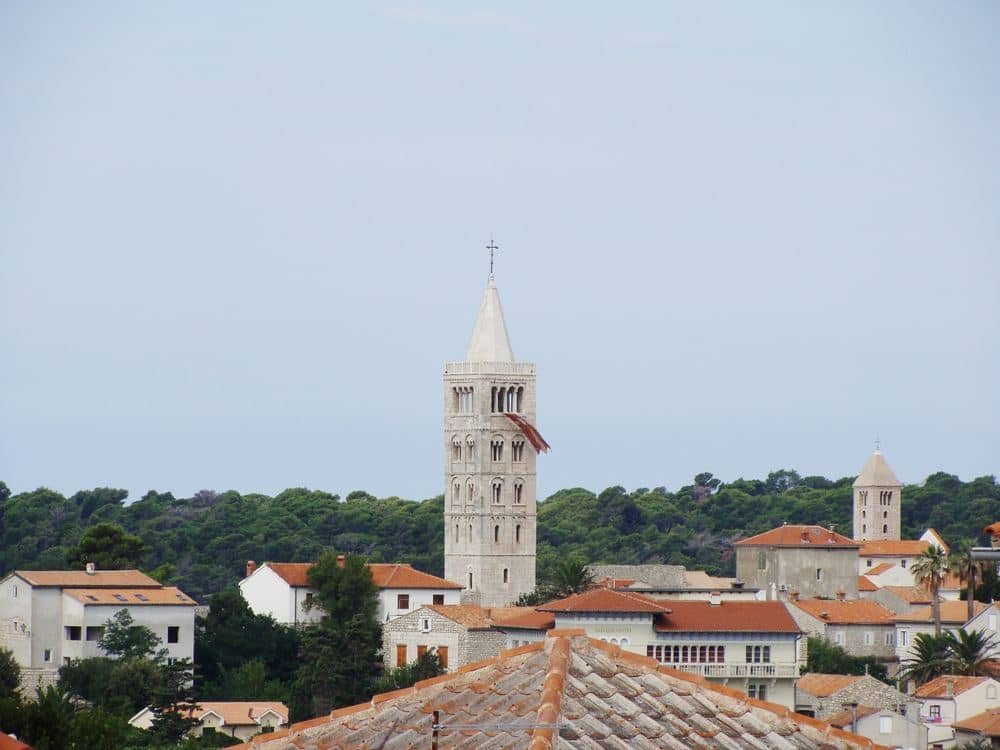
Rab town announces itself with four bell towers in a row on a narrow peninsula, the skyline that has stood for its island since the Middle Ages. Three parallel streets, Lower, Middle and Upper, thread the stone core past palaces and the park forest of Komrčar. In late July the Rapska fjera turns the whole town into a medieval crafts festival with crossbowmen.
Novalja
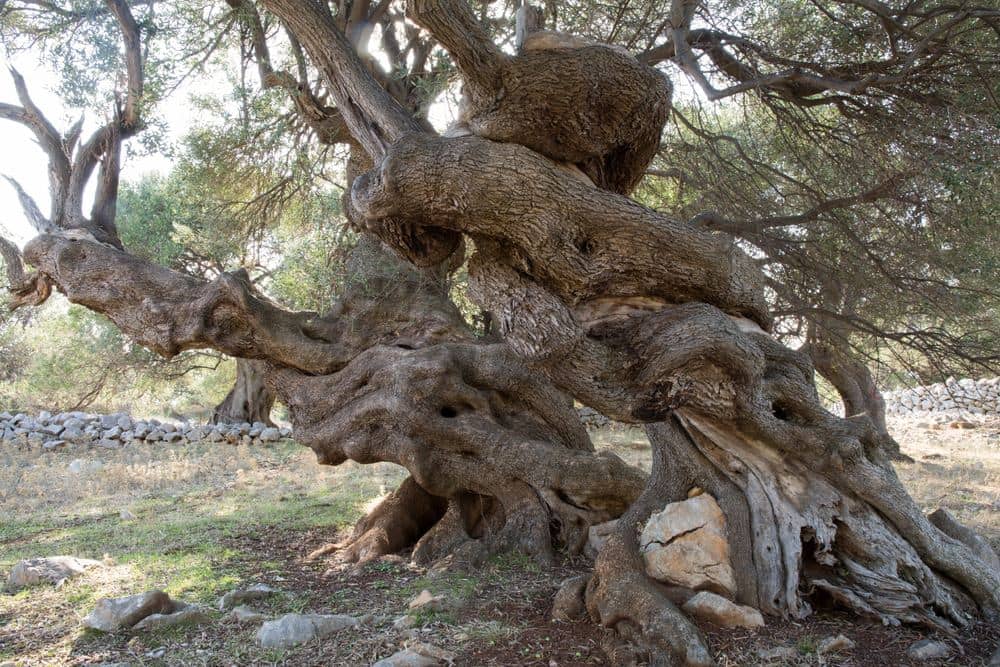
Novalja lives a double life. By day it is a Pag-island harbour town with pebble bays and the moonscape hinterland the island is famous for; by night, in July, its Zrće beach two kilometres away runs Croatia's biggest open-air club strip. The two worlds barely touch: families on the town side rarely notice the festival crowd, who sleep till noon anyway.
Primošten
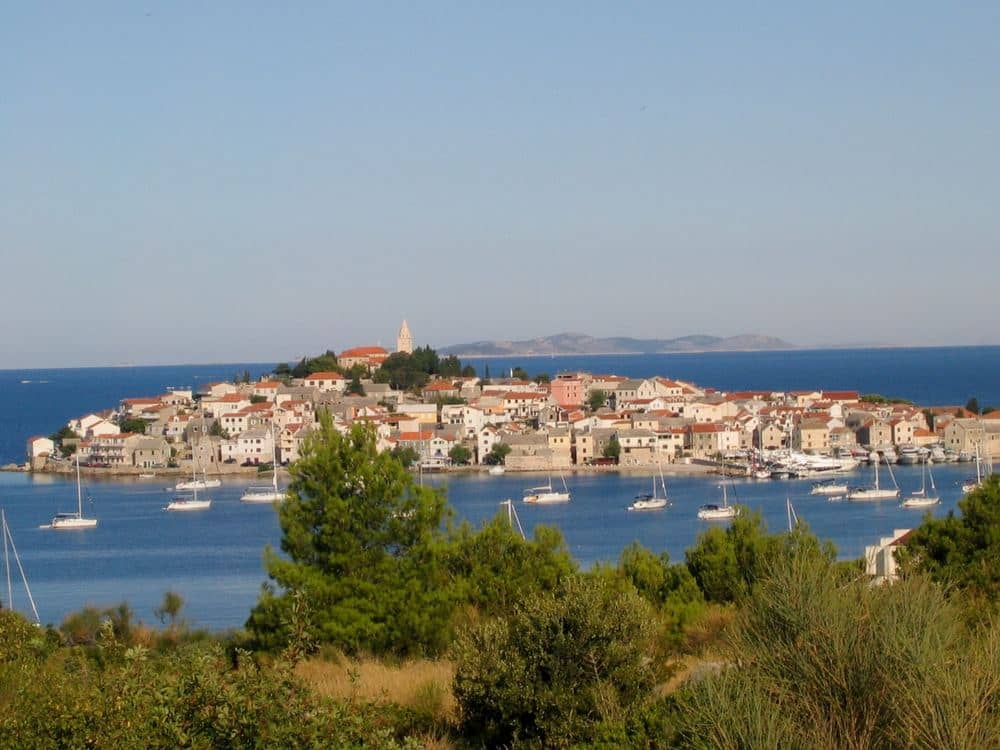
Primošten is the postcard that turns out to be real: an old town cone on a former islet, joined to the coast by a causeway in the 16th century, ringed by a promenade and crowned by the church of St George. Across the bay, the Raduča pines shade the main beaches.
Brela
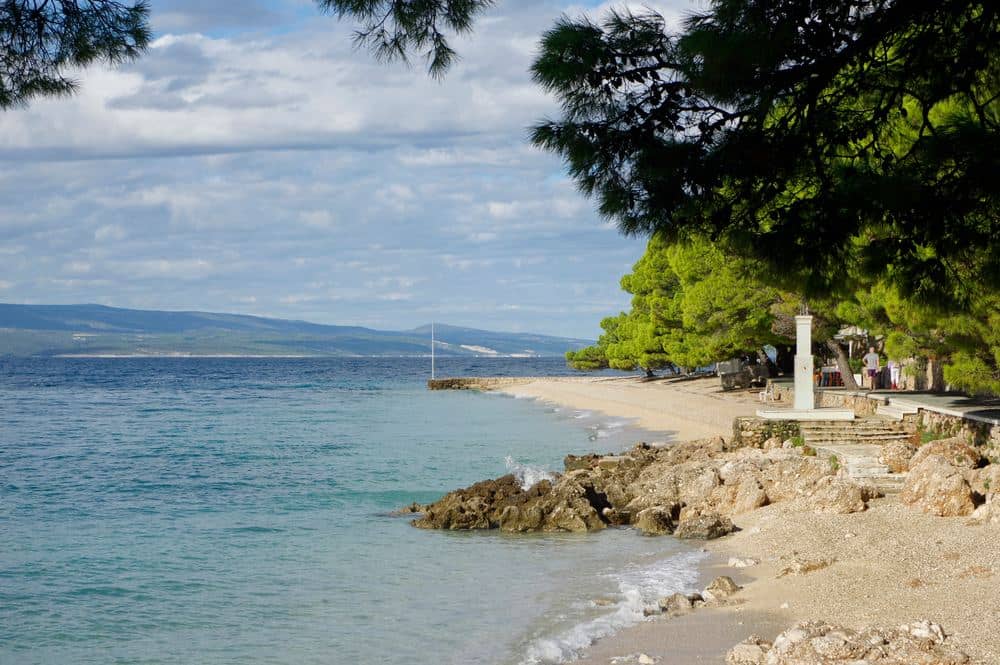
Brela opens the Makarska Riviera from the north, and it holds the riviera's crown jewel: the Punta Rata beach, white pebbles under a canopy of pines, with the lone Brela Stone standing offshore as one of Dalmatia's most photographed rocks. A shaded shoreline path links cove after cove for six kilometres.
Ravni
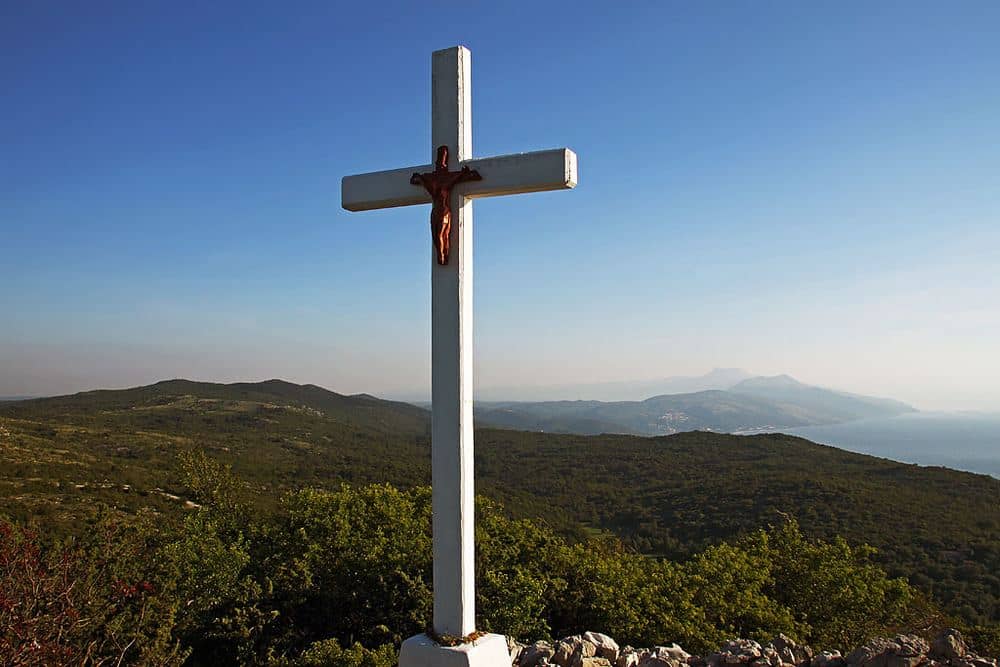
Ravni is one of the smallest places on the Croatian coast with its own page in this atlas: 64 residents, one road, one shop and four hundred metres of beach on Istria's east coast, looking across the Kvarner to Cres.