Skip to content
All cities

Pula. Things to do, map and hidden gems

47 curated places· 12 hidden gems
Pula
Photo: Olgierd Rudak / CC BY-SA 4.0

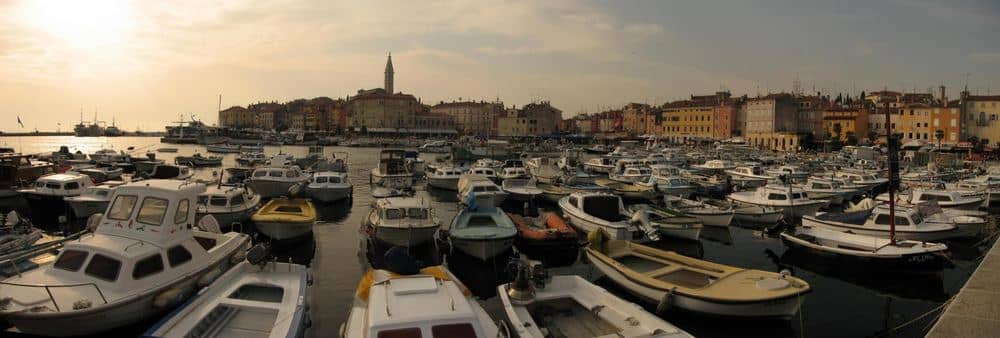
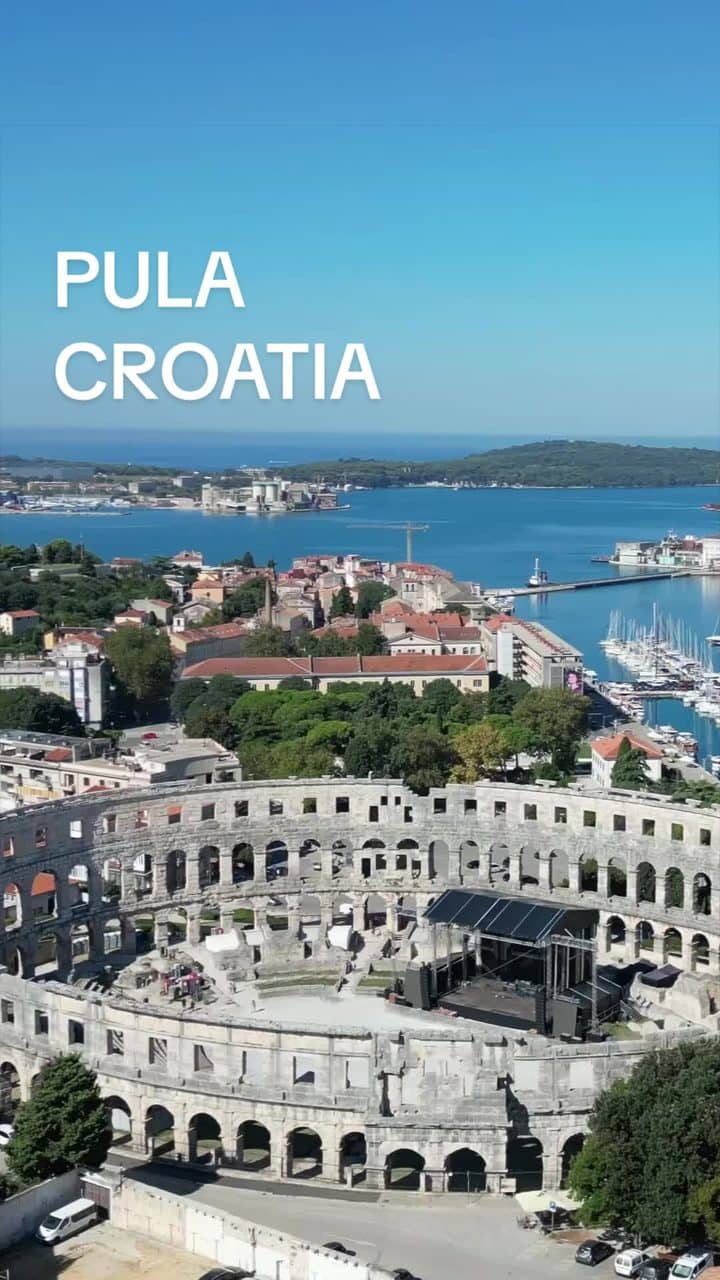
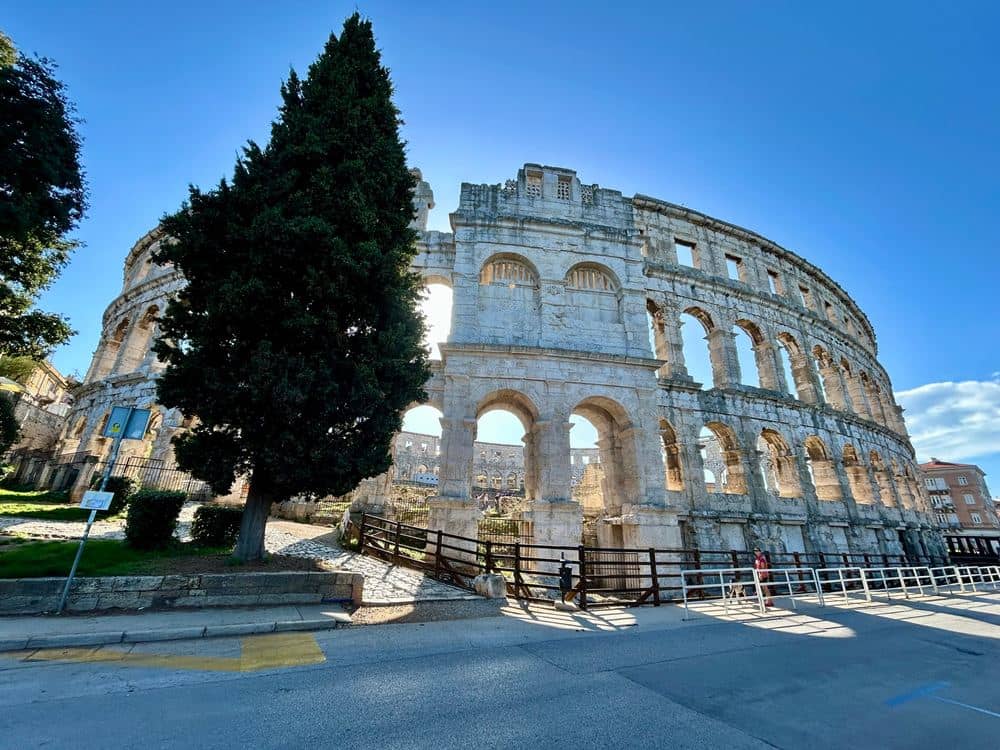
Pula is the working city of southern Istria, and that is exactly its appeal: the Roman amphitheatre stands next to a living harbour, not inside a museum district. The first-century Arena is the only one in the world with all four side towers preserved, and ten minutes on foot take you past the Temple of Augustus, the forum and the Arch of the Sergii, all still in everyday use as squares and shortcuts.

The city is also the practical base for the south of the peninsula. The airport is six kilometres out, boats to the Brijuni national park leave from Fažana just up the road, and the beaches of the Verudela peninsula are a city bus ride away.

What to see in Pula: Rome at street level, Austria on the hills

The next 7 days

Weather data by Open-Meteo.com

Opening hours and prices

The places we keep opening hours and price levels for. Times change with the season, so treat the official page as the last word.

PlaceOpening hoursPriceOfficial page
Rt Kamenjak Cliff TrailAlways open; check access, weather, park rules and daylight before hiking.--

Climate month by month

Ten-year averages for Pula, so you can see what a month usually looks like rather than what this week happens to do.

MonthDay °CNight °CRain daysSea °C
January105913
February1161012
March138913
April1711915
May21151218
June2620722
July2922626
August2923626
September24181024
October20141120
November15101218
December1271015

Air 2015 to 2024, sea 2022 to 2024. A rain day is 1 mm or more. Data by Open-Meteo.com

Beaches in Pula

Hawaii Beach (Verudela)
Activity

Hawaii Beach (Verudela)

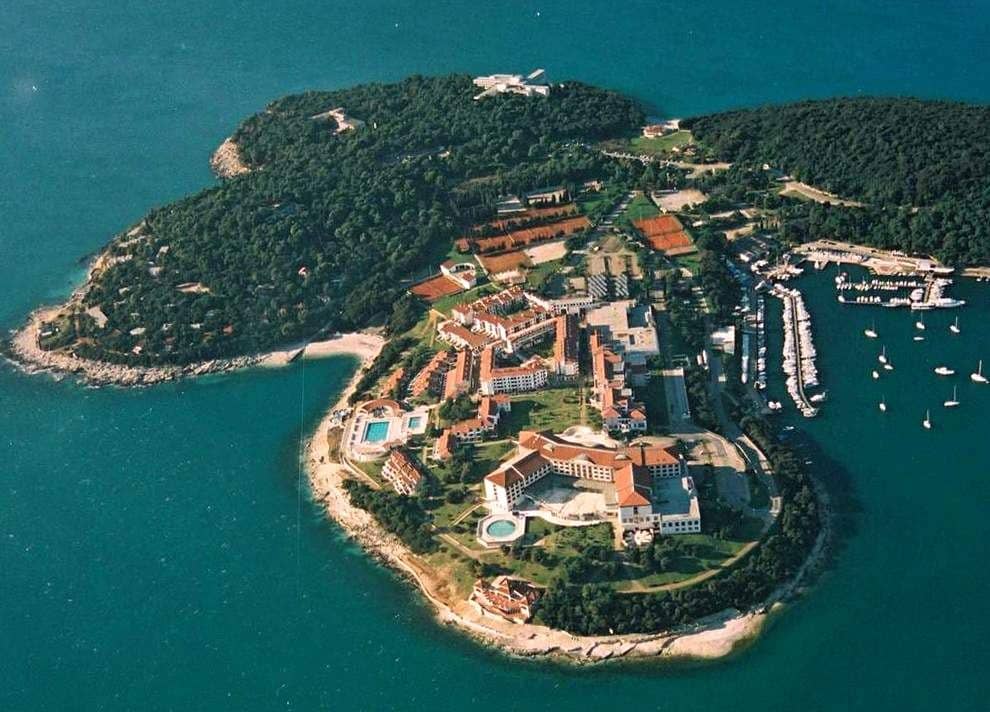
A turquoise cove below pine-clad cliffs on the Verudela peninsula.

Photo: Orlovic / CC BY-SA 3.0
Hawaii Beach (Verudela)
Activity

Hawaii Beach (Verudela)

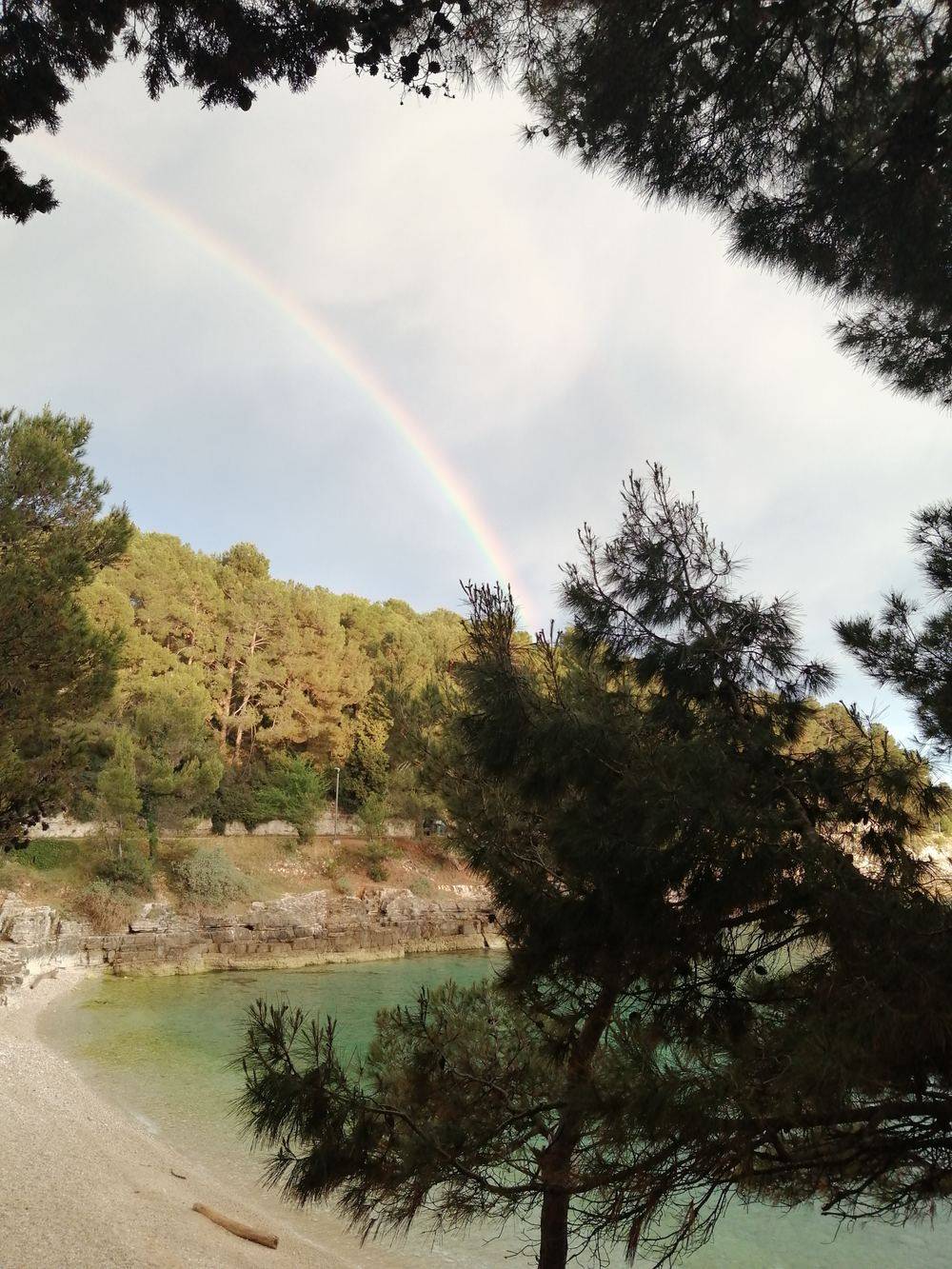
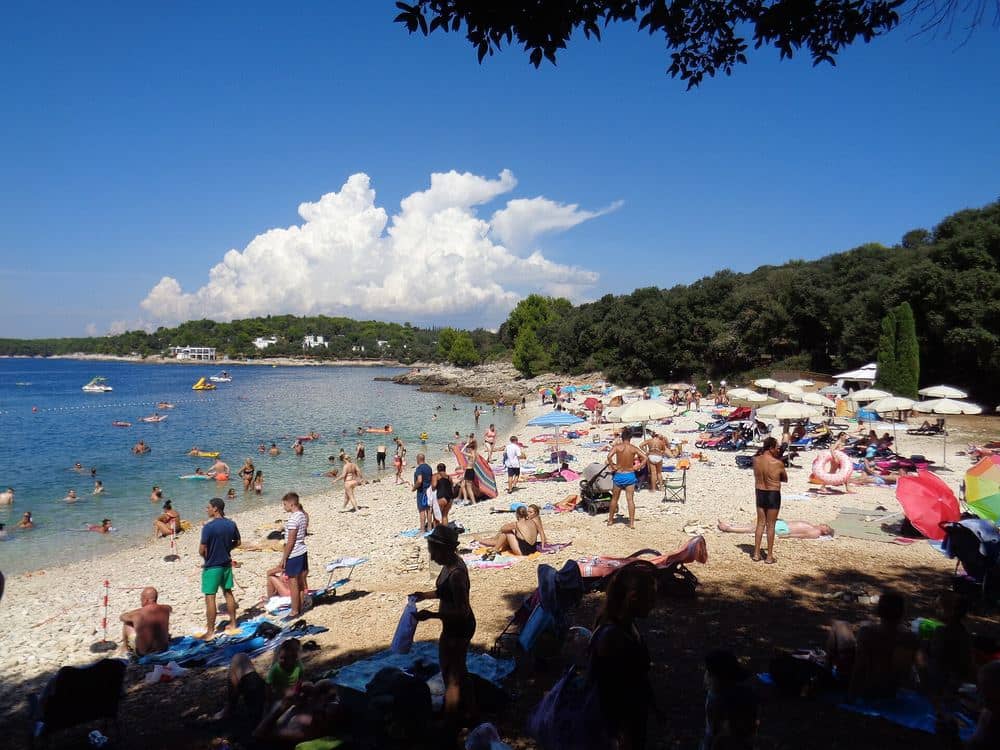
The Havajka, officially Hawaii, is a small cove on Verudela whose name is no exaggeration: the turquoise over white shingle here truly looks like a postcard of the Pacific, only with pines instead of palms. The beach lies beneath a cliff by the hotel cape, compact and quickly full, for beauty of such concentration fits into a hundred metres: fine shingle, sea that glows through the white bottom and a few rocks to jump from, from school heights to those that demand both courage and sense. The public is young and international, the rhythm summery: the morning belongs to families, the afternoon to jumpers and music from backpacks. The facilities are just enough: a shower, sunbed hire on part of the beach, a café on the rock above; bring everything else. The sea deepens fast, so the Havajka suits swimmers better than the youngest. One descends to the beach by steps from the Verudela promenade; come before ten or after five, for at peak time there is simply no room. For a frame worth sharing, climb the cliff above: from up there the turquoise shows all the shades that earned the cove its name.

Insider tip

Locals leap from the low cliffs on the Verudela side: bring water shoes for the rocks.

Photo: Orlovic / CC BY-SA 3.0

Ambrela Beach
Activity

Ambrela Beach

Pine-shaded family beach with a Blue Flag.

Photo: Silverije / CC BY-SA 4.0

Ambrela Beach
Activity

Ambrela Beach

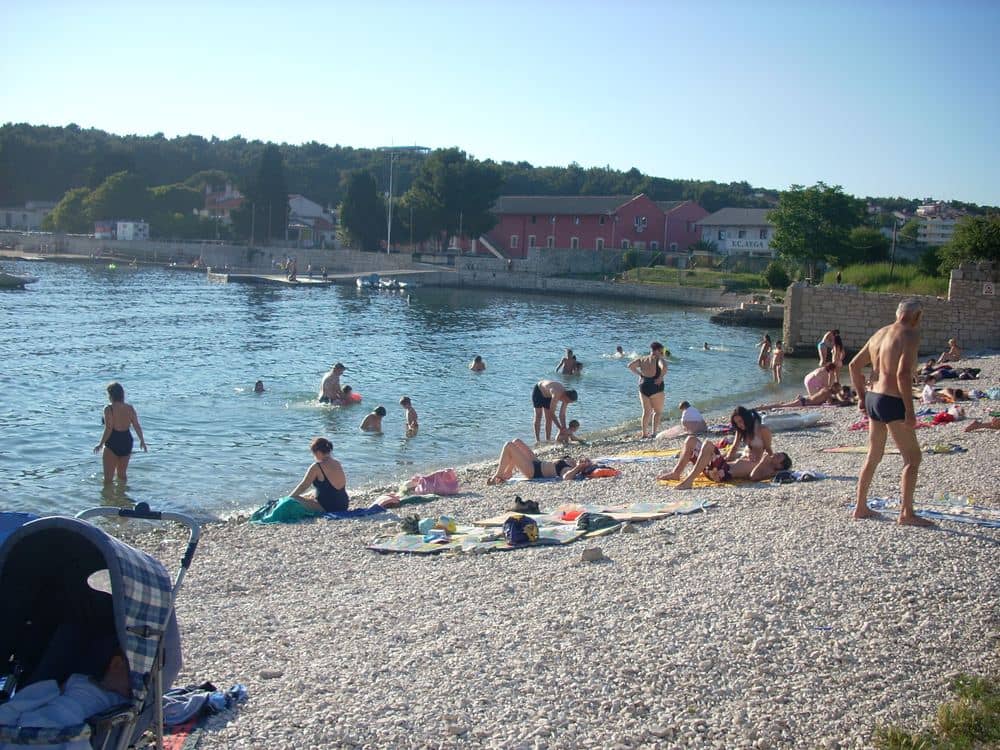
The Ambrela is Verudela's tidy postcard: a beach of fine shingle and sand at the entrance to the tourist peninsula, with a Blue Flag flying year after year as a guarantee that sea, safety and service are in place. The cove is gentle and shallow enough for families with small children to find their beach home here: the entry is mild, the bottom clean, and everything inside the buoys under the lifeguards' eye. Around the beach works a whole small service town: sunbeds and parasols, showers and cabins, cafés, pedal boats and SUPs for hire, which makes the Ambrela a beach where from morning to evening nothing needs carrying but a towel. In summer it is, of course, full, but spacious enough for the crowd to stay bearable; most room is before ten and after five. Shade is found under the pines at the rim, the first rows by the sea lie in the sun. If you set out from Verudela on a tour, the Ambrela is the natural start: from it the promenade leads toward the Havajka, the aquarium in the fortress and on around the cape. Simply put: if you seek a day without logistics, this is Pula's easiest beach.

Insider tip

Arrive before 10am in July to claim shade under the pines: the flat rocks fill up fast.

Photo: Silverije / CC BY-SA 4.0

Valkane Beach
Activity

Valkane Beach

Pula's hometown beach of pebbles and sun-warmed concrete.

Photo: Benediktv / CC BY 2.0

Valkane Beach
Activity

Valkane Beach

The Valkane is Pula's town beach in the best sense: a cove at the start of the Lungomare promenade, ten minutes from the centre, where those who live in Pula bathe, and not only those who visit it. The beach combines concrete sunning decks, stone slabs and shingle entries, with sea that despite the city's closeness is clean and lucid; the facilities are fully urban, showers, cabins, lifeguards in summer, a café and sports grounds at the back. The Valkane also has the feature it is known for more widely: an equipped access to the sea for people with disabilities, with ramps and a hoist, which makes this the most accessible beach of the city and an example of what the standard should be. From here the Lungomare leads for kilometres along the shore toward Stoja, past coves and pine groves: walk plus swim is Pula's best afternoon combination. The public is a mixture of pensioners with their morning ritual, families and exercisers; the rhythm is neighbourhood, the prices too. If you want to see how Pula lives when it takes off the tourist uniform, come to the Valkane at seven in the evening, when half the town finds itself in the water.

Insider tip

The Lungomare coastal promenade starts right at the beach; the walk along the water towards Stoja is loveliest in the evening.

Photo: Benediktv / CC BY 2.0

Gortanova Uvala Beach
Activity

Gortanova Uvala Beach

A pebble cove beneath pines on Pula's coastal path.

Photo: Teknicoloreyes / CC BY-SA 4.0

Gortanova Uvala Beach
Activity

Gortanova Uvala Beach

The Gortan cove is the heart of Pula's Lungomare: a deeply cut cove halfway along the promenade between Valkane and Stoja, with stone slabs on one side and shingle on the other, ringed by pines that lower their shade almost to the sea. It bears the name of Vladimir Gortan, an Istrian anti-fascist executed in 1929, and his monument stands above the cove; Pula people call it simply Gortanova and treat it as a neighbourhood bathing spot, though it is not even half an hour's walk from the centre. The cove is a natural pool: sheltered from most winds, with calm sea that deepens gradually, so one side is held by families with children and the other by swimmers cutting their laps across the cove. One jumps from the surrounding rocks, cards and naps happen under the pines, and the only facilities are a shower and a café nearby: everything else is forest, stone and sea. The loveliest time is late afternoon, when the sun comes down low and the cove turns golden. If you have only one hour for a swim from the centre, the Lungomare to Gortanova and back is Pula's best formula.

Photo: Teknicoloreyes / CC BY-SA 4.0

Valsaline Beach
Activity

Valsaline Beach

A sheltered pebble bay with calm water and pine shade.

Photo: nikola_pu / CC BY-SA 3.0

Valsaline Beach
Activity

Valsaline Beach

The Valsaline is the cove where Veruda shows its calmer face: a shingle bathing spot at the entrance of the Veruda channel, sheltered from the open sea, so the water here is often smooth even when the maestral works outside. The beach is beloved among local families for its gentle entry and shallows, and among the sporty for two things: from Valsaline the walkway sets off around the channel toward the marina, and a diving centre works in the cove, so from the towel one often watches groups with tanks vanish toward the depths. The facilities cover the basics, a shower, a café, sunbeds on part of the beach; the rest is under pines that grow here almost out of the shingle. The sea is clean and calm, the depth grows slowly, so the cove is good for first swimming strokes too. The Valsaline is the best choice when you seek bathing without drama: no waves, no music, no spectacle, only a reliable cove doing its job. One reaches it by city bus toward Veruda or by bicycle; combine it with a walk to the marina, where the masts make Pula's loveliest forest.

Insider tip

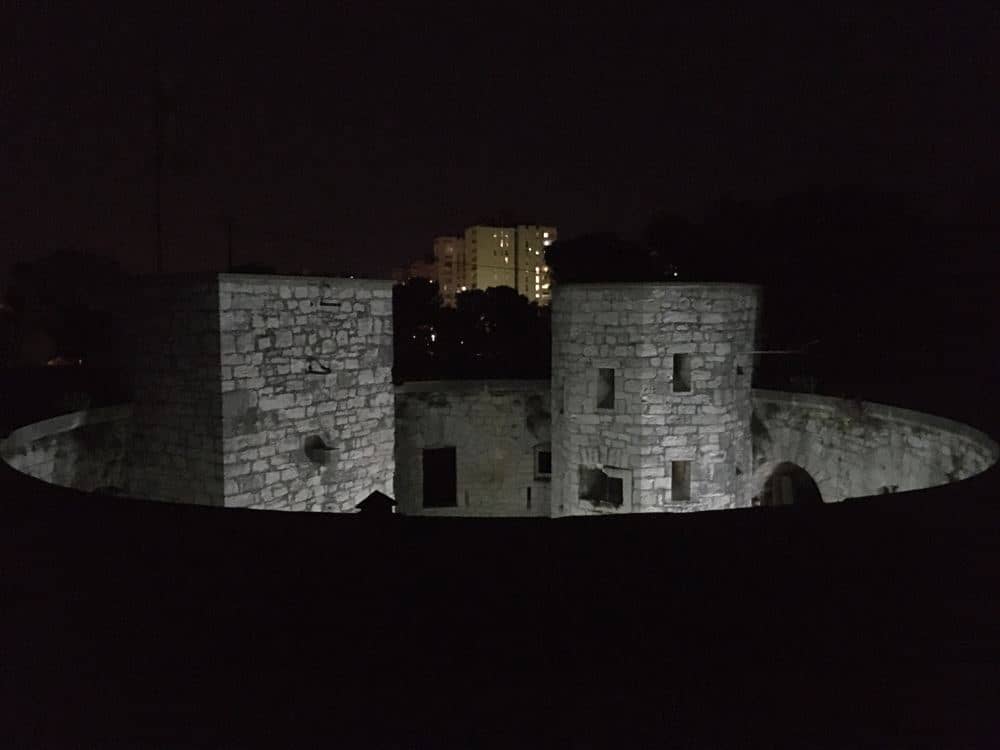
In the woods above the bay waits the round Habsburg-era Fort Bourguignon; the short climb makes a good break from swimming.

Photo: nikola_pu / CC BY-SA 3.0

Saccorgiana Beach
Activity

Saccorgiana Beach

Pine-fringed pebble cove with clear water on Verudela.

Photo: No machine-readable author provided. Orlovic assumed (based on copyright claims). / CC BY 2.5

Saccorgiana Beach
Activity

Saccorgiana Beach

The Saccorgiana is Verudela's quieter side: a cove on the peninsula's eastern flank, turned toward the Veruda channel, where stone slabs and smaller shingle pockets replace the groomed beaches of the western side. One comes here when the Ambrela and the Havajka boil over: the public is thinner, the rhythm slower, and the sea just as clean, with a view of the masts sliding out of the marina into the channel. The entries are over slabs and ladders, the bottom gains depth quickly, so the cove is dearer to swimmers and divers with masks than to the youngest; for children the shingle pockets near the cove's head are better. Of facilities: an occasional café in season and a shower, the rest you bring yourself, which is part of the deal with this side of the peninsula. Shade comes from the pines on the rim, in the afternoon the sun crosses over the land from the west, so the cove falls into shadow earlier, pleasant in July. The Saccorgiana is the choice for a day when you want Verudela without its bustle: the same peninsula, the same turquoise, half the people. Bring water shoes and a mask: the seabed along the slabs ranks among the liveliest at the city's beaches.

Photo: No machine-readable author provided. Orlovic assumed (based on copyright claims). / CC BY 2.5

Plan your visit

Pula in a nutshell

47 places, 4 routes.

What is actually worth your time in Pula?

Start with Pula Arena, Brijuni National Park, and Zerostrasse. After that it depends on what you enjoy: the guide holds 47 places in Pula, sorted into sights, activities, food and shopping, so you can skip whole categories that bore you.

Pula ArenaPula Arena

How do you get away from the crowds in Pula?

Follow the hidden gems: 12 places that rarely make the guidebooks, most of them a few streets off the main drag. Pula Arena, Brijuni National Park, and Zerostrasse are good ones to start with.

Brijuni National ParkBrijuni National Park

No time to plan? Just follow a route.

Pick one of Roman Pula, Hidden Pula, Istrian Table & Sea, and Pula's Ring of Forts. Each walk runs stop by stop in a fixed order, so the only decision left is where to have lunch.

ZerostrasseZerostrasse
Our tips

What we would do around Pula

Day trips within reach of Pula, plus the routes and quiet corners our editors keep coming back to.

Pula itineraries

  • 8 stops

    Roman Pula

    Walk the 2,000-year-old core

    1. Pula Arena
    2. Temple of Augustus
    3. Roman Forum
    4. Arch of the Sergii
    5. Twin Gates
    6. Cathedral of the Assumption
    7. Gate of Hercules
    8. Roman Floor Mosaic
  • 3 stops

    Hidden Pula

    Tunnels, fortress and glowing cranes

    1. Kaštel Fortress
    2. Zerostrasse
    3. Lighting Giants
  • 4 stops

    Istrian Table & Sea

    Market finds and a turquoise cove

    1. Hawaii Beach (Verudela)
    2. Ambrela Beach
    3. Pula Aquarium
    4. Brijuni National Park
  • 8 stops

    Pula's Ring of Forts

    Discover the Austro-Hungarian forts around the war harbour

    1. Fort Bourguignon
    2. Fort Punta Christo
    3. Fort San Giorgio
    4. Fort Monvidal
    5. Fort Casoni Vecchi
    6. Fort Stoja
    7. Utvrda San Michele
    8. Battery San Giovanni

Hidden gems in Pula

Pula Arena
Legendary
Sight

Pula Arena

One of the world's best-preserved Roman amphitheatres.

Photo: Olgierd Rudak / CC BY-SA 4.0

Pula Arena
Sight Legendary

Pula Arena

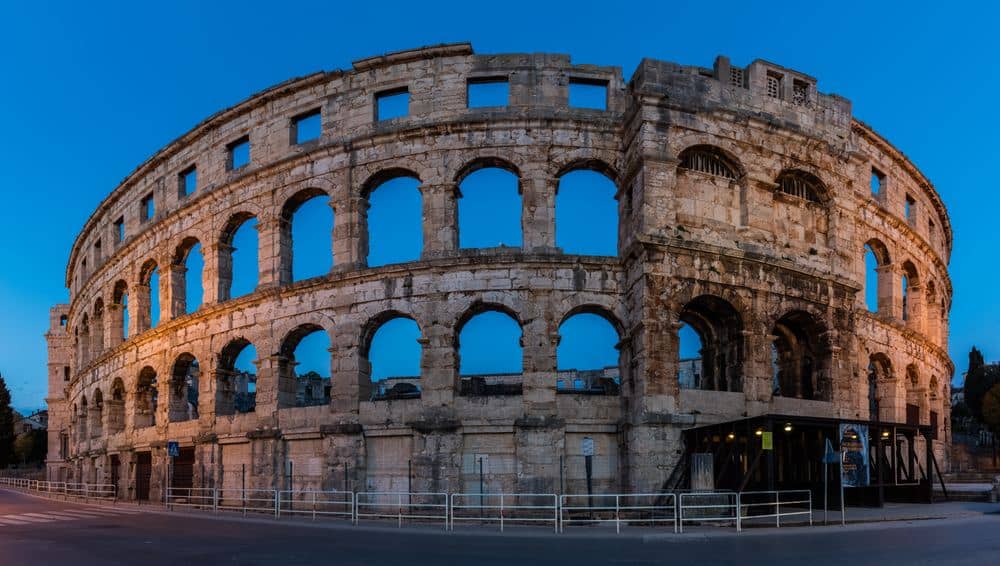
The Arena is Pula and Pula is the Arena: an amphitheatre of the first century, built from Augustus to Vespasian, which ranks among the six largest preserved Roman amphitheatres of the world, and by the preservation of its outer shell at the very top. The ellipse of white Istrian stone received some twenty thousand spectators for the gladiators' games; all four stair towers and all three orders of architecture stand to this day, so up close the Arena reads less like a ruin and more like a stadium awaiting tonight's programme. And it truly does: in summer the Arena hosts song, music and films, with a stage under the starry sky that world names compete for, and every July since 1954 it has held the Pula Film Festival, Croatia's oldest. In the underground corridors, through which beasts and fighters once reached the scene, today stands a permanent exhibition on the olive growing and viticulture of ancient Istria, with amphorae and presses. The visit takes an hour; come in the morning before the ship groups or buy a ticket for an evening concert, for the Arena does its true job, gathering thousands under the open sky, even after two thousand years.

Insider tip

Skip the midday queue: come for a summer concert or the film festival, when the lit arena truly comes alive.

Photo: Olgierd Rudak / CC BY-SA 4.0

Brijuni National Park
Legendary
Activity

Brijuni National Park

Tito's island paradise of dinosaurs and safari.

Photo: Wikimedia Commons / CC BY-SA 4.0

Brijuni National Park
Activity Legendary

Brijuni National Park

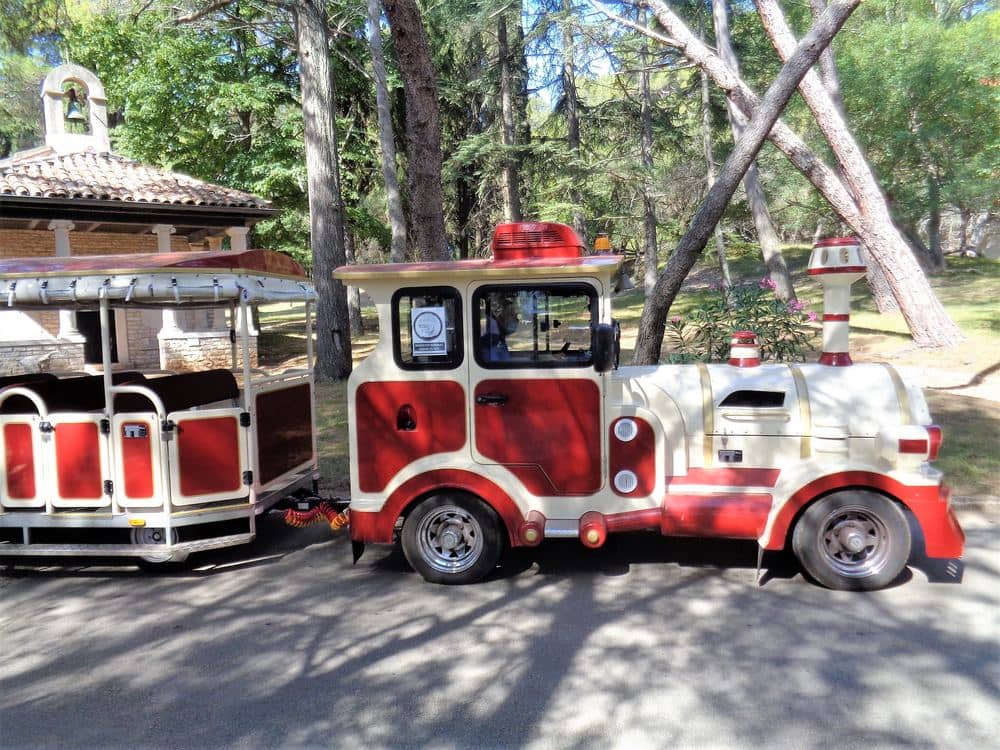
The Brijuni are the archipelago where history took its holidays: fourteen islands off Fažana, a national park since 1983, and before that the summer residence of Josip Broz Tito, who received statesmen, actors and kings here for thirty years. From that epoch remain the safari park with zebras, llamas and other gifts of non-aligned friends, white deer grazing freely by the paths, and a museum with photographs of the stars who summered here. But the Brijuni are older than politics: along the western shore of Veli Brijun lie the remains of a lavish Roman villa in Verige bay, one of the loveliest ancient residences of the Adriatic, and dinosaur footprints are pressed into the stone, whose traces at several locations make the island one of the rare places where one walks on tracks from the Cretaceous. The visit goes by boat from Fažana, with a ride on the tourist train, a tour of the museum and free time; count on half a day. A bicycle or an electric buggy is the best way to feel the island at your own rhythm. Reserve ahead in season and bring a hat: shade is scarce, and there is experience enough for a whole day.

Insider tip

Book the boat from Fažana the day before in summer: same-day tickets sell out.

Photo: Wikimedia Commons / CC BY-SA 4.0

Zerostrasse
Hidden gem
Activity

Zerostrasse

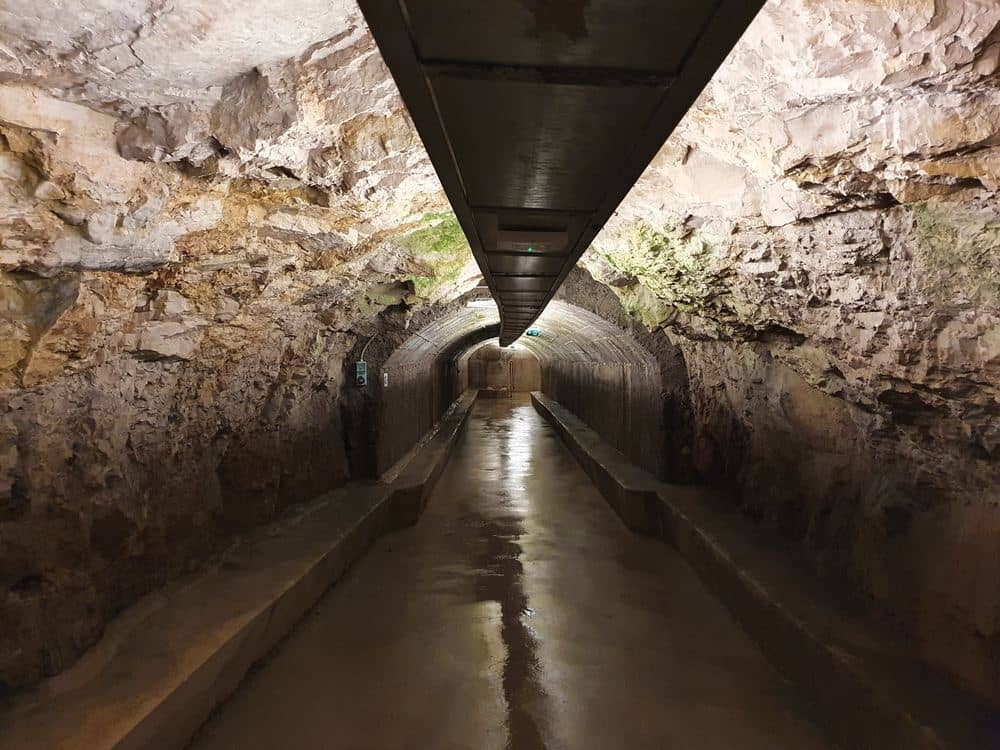
A cool maze of WWI tunnels beneath the city hill.

Photo: Psittacuso / CC BY-SA 4.0

Zerostrasse
Activity Hidden gem

Zerostrasse

The Zerostrasse is Pula beneath Pula: a network of tunnels dug through the central hill during the First World War, when the Austro-Hungarian war harbour had to shelter people and munitions from air raids. Corridors several metres high and wide meet beneath the Kaštel in a central hall from which four arms lead ray-like to exits on opposite sides of the hill: one can thus pass through the hill instead of around it. The shelter held several thousand people; today visitors pass through the cooled corridors, at a constant sixteen or so degrees in every season, between information panels on wartime Pula and occasional exhibitions. In summer the Zerostrasse is a double reward: the coolest place in town and its most unusual shortcut, for one reaches the foot of the Kaštel from the centre underground. Entry costs a symbolic sum, the visit takes half an hour; bring a light jacket, for the difference from thirty degrees outside to sixteen inside can surprise. The combination is logical: the Zerostrasse below ground, then the climb to the Kaštel, two military epochs of Pula in one hour.

Insider tip

On a hot day, duck in to cool off: the WWI tunnels stay cellar-cold all summer.

Photo: Psittacuso / CC BY-SA 4.0

Explore Pula by category

Sights

24
Pula Arena
Legendary
Sight

Pula Arena

One of the world's best-preserved Roman amphitheatres.

Photo: Olgierd Rudak / CC BY-SA 4.0

Pula Arena
Sight Legendary

Pula Arena

The Arena is Pula and Pula is the Arena: an amphitheatre of the first century, built from Augustus to Vespasian, which ranks among the six largest preserved Roman amphitheatres of the world, and by the preservation of its outer shell at the very top. The ellipse of white Istrian stone received some twenty thousand spectators for the gladiators' games; all four stair towers and all three orders of architecture stand to this day, so up close the Arena reads less like a ruin and more like a stadium awaiting tonight's programme. And it truly does: in summer the Arena hosts song, music and films, with a stage under the starry sky that world names compete for, and every July since 1954 it has held the Pula Film Festival, Croatia's oldest. In the underground corridors, through which beasts and fighters once reached the scene, today stands a permanent exhibition on the olive growing and viticulture of ancient Istria, with amphorae and presses. The visit takes an hour; come in the morning before the ship groups or buy a ticket for an evening concert, for the Arena does its true job, gathering thousands under the open sky, even after two thousand years.

Insider tip

Skip the midday queue: come for a summer concert or the film festival, when the lit arena truly comes alive.

Photo: Olgierd Rudak / CC BY-SA 4.0

Gate of Hercules
Hidden gem
Sight

Gate of Hercules

Pula's oldest Roman monument, hiding in plain sight.

Photo: Berthold Werner / CC BY-SA 3.0

Gate of Hercules
Sight Hidden gem

Gate of Hercules

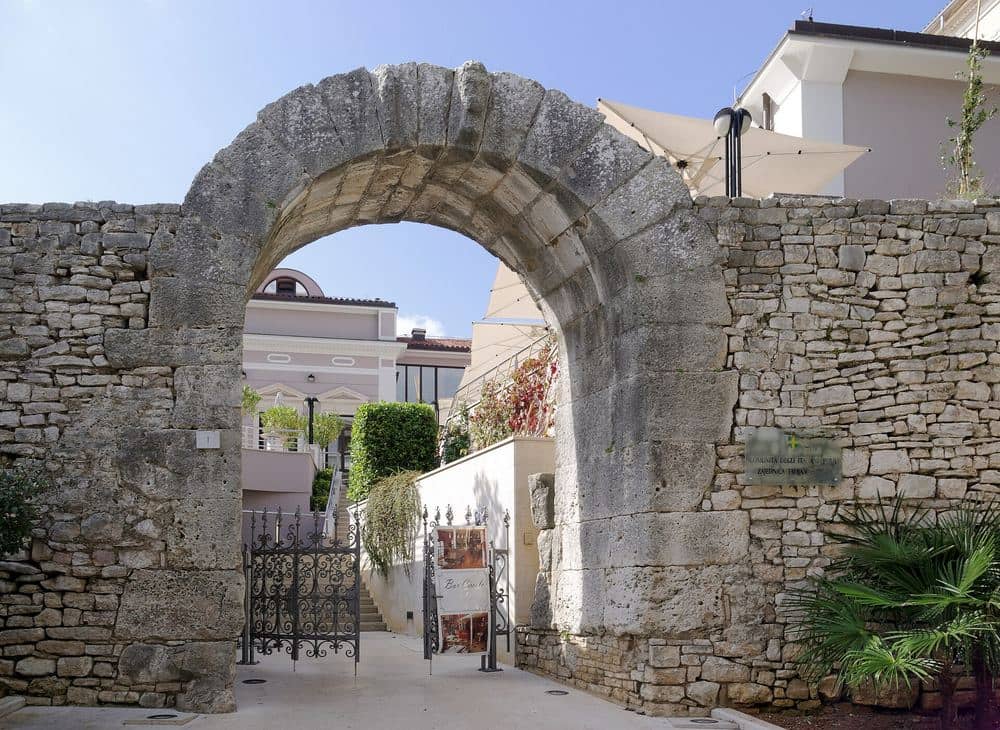
The Gate of Hercules is Pula's birth certificate carved in stone: the oldest preserved Roman monument of the city, raised between the years 47 and 44 before Christ, when Pula was officially founded as a Roman colony. The gate is deliberately modest, of roughly hewn blocks without ornament, but the top of the arch carries what matters most: a relief of the head of Hercules with his club, the city's protector, and, harder to see, the carved names of Lucius Cassius Longinus and Lucius Calpurnius Piso, the Roman officials to whom the senate entrusted the founding of the colony. That makes it unique: few cities of Europe have a preserved monument bearing the names of their official founders. One still passes normally through the gate today, from Carrarina street toward the Kaštel, and most passers-by never raise their eyes; precisely that is why this place rewards those who know where to look. Stand beneath the arch, find Hercules' beard worn smooth by centuries and the names above him: two millennia and seventy years of history, without ticket and without crowd, in a passage of thirty seconds.

Insider tip

Find the worn club and bearded face at the very top of the arch: that carving names Pula's Roman founders.

Photo: Berthold Werner / CC BY-SA 3.0

Roman Floor Mosaic
Hidden gem
Sight

Roman Floor Mosaic

A 3rd-century mosaic hidden in a sunken courtyard.

Photo: Ralfhesse / CC BY-SA 4.0

Roman Floor Mosaic
Sight Hidden gem

Roman Floor Mosaic

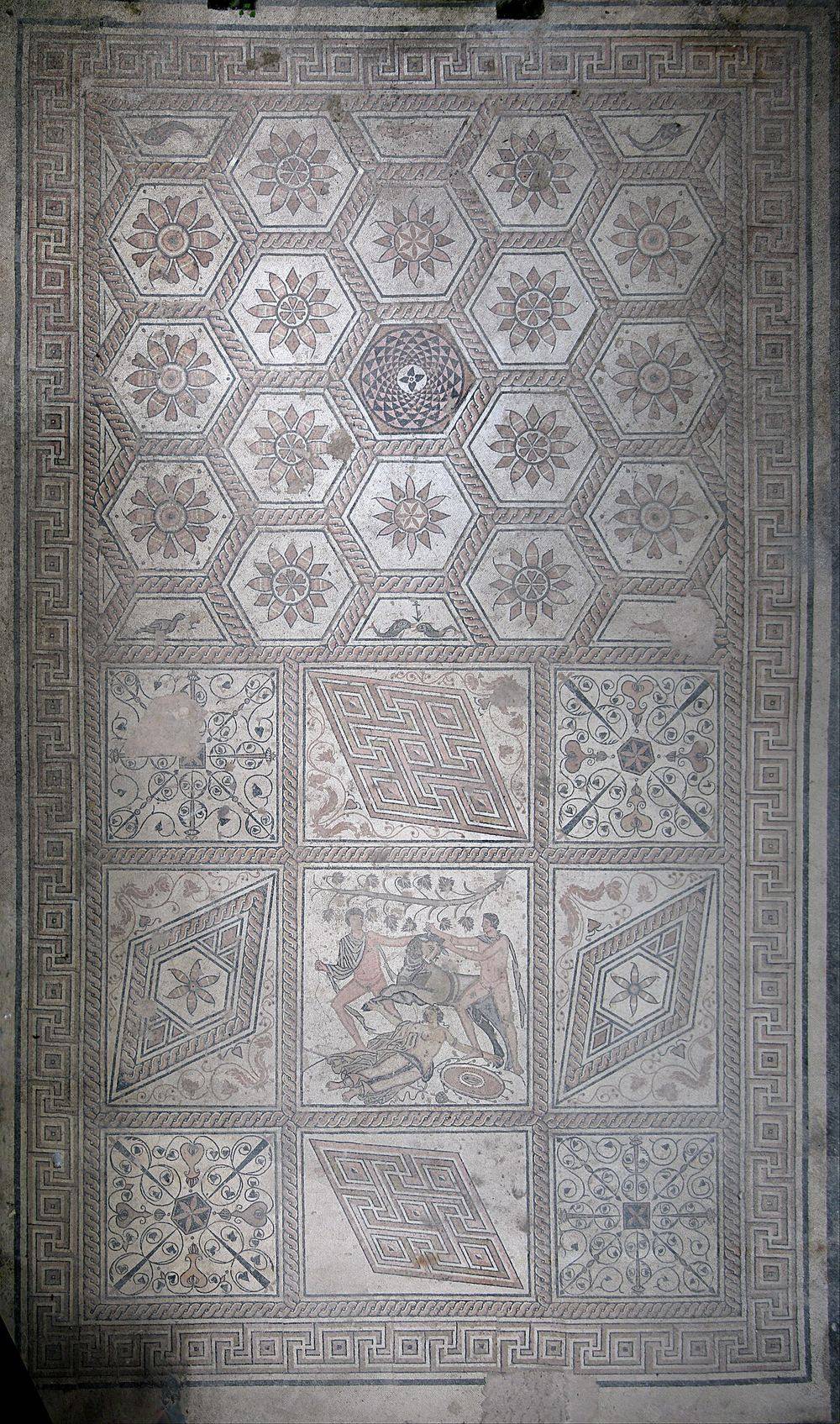
The Punishment of Dirce is Pula's best-hidden masterpiece: a Roman floor mosaic of the third century lying in a courtyard behind residential buildings not far from the Forum, discovered by accident when the Allied bombardments of the Second World War brought down the houses above it and bared the floor of an ancient town villa. The mosaic of several dozen square metres is composed of geometric fields with medallions, and in the central scene it shows a rare myth: the brothers Amphion and Zethus binding queen Dirce to a maddened bull, punishment for the abuse of their mother. The scene is known from ancient sculpture, but in mosaic Europe has almost none of it, so specialists come to this courtyard on purpose. Best of all: the mosaic is lowered to the ancient level, fenced but permanently accessible and free, viewed from the rim in bird's perspective. There is no ticket office, no crowd, often not another soul; only an explanatory plaque and two thousand years beneath the feet of residents who dry their laundry above the mosaic. Find it through the passage from Sergijevaca street: a three-minute turn off the main route, and one of the most valuable Roman floors of the Adriatic.

Insider tip

It's behind the buildings off the main street and open-air: come any time, day or night, for free.

Photo: Ralfhesse / CC BY-SA 4.0

Fort San Giorgio
Hidden gem
Sight

Fort San Giorgio

An Austrian land fort on San Giorgio hill, part of the defences of Pula's naval port.

Photo: Orlovic / CC BY-SA 3.0

Fort San Giorgio
Sight Hidden gem

Fort San Giorgio

Fort San Giorgio is one of the strongholds of the iron ring with which Austria-Hungary girdled its main war harbour in the second half of the 19th century: a low stone ring sunk into the hill, with casemates, a ditch and artillery positions, built to control from above the approaches to city and harbour. Today the fort is a quiet ruin in the greenery, without a ticket desk and without management, which gives it what tidied fortresses lack: the feeling of discovery. One passes freely through the open corridors and ramps, the walls show the master stonework of military builders, and from the roof platform the view bursts open onto city, harbour and sea. Precisely for that, two warnings hold: bring a torch for the dark casemates and watch where you step, for openings and shafts are unfenced; keep children by the hand. The fort is a station for an hour, ideal combined with a walk over the surrounding hills, and one of the places where one best understands why Pula is called a city of fortresses: there are dozens of such rings around the town, and San Giorgio is among the more accessible.

Insider tip

Come towards evening: the hill opens a view over Pula and the sea at sunset.

Photo: Orlovic / CC BY-SA 3.0

Fort Monvidal
Hidden gem
Sight

Fort Monvidal

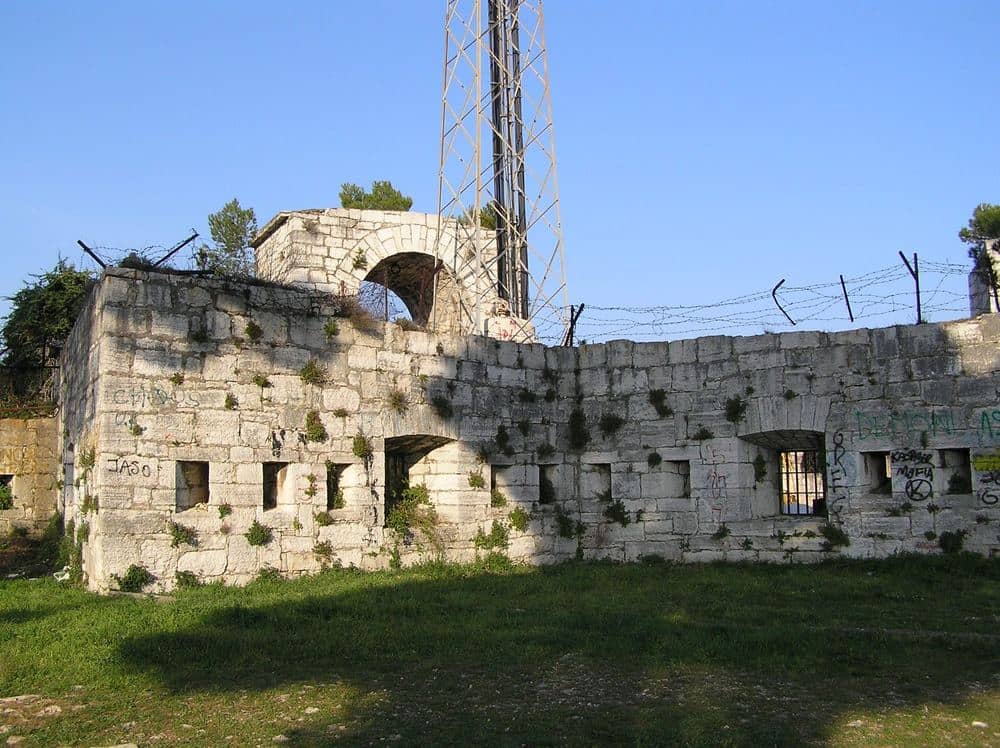
A land fort on Monvidal hill from the second half of the 19th century.

Photo: No machine-readable author provided. Orlovic assumed (b / CC BY-SA 2.5

Fort Monvidal
Sight Hidden gem

Fort Monvidal

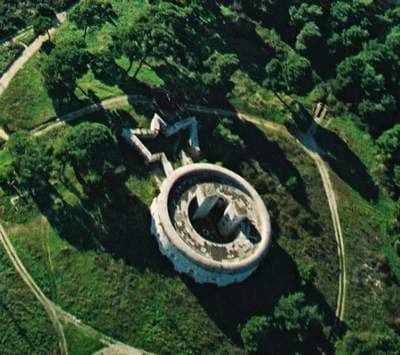
Fort Monvidal guards the north-eastern corner of Pula's fortress ring: a circular stronghold of the second half of the 19th century on the hill of the same name above the town, built to the same recipe as its sisters, stone sunk into the earth, casemates around a central courtyard, an artillery platform on the roof. The army left it long ago, the city grew up to its very foot, so Monvidal is today the most urban of Pula's forts: one reaches it by an ordinary city street, and from the ramparts one looks straight into the courtyards and roofs of the quarter. Precisely that closeness makes it the easiest introduction to Pula's fortification story, no car or mountaineering needed, fifteen minutes' climb from the centre suffices. The interior is open and unmanaged, with all that carries: free entry and freedom of exploring, but also dark in the corridors, the odd opening in the floor and graffiti on the walls. A torch and closed shoes are obligatory, caution with children understood. Climb up before sunset: the view over the roofs to the harbour and the Arena from an unusual angle is a reward the tidied attractions cannot offer.

Insider tip

Combine it with Pula's other forts for a half-day walk through military history.

Photo: No machine-readable author provided. Orlovic assumed (b / CC BY-SA 2.5

Fort Casoni Vecchi
Hidden gem
Sight

Fort Casoni Vecchi

A fortified tower on Monte Paradiso hill, built in 1853 and 1854.

Photo: Rosholinux / CC BY-SA 4.0

Fort Casoni Vecchi
Sight Hidden gem

Fort Casoni Vecchi

Fort Casoni Vecchi holds the eastern forefield of the Pula fortress, farther from the sea than most of its sisters, amid fields and groves toward Šišan: a stronghold of the iron ring from the second half of the 19th century, built to close the landward approach to the harbour from the interior. Precisely because of the position this is the fort for those who love the combination of history and walking: the path to it leads through a landscape of red Istrian earth, vineyards and dry-stone walls, so a visit naturally grows into a half-day walk or an easy cycle tour from town. The stronghold itself is unmanaged and overgrown, greenery has taken over its ditch and parts of the ramparts, which gives adventurers the strongest scenery of all Pula's forts: stone and roots in an embrace as in some jungle temple. The strict rules of abandoned forts apply: a torch, closed shoes, not a step down dark corridors without light, children by the hand. The reward is double: a peace that does not exist at the better-known addresses, and the feeling of having found something tourist Pula has not yet managed to frame.

Insider tip

Bring water and good shoes: the approach runs through low Mediterranean scrub.

Photo: Rosholinux / CC BY-SA 4.0

18 more places
  • Utvrda San Michele
  • Svjetionik Rt Verudica
  • Fort Stoja
  • Battery San Giovanni
  • Temple of Augustus
  • Roman Forum
  • Arch of the Sergii
  • Cathedral of the Assumption
  • Twin Gates
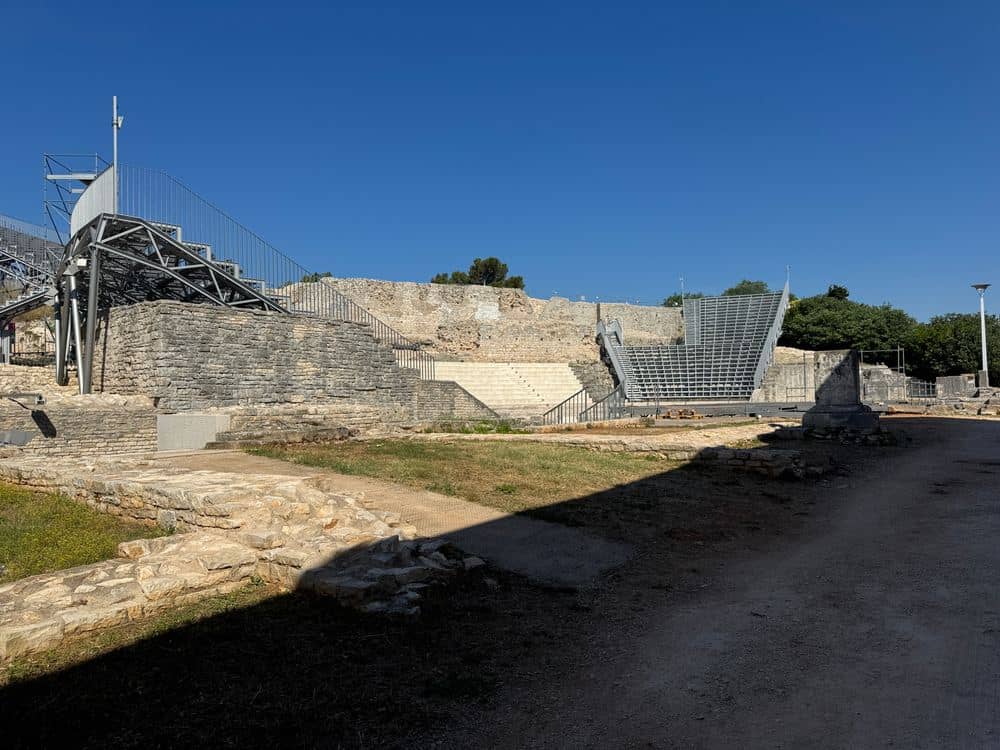
  • Small Roman Theatre
  • Naval Cemetery
  • Church and Monastery of St Francis
  • Communal Palace
  • Circolo Palace
  • Fort Bourguignon
  • Fort Punta Christo
  • Fort Monte Grosso
  • Fort Verudela

Activities

21
Brijuni National Park
Legendary
Activity

Brijuni National Park

Tito's island paradise of dinosaurs and safari.

Photo: Wikimedia Commons / CC BY-SA 4.0

Brijuni National Park
Activity Legendary

Brijuni National Park

The Brijuni are the archipelago where history took its holidays: fourteen islands off Fažana, a national park since 1983, and before that the summer residence of Josip Broz Tito, who received statesmen, actors and kings here for thirty years. From that epoch remain the safari park with zebras, llamas and other gifts of non-aligned friends, white deer grazing freely by the paths, and a museum with photographs of the stars who summered here. But the Brijuni are older than politics: along the western shore of Veli Brijun lie the remains of a lavish Roman villa in Verige bay, one of the loveliest ancient residences of the Adriatic, and dinosaur footprints are pressed into the stone, whose traces at several locations make the island one of the rare places where one walks on tracks from the Cretaceous. The visit goes by boat from Fažana, with a ride on the tourist train, a tour of the museum and free time; count on half a day. A bicycle or an electric buggy is the best way to feel the island at your own rhythm. Reserve ahead in season and bring a hat: shade is scarce, and there is experience enough for a whole day.

Insider tip

Book the boat from Fažana the day before in summer: same-day tickets sell out.

Photo: Wikimedia Commons / CC BY-SA 4.0

Zerostrasse
Hidden gem
Activity

Zerostrasse

A cool maze of WWI tunnels beneath the city hill.

Photo: Psittacuso / CC BY-SA 4.0

Zerostrasse
Activity Hidden gem

Zerostrasse

The Zerostrasse is Pula beneath Pula: a network of tunnels dug through the central hill during the First World War, when the Austro-Hungarian war harbour had to shelter people and munitions from air raids. Corridors several metres high and wide meet beneath the Kaštel in a central hall from which four arms lead ray-like to exits on opposite sides of the hill: one can thus pass through the hill instead of around it. The shelter held several thousand people; today visitors pass through the cooled corridors, at a constant sixteen or so degrees in every season, between information panels on wartime Pula and occasional exhibitions. In summer the Zerostrasse is a double reward: the coolest place in town and its most unusual shortcut, for one reaches the foot of the Kaštel from the centre underground. Entry costs a symbolic sum, the visit takes half an hour; bring a light jacket, for the difference from thirty degrees outside to sixteen inside can surprise. The combination is logical: the Zerostrasse below ground, then the climb to the Kaštel, two military epochs of Pula in one hour.

Insider tip

On a hot day, duck in to cool off: the WWI tunnels stay cellar-cold all summer.

Photo: Psittacuso / CC BY-SA 4.0

Lighting Giants
Activity

Lighting Giants

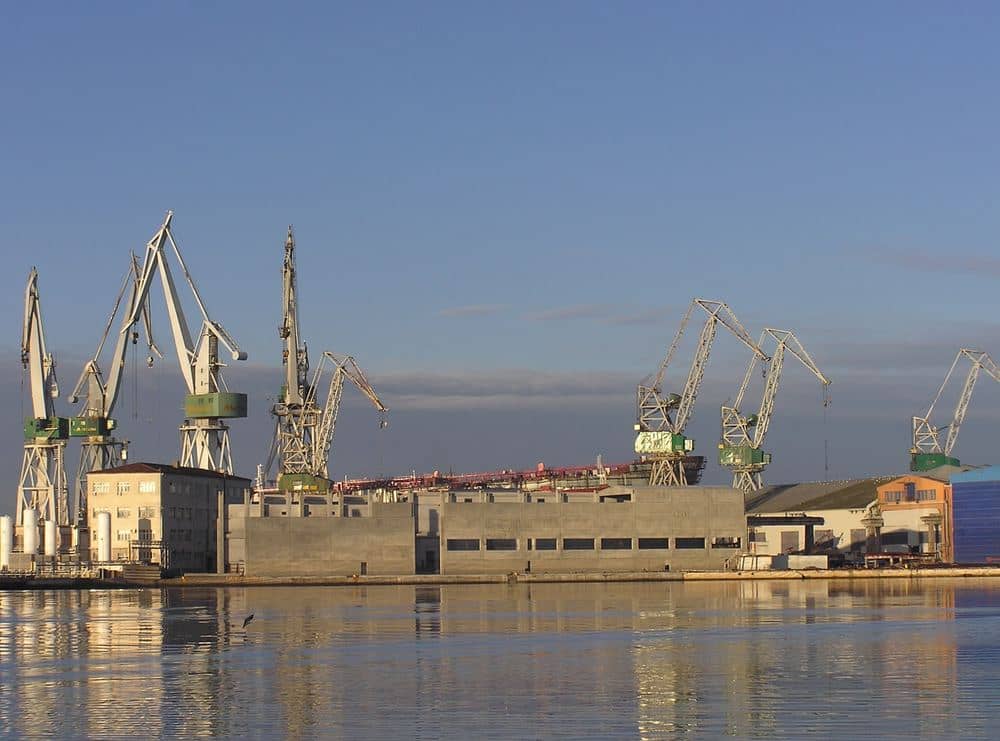
Towering shipyard cranes lit in a nightly rainbow of colour.

Photo: Orlovic / CC BY-SA 3.0

Lighting Giants
Activity

Lighting Giants

The Lighting Giants are Pula's youngest monument and the loveliest proof that a city can love its industry: eight huge cranes of the Uljanik shipyard, which the lighting designer Dean Skira turned in 2014 into the largest light installation on the Adriatic. Every evening from dusk the cranes light up in thousands of colours, with a programme changing through the hour: now golden, now violet, now the whole spectrum pours across them, and the water of the bay doubles it all. The idea was born of respect: Uljanik is among the world's oldest shipyards to have worked in continuity, founded back in 1856 for the Austro-Hungarian war harbour, and the giants above the port fed the city for generations. The best place to watch is the promenade along the waterfront, with benches and the view across the harbour basin; the show reads best in the first hour after sunset. This is no exhibition with a ticket but the city's gift to everyone strolling the riva in the evening: it is enough to come, sit and watch industry dance. A tip for photographers: the reflection in the sea is calmest early in the evening, before the harbour traffic breaks the mirror.

Insider tip

Come back after dark: the shipyard cranes light up in shifting colour around 9pm.

Photo: Orlovic / CC BY-SA 3.0

Kaštel Fortress
Activity

Kaštel Fortress

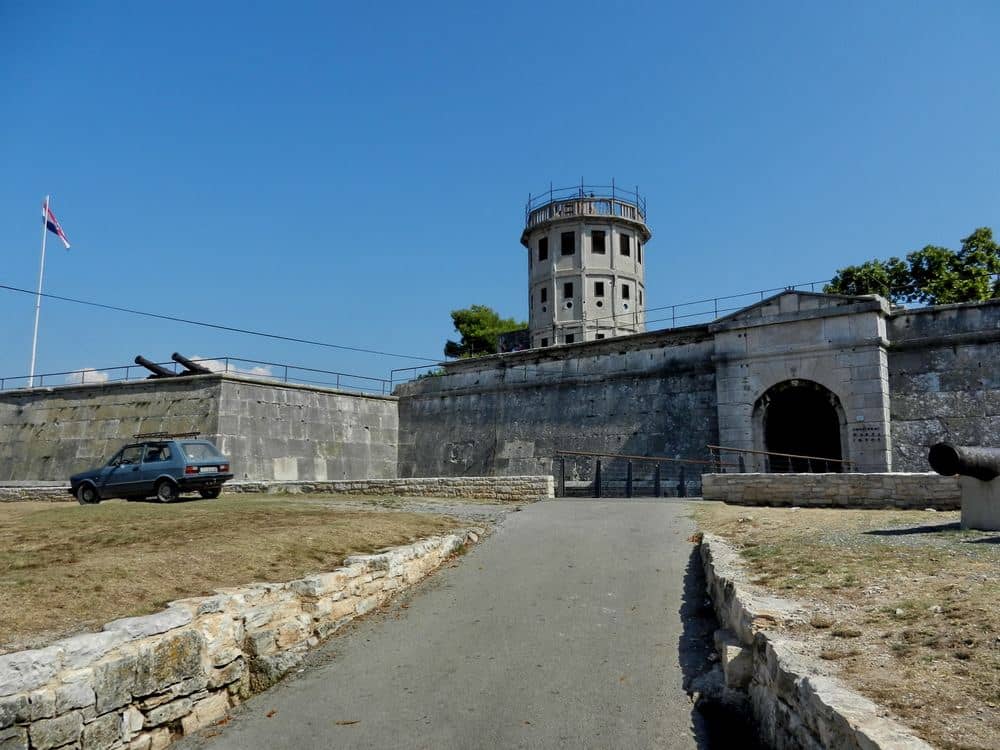
A star-shaped Venetian fortress crowning the old-town hill.

Photo: Tanya Dedyukhina / CC BY 3.0

Kaštel Fortress
Activity

Kaštel Fortress

The Kaštel is Pula's crown in the literal sense: a star fortress on the central hill around which the city arranges itself like an amphitheatre, raised in the 1630s to the designs of the French military engineer Antoine de Ville, when Venice decided to protect its most important Istrian harbour. Four bastions still hold the hilltop, and in them today lives the Historical and Maritime Museum of Istria, with collections on seafaring, on Austro-Hungarian Pula as the Monarchy's main war harbour and on the city's daily life through two turbulent centuries. Yet the greatest exhibit is the Kaštel itself: a walk on the ramparts offers the only complete circle of views over Pula, with the Arena, the harbour and the shipyard cranes in one frame, the green Brijuni on the horizon. In summer the fortress becomes a stage, with concerts and film evenings in the courtyard. You climb to the Kaštel through the lanes from any direction in some ten minutes; combine it with the Zerostrasse tunnels that pass exactly beneath it. The best moment is the hour before sunset: the light settles on the roofs, and the city below the ramparts composes itself like a scale model.

Insider tip

Climb up at sunset for the best 360-degree view over the red roofs and the Arena.

Photo: Tanya Dedyukhina / CC BY 3.0

Hawaii Beach (Verudela)
Activity

Hawaii Beach (Verudela)

A turquoise cove below pine-clad cliffs on the Verudela peninsula.

Photo: Orlovic / CC BY-SA 3.0
Hawaii Beach (Verudela)
Activity

Hawaii Beach (Verudela)

The Havajka, officially Hawaii, is a small cove on Verudela whose name is no exaggeration: the turquoise over white shingle here truly looks like a postcard of the Pacific, only with pines instead of palms. The beach lies beneath a cliff by the hotel cape, compact and quickly full, for beauty of such concentration fits into a hundred metres: fine shingle, sea that glows through the white bottom and a few rocks to jump from, from school heights to those that demand both courage and sense. The public is young and international, the rhythm summery: the morning belongs to families, the afternoon to jumpers and music from backpacks. The facilities are just enough: a shower, sunbed hire on part of the beach, a café on the rock above; bring everything else. The sea deepens fast, so the Havajka suits swimmers better than the youngest. One descends to the beach by steps from the Verudela promenade; come before ten or after five, for at peak time there is simply no room. For a frame worth sharing, climb the cliff above: from up there the turquoise shows all the shades that earned the cove its name.

Insider tip

Locals leap from the low cliffs on the Verudela side: bring water shoes for the rocks.

Photo: Orlovic / CC BY-SA 3.0

Ambrela Beach
Activity

Ambrela Beach

Pine-shaded family beach with a Blue Flag.

Photo: Silverije / CC BY-SA 4.0
Ambrela Beach
Activity

Ambrela Beach

The Ambrela is Verudela's tidy postcard: a beach of fine shingle and sand at the entrance to the tourist peninsula, with a Blue Flag flying year after year as a guarantee that sea, safety and service are in place. The cove is gentle and shallow enough for families with small children to find their beach home here: the entry is mild, the bottom clean, and everything inside the buoys under the lifeguards' eye. Around the beach works a whole small service town: sunbeds and parasols, showers and cabins, cafés, pedal boats and SUPs for hire, which makes the Ambrela a beach where from morning to evening nothing needs carrying but a towel. In summer it is, of course, full, but spacious enough for the crowd to stay bearable; most room is before ten and after five. Shade is found under the pines at the rim, the first rows by the sea lie in the sun. If you set out from Verudela on a tour, the Ambrela is the natural start: from it the promenade leads toward the Havajka, the aquarium in the fortress and on around the cape. Simply put: if you seek a day without logistics, this is Pula's easiest beach.

Insider tip

Arrive before 10am in July to claim shade under the pines: the flat rocks fill up fast.

Photo: Silverije / CC BY-SA 4.0

15 more places
  • House of Istrian Olive Oil
  • Pula Aquarium
  • Archaeological Museum of Istria
  • Sacred Hearts Museum
  • Istrian National Theatre
  • Tito Park
  • Naval Park
  • Valkane Beach
  • Gortanova Uvala Beach
  • Valsaline Beach
  • Saccorgiana Beach
  • Stoja Beach
  • Šijana Forest
  • Verudela Canyon
  • Rt Kamenjak Cliff Trail

Shopping

2
2 more places
  • Max City Pula
  • Pula City Mall

Pula: quick answers

How do I get to Pula?
Pula has its own airport six kilometres from the centre, with seasonal flights from many European cities. By road it is about an hour from Rijeka and 3.5 hours from Zagreb; buses run frequently along both routes. In summer a fast catamaran links Pula with Zadar and with Venice.
Is one day enough for Pula?
For the Roman core, yes: Arena, forum, temple and arch fit into one relaxed day on foot. Add a second day if you want Brijuni, which is a full-day trip from Fažana, or the Verudela beaches.
Where do you swim in Pula?
On the Verudela peninsula, about four kilometres south of the centre: rocky coves, pebble beaches and the popular Ambrela and Havajka spots, reachable by city bus. The water is clear because the city beaches face open sea, not the harbour.

CroVenture App

Explore Pula with CroVenture

Places unlock as you reach them, with a passport that fills up as you explore.