Skip to content
All cities

Novalja. Things to do, map and hidden gems

10 curated places· 5 hidden gems
Novalja
Photo: Christian Pirkl / CC BY-SA 4.0

Novalja lives a double life. By day it is a Pag-island harbour town with pebble bays and the moonscape hinterland the island is famous for; by night, in July, its Zrće beach two kilometres away runs Croatia's biggest open-air club strip. The two worlds barely touch: families on the town side rarely notice the festival crowd, who sleep till noon anyway.

Beyond the party postcode, the Lun olive groves at the island's northern tip grow trees a thousand years old, and Pag cheese and lamb do the gastronomy.

Novalja beyond Zrće: Roman aqueduct, sunken Caska, olives of Lun
Our tips

What we would do around Novalja

Day trips within reach of Novalja, plus the routes and quiet corners our editors keep coming back to.

Hidden gems in Novalja

Lun Olive Gardens
Legendary
Sight

Lun Olive Gardens

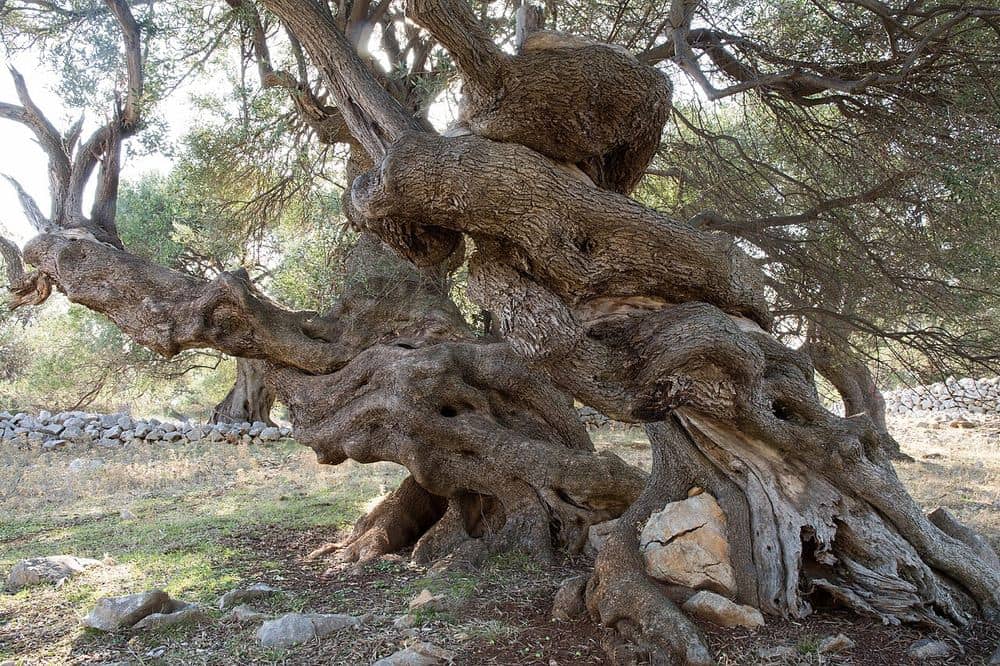
Millennial olive groves on Pag's northern cape: wild olives over a thousand years old in a labyrinth of dry-stone walls.

Photo: Christian Pirkl / CC BY-SA 4.0
Lun Olive Gardens
Sight Legendary

Lun Olive Gardens

The Lun olive gardens are Pag's oldest living inhabitants: on the island's far northern cape, around the village of Lun, grows a protected garden of tens of thousands of wild olive trees, among which many are older than a thousand years, and the oldest trees measure their age in a millennium and a half. The landscape is unique on the Adriatic: silver crowns rise straight from white karst, kilometres of dry-stone walls braid between them, laid by generations without mortar, and sheep pass to this day through the same gaps as hundreds of years ago. Through the groves lead arranged paths with boards, lookouts and resting spots, so the visit composes itself as an easy walk of an hour or two; in summer set out earlier, shade is rare and the stone hot. By the entrance work tasting rooms of Lun olive oil, which owing to the wild variety carries a sharper, richer taste than the tame ones; a bottle from Lun is northern Pag's smartest souvenir. From Novalja one drives half an hour to Lun on a road along the sea's very edge, itself an experience. Few places show so convincingly how old the Mediterranean is.

Photo: Christian Pirkl / CC BY-SA 4.0

Zrće Beach
Legendary
Activity

Zrće Beach

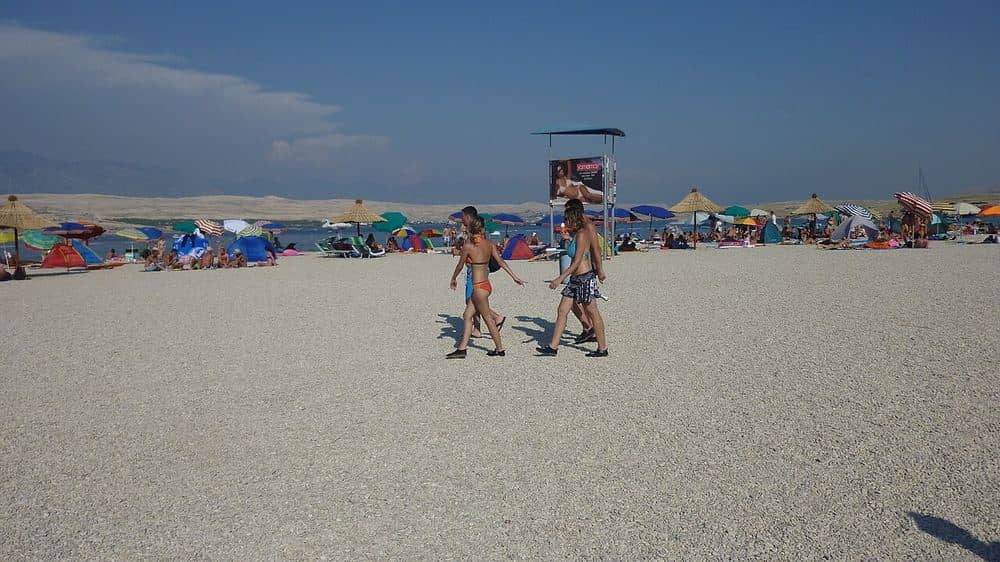
The Adriatic's most famous party beach: a wide shingle crescent with clubs, family-calm by day.

Photo: Andrej Neuherz / CC BY-SA 3.0

Zrće Beach
Activity Legendary

Zrće Beach

Zrce is a beach with two lives and works both excellently: by day this is a wide shingle crescent above the turquoise sea of the Pag bay, with loungers, families and water attractions, and by night the most famous going-out address on the Adriatic, with clubs that put Novalja on the map of the European summer. The festival season runs from June to September, when names play on Zrce for which people come from half of Europe; whoever dislikes bass comes before noon, when the beach looks like any other big Kvarner cove, only tidier and better equipped. The shingle is coarse and clean, the sea deepens quickly, showers, cabins and catering abound, and a lifeguard service keeps watch in season. The beach is reached by car or by summer buses from Novalja, the car parks are roomy and charged. Two things are worth knowing: the prices are club prices, and peace is not sold here in July and August. For quiet choose the neighbouring coves; for one day on which a beach becomes a stage, Zrce has no competition.

Photo: Andrej Neuherz / CC BY-SA 3.0

Explore Novalja by category

Sights

7
Lun Olive Gardens
Legendary
Sight

Lun Olive Gardens

Millennial olive groves on Pag's northern cape: wild olives over a thousand years old in a labyrinth of dry-stone walls.

Photo: Christian Pirkl / CC BY-SA 4.0
Lun Olive Gardens
Sight Legendary

Lun Olive Gardens

The Lun olive gardens are Pag's oldest living inhabitants: on the island's far northern cape, around the village of Lun, grows a protected garden of tens of thousands of wild olive trees, among which many are older than a thousand years, and the oldest trees measure their age in a millennium and a half. The landscape is unique on the Adriatic: silver crowns rise straight from white karst, kilometres of dry-stone walls braid between them, laid by generations without mortar, and sheep pass to this day through the same gaps as hundreds of years ago. Through the groves lead arranged paths with boards, lookouts and resting spots, so the visit composes itself as an easy walk of an hour or two; in summer set out earlier, shade is rare and the stone hot. By the entrance work tasting rooms of Lun olive oil, which owing to the wild variety carries a sharper, richer taste than the tame ones; a bottle from Lun is northern Pag's smartest souvenir. From Novalja one drives half an hour to Lun on a road along the sea's very edge, itself an experience. Few places show so convincingly how old the Mediterranean is.

Photo: Christian Pirkl / CC BY-SA 4.0

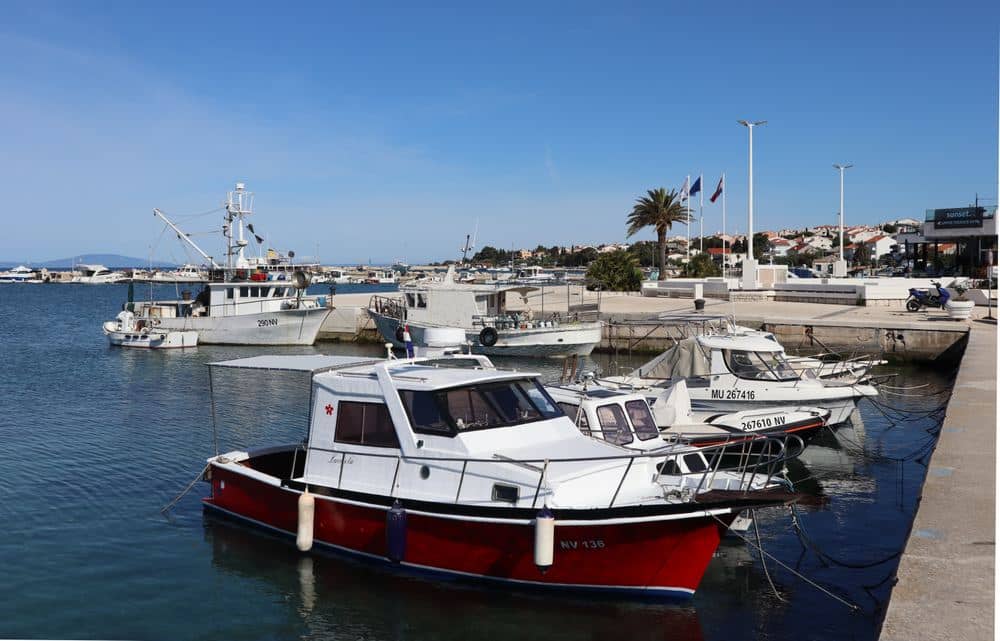
Novalja Waterfront
Sight

Novalja Waterfront

The harbour promenade with cafés, boats and the whole town's evening corso.

Photo: Palauenc05 / CC BY-SA 4.0

Novalja Waterfront
Sight

Novalja Waterfront

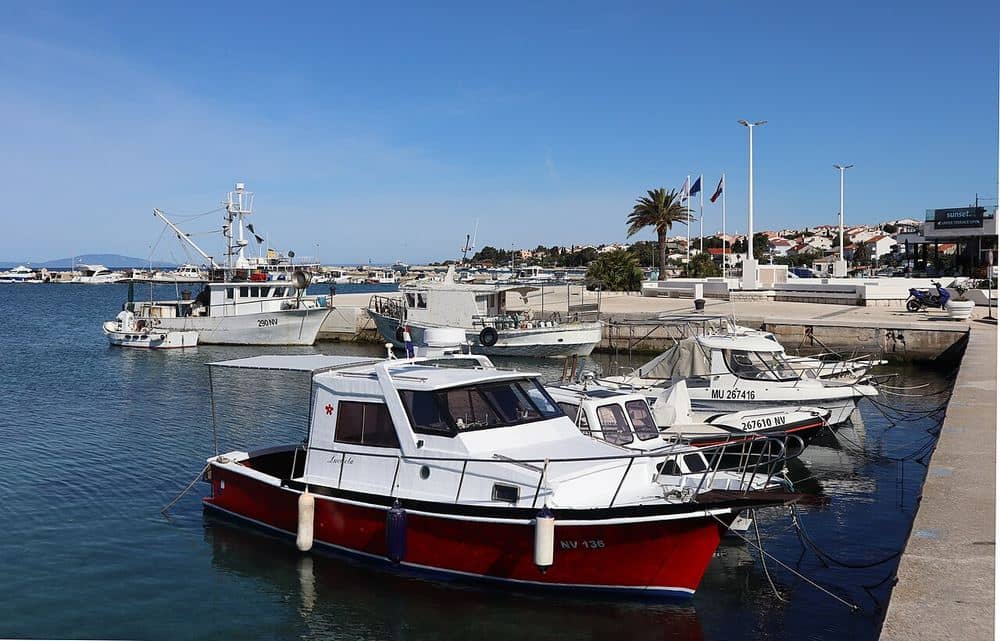
The Novalja waterfront is the town's living room: a promenade along the deeply drawn-in harbour, where fishing boats, excursion boats and sailboats tie up at the stone piers, and beside them cafés, pastry shops and taverns line up in two rows with terraces to the very sea. The waterfront's rhythm is best described by the day: in the morning the fishermen unload their nets and the town smells of coffee, in the afternoon the bathers return from the sea, and in the evening the riva becomes the corso on which all of Novalja is met, from families with ice cream to crews just warming up for Zrce. From the riva the excursion boats leave for Rab, Losinj and Pag's hidden coves, so this is also the departure point for days at sea; tickets are bought directly on the pier. The view across the harbour catches sunsets that light exactly over the bay's entrance, which makes the western benches the town's most sought-after property. Whoever wants to understand Novalja needs no beach but an hour on the riva: a town that works by day as a fishing harbour and by evening as a stage, and stays itself in both editions.

Photo: Palauenc05 / CC BY-SA 4.0

5 more places
  • Talijanova Buža Aqueduct
  • Caska Bay
  • Early Christian Basilicas
  • Novalja City Museum
  • Church of St Catherine

Activities

3
Zrće Beach
Legendary
Activity

Zrće Beach

The Adriatic's most famous party beach: a wide shingle crescent with clubs, family-calm by day.

Photo: Andrej Neuherz / CC BY-SA 3.0

Zrće Beach
Activity Legendary

Zrće Beach

Zrce is a beach with two lives and works both excellently: by day this is a wide shingle crescent above the turquoise sea of the Pag bay, with loungers, families and water attractions, and by night the most famous going-out address on the Adriatic, with clubs that put Novalja on the map of the European summer. The festival season runs from June to September, when names play on Zrce for which people come from half of Europe; whoever dislikes bass comes before noon, when the beach looks like any other big Kvarner cove, only tidier and better equipped. The shingle is coarse and clean, the sea deepens quickly, showers, cabins and catering abound, and a lifeguard service keeps watch in season. The beach is reached by car or by summer buses from Novalja, the car parks are roomy and charged. Two things are worth knowing: the prices are club prices, and peace is not sold here in July and August. For quiet choose the neighbouring coves; for one day on which a beach becomes a stage, Zrce has no competition.

Photo: Andrej Neuherz / CC BY-SA 3.0

2 more places
  • Straško Beach
  • Planjka-Trinćel Beach

Novalja: quick answers

Is Novalja only for partygoers?
Only Zrće is, and only in high season. The town itself, the Caska and Straško beaches and the whole northern half of Pag run a normal family summer; outside July even Zrće quietens to a beach with bars. Zrće lies about two kilometres from town, has held the Blue Flag since 2003 and is linked to Novalja by town buses in season. Families tend to choose Planjka in Stara Novalja, a shallow sandy beach with the Blue Flag since 2004, or Straško, a bay about 1.5 kilometres long backed by pine and holm oak woods. Caska lies on the site of a Roman town that, according to legend, sank in an earthquake in the 4th century.
How do I get to Novalja?
From the north via the Prizna to Žigljen ferry, fifteen minutes and round-the-clock in summer; from the south over the Pag bridge from the Zadar direction. Zadar airport is about an hour away, with seasonal buses. From the south, the Posedarje exit on the Zagreb to Ploče motorway is 65 kilometres from Novalja. A passenger catamaran links Novalja with Rab and Rijeka, and the tourist board gives the crossing as two and a half hours. A passenger boat also runs between Lun and Rab in about half an hour. In town, the City Museum gives access to the first 70 metres of a 1st-century Roman aqueduct cut into the rock, about 1.2 kilometres long and known locally as Talijanova buža. The museum provides protective gear.
What are the Lun olive groves?
A protected grove of wild olives at Pag's northern tip, some trees dated over a thousand years, threaded with dry-stone paths. Tasting rooms in Lun village sell the oil; the drive from Novalja takes twenty minutes. The tourist board counts about 80,000 wild olive trees on 400 hectares, grafted for centuries mainly with the Oblica variety, and about 1,500 wild trees that grow five to eight metres tall. The area has been a botanical reserve since 1963, and the oldest tree is put at more than 2,000 years. Pag cheese and Pag lamb both come from the native Pag sheep, and the best cheeses are judged every year at a sheep and cheese show on the first weekend of July.

CroVenture App

Explore Novalja with CroVenture

Places unlock as you reach them, with a passport that fills up as you explore.