Skip to content
All cities

Korčula. Things to do, map and hidden gems

40 curated places· 8 hidden gems· 1 upcoming events
Korčula
Photo: Andrea Musi / CC BY 2.0

Korčula town is a fishbone of stone lanes on a fortified oval, designed so the west side catches the maestral breeze while the east stays sheltered from the bura, medieval urban planning at its most practical. The town claims Marco Polo as its son, and whatever the historians say, the Venetian look of the place argues the case. On summer evenings the Moreška sword dance, performed here for centuries, takes the stage by the walls.

Around it: the vineyards of Lumbarda over sandy beaches, and the taxi boats to the pine islets of the Korčula archipelago.

What to see in Korčula: the fishbone old town, Moreška and Lumbarda

The next 7 days

Weather data by Open-Meteo.com

Opening hours and prices

The places we keep opening hours and price levels for. Times change with the season, so treat the official page as the last word.

PlaceOpening hoursPriceOfficial page
Hum Peak above Vela LukaAlways open; check access, weather, park rules and daylight before hiking.--

Climate month by month

Ten-year averages for Korčula, so you can see what a month usually looks like rather than what this week happens to do.

MonthDay °CNight °CRain daysSea °C
January1151116
February1361115
March1581015
April1810916
May23151019
June2820524
July3222226
August3222526
September2618825
October2114923
November16111420
December1371117

Air 2015 to 2024, sea 2022 to 2024. A rain day is 1 mm or more. Data by Open-Meteo.com

Beaches in Korčula

Pupnatska Luka Beach
Legendary
Activity

Pupnatska Luka Beach

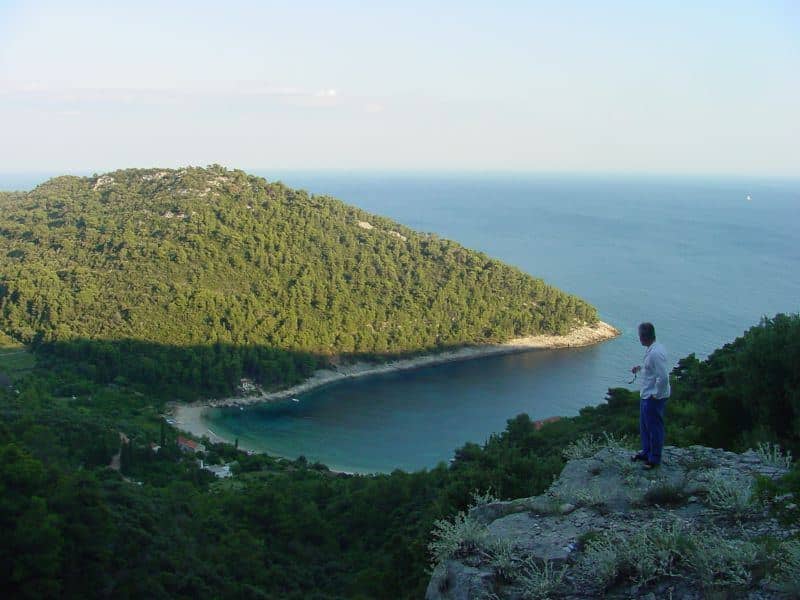
A sheltered cove on Korčula's coast, framed by pine-covered slopes.

Photo: Andrea Musi / CC BY 2.0
Pupnatska Luka Beach
Activity Legendary

Pupnatska Luka Beach

Pupnatska luka is a bay on the southern coast of the island, below the village of Pupnat, and many hold it the finest beach on Korcula: white shingle in a horseshoe, pines to the very edge of the water and a sea that, because of depth and bottom, passes from pale turquoise to deep blue within a few metres. The bay faces south and is open, so the sea is fresh, and when the sirocco blows a swell comes in. From the main island road you descend to the beach by a narrow asphalt road with hairpins, about two kilometres; the car park is tiny and fills before noon in summer, so arriving by ten in the morning is not excessive caution. Two bars and lounger hire work on the beach, the facilities are modest. From the town of Korcula it is twelve kilometres, and the bus runs rarely, so count on a car or a scooter.

Photo: Andrea Musi / CC BY 2.0

Žitna Beach
Activity

Žitna Beach

A relaxed beach on Korčula, easy to reach and easy to settle into.

Photo: Kris Sliver / CC BY-SA 3.0
Žitna Beach
Activity

Žitna Beach

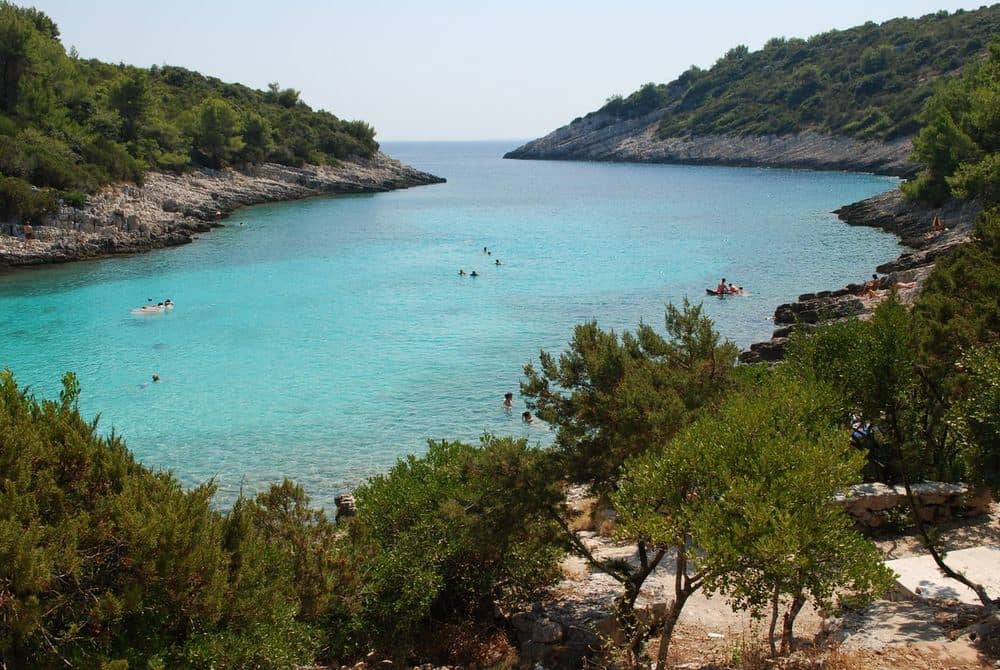
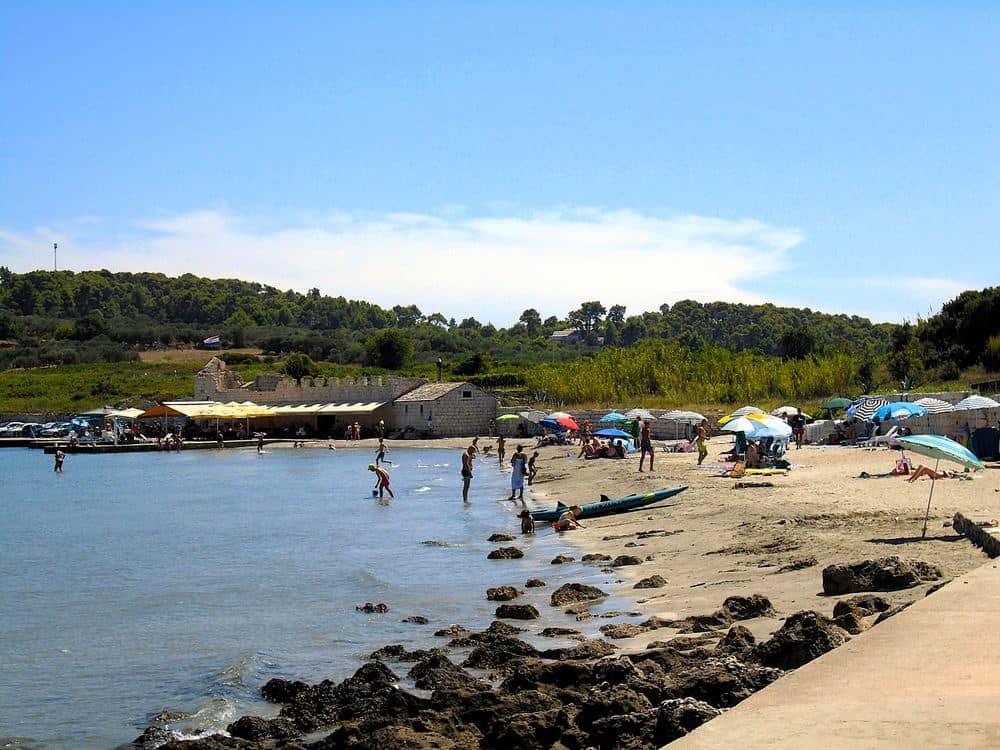
Zitna is a bay on the southern coast of the island below the village of Cara, with two beaches divided by a cape: a larger shingle one, with a car park and a seasonal bar, and a smaller one reached by a path along the rocks. The sea here is open to the south and therefore clear, and the depth grows moderately, so swimming is pleasant even for those who dislike deep water right away. Behind the beach are vineyards where posip is grown, a white variety originating precisely in Cara and neighbouring Smokvica and today the best-known Korcula wine. Zitna is reached from the main road by an asphalt road, about four kilometres from Cara, and the car park is small. There is little shade, so a parasol is not a bad idea; the best time is late afternoon, when the rocks have cooled.

Photo: Kris Sliver / CC BY-SA 3.0

Bilin Žal Beach, Lumbarda
Activity

Bilin Žal Beach, Lumbarda

A shallow turquoise bay among the vineyards of Lumbarda.

Photo: Silverije / CC0
Bilin Žal Beach, Lumbarda
Activity

Bilin Žal Beach, Lumbarda

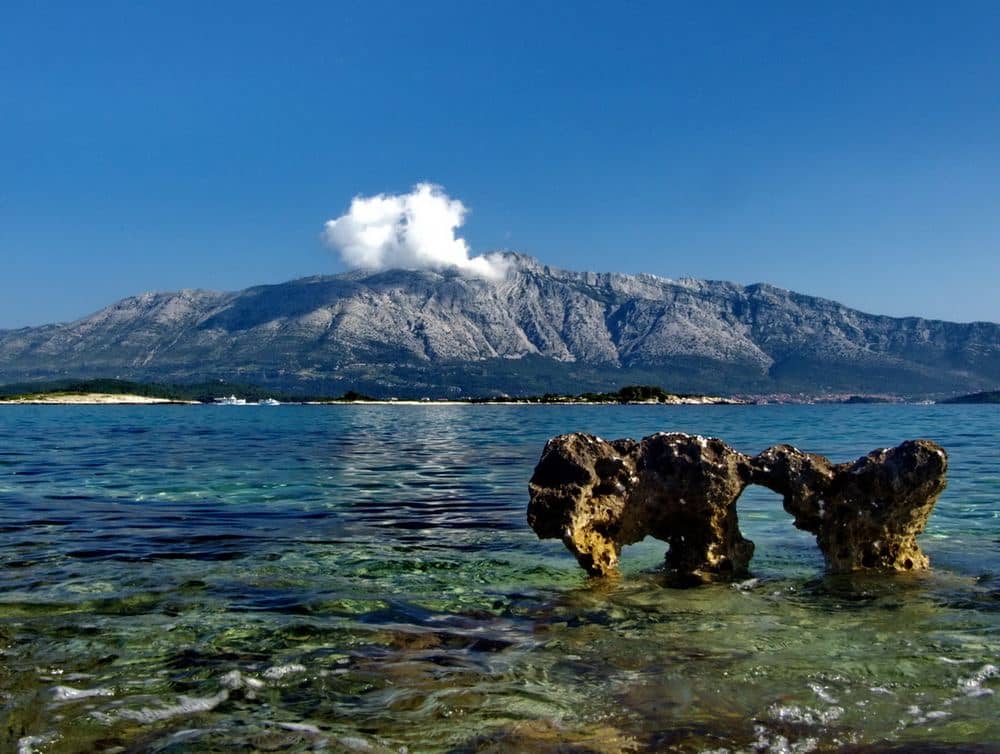
Bilin zal lies east of Lumbarda, a village five kilometres from the town of Korcula, and is one of the few true sandy beaches on the Adriatic islands. The sand was not brought in but comes from the surroundings themselves: Lumbarda lies on sandstone, and that same soil gives grk, a white grape variety that thrives only here and nowhere else in the world. The sea is shallow and you wade far out, so the beach is one of the best on the island for families with small children. By the beach are bars, showers and lounger hire, and in the hinterland vineyards where grk is picked at the end of August. Lumbarda was also a Greek colony: the Lumbarda Psephisma of the 3rd century BC, the oldest stone inscription in Croatia, records the division of land among settlers from the island of Vis.

Photo: Silverije / CC0

Vela Pržina Beach
Activity

Vela Pržina Beach

An open beach on Korčula, facing a wide stretch of sea.

Photo: Nikl Gábor / CC BY-SA 3.0
Vela Pržina Beach
Activity

Vela Pržina Beach

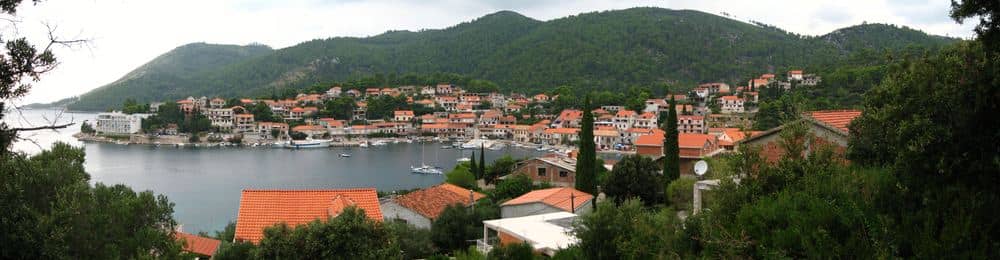
Vela Przina is a sandy beach on the southern side of the Lumbarda peninsula, facing the open sea and Lastovo, and in sand it is the only true match for Bilin zal on the northern side. The difference is exposure: while the northern side is sheltered, here the swell comes straight from the open, so the sea is fresher, and when the sirocco blows the waves are big enough for children to have fun and swimmers to take care. The sand is fine and pale, the entry gradual, and around it are grk vineyards and a few taverns. The beach has a shower, loungers and a bar, and the car park is by the road from Lumbarda, from where it is a five-minute walk. From the town of Korcula you come by bus or bicycle, about six kilometres. The crowd is largest in the afternoon, the morning is calm and the sea clearest.

Photo: Nikl Gábor / CC BY-SA 3.0

Brna Bay
Activity

Brna Bay

A deep, sheltered bay on Korčula, calm water well protected from wind.

Photo: Photograph by Greg O'Beirne / CC BY 2.5
Brna Bay
Activity

Brna Bay

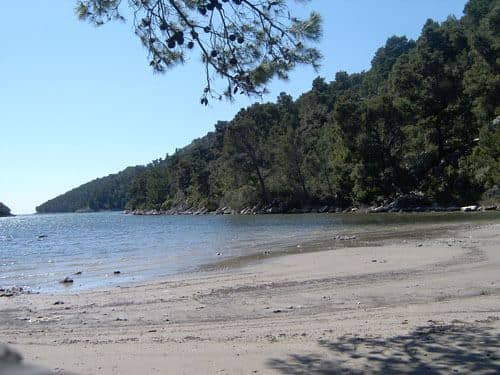
Brna is a deep bay on the southern coast of the island, the harbour of the village of Smokvica, which lies five kilometres higher up the slope. The bay is narrow and drawn in, so it is sheltered both from the bora and from most sirocco, and that is why families from Smokvica kept boats here for centuries and shipped out wine; today Brna is a small resort with a few hotels, a marina and a waterfront to stroll along. The sea is calm almost all summer, the depth grows slowly, and the shore is arranged with concrete platforms and a few shingle coves. Next to Brna is the Istruga cove with its medicinal mud. Facilities are modest but sufficient: a shop, several restaurants and boat hire. For guests looking for a quiet place with the sea at the door this is a better choice than the town of Korcula.

Photo: Photograph by Greg O'Beirne / CC BY 2.5

Istruga Beach
Activity

Istruga Beach

A quieter beach on Korčula, a step away from the busier stretches of coast.

Photo: Muleni at English Wikipedia / Public domain

Istruga Beach
Activity

Istruga Beach

Istruga is a shallow cove west of Brna, known for the medicinal mud that settles on its bottom. The cove is almost cut off from the open sea by a low belt of sand and shingle, so the water in it warms faster than elsewhere, and the mineral silt, peloid, forms through the breakdown of marine organisms in that warm, still environment. Locals have used it for centuries to coat aching joints and skin complaints, and in summer bathers are seen here smeared with a grey layer that dries in the sun before they rinse it off in the sea. The sea is very shallow, you wade far out and the bottom is soft, so the cove suits small children too. There are no facilities, no shower and no bar, and the nearest shop is in Brna, a kilometre and a half along the coast.

Photo: Muleni at English Wikipedia / Public domain

Plan your visit

Korčula in a nutshell

40 places, 1 routes.

What is actually worth your time in Korčula?

Start with Pupnatska Luka Beach, Proizd Island, and Vela Spila Cave. After that it depends on what you enjoy: the guide holds 40 places in Korčula, sorted into sights, activities, food and shopping, so you can skip whole categories that bore you.

Pupnatska Luka BeachPupnatska Luka Beach

How do you get away from the crowds in Korčula?

Follow the hidden gems: 8 places that rarely make the guidebooks, most of them a few streets off the main drag. Pupnatska Luka Beach, Proizd Island, and Vela Spila Cave are good ones to start with.
Vela Spila CaveVela Spila Cave

No time to plan? Just follow a route.

Pick one of Korčula's Fishbone Streets. Each walk runs stop by stop in a fixed order, so the only decision left is where to have lunch.
Korčula Old TownKorčula Old Town
Our tips

What we would do around Korčula

Day trips within reach of Korčula, plus the routes and quiet corners our editors keep coming back to.

Korčula itineraries

  • 7 stops

    Korčula's Fishbone Streets

    Through the Land Gate to the northern tower

    1. Land Gate and Veliki Revelin Tower
    2. Town Walls and Towers
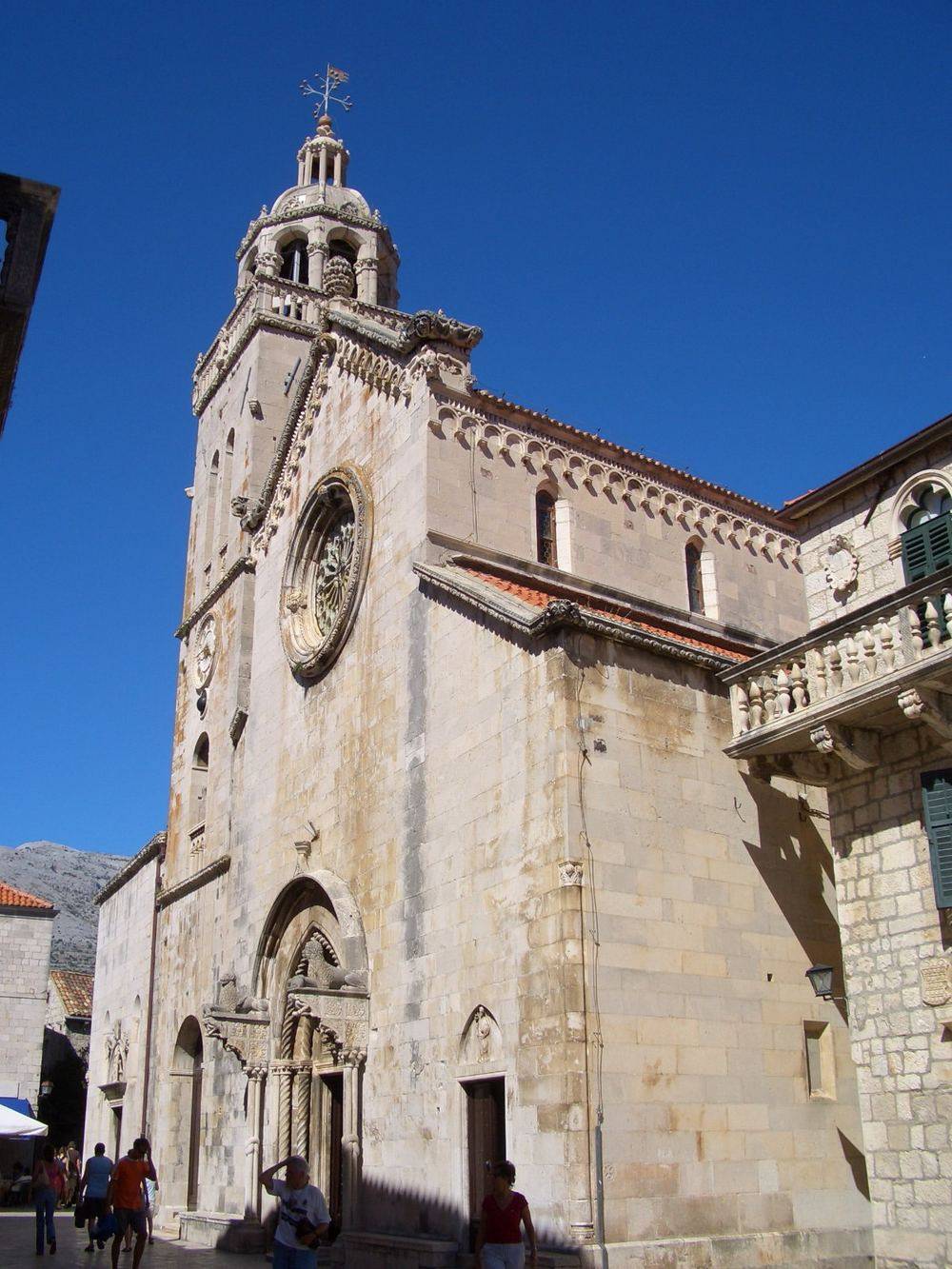
    3. St Mark's Cathedral
    4. Korčula Town Museum
    5. Marco Polo House
    6. All Saints Church
    7. Zakerjan Tower

Hidden gems in Korčula

Pupnatska Luka Beach
Legendary
Activity

Pupnatska Luka Beach

A sheltered cove on Korčula's coast, framed by pine-covered slopes.

Photo: Andrea Musi / CC BY 2.0

Pupnatska Luka Beach
Activity Legendary

Pupnatska Luka Beach

Pupnatska luka is a bay on the southern coast of the island, below the village of Pupnat, and many hold it the finest beach on Korcula: white shingle in a horseshoe, pines to the very edge of the water and a sea that, because of depth and bottom, passes from pale turquoise to deep blue within a few metres. The bay faces south and is open, so the sea is fresh, and when the sirocco blows a swell comes in. From the main island road you descend to the beach by a narrow asphalt road with hairpins, about two kilometres; the car park is tiny and fills before noon in summer, so arriving by ten in the morning is not excessive caution. Two bars and lounger hire work on the beach, the facilities are modest. From the town of Korcula it is twelve kilometres, and the bus runs rarely, so count on a car or a scooter.

Photo: Andrea Musi / CC BY 2.0

Vela Spila Cave
Legendary
Sight

Vela Spila Cave

A wide cave opening in the hillside above Vela Luka.

Photo: d.graso / CC BY 3.0

Vela Spila Cave
Sight Legendary

Vela Spila Cave

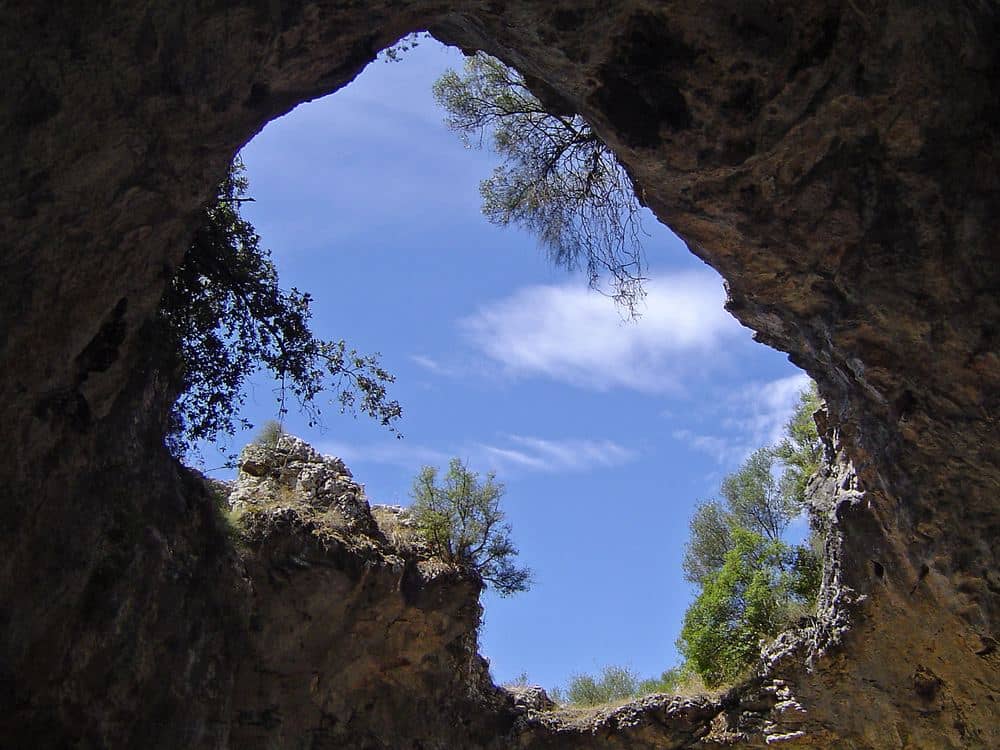
Vela spila is a large karst cave on the slope above Vela Luka, with a spacious hall and two openings in the vault through which daylight enters, so it is bright inside even without lighting. Archaeologically it is one of the most important sites on the Adriatic: excavations have shown an unbroken sequence of layers from the Upper Palaeolithic, roughly twenty thousand years ago, through the Mesolithic and Neolithic to the Bronze Age. In the layers were found stone and bone tools, remains of hearths and animal bones and early pottery, including figural fragments counted among the oldest of their kind in Europe. An asphalt road leads to the cave and a last stretch of path from Vela Luka, a climb of some twenty minutes. Entry is charged, and the finds are displayed in the cultural centre in the town.

Photo: d.graso / CC BY 3.0

Korčula Old Town
Legendary
Sight

Korčula Old Town

A walled peninsula laid out in a herringbone fishbone street plan.

Photo: lienyuan lee / CC BY 3.0
Korčula Old Town
Sight Legendary

Korčula Old Town

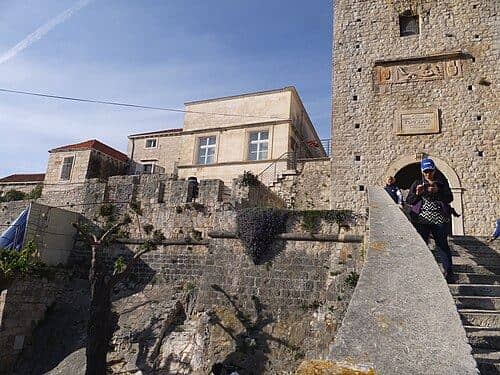
The old town of Korcula stands on an oval peninsula reaching into the Peljesac channel and is one of the best-preserved medieval towns on the Adriatic. Its plan is known for its fishbone shape: one main street runs along the spine of the peninsula, and from it narrow streets branch off on both sides toward the sea. The arrangement is not ornament but solution: the streets on the eastern side are gently curved to break the bora, and those on the western side straight to let in the summer maestral, so the town cools itself. Korcula had its own statute as early as 1214, one of the oldest legal documents in this part of Europe, regulating building, trade and the duties of citizens. The core is small and walked in an hour, but for a true picture come early in the morning or after the excursion boats have sailed.

Photo: lienyuan lee / CC BY 3.0

Explore Korčula by category

Sights

18
Vela Spila Cave
Legendary
Sight

Vela Spila Cave

A wide cave opening in the hillside above Vela Luka.

Photo: d.graso / CC BY 3.0

Vela Spila Cave
Sight Legendary

Vela Spila Cave

Vela spila is a large karst cave on the slope above Vela Luka, with a spacious hall and two openings in the vault through which daylight enters, so it is bright inside even without lighting. Archaeologically it is one of the most important sites on the Adriatic: excavations have shown an unbroken sequence of layers from the Upper Palaeolithic, roughly twenty thousand years ago, through the Mesolithic and Neolithic to the Bronze Age. In the layers were found stone and bone tools, remains of hearths and animal bones and early pottery, including figural fragments counted among the oldest of their kind in Europe. An asphalt road leads to the cave and a last stretch of path from Vela Luka, a climb of some twenty minutes. Entry is charged, and the finds are displayed in the cultural centre in the town.

Photo: d.graso / CC BY 3.0

Korčula Old Town
Legendary
Sight

Korčula Old Town

A walled peninsula laid out in a herringbone fishbone street plan.

Photo: lienyuan lee / CC BY 3.0

Korčula Old Town
Sight Legendary

Korčula Old Town

The old town of Korcula stands on an oval peninsula reaching into the Peljesac channel and is one of the best-preserved medieval towns on the Adriatic. Its plan is known for its fishbone shape: one main street runs along the spine of the peninsula, and from it narrow streets branch off on both sides toward the sea. The arrangement is not ornament but solution: the streets on the eastern side are gently curved to break the bora, and those on the western side straight to let in the summer maestral, so the town cools itself. Korcula had its own statute as early as 1214, one of the oldest legal documents in this part of Europe, regulating building, trade and the duties of citizens. The core is small and walked in an hour, but for a true picture come early in the morning or after the excursion boats have sailed.

Photo: lienyuan lee / CC BY 3.0

Samostan Gospe od Anđela
Hidden gem
Sight

Samostan Gospe od Anđela

A monastery near Korčula, a quiet place of spiritual and cultural heritage.

Photo: Añtó| Àntó (talk) 10:13, 25 February 2009 (UTC) / Public domain
Samostan Gospe od Anđela
Sight Hidden gem

Samostan Gospe od Anđela

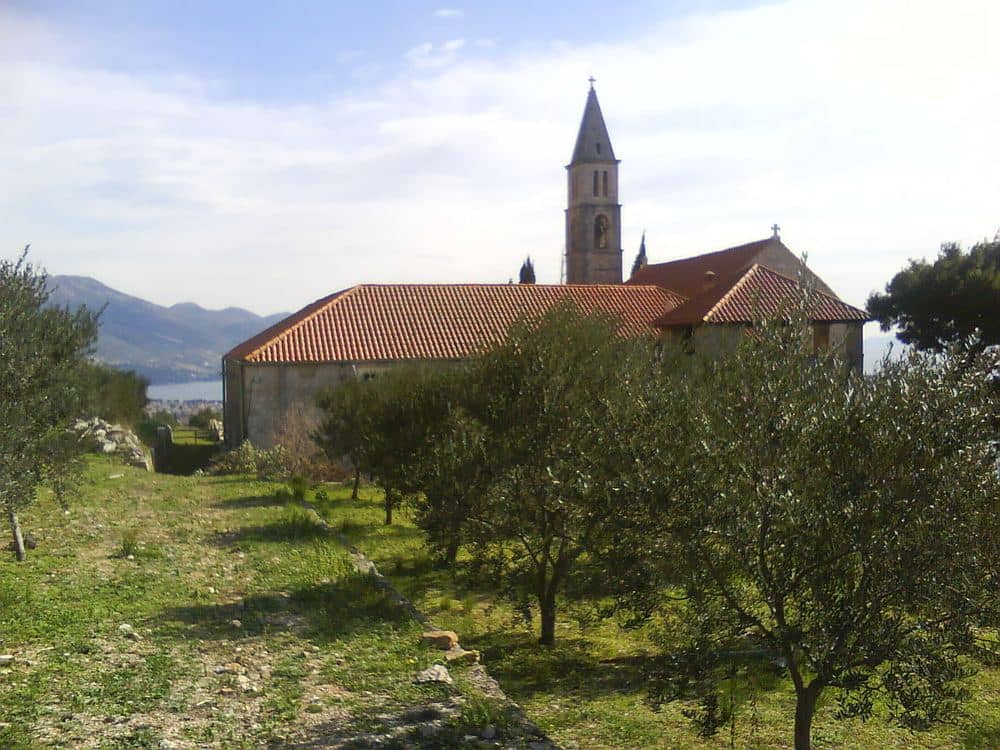
The monastery of Our Lady of the Angels stands on a steep slope above Orebic, on the Peljesac side of the channel opposite Korcula, about a hundred and fifty metres above the sea. The Franciscans raised it in the 15th century beside a church with Gothic features, and the site was not chosen by chance: from here the whole channel is watched, so for centuries the monastery was both a landmark and a votive place for seafarers. Captains from Orebic, who sailed the world in the 19th century, left votive paintings of their ships here, and ships passing through the channel would sound their horns toward the monastery. Beside the church are a cloister, a small collection and the cemetery of captains' families. A road and a footpath from Orebic lead to the monastery, a half-hour climb; the view of the Korcula old town from above is the best there is.

Insider tip

Dress modestly; many monasteries ask for covered shoulders and knees.

Photo: Añtó| Àntó (talk) 10:13, 25 February 2009 (UTC) / Public domain

Tvrđava sv. Vlaha
Hidden gem
Sight

Tvrđava sv. Vlaha

A historic fortified site near Korčula, a witness to the area's turbulent past.

Photo: Jakovbrcic1 / CC BY-SA 4.0
Tvrđava sv. Vlaha
Sight Hidden gem

Tvrđava sv. Vlaha

The fortification of St Blaise is part of the defensive system that protected Korcula from the west, where the channel opens most toward the open sea and from where danger regularly came. It bears the name of St Blaise, venerated throughout the southern Adriatic as a protector against calamity, and the structure belongs to the series of towers and bastions raised during Venetian rule, when the defence had to adapt to cannon. The town went through its most serious trial in 1571, when the Ottoman fleet under the command of Uluz Ali sailed before the walls; most of the population had taken shelter, and the remaining defenders led by the priest Antun Rozanovic held the walls and the town did not fall. Today the fortification is reached by the seaside promenade, and from its terrace one looks toward Peljesac and the sunset.

Insider tip

The ground is often rough; wear firm shoes and mind the edges.

Photo: Jakovbrcic1 / CC BY-SA 4.0

Korčula Town Museum
Sight

Korčula Town Museum

A small museum tucked into the stone streets of Korčula's old town.

Photo: rene boulay / CC BY-SA 3.0
Korčula Town Museum
Sight

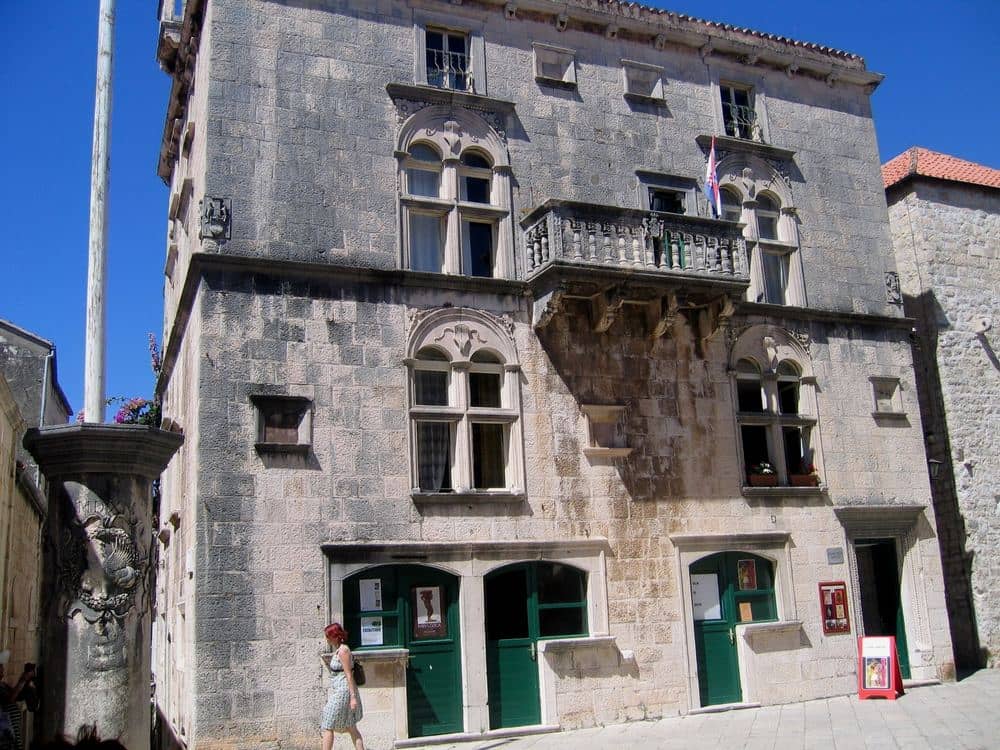
Korčula Town Museum

The Korcula Town Museum is housed in the Renaissance Gabrielis palace on the square before the cathedral and shows what the island lived on for centuries: stone, ships and wine. The stonemasonry collection shows tools and samples from the Vrnik quarries, from which stone was cut for the churches of Korcula and for buildings elsewhere on the Adriatic, and the shipbuilding room explains how Korcula built with wooden techniques that held until the 20th century. On the ground floor is a copy of the Lumbarda Psephisma, a Greek inscription of the 3rd century BC. The display is accompanied by household inventory, weapons and documents of the town administration, and the palace itself, with its courtyard staircase, counts as an exhibit. The museum is small, the visit takes some forty minutes, and opening hours are extended in season.

Photo: rene boulay / CC BY-SA 3.0

Zakerjan Tower
Sight

Zakerjan Tower

A stone tower marking a corner of Korčula's old town walls.

Photo: lienyuan lee / CC BY 3.0

Zakerjan Tower
Sight

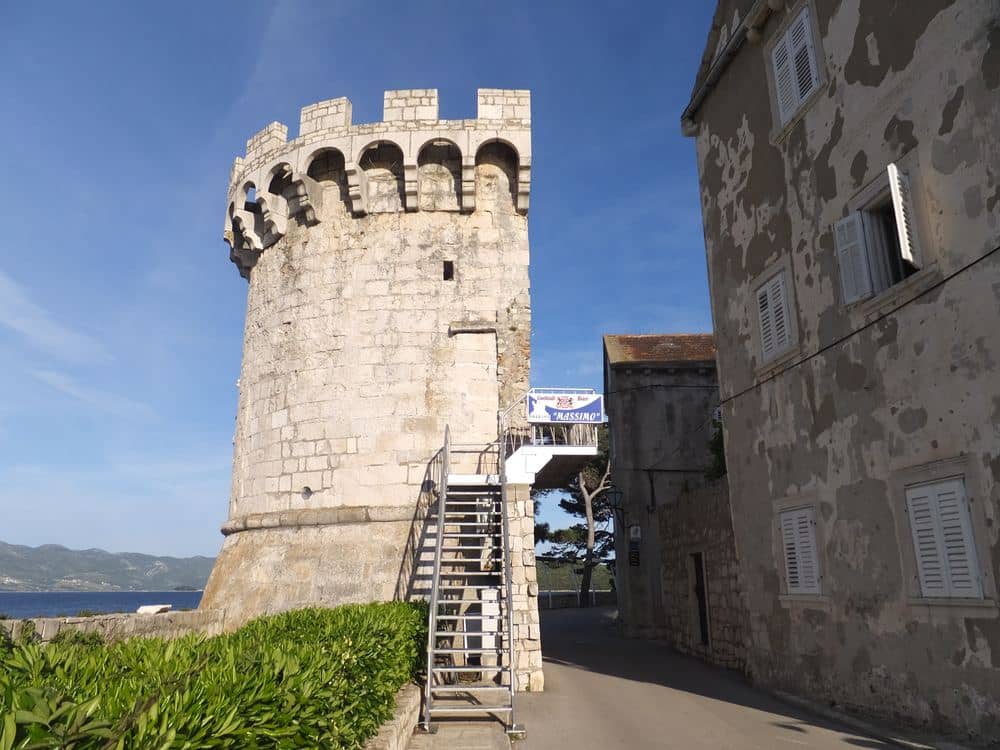
Zakerjan Tower

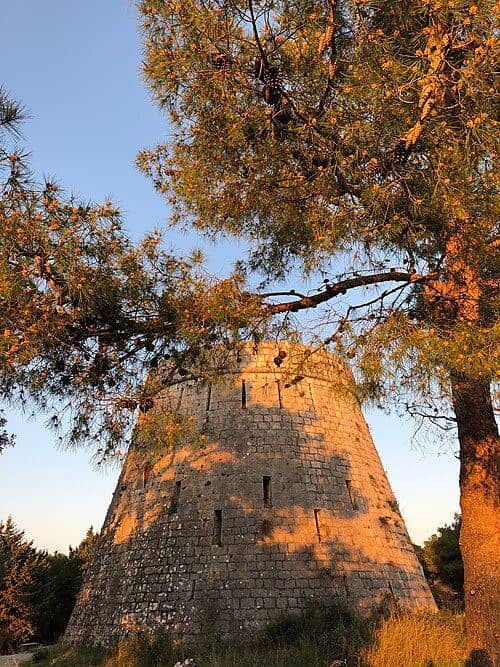
The Zakerjan tower stands at the north-western corner of the Korcula walls, where the peninsula is most exposed to the open channel, and it was raised in the 15th century as part of the seaward defensive ring. Its shape is characteristic: the lower part is massive and closed, the upper opens into a crenellated crown from which the passage of ships between Korcula and Peljesac was watched. In the summer months an open-air bar works at the top of the tower, and since the staircase is not meant for carrying loads, drinks are hauled up by a block and tackle; visitors sit by the walls with a view to the west, which is one of the better places in town for sunset. Access is by steps and is not suitable for those with limited mobility. Out of season the tower is closed, but it is seen from outside from the seaside promenade.

Photo: lienyuan lee / CC BY 3.0

12 more places
  • Pomorski muzej Orebić
  • Galerija Maksimilijana Vanke
  • All Saints Church
  • Žrnovo Village
  • Blato Old Town
  • Blato Lime Tree Avenue
  • Smokvica Village
  • St Mark's Cathedral
  • Town Walls and Towers
  • Land Gate and Veliki Revelin Tower
  • Račišće Village
  • Marco Polo House

Activities

18
Pupnatska Luka Beach
Legendary
Activity

Pupnatska Luka Beach

A sheltered cove on Korčula's coast, framed by pine-covered slopes.

Photo: Andrea Musi / CC BY 2.0
Pupnatska Luka Beach
Activity Legendary

Pupnatska Luka Beach

Pupnatska luka is a bay on the southern coast of the island, below the village of Pupnat, and many hold it the finest beach on Korcula: white shingle in a horseshoe, pines to the very edge of the water and a sea that, because of depth and bottom, passes from pale turquoise to deep blue within a few metres. The bay faces south and is open, so the sea is fresh, and when the sirocco blows a swell comes in. From the main island road you descend to the beach by a narrow asphalt road with hairpins, about two kilometres; the car park is tiny and fills before noon in summer, so arriving by ten in the morning is not excessive caution. Two bars and lounger hire work on the beach, the facilities are modest. From the town of Korcula it is twelve kilometres, and the bus runs rarely, so count on a car or a scooter.

Photo: Andrea Musi / CC BY 2.0

Moreška Sword Dance
Activity

Moreška Sword Dance

A centuries-old sword dance of rival kings and a captive bride.

Photo: Pzmn / CC BY-SA 3.0

Moreška Sword Dance
Activity

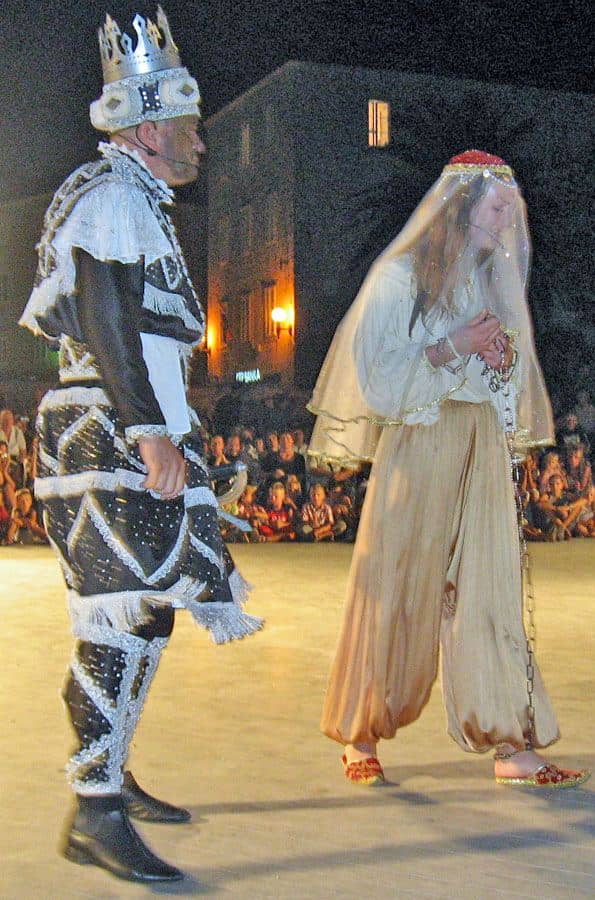
Moreška Sword Dance

The Moreska is a knightly sword dance performed in Korcula since at least the 16th century and the only such dance in the Mediterranean that has survived without a break. The plot is simple: the white king Osman and the black king Moro fight over Bula, a girl the black king has abducted, and the conflict is resolved in seven combat figures performed with real swords, to brass band music and an ever faster rhythm. The dance is performed exclusively by people of Korcula, the roles are handed down over years, and swords occasionally break, which is part of the show. The Moreska was once danced only on the feast of St Theodore on 29 July, the town patron; today in summer it is performed several times a week on the open stage by the land gate. Tickets are bought in advance, the performance lasts about an hour.

Photo: Pzmn / CC BY-SA 3.0

Žitna Beach
Activity

Žitna Beach

A relaxed beach on Korčula, easy to reach and easy to settle into.

Photo: Kris Sliver / CC BY-SA 3.0
Žitna Beach
Activity

Žitna Beach

Zitna is a bay on the southern coast of the island below the village of Cara, with two beaches divided by a cape: a larger shingle one, with a car park and a seasonal bar, and a smaller one reached by a path along the rocks. The sea here is open to the south and therefore clear, and the depth grows moderately, so swimming is pleasant even for those who dislike deep water right away. Behind the beach are vineyards where posip is grown, a white variety originating precisely in Cara and neighbouring Smokvica and today the best-known Korcula wine. Zitna is reached from the main road by an asphalt road, about four kilometres from Cara, and the car park is small. There is little shade, so a parasol is not a bad idea; the best time is late afternoon, when the rocks have cooled.

Photo: Kris Sliver / CC BY-SA 3.0

Vrnik Island
Activity

Vrnik Island

A tiny island a short boat ride from Korčula, quiet enough for a swim away from the crowds.

Photo: Anto (talk) 10:28, 14 August 2009 (UTC) / CC BY-SA 3.0
Vrnik Island
Activity

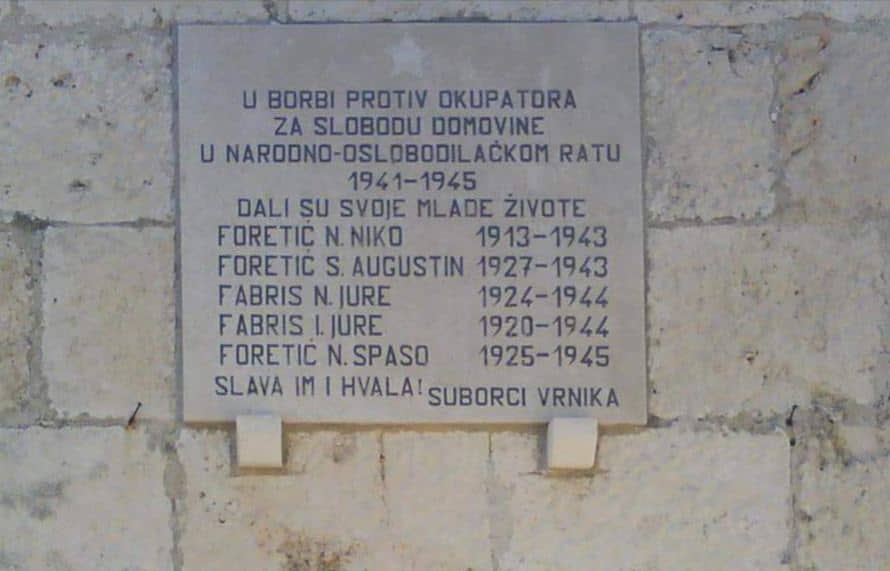
Vrnik Island

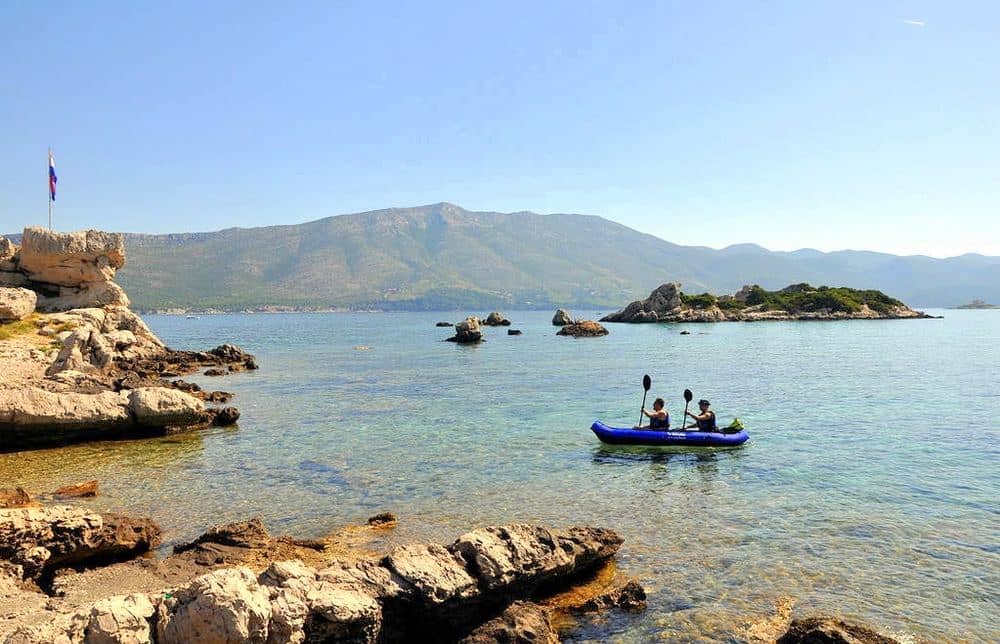
Vrnik is an islet in the Skoji group, a few minutes by boat from Korcula, and its entire history is in one word: stone. From the Vrnik quarries white limestone was cut for centuries, of which the Korcula cathedral, the town towers and numerous palaces in Dalmatian cities were built; the stonecutters lived on the islet itself, so in the 19th century Vrnik had several hundred inhabitants, a school and a chapel. When demand for stone fell the people left and the houses became summer homes; today a few families live here permanently, and in summer two taverns and a small art workshop open. The abandoned quarries are visible as flat white faces along the shore. A taxi boat runs to Vrnik from Korcula and Lumbarda, and bathing is from concrete platforms into deep water.

Photo: Anto (talk) 10:28, 14 August 2009 (UTC) / CC BY-SA 3.0

Stupe Island
Activity

Stupe Island

A small island near Korčula, a favourite stop for a boat trip and a swim.

Photo: Andrzej Woliński / CC BY-SA 3.0
Stupe Island
Activity

Stupe Island

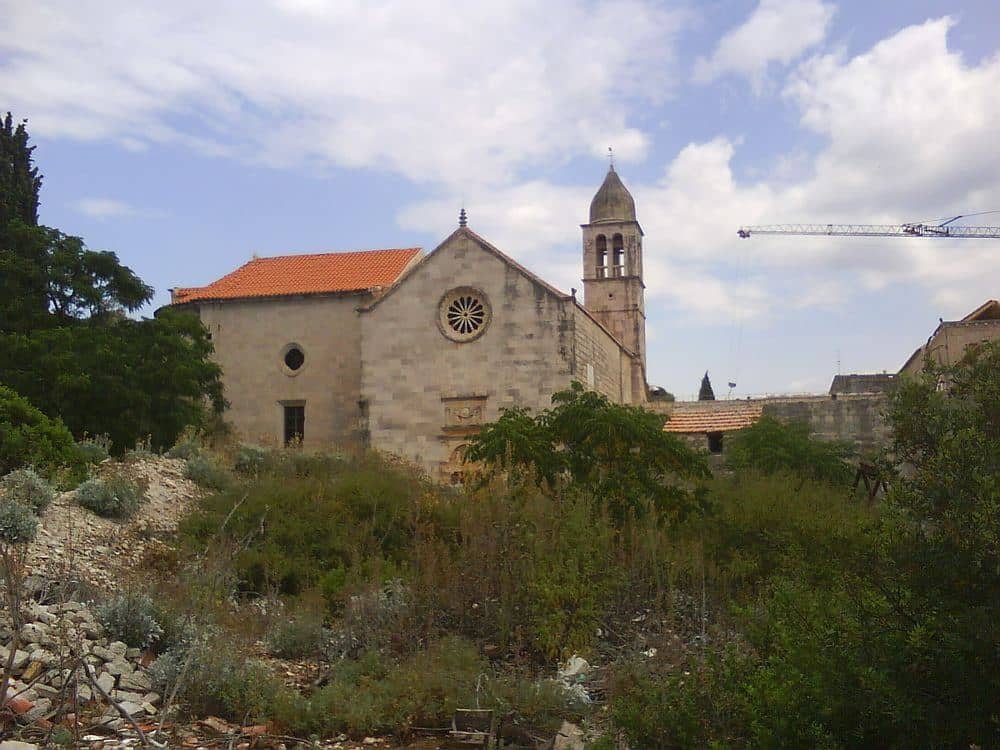
Stupe are two islets in the Skoji group east of Korcula, Vela and Mala Stupa, and between them lies a shallow passage with a sandy bottom in which the sea takes on a pale colour rarely seen in this part of the Adriatic. The islets are uninhabited, covered in low pinewood and maquis, and the shore is mostly rocky, with a few coves where boats anchor. In summer a restaurant with a jetty works on Vela Stupa, so the islet is a regular stop for excursion boats from Korcula and Lumbarda touring the Skoji. For those coming in their own boat, the anchorage is sheltered from the bora and exposed to the sirocco. The passage between the islets is shallow and sandy and therefore suits children; the rest of the shore calls for swimming. Stupe is reached in about fifteen minutes of sailing.

Photo: Andrzej Woliński / CC BY-SA 3.0

Badija Island
Activity

Badija Island

A pine-clad islet with a Franciscan monastery and free-roaming deer.

Photo: Anto / CC BY-SA 3.0

Badija Island
Activity

Badija Island

Badija is the largest islet of the Skoji group off Korcula, covered in pinewood, and on it stands a Franciscan monastery founded at the end of the 14th century. The monastery church and the Gothic-Renaissance cloister were raised during the 15th century, when the community was numerous and had its own library; after 1950 the complex was taken from the order and turned into a sports centre, and it was returned to the Franciscans in 2003 and is being restored. The islet is also known for the fallow deer that walk freely among the pines, descendants of animals brought in during the 20th century. The shore is rocky, with concrete platforms and ladders, and the sea deep and clear. A taxi boat runs to Badija from Korcula harbour, the crossing taking some ten minutes. Bring water, because the offer on the island is seasonal and modest.

Photo: Anto / CC BY-SA 3.0

12 more places
  • Proizd Island
  • Bačva Beach
  • Vaja Bay
  • Škoji Archipelago
  • Bilin Žal Beach, Lumbarda
  • ACI Marina Korčula
  • Korčula Ferry Port
  • Vela Pržina Beach
  • Vela Luka Waterfront
  • Brna Bay
  • Istruga Beach
  • Hum Peak above Vela Luka

Shopping

4
4 more places
  • Korčula Town Market
  • Korčula Fish Market
  • Lumbarda Market
  • Vela Luka Market

Korčula: quick answers

How do I get to Korčula?
Fast catamarans run from Split and from Dubrovnik to Korčula town in season, about two to three hours. With a car, the short Orebić ferry crosses from the Pelješac peninsula, now reached by motorway and the Pelješac bridge.
When can I see the Moreška?
Through the summer season the ensemble performs on a fixed weekly evening, usually Thursdays, with extra dates around the town feast of St Theodore at the end of July. Tickets are sold locally and evenings sell out in August.
Are there sandy beaches?
Yes, a rarity in Dalmatia: at Lumbarda, six kilometres from town, the Vela Pržina and Bilin Žal beaches are real sand under vineyards, reachable by bus, bike or taxi boat.

CroVenture App

Explore Korčula with CroVenture

Places unlock as you reach them, with a passport that fills up as you explore.