Skip to content
All cities

Hvar. Things to do, map and hidden gems

44 curated places· 10 hidden gems· 1 upcoming events
Hvar
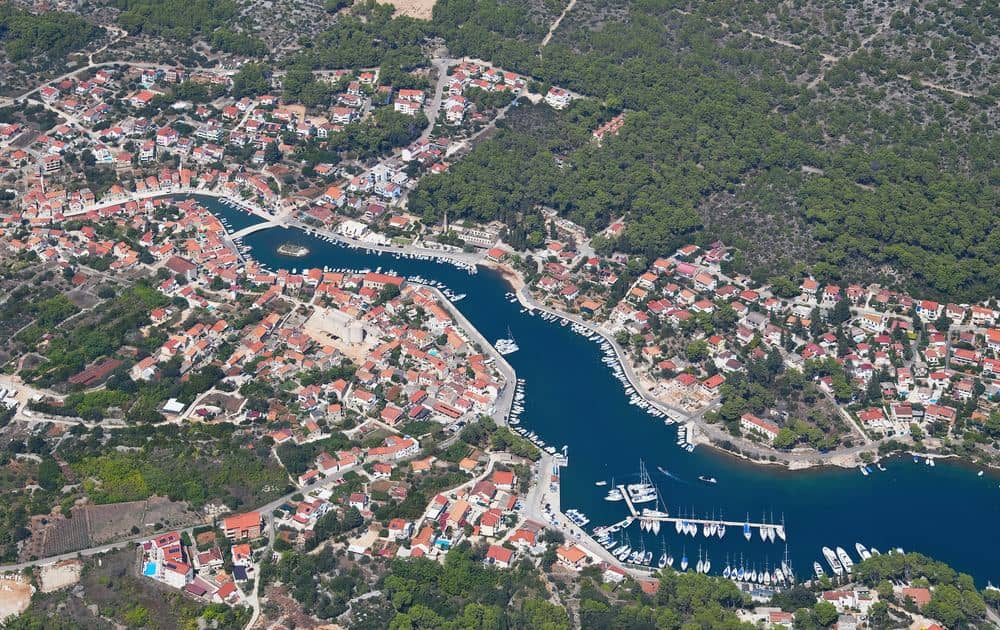
Photo: Falk2 / CC BY-SA 3.0 de

Hvar town packs a Venetian square, a hilltop Spanish fortress and Croatia's oldest public theatre into an amphitheatre of stone around its harbour, and in July the harbour answers with the highest yacht density in the Adriatic. The island behind it is the sunniest place in the country, which the lavender fields and the vineyards of the interior have known for centuries.

The Pakleni archipelago starts right off the harbour: taxi boats shuttle all day to the pine-covered islets, and that swim-and-return rhythm is what an Hvar day actually looks like.

What to see on Hvar: Fortica, the Arsenal, the Stari Grad Plain

The next 7 days

Weather data by Open-Meteo.com

Opening hours and prices

The places we keep opening hours and price levels for. Times change with the season, so treat the official page as the last word.

PlaceOpening hoursPriceOfficial page
Sveti Nikola PeakAlways open; check access, weather, park rules and daylight before hiking.--

Climate month by month

Ten-year averages for Hvar, so you can see what a month usually looks like rather than what this week happens to do.

MonthDay °CNight °CRain daysSea °C
January1161115
February1381015
March1491015
April1712916
May21161019
June2721424
July3023226
August3023426
September2520725
October2116923
November17121419
December1391017

Air 2015 to 2024, sea 2022 to 2024. A rain day is 1 mm or more. Data by Open-Meteo.com

Hvar on video

The light of Hvar

YouTubeHvar2:47

Beaches in Hvar

Dubovica Beach
Legendary
Activity

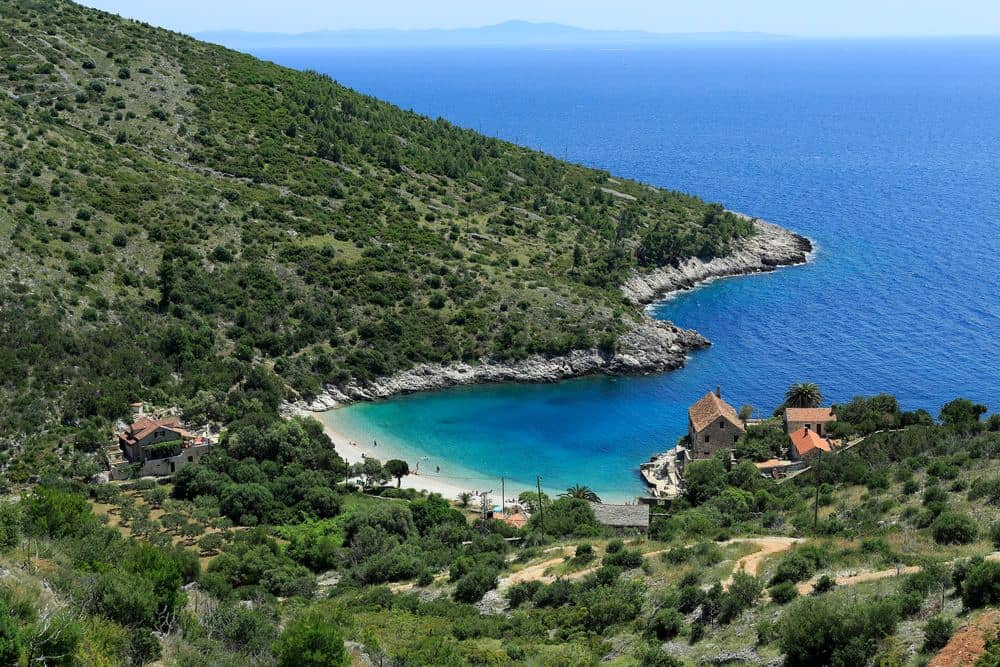
Dubovica Beach

A quiet cove on Hvar's south coast with clear, calm water for a swim.

Photo: Falk2 / CC BY-SA 3.0 de
Dubovica Beach
Activity Legendary

Dubovica Beach

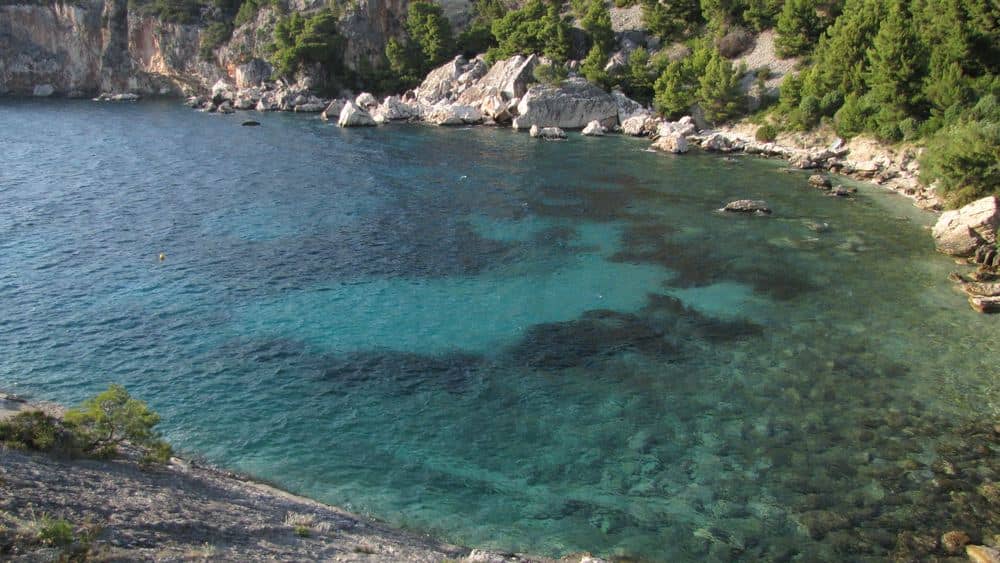
Dubovica is a cove on the southern shore of the island, about eight kilometres east of the town of Hvar, along the old road toward Stari Grad. Two headlands close the cove, and at its head lies a pebble beach with larger stones and very clear water that deepens quickly. Right by the beach stands a 19th-century stone house with dry-stone terraces, one of the most photographed buildings on the island. From the road a steep path leads down to the beach in some ten minutes, and the parking by the road is small and full before noon in summer. There are no showers and no shade apart from a few trees, so it is worth bringing water and a parasol.

Photo: Falk2 / CC BY-SA 3.0 de

Zaraće Beach
Activity

Zaraće Beach

A secluded bay on Hvar's south coast, worth the detour for a quiet swim.

Photo: Dejan Sekuloski / CC BY 3.0
Zaraće Beach
Activity

Zaraće Beach

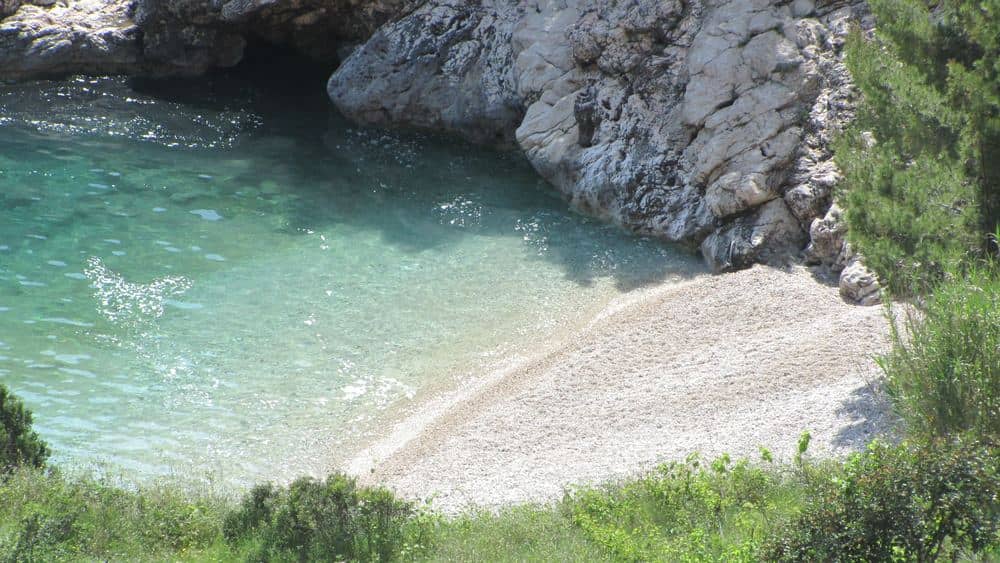
Zarace are two neighbouring coves on the southern side of the island, Malo and Velo Zarace, divided by a rocky ridge pierced by a low natural passage through which one can swim from one to the other. The beaches are pebbly and narrow, ringed by white rock and pines, and the sea, exposed to the open water, is colder and clearer than in sheltered bays. The coves are reached by turning off the main road through the village of the same name, then by a steep track whose last two hundred metres become steps. There is no catering apart from a small tavern in season, so bring your own water. In a strong southerly the sea throws in waves and swimming is then unpleasant.

Photo: Dejan Sekuloski / CC BY 3.0

Lučišća Beach
Activity

Lučišća Beach

A small beach on Hvar's south coast, tucked below the hillside.

Photo: Dejan Sekuloski / CC BY 3.0
Lučišća Beach
Activity

Lučišća Beach

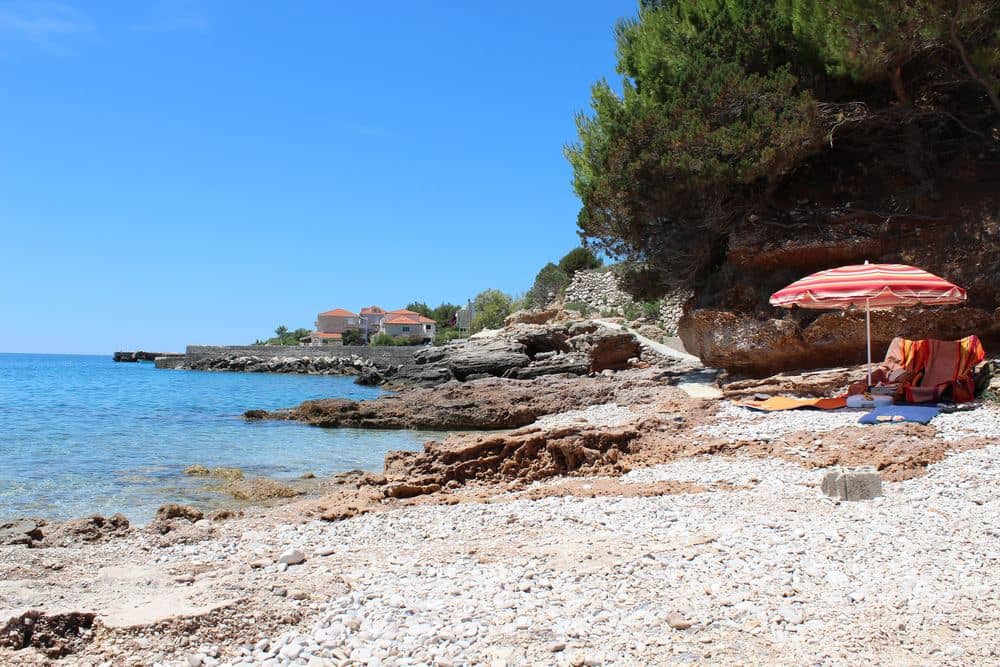
Lucisca is a small cove on the southern shore of Hvar, one in a line of hidden inlets between Zavala and Ivan Dolac, reached not by asphalt road but by a gravel track and a footpath through the vineyards. The beach is of white pebbles and short, and the sea, open to the offing, is exceptionally clear and a few degrees cooler than in the island's northern coves. The cove faces south, so the sun stays on it until it sets, but in a strong southerly the sea throws in waves and swimming is not pleasant. There are no facilities at all: no showers, no bar, no shade except at the edge. Bring water, food and shoes for walking on pebble and stone, and the phone signal is weak.

Photo: Dejan Sekuloski / CC BY 3.0

Pokonji Dol Beach
Activity

Pokonji Dol Beach

A beach just east of Hvar's old town, easy to reach on foot for a swim.

Photo: Tromber / CC BY-SA 4.0
Pokonji Dol Beach
Activity

Pokonji Dol Beach

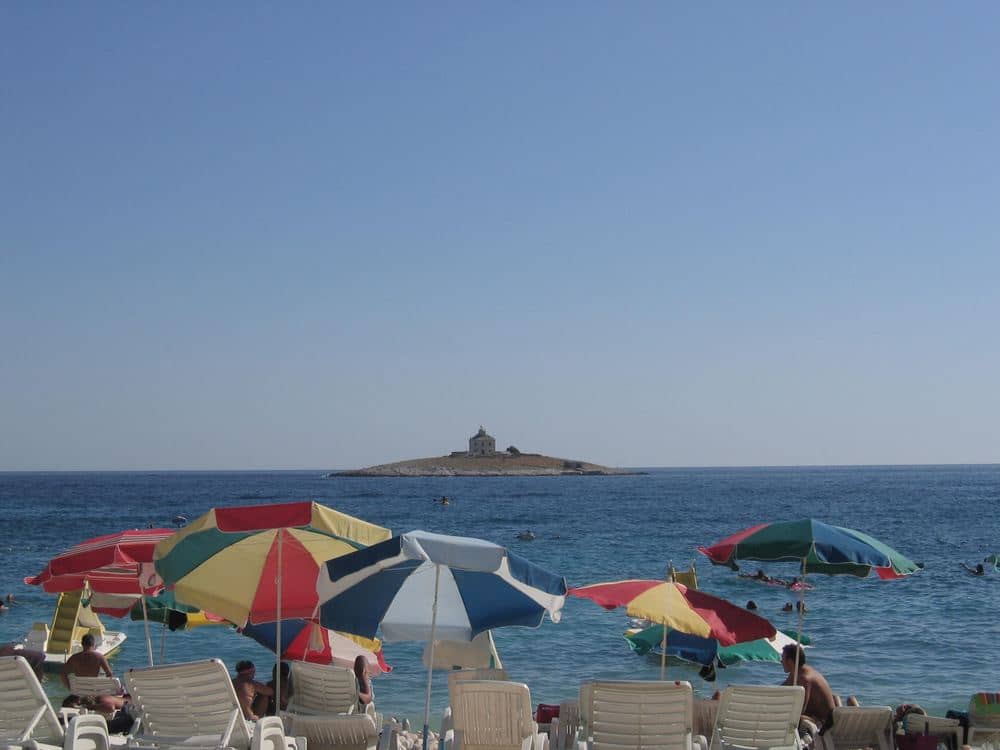
Pokonji Dol is a cove a little over a kilometre east of Hvar harbour, named after the islet of the same name with its lighthouse, which lies opposite the shore and breaks the waves, so the sea in the cove is almost always calm. The beach is of finer pebbles and the entry into the water is gradual, which makes it the most suitable family beach near the town. It is reached by the shore promenade that starts at the Franciscan monastery and takes some twenty minutes, the last part leading through pine wood that gives shade. Two beach bars with loungers and showers work by the beach. In the morning it is nearly empty, in the afternoon many bathers arrive, and the sun stays on it until late in the day.

Photo: Tromber / CC BY-SA 4.0

Zavala Beach
Activity

Zavala Beach

A stretch of coast on Hvar's south side, open and easy for an unhurried swim.

Photo: Topalaska / CC BY-SA 4.0
Zavala Beach
Activity

Zavala Beach

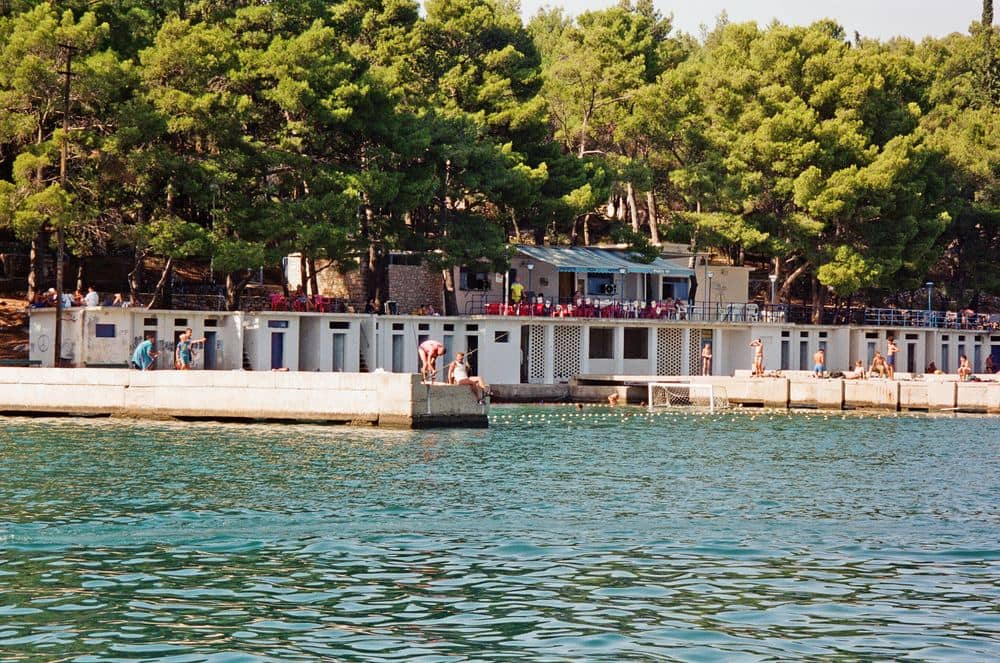
Zavala is a village on the southern shore of Hvar, facing Korcula and the open sea, and it is reached through the Pitve to Zavala tunnel, a narrow one-way cut about a kilometre and a half long that was made in the 1960s out of a water-supply gallery. The tunnel has neither lighting nor pavement and takes only one vehicle, so before entering you wait for oncoming traffic to clear; it is precisely because of the tunnel that the southern shore long stayed thinly settled. The beach is pebbly and narrow, with very clear water that deepens quickly, and the slopes around are terraced with vineyards of plavac mali. Several taverns work in the village. The sun stays on the beach until late in the afternoon.

Photo: Topalaska / CC BY-SA 4.0

Bonj Beach
Activity

Bonj Beach

A beach right at the edge of Hvar's old town, made for a quick swim between sights.

Photo: Herbert wie / CC BY-SA 4.0

Bonj Beach
Activity

Bonj Beach

Bonj is a beach west of Hvar harbour, the first larger cove outside the old core, a ten-minute walk from the square along the sea. It is recognised by the row of stone arcades along the shore, built in the 1920s when Hvar got its first hotels and bathing places were built as architecture, with cabins, covered rest areas and a made approach to the water. The arcades still stand and there is shade under them. The beach is pebbly with concrete platforms, and the sea is calm as the cove faces north-west. Part of the beach belongs to a hotel and has loungers for a fee, part is free. In the afternoon it stays sunny until late.

Photo: Herbert wie / CC BY-SA 4.0

Plan your visit

Hvar in a nutshell

44 places, 1 routes.

What is actually worth your time in Hvar?

Start with Dubovica Beach, Palmižana Marina, and Tvrdalj Castle. After that it depends on what you enjoy: the guide holds 44 places in Hvar, sorted into sights, activities, food and shopping, so you can skip whole categories that bore you.

Dubovica BeachDubovica Beach

How do you get away from the crowds in Hvar?

Follow the hidden gems: 10 places that rarely make the guidebooks, most of them a few streets off the main drag. Dubovica Beach, Palmižana Marina, and Tvrdalj Castle are good ones to start with.
Palmižana MarinaPalmižana Marina

No time to plan? Just follow a route.

Pick one of From the Pjaca to the Fortica. Each walk runs stop by stop in a fixed order, so the only decision left is where to have lunch.
Tvrdalj CastleTvrdalj Castle
Our tips

What we would do around Hvar

Day trips within reach of Hvar, plus the routes and quiet corners our editors keep coming back to.

Hvar itineraries

  • 7 stops

    From the Pjaca to the Fortica

    The Renaissance town and the fortress above it

    1. St Stephen's Square & Cathedral
    2. Arsenal & Hvar Theatre
    3. Hvar Loggia
    4. Franciscan Monastery
    5. Benedictine Monastery
    6. Hanibal Lucić Summer Residence
    7. Fortica (Spanish Fortress)

Hidden gems in Hvar

Dubovica Beach
Legendary
Activity

Dubovica Beach

A quiet cove on Hvar's south coast with clear, calm water for a swim.

Photo: Falk2 / CC BY-SA 3.0 de

Dubovica Beach
Activity Legendary

Dubovica Beach

Dubovica is a cove on the southern shore of the island, about eight kilometres east of the town of Hvar, along the old road toward Stari Grad. Two headlands close the cove, and at its head lies a pebble beach with larger stones and very clear water that deepens quickly. Right by the beach stands a 19th-century stone house with dry-stone terraces, one of the most photographed buildings on the island. From the road a steep path leads down to the beach in some ten minutes, and the parking by the road is small and full before noon in summer. There are no showers and no shade apart from a few trees, so it is worth bringing water and a parasol.

Photo: Falk2 / CC BY-SA 3.0 de

Palmižana Marina
Legendary
Activity

Palmižana Marina

A small island marina near Hvar Town, a quiet base for a day among the islands.

Photo: Dejan Sekuloski / CC BY 3.0

Palmižana Marina
Activity Legendary

Palmižana Marina

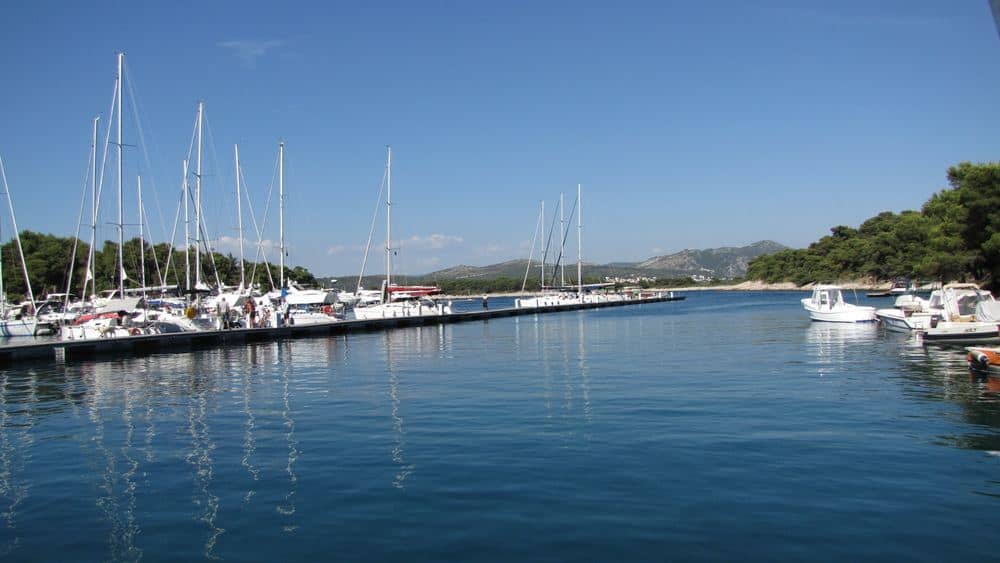
Palmizana is a cove on the northern side of Sveti Klement, the largest of the Pakleni chain, and the only place in the archipelago with a proper marina, sheltered from both the bora and the southerly. Above the cove lies a botanical garden that the Meneghello family began planting at the start of the 20th century, with palms, agaves, cacti and exotic species brought back from travels; around the garden grew the pavilions and restaurants that work to this day. Over the low hill, a fifteen-minute walk, is a pebble beach facing south. Taxi boats from Hvar run regularly and the crossing takes some twenty minutes. Half a day is enough for a visit, and shoes for the forest paths are useful.

Photo: Dejan Sekuloski / CC BY 3.0

Tvrdalj Castle
Legendary
Sight

Tvrdalj Castle

A fortified stone residence in the heart of Stari Grad's old town.

Photo: F.G. / CC BY-SA 3.0
Tvrdalj Castle
Sight Legendary

Tvrdalj Castle

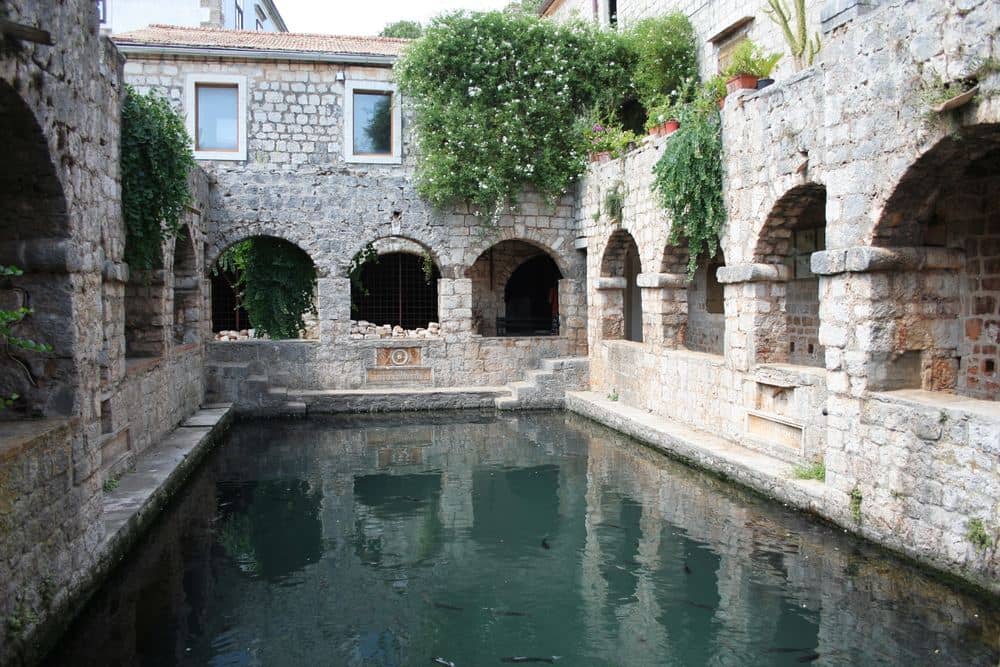
Tvrdalj is the summer residence of the poet Petar Hektorovic in Stari Grad, built from 1520 and conceived as a fortified estate that in case of attack would take in the neighbours as well. The heart of the complex is a rectangular fishpond of sea water in which grey mullet still swim, ringed by a covered portico; beside it are a dovecote, a cistern and a garden of medicinal herbs. Latin, Croatian and Italian inscriptions chosen by Hektorovic himself are carved into the walls, among them one on the transience of all things human. Here the poet wrote Fishing and Fishermen's Conversation of 1556, one of the first works of Croatian literature about ordinary people. The visit takes half an hour.

Photo: F.G. / CC BY-SA 3.0

Explore Hvar by category

Sights

20
Tvrdalj Castle
Legendary
Sight

Tvrdalj Castle

A fortified stone residence in the heart of Stari Grad's old town.

Photo: F.G. / CC BY-SA 3.0

Tvrdalj Castle
Sight Legendary

Tvrdalj Castle

Tvrdalj is the summer residence of the poet Petar Hektorovic in Stari Grad, built from 1520 and conceived as a fortified estate that in case of attack would take in the neighbours as well. The heart of the complex is a rectangular fishpond of sea water in which grey mullet still swim, ringed by a covered portico; beside it are a dovecote, a cistern and a garden of medicinal herbs. Latin, Croatian and Italian inscriptions chosen by Hektorovic himself are carved into the walls, among them one on the transience of all things human. Here the poet wrote Fishing and Fishermen's Conversation of 1556, one of the first works of Croatian literature about ordinary people. The visit takes half an hour.

Photo: F.G. / CC BY-SA 3.0

Fortica (Spanish Fortress)
Legendary
Sight

Fortica (Spanish Fortress)

A hilltop fortress crowning Hvar with the town's most famous view.

Photo: Steve Jurvetson / CC BY 2.0
Fortica (Spanish Fortress)
Sight Legendary

Fortica (Spanish Fortress)

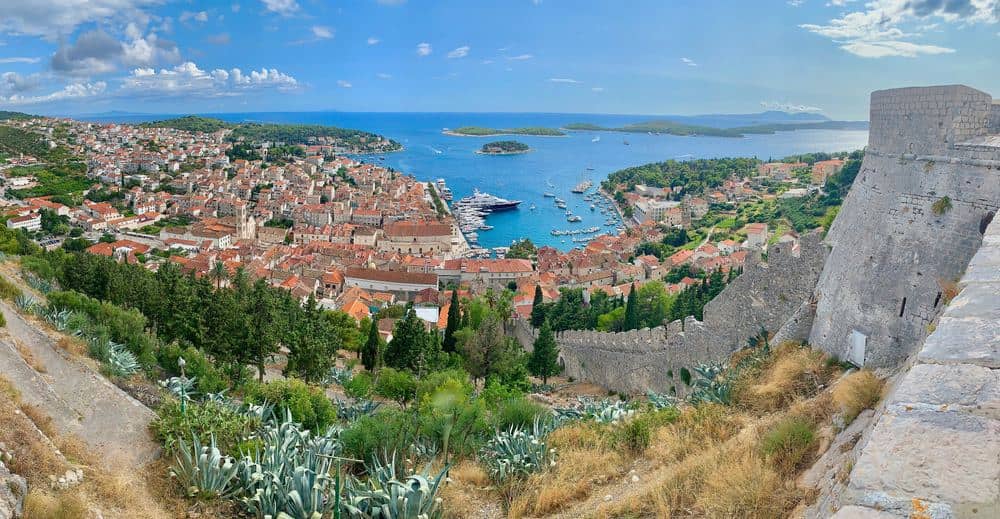
The Fortica fortress, also known as Spanjola, stands on a hill about a hundred metres above the town of Hvar and was raised in the 16th century on the site of an older fortification. It was built after the Ottoman fleet burned the town in 1571: the new fortress was to take in the population and to control with cannon the entrance to the harbour and the Pakleni archipelago. In 1579 lightning struck it and set the powder magazine alight, which destroyed part of the walls, so it was rebuilt at the end of the century. Today it holds a small collection of amphorae raised from the sea, the dungeons and a terrace from which the whole harbour with its islets is visible. The climb from town takes twenty minutes up steep steps and a path; the ticket is cheap, and the best moment is sunset.

Photo: Steve Jurvetson / CC BY 2.0

Šime Ljubić Mausoleum
Hidden gem
Sight

Šime Ljubić Mausoleum

The classicist house and mausoleum of the historian Šime Ljubić in Stari Grad.

Photo: Chippewa / CC BY-SA 4.0
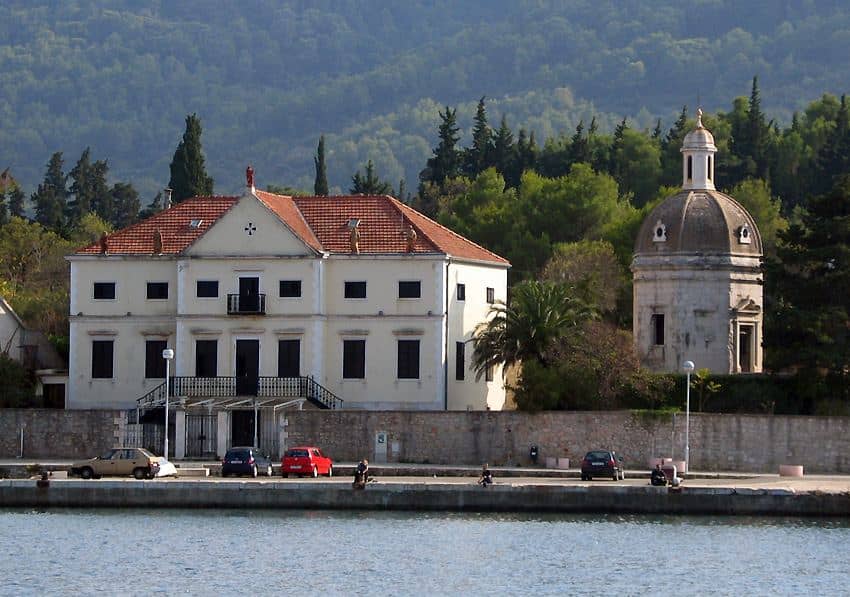
Šime Ljubić Mausoleum
Sight Hidden gem

Šime Ljubić Mausoleum

The house and mausoleum of Sime Ljubic stand at the edge of Stari Grad, along the road toward the plain. Ljubic, born in Stari Grad in 1822, was a priest, archaeologist and historian, for many years director of the National Museum in Zagreb and one of the founders of Croatian archaeology: he gathered inscriptions, coins and objects from the island and published the first systematic surveys of the antiquities of Dalmatia. He had the house built in the classicist manner, and beside it a mausoleum was raised in which he was buried after his death in 1896. The building is plain, with a triangular gable and a symmetrical front, untypical of island architecture. It is seen from outside, and a few old cypresses stand within the grounds.

Insider tip

Combine the visit with a walk along Stari Grad bay and a stroll through the old centre.

Photo: Chippewa / CC BY-SA 4.0

Likorova kuća (Likar's House)
Hidden gem
Sight

Likorova kuća (Likar's House)

The ruins of a 19th-century country house on the slopes above Stari Grad.

Photo: Gampe / CC BY-SA 4.0
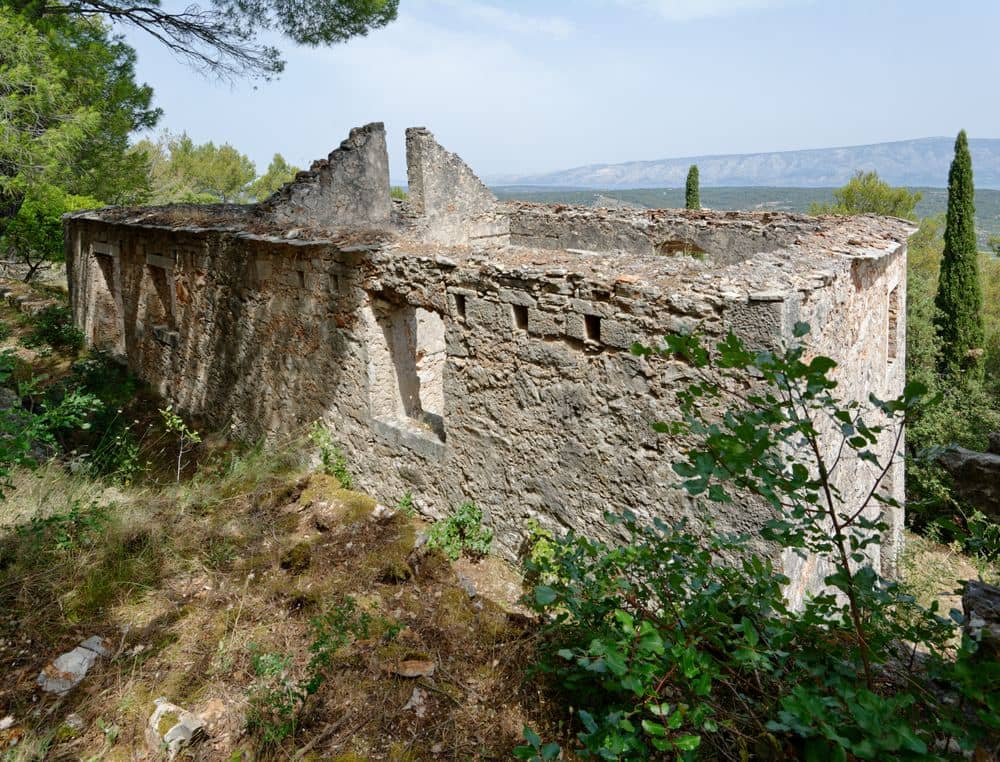
Likorova kuća (Likar's House)
Sight Hidden gem

Likorova kuća (Likar's House)

Likorova kuca is the ruin of a 19th-century country house on the slope above Stari Grad, surrounded by terraces that were once vineyard. Estates like this were built when winegrowing on Hvar was at its height, since phylloxera had laid waste the French vineyards and demand for Dalmatian wine rose sharply; families then raised houses outside the settlements, beside their own plantings. When phylloxera reached the island too, the income vanished, people emigrated to America and the houses stayed empty. Today the walls, doorposts and cistern are visible, with maquis growing around them. A field track leads to the spot; there are no signs and no maintained path, so good shoes are needed.

Insider tip

A field track through olive groves leads to the ruins; ideal for a quiet trip by bike or on foot.

Photo: Gampe / CC BY-SA 4.0

Svjetionik Pokonji Dol
Hidden gem
Sight

Svjetionik Pokonji Dol

A lighthouse on the coast near Hvar, a landmark for sailors.

Photo: Николай Максимович / CC BY 3.0
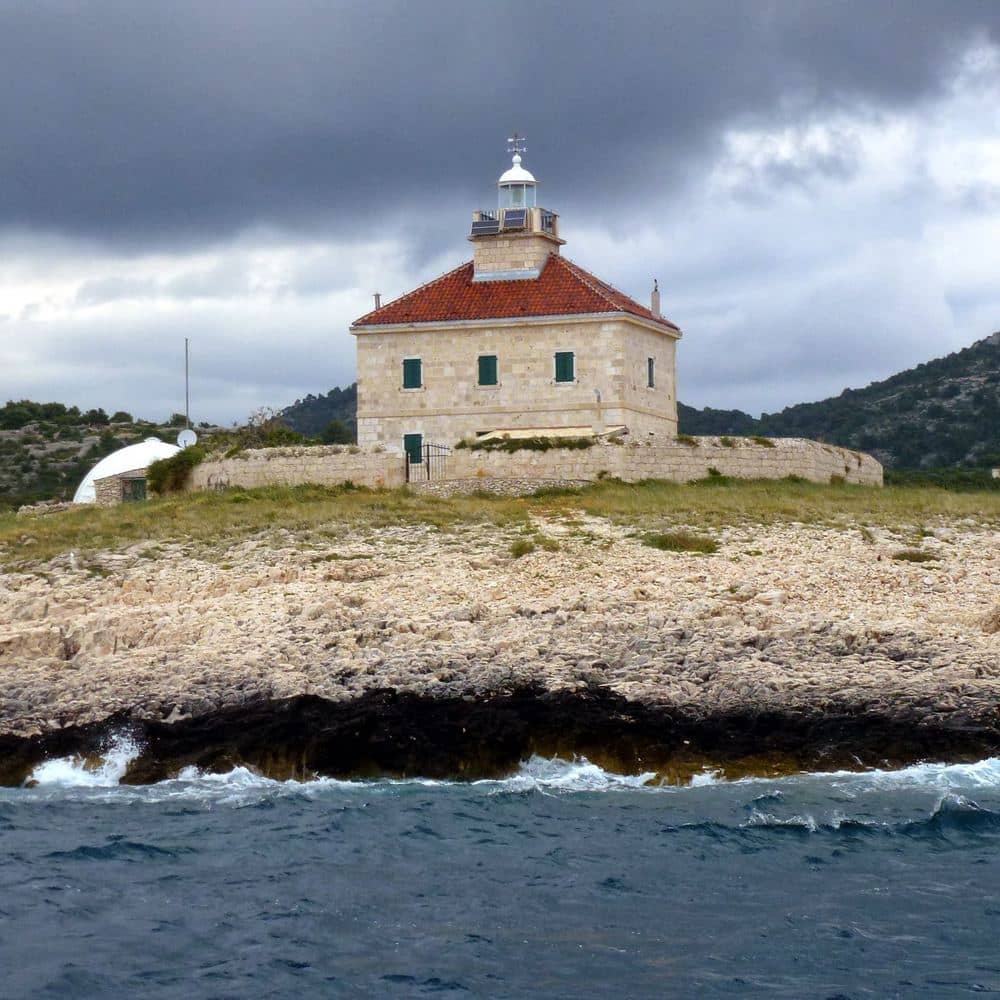
Svjetionik Pokonji Dol
Sight Hidden gem

Svjetionik Pokonji Dol

The Pokonji Dol lighthouse stands on a low islet before the entrance to Hvar harbour and marks the approach to the town from the east. It was raised in the 19th century, in the period when the Austrian maritime administration was systematically equipping the eastern Adriatic with lighthouses, since steamer traffic demanded safe navigation by night as well. The tower is low and white, beside it the stone house of the former keeper, and the islet is bare, with no growth but low scrub. Today it works automatically. No scheduled line calls at the islet, but it is seen from the shore and from the taxi boats heading to the Pakleni islands, and the best view of it is from the Pokonji Dol beach opposite.

Insider tip

Many lighthouses can be seen only from outside or by boat; check access.

Photo: Николай Максимович / CC BY 3.0

Mirje
Hidden gem
Sight

Mirje

An archaeological site near Hvar that speaks of the area's distant past.

Photo: Argo Navis / CC BY-SA 4.0

Mirje
Sight Hidden gem

Mirje

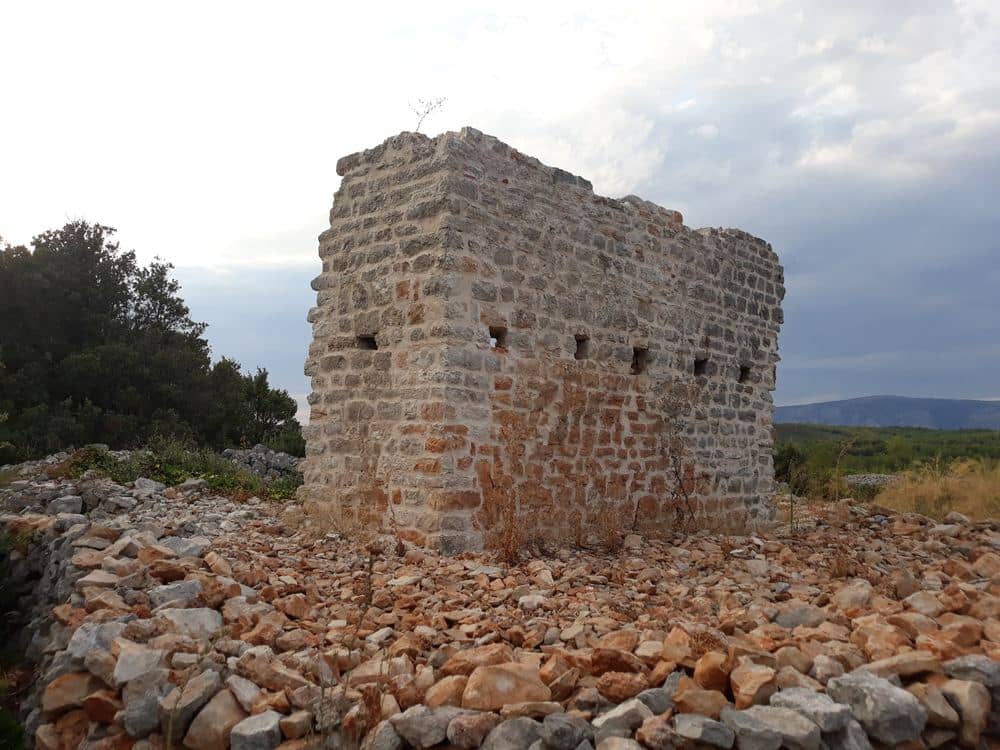
Mirje is an archaeological site on the eastern edge of Stari Grad Plain, near Dol, where walls of an ancient farming estate can be made out among the stone and the maquis. Roman villae rusticae lined the plain because the land the Greeks had parcelled out stayed in cultivation under Roman rule as well: on such estates oil and wine were pressed and shipped out from the bay of Stari Grad. At Mirje the remains of walls built of regularly laid stone are visible, along with parts of rooms and traces of farm buildings. The site is neither laid out for visitors nor marked with panels, and a field track leads to it; it is best to come in spring, when the growth is low.

Insider tip

Wear good shoes; such sites are often open-air and unpaved.

Photo: Argo Navis / CC BY-SA 4.0

14 more places
  • Kupinovik
  • Tvrđava Napoleon
  • St Stephen's Square & Cathedral
  • Franciscan Monastery
  • Stari Grad Museum
  • Vrboska Harbour
  • Jelsa Municipal Museum
  • Malo Grablje Village
  • Velo Grablje Village
  • Benedictine Monastery
  • Hanibal Lucić Summer Residence
  • Sućuraj Lighthouse
  • Arsenal & Hvar Theatre
  • Hvar Loggia

Activities

20
Dubovica Beach
Legendary
Activity

Dubovica Beach

A quiet cove on Hvar's south coast with clear, calm water for a swim.

Photo: Falk2 / CC BY-SA 3.0 de

Dubovica Beach
Activity Legendary

Dubovica Beach

Dubovica is a cove on the southern shore of the island, about eight kilometres east of the town of Hvar, along the old road toward Stari Grad. Two headlands close the cove, and at its head lies a pebble beach with larger stones and very clear water that deepens quickly. Right by the beach stands a 19th-century stone house with dry-stone terraces, one of the most photographed buildings on the island. From the road a steep path leads down to the beach in some ten minutes, and the parking by the road is small and full before noon in summer. There are no showers and no shade apart from a few trees, so it is worth bringing water and a parasol.

Photo: Falk2 / CC BY-SA 3.0 de

Palmižana Marina
Legendary
Activity

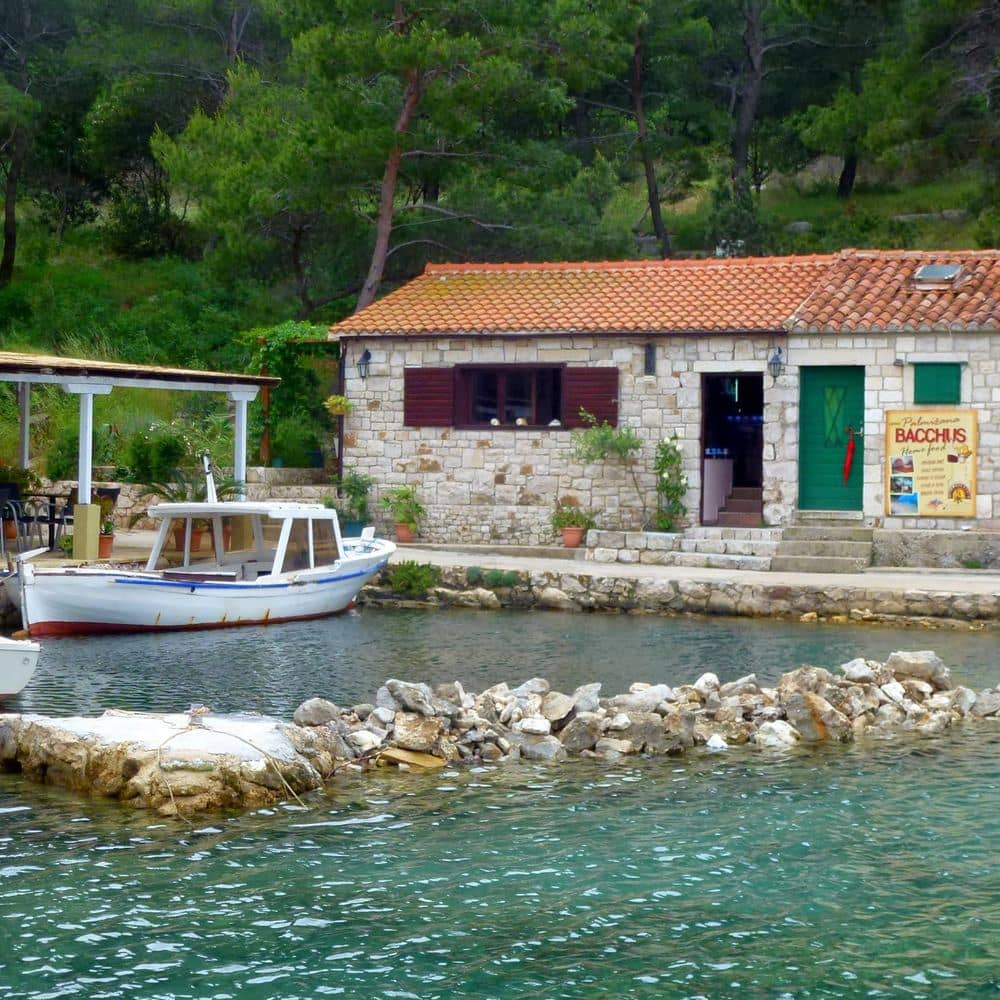
Palmižana Marina

A small island marina near Hvar Town, a quiet base for a day among the islands.

Photo: Dejan Sekuloski / CC BY 3.0
Palmižana Marina
Activity Legendary

Palmižana Marina

Palmizana is a cove on the northern side of Sveti Klement, the largest of the Pakleni chain, and the only place in the archipelago with a proper marina, sheltered from both the bora and the southerly. Above the cove lies a botanical garden that the Meneghello family began planting at the start of the 20th century, with palms, agaves, cacti and exotic species brought back from travels; around the garden grew the pavilions and restaurants that work to this day. Over the low hill, a fifteen-minute walk, is a pebble beach facing south. Taxi boats from Hvar run regularly and the crossing takes some twenty minutes. Half a day is enough for a visit, and shoes for the forest paths are useful.

Photo: Dejan Sekuloski / CC BY 3.0

Pakleni Islands
Activity

Pakleni Islands

An archipelago of pine-clad coves a short boat ride offshore.

Photo: Николай Максимович / CC BY 3.0

Pakleni Islands
Activity

Pakleni Islands

The Pakleni islands are a chain of sixteen islets before the harbour of Hvar, and their name has nothing to do with hell: it comes from paklina, the pine resin that was obtained from the woods here and with which wooden ships were coated for centuries. The islets are low and overgrown with pinewood, with coves sheltered from every wind, so they were a natural anchorage; today they are the main bathing area of the town of Hvar. The largest is Sveti Klement with the Palmizana cove and its marina, and the nearest to town are Jerolim and Galesnik. Taxi boats run to them from Hvar harbour every half hour in season, the crossing taking ten to twenty minutes. Taverns work on the larger islets; everything else is pinewood and rocky shore.

Photo: Николай Максимович / CC BY 3.0

Zaraće Beach
Activity

Zaraće Beach

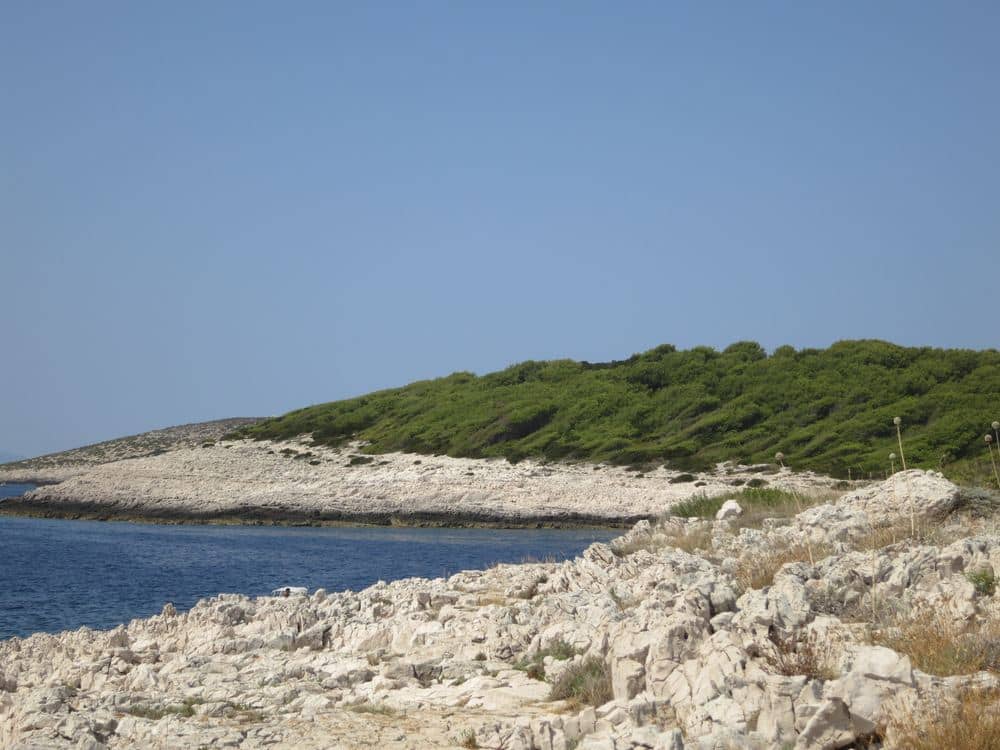
A secluded bay on Hvar's south coast, worth the detour for a quiet swim.

Photo: Dejan Sekuloski / CC BY 3.0
Zaraće Beach
Activity

Zaraće Beach

Zarace are two neighbouring coves on the southern side of the island, Malo and Velo Zarace, divided by a rocky ridge pierced by a low natural passage through which one can swim from one to the other. The beaches are pebbly and narrow, ringed by white rock and pines, and the sea, exposed to the open water, is colder and clearer than in sheltered bays. The coves are reached by turning off the main road through the village of the same name, then by a steep track whose last two hundred metres become steps. There is no catering apart from a small tavern in season, so bring your own water. In a strong southerly the sea throws in waves and swimming is then unpleasant.

Photo: Dejan Sekuloski / CC BY 3.0

Jerolim Island
Activity

Jerolim Island

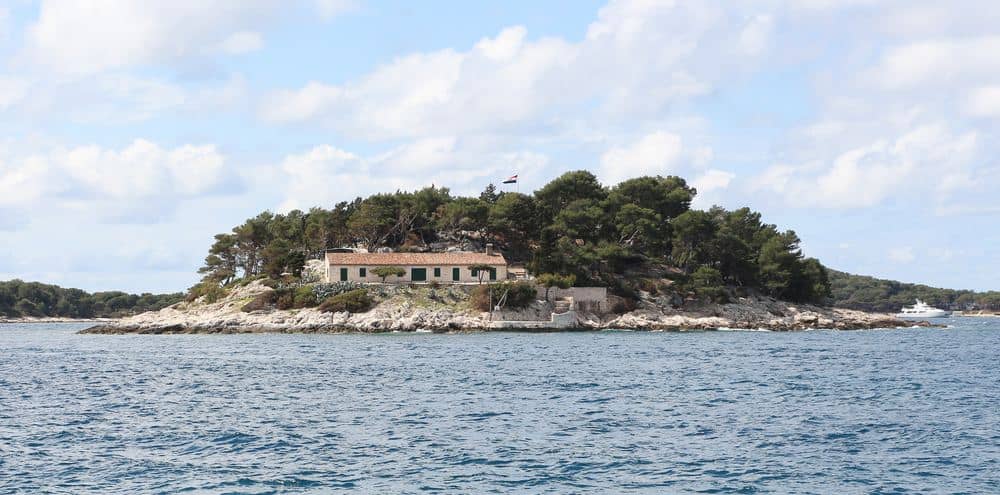
A small island just off Hvar Town, reachable by boat for a swim away from the mainland shore.

Photo: Mlc / CC BY-SA 3.0
Jerolim Island
Activity

Jerolim Island

Jerolim is the first islet of the Pakleni chain, less than a kilometre from Hvar harbour, and it is the quickest bathing place reachable from town. It took its name from a former chapel of St Jerome that no longer exists. The shore is rocky with a few small pebble coves and concrete platforms, and the sea is deep and very clear as there is neither river mouth nor sand. Since the 1960s the islet has been known as a naturist bathing place, and today nude and clothed bathing take place on separate stretches of the shore. The interior is dense pine wood with narrow paths. Taxi boats from Hvar run every half hour in season, the crossing taking some ten minutes; one bar works on the island.

Photo: Mlc / CC BY-SA 3.0

Galešnik Island
Activity

Galešnik Island

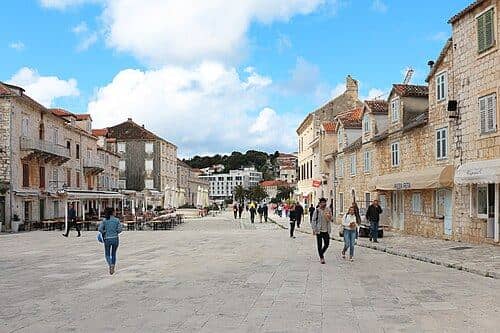
A tiny island off Hvar Town's coastline, a quiet stop for swimming by boat.

Photo: Bernard Gagnon / CC BY-SA 4.0
Galešnik Island
Activity

Galešnik Island

Galesnik is the smallest and nearest islet before Hvar harbour, only a few hundred metres from the waterfront, so a boat reaches it in five minutes. On the top of the islet stand the remains of a small fort the Venetians raised in the 16th century to close the harbour entrance with crossfire together with the town fortress of Fortica; the fort was later abandoned and only its stone ground floor remains. The shore is rocky, with concrete sunbathing platforms and a steep entry into deep water. The islet is arranged as a day beach club with a bar and loungers, open in season. It is worth coming in the afternoon, when the whole town harbour is seen from it against the light.

Photo: Bernard Gagnon / CC BY-SA 4.0

14 more places
  • Mekićevica Beach
  • Sveta Nedjelja Cliffs
  • Lučišća Beach
  • Veneranda Fortress Club
  • Stari Grad Plain
  • Lavender Fields (Velo Grablje)
  • Pokonji Dol Beach
  • Stari Grad Riva
  • Jelsa Riva
  • Sućuraj Harbour
  • Zavala Beach
  • Ivan Dolac Beach
  • Bonj Beach
  • Sveti Nikola Peak

Shopping

4
Hvar Pjaca Market
Shopping

Hvar Pjaca Market

A market on Hvar's main square, right in the middle of the old town.

Photo: Bernard Gagnon / CC BY-SA 4.0
Hvar Pjaca Market
Shopping

Hvar Pjaca Market

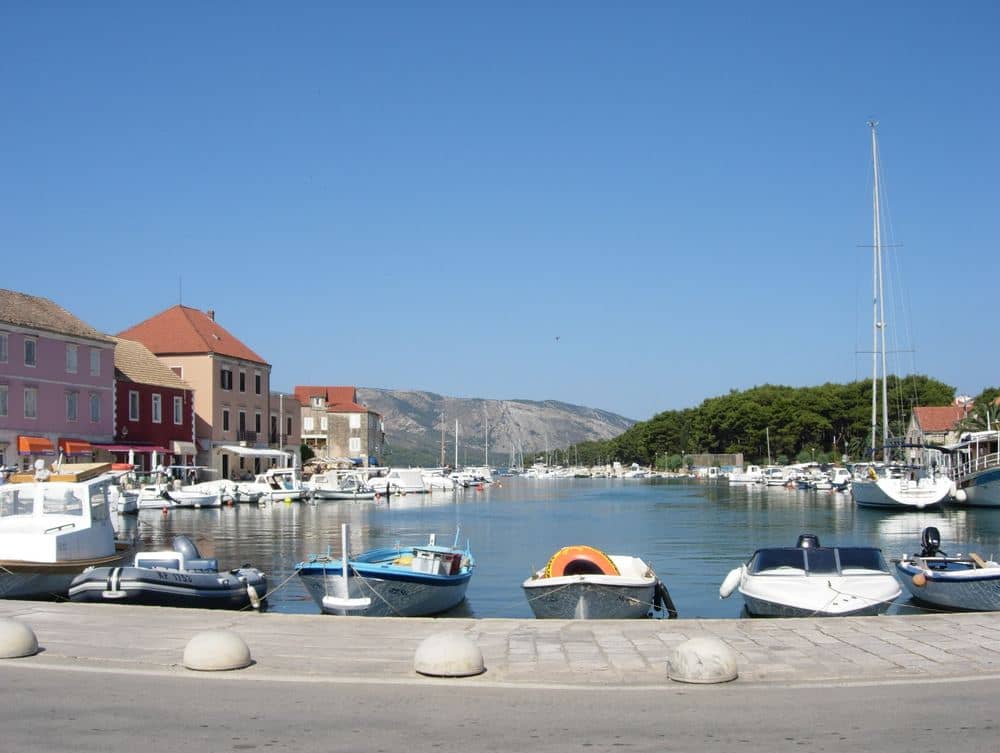
The market in the town of Hvar works in the shade along the northern edge of the main square, in the passage that leads toward the upper town, and it is smaller than mainland markets because the island produces on terraces, in small quantities. What is sold is what grows on Hvar: tomatoes, courgettes, figs and grapes in late summer, sage and rosemary honey, dried lavender in little bags, olive oil and home-made liqueurs. Among the stalls stand growers from the hill villages who come in the morning with what they picked that day. It opens early and closes around noon, and the best choice is before nine. Prices are somewhat higher than on the mainland because part of the goods arrives by ferry.

Photo: Bernard Gagnon / CC BY-SA 4.0

Stari Grad Market
Shopping

Stari Grad Market

A local market in the middle of Stari Grad's old town.

Photo: Samuli Lintula / CC BY 3.0
Stari Grad Market
Shopping

Stari Grad Market

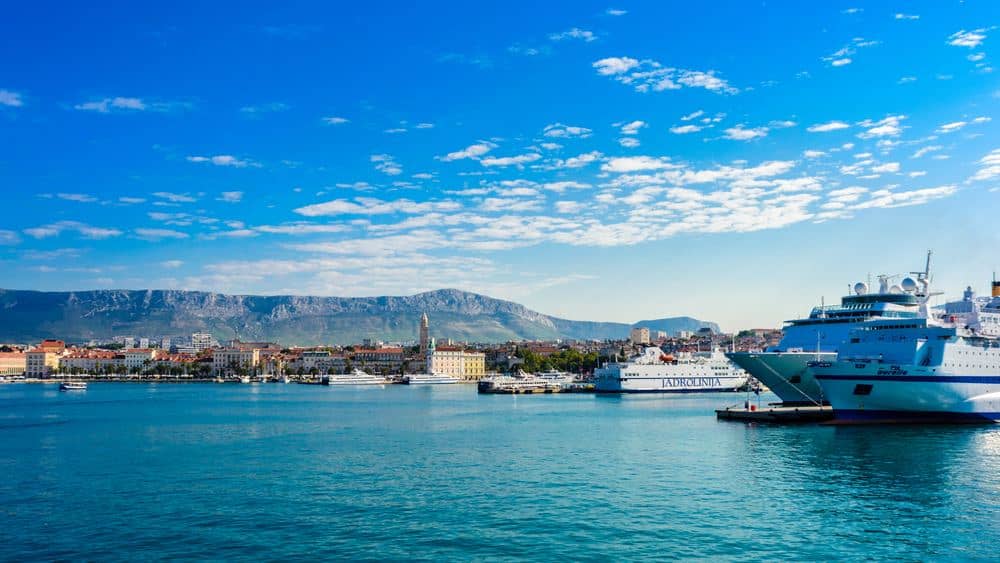
The market in Stari Grad is set up every morning on a small square a few steps from the waterfront, and the make-up of the offer shows that Stari Grad Plain, the only larger farmed area on the island, lies behind the town. For that reason the choice of vegetables is better than elsewhere on Hvar: tomatoes, peppers, chard, onions and potatoes from the plain, along with figs, almonds and grapes in season. Home-pressed oil, wine in plastic bottles and dried figs on strings are sold too. It works from early morning to noon, and in the low season only at weekends, when three or four stalls open. A grocery shop nearby covers whatever the market does not.

Photo: Samuli Lintula / CC BY 3.0

2 more places
  • Hvar Fish Market
  • Jelsa Market

Hvar: quick answers

How do I get to Hvar town without a car?
By fast catamaran from Split straight into Hvar town harbour, about an hour, several times daily in season. Book ahead in July and August, the boats sell out. The car ferry runs Split to Stari Grad on the other side of the island, with a bus connection across.
Is Hvar only about nightlife?
No. The party scene concentrates on a few harbour bars and one beach club; the fortress, the theatre, the Pakleni islets and the lavender interior have nothing to do with it. Stari Grad and Jelsa on the same island are entirely quiet bases.
What do the Pakleni islands cost to reach?
Taxi boats leave the harbour all day in season and charge a few euros each way per person, depending on the islet; the run to Palmižana takes about fifteen minutes. Kayak rental is the budget alternative on calm days.

CroVenture App

Explore Hvar with CroVenture

Places unlock as you reach them, with a passport that fills up as you explore.