
Practical
When to visit
When to visit Croatia
Twelve honest month profiles, built on ten years of measured climate data and our own event calendar. No best-time marketing, just what each month is like.
Croatia in January
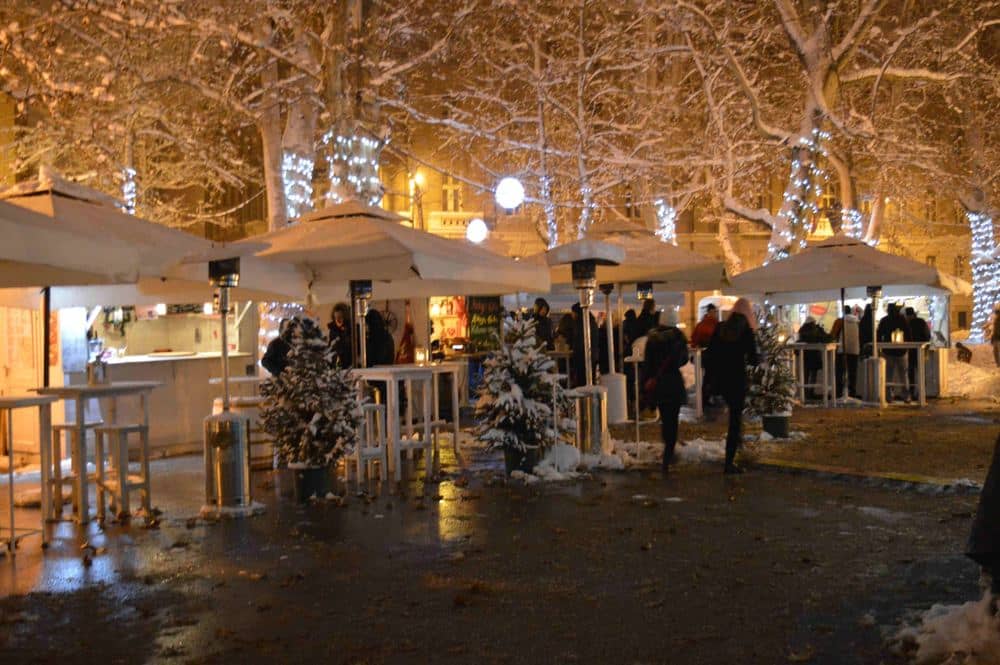
January is Croatia at its quietest. Zagreb keeps a short echo of Advent, the coast belongs to locals, and you will have Diocletian's Palace or Dubrovnik's walls almost to yourself.
- Cities feel local: cafes full, sights empty, hotel prices at their lowest.
- Coastal ferries run winter timetables with fewer departures, check connections before island trips.
- Snow is normal in Zagreb and inland, Plitvice under snow is a genuine highlight.
Weather and sea
Inland winters are cold and often grey, with snow in Zagreb and across the Lika highlands. The coast is milder but windy: the bura blows hardest between December and February and clears the air for sharp views across the islands. The sea is at its coldest, and swimming belongs to the year-round bathers who meet every morning at Bačvice in Split and at Ičići near Opatija.
Where it works best
Zagreb for museums, galleries and coffee culture, Plitvice under snow, and Split or Dubrovnik for the old towns without a single tour group. Istria's hill towns are quiet, but the truffle restaurants around Motovun and Livade still serve, and the wine cellars open on request.
Open, closed and worth booking
Museums, city hotels and the konobas inside the old towns stay open. Many beach restaurants, campsites and island apartments are closed until Easter. Ferries run the winter timetable, which Jadrolinija publishes in late autumn, and the last boat of the day often leaves before dark. The Night of Museums at the end of the month opens most museums in the country free of charge until well after midnight.
Crowds and prices
The quietest month of the year. Hotel rates are at their lowest, parking in the old towns is free or nearly so, and you can walk the Dubrovnik walls without queuing. Flights from abroad are fewer, so check that your airport keeps a winter connection before you plan a coastal trip.
Measured averages in January
Croatia in February
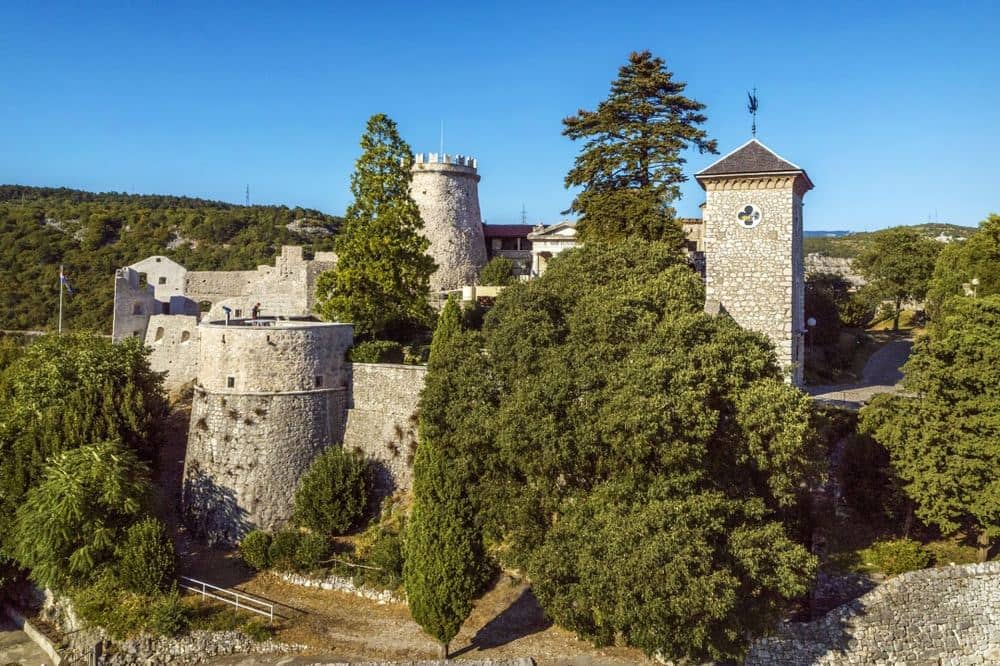
February brings carnival. Rijeka runs the biggest carnival in Croatia, and along the coast the first almond blossom appears while the cities stay winter-quiet.
- Rijeka's carnival weekends fill hotels in Kvarner, book those separately.
- Still low season everywhere else: short queues, low prices, some coastal restaurants closed.
- Sunny February days on the Adriatic are real, pack for wind rather than rain.
Weather and sea
Still winter, but with more bright days on the coast than in January. Almond trees bloom along Kvarner and in Dalmatia by the middle of the month, which is the first visible sign of spring. Snow lingers inland and on the mountain passes, and the sea stays cold.
Where it works best
Rijeka for the carnival, the biggest in Croatia, with the international parade on the Sunday before Lent and weeks of masked balls before it. Zagreb keeps its museum season going, and Samobor's carnival is a small, friendly version an easy bus ride from the capital. Istria's inland towns are empty and good for walking.
Open, closed and worth booking
Hotels in Rijeka and Opatija fill on carnival weekend, so book those nights early. Coastal resorts remain mostly closed, while the cities work normally and the national parks keep winter hours. The winter ferry timetable still applies, and island restaurants are the exception rather than the rule.
Crowds and prices
Low season everywhere except Rijeka on the carnival weekend. Prices stay at winter levels, and a rental car is cheap and easy to get. Good weather is a bonus rather than a promise, so plan indoor options for the coast.
Measured averages in February
On the calendar in February
Croatia in March
March is when the coast wakes up. Days grow noticeably longer, cafe terraces reopen in Split and Zadar, and hiking weather arrives before the crowds do.
- Best month for city trips without tourists: everything is open in Zagreb, Split and Dubrovnik.
- The sea is still cold; this is a walking and sightseeing month, not a beach month.
- Plitvice and Krka have high water from snowmelt, the waterfalls are at their strongest.
Weather and sea
The turn toward spring. The coast has its first warm afternoons, but evenings are cool and rain days are still frequent. Inland the snow melts, which sends the waterfalls at Plitvice and Krka to their fullest flow of the year. The sea is too cold for anyone but the hardy.
Where it works best
The waterfall parks at full strength, Zagreb and the castles of the continental north, and Istria for the wild asparagus season and the first outdoor tables on the waterfronts of Rovinj and Poreč. Split and Zadar are pleasant for walking and still feel local.
Open, closed and worth booking
Around Easter the coast starts to wake up: restaurants reopen, the national parks extend their hours and ferries add departures. Before Easter, expect closed doors on the islands and short opening times at smaller sights. Book Easter weekend in Dubrovnik or Split ahead, the rest of the month needs no planning.
Crowds and prices
Still low. Easter week brings the first visitors to Dubrovnik and Split, but there are no queues anywhere, and accommodation is a fraction of the summer rate. Hire cars remain cheap.
Measured averages in March
Croatia in April
April is spring proper: wildflowers in the national parks, Easter processions on the islands, and the first properly warm afternoons on the Riva in Split.
- Ideal for Plitvice, Krka and Istria's hill towns before summer heat and queues.
- Weather can flip within a day, pack one warm layer and one rain layer.
- Around Easter, hotels on Hvar and Korčula fill earlier than you would expect.
Weather and sea
Spring settles in. Days on the coast are mild and often sunny, with showers that pass quickly. The interior turns green, and the mountains still carry snow on the high ridges. The sea is warming but stays cold for swimming.
Where it works best
Dubrovnik and Split before the crowds, Plitvice and Krka with full waterfalls, the hill towns of Istria, and Zagreb as its outdoor season begins. Hiking on Biokovo above Makarska and in Paklenica is at its best, with cool air and clear views.
Open, closed and worth booking
Most coastal hotels open during April, and the islands follow through the month. Ferries move toward the summer timetable, but connections between islands remain thinner than in July. Menus fill with wild asparagus, lamb and the first artichokes. Cruise ships return to Dubrovnik, so plan the old town for early morning.
Crowds and prices
Quiet outside the Easter week. Prices sit at shoulder-season level, and parking near the beaches is still free in most towns. A good month for a road trip along the coast with the roof down.
Measured averages in April
Croatia in May
May is the insider's summer. The sea starts to be swimmable in the south, terraces are full but towns are not, and the light is the best of the year for photos.
- Swim in Dubrovnik and on the islands from late May, the north stays fresher.
- Ferries switch toward summer timetables, island hopping becomes easy again.
- Prices are still shoulder-season; the same room costs far less than in July.
Weather and sea
Reliably pleasant on the coast, with warm days and mild evenings that already invite dinner outside. The interior can be warm, and rain arrives in short showers rather than grey days. By the end of the month the sea is swimmable for those who do not mind a cool start.
Where it works best
Split during the Sudamja feast of Saint Domnius in the first week, Šibenik and the Kornati islands, Hvar and Korčula as they wake up, and Istria for cycling and wine roads. Zagreb celebrates with street festivals, and the parks are at their greenest.
Open, closed and worth booking
Almost everything is open. Beach bars start operating, island restaurants reopen, campsites take guests, and boat excursions begin. Ferries add departures but do not yet run at peak frequency, so a car on a Sunday crossing still needs an early arrival at the port.
Crowds and prices
Growing but comfortable. Prices sit between shoulder and high season, and the popular islands are relaxed on weekdays. Many regulars call May the best value month of the year.
Measured averages in May
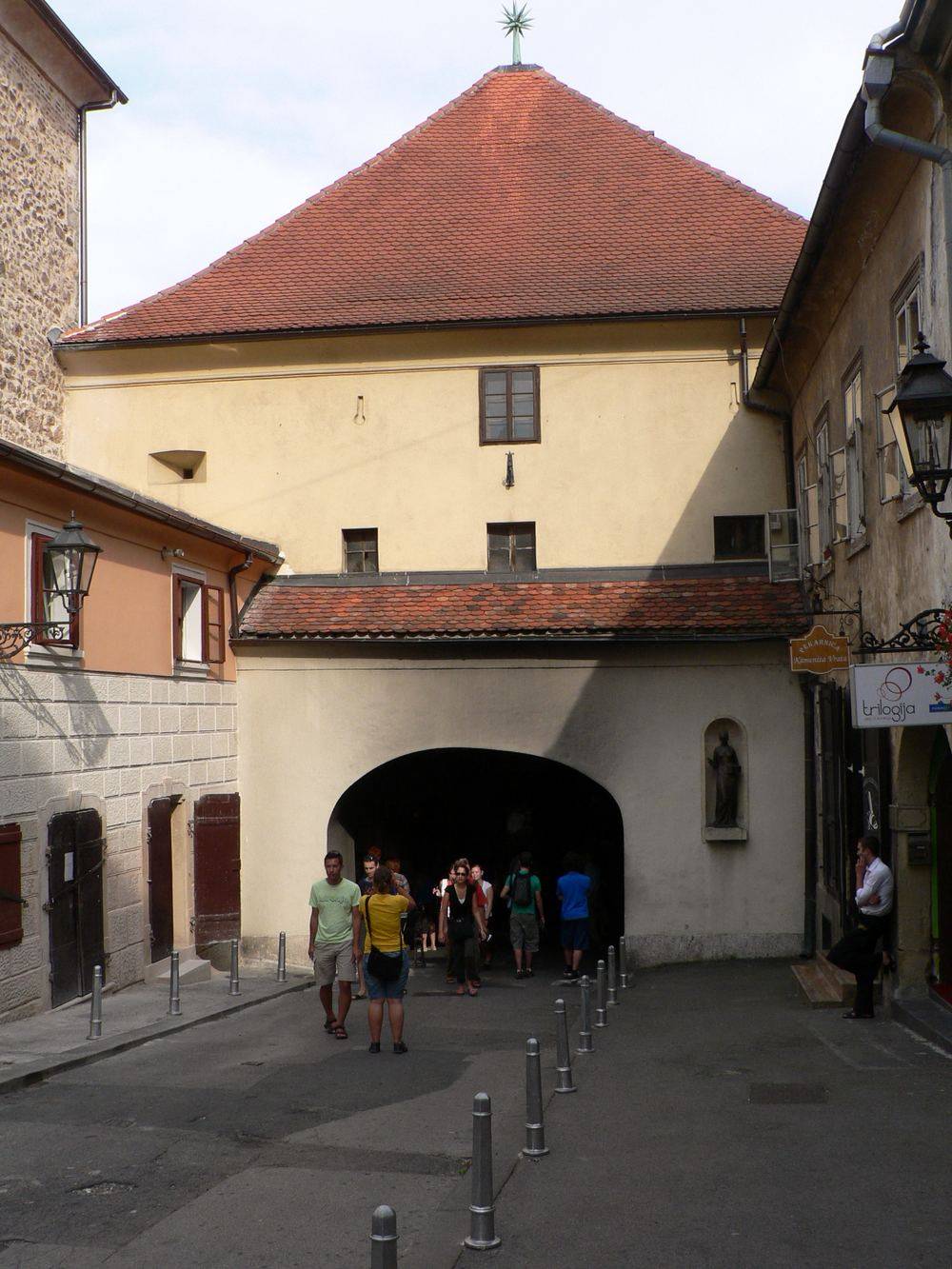
Croatia in June
June has summer weather without August crowds. The sea is warm, days are at their longest, and festivals begin in Zagreb, Split and on the islands.
- Swim everywhere from mid-June, including Istria and Kvarner.
- Book Plitvice and Dubrovnik walls for early morning, midday queues have started.
- First heat waves are possible; plan sights before noon and beach after.
Weather and sea
Summer begins. Long sunny days on the coast, with the sea warm enough for most swimmers by the middle of the month. The interior can be hot, and afternoon thunderstorms are possible inland. The days are the longest of the year, with light until late evening.
Where it works best
The islands of Hvar, Brač, Vis and Korčula, Dubrovnik before July, Zadar, Pula and Rovinj, and the national parks before the heat. Long daylight makes sailing and hiking ideal, and Zagreb hosts its big open-air music festival at the lake.
Open, closed and worth booking
Everything is open. The summer ferry timetable starts, beach concessions and boat taxis operate, and the festival season opens. Book accommodation and car-ferry crossings now, especially for the last week of the month when European school holidays begin.
Crowds and prices
Busy but manageable until the last week. High-season pricing begins in the middle of June, and parking in Dubrovnik and Hvar town becomes a task. Early mornings and late evenings are the calm hours.
Measured averages in June
On the calendar in June
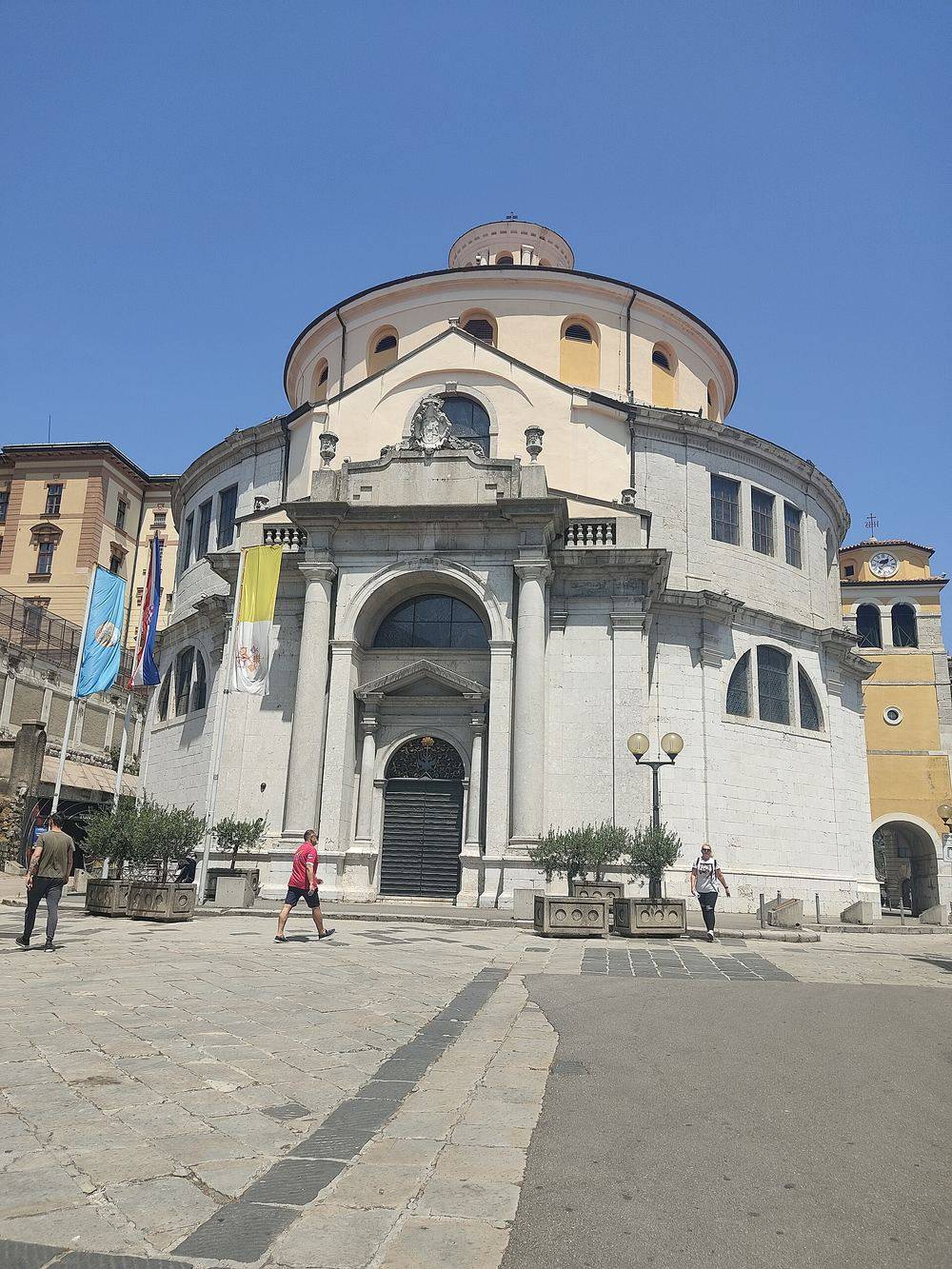
Croatia in July
July is full summer: festival season, warm nights, and the Adriatic at its liveliest. It is busy, but mornings and late evenings still belong to you.
- Expect motorway queues on Saturdays, travel Tuesday to Friday if you can.
- Book accommodation and car ferries with vehicles well ahead.
- Heat peaks near forty degrees inland; old stone towns store the heat into the night.
Weather and sea
Hot and dry on the coast, with the sea near its warmest. The interior is hot too, and short storms can build in the afternoon. Shade, water and a swim after five in the afternoon set the rhythm of the day.
Where it works best
Dubrovnik's Summer Festival opens on July 10 with theatre and concerts in the old town, Pula's film festival fills the Roman arena, Split hosts the biggest electronic music festival in the country, and Motovun's film festival takes over the hill town at the end of the month. The islands are at their peak.
Open, closed and worth booking
Everything is open with the longest hours of the year. Car ferries to Brač, Hvar and Korčula sell out on weekends, so book them and arrive early. Restaurants in the popular towns take reservations, and the best swimming spots fill by late morning.
Crowds and prices
Peak crowds and peak prices. Dubrovnik's old town is crowded at midday, so walk the walls at opening time or before sunset. Tolls, parking and restaurants run at high-season rates, and accommodation booked late costs the most.
Measured averages in July
On the calendar in July
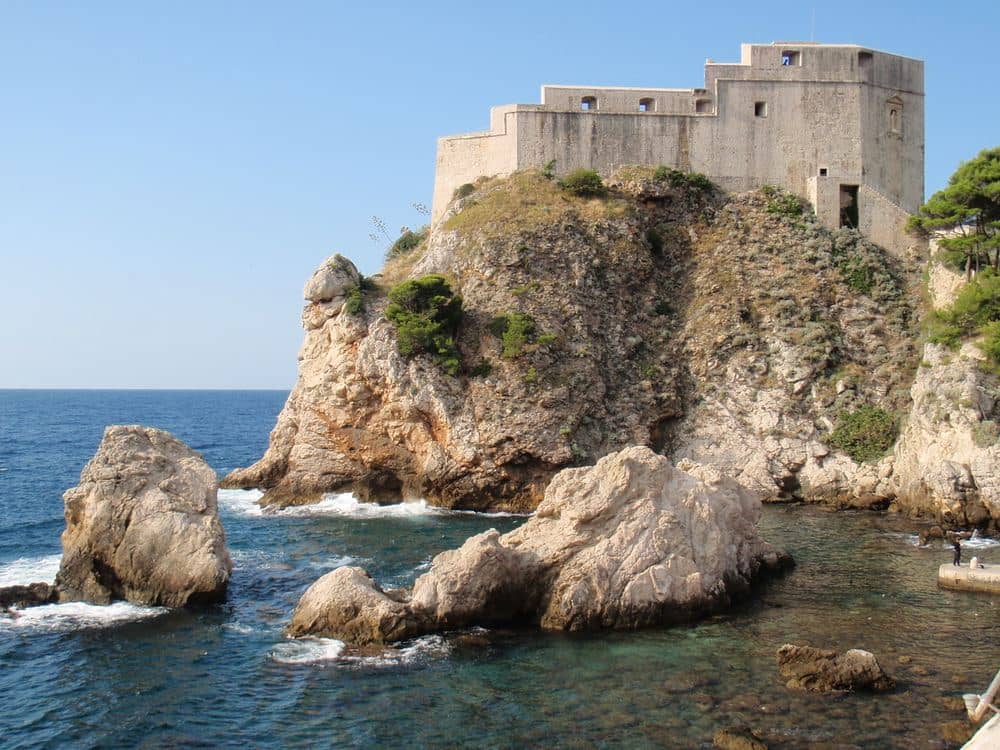
Croatia in August
August is the peak: the warmest sea of the year and every town at full volume. It rewards early starts and island evenings, and it punishes Saturday driving.
- Changeover Saturdays are the busiest days of the year on the A1 and at the Krk bridge.
- Wildfire risk is real; open fire outdoors is banned along the coast.
- The second half of August gets quieter by the day as families leave.
Weather and sea
The hottest month, with the sea at its warmest and long dry spells. A storm can pass through in the second half, and the first cool evenings arrive on the islands toward the end of the month. Wildfire risk is real, so open fires are banned outside designated places.
Where it works best
The Sinjska alka tournament in Sinj on the first Sunday, the Assumption on August 15 celebrated in every town, Dubrovnik's festival until August 25, and Varaždin's street festival Špancirfest starting in the last week. The islands and the whole coast are full.
Open, closed and worth booking
Everything is open, and reservations matter for ferries, restaurants and boat trips. Accommodation booked now for the first half of the month is scarce and expensive. From the last week the festivals wind down and tables become easy to find.
Crowds and prices
The peak of the year. The first two weeks are the busiest, with the coast road slow on Saturdays when rentals change over. From about the twentieth the crowds ease and prices begin to fall, which makes the last days of August a quietly good time.
Measured averages in August
Croatia in September
September might be the best month in Croatia. The sea keeps its August warmth, the crowds thin every day, and prices drop while everything is still open.
- Swimming stays comfortable into early October in Dalmatia.
- Ferries start trimming departures late in the month, check island timetables.
- This is prime time for Plitvice, Istria's vineyards and city trips in one route.
Weather and sea
Warm days, cooler evenings and a sea that holds its summer warmth for weeks. Rain days increase from the middle of the month, but long sunny stretches are normal. Many locals consider this the best month on the coast.
Where it works best
The islands and beaches without the crowds, Istria as the white truffle season begins, the wine harvest on Pelješac and in Istria, the harvest festival in Vinkovci, and the Baroque evenings in Varaždin. Dubrovnik and Split are relaxed again.
Open, closed and worth booking
Most places stay open until the end of the month, though smaller island restaurants and some beach bars close after the middle of September. Ferries scale back in the last week. Hotels are easy to book, and a car crossing needs no reservation.
Crowds and prices
Comfortable. Prices drop after the first week, and by the end of the month accommodation is back at shoulder-season rates. The sea is still warm, the roads are clear and the tables are free.
Croatia in October
October is harvest and quiet coast. Istria smells of truffles, Dubrovnik celebrates food for two weeks, and brave swimmers still get into the sea in the south.
- Truffle season peaks in Motovun and inland Istria.
- Dubrovnik's Good Food Festival runs mid-month with special menus across town.
- Some island restaurants and campsites close; towns stay fully alive.
Weather and sea
Mild on the coast with more rain, full autumn in the interior. The sea is cooling but stays swimmable in the first half of the month for those used to it. Fog can settle over Zagreb in the mornings, while the coast keeps its afternoon light.
Where it works best
Istria for truffles and the olive harvest, Plitvice in autumn colours, Zagreb as its theatre and concert season opens, and Dubrovnik and Split at an easy pace. Wine cellars in Slavonia and on the Pelješac peninsula welcome visitors after the harvest.
Open, closed and worth booking
The islands wind down, and many beach places close for the year. City hotels and old-town restaurants work normally. The winter ferry timetable starts at the end of the month, so check departures before an island day trip.
Crowds and prices
Low season begins. Prices fall to autumn levels, parking becomes free again in most coastal towns, and the national parks are pleasant even at midday.
Measured averages in October
On the calendar in October
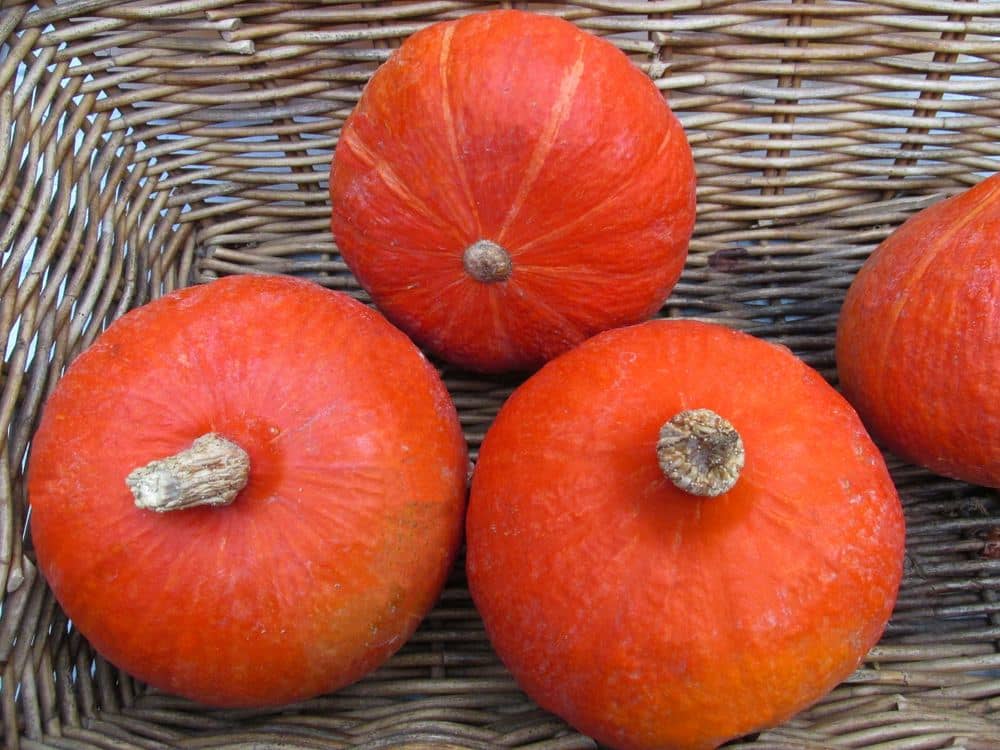
Bučijada, pumpkin festival in Ivanić-Grad
Jesen u Lici, the autumn fair in Gospić
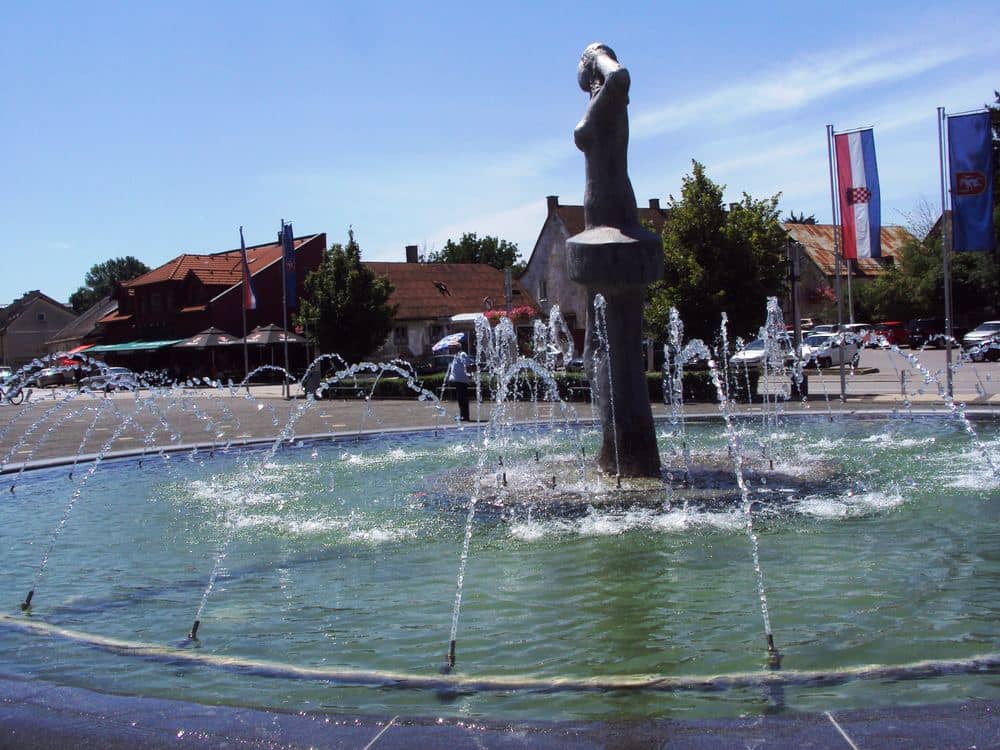
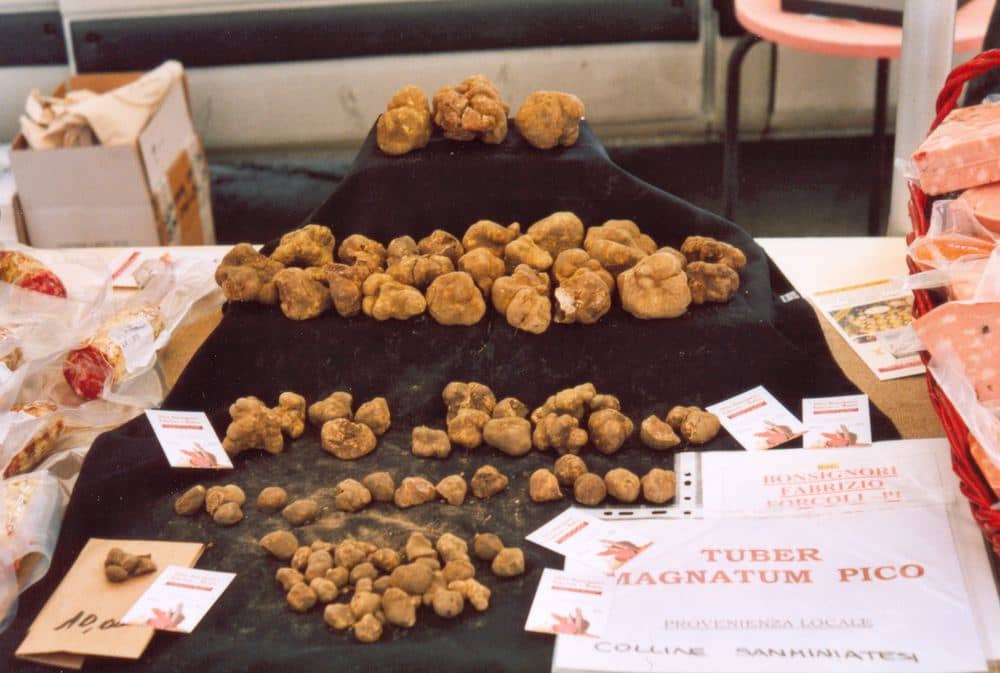
Zigante Truffle Days 2026
Bela nedeja, young-wine fair in Kastav
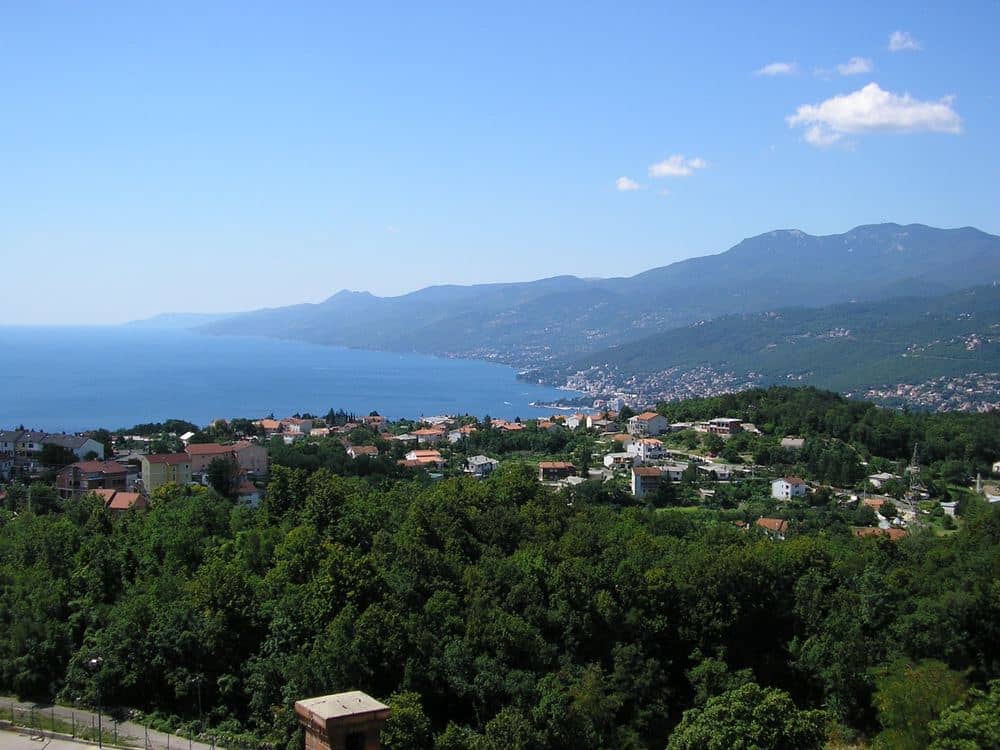
Good Food Festival 2026
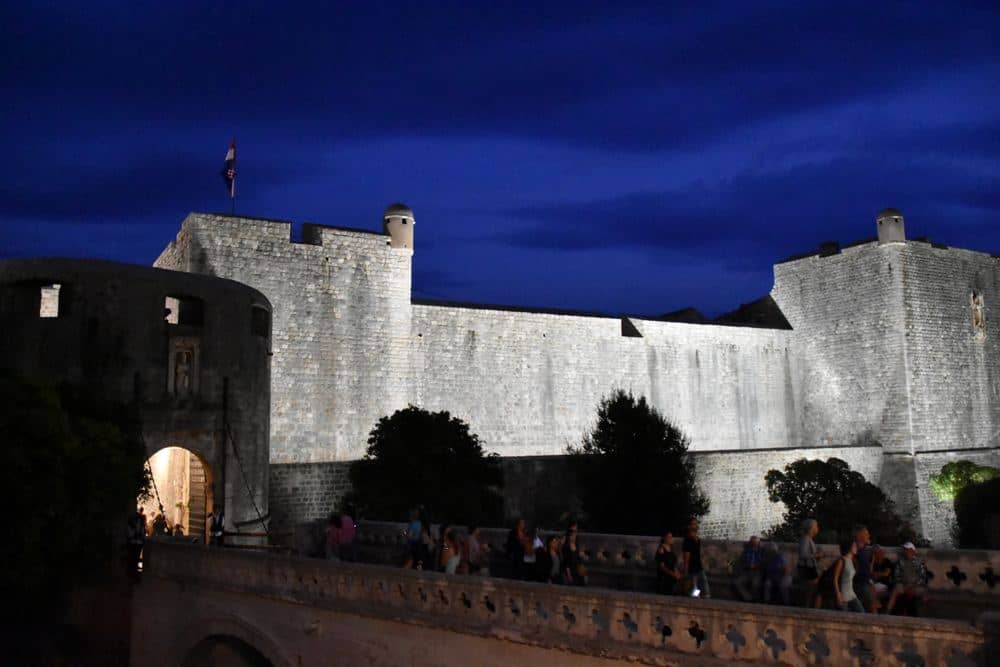
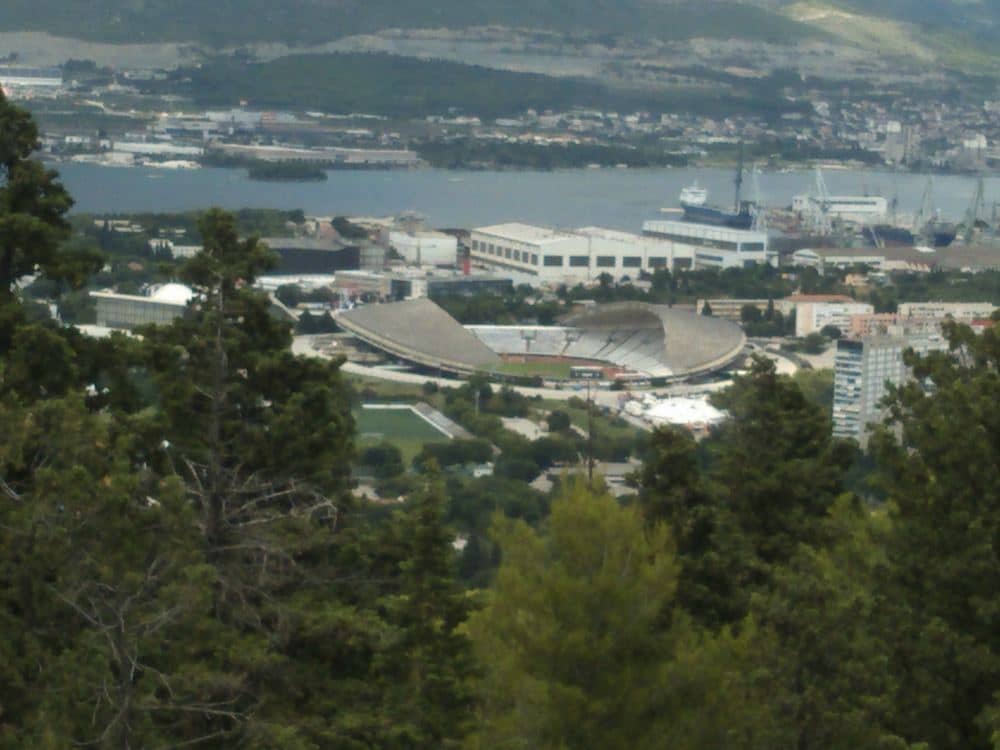
Croatia v Spain, UEFA Nations League at Poljud
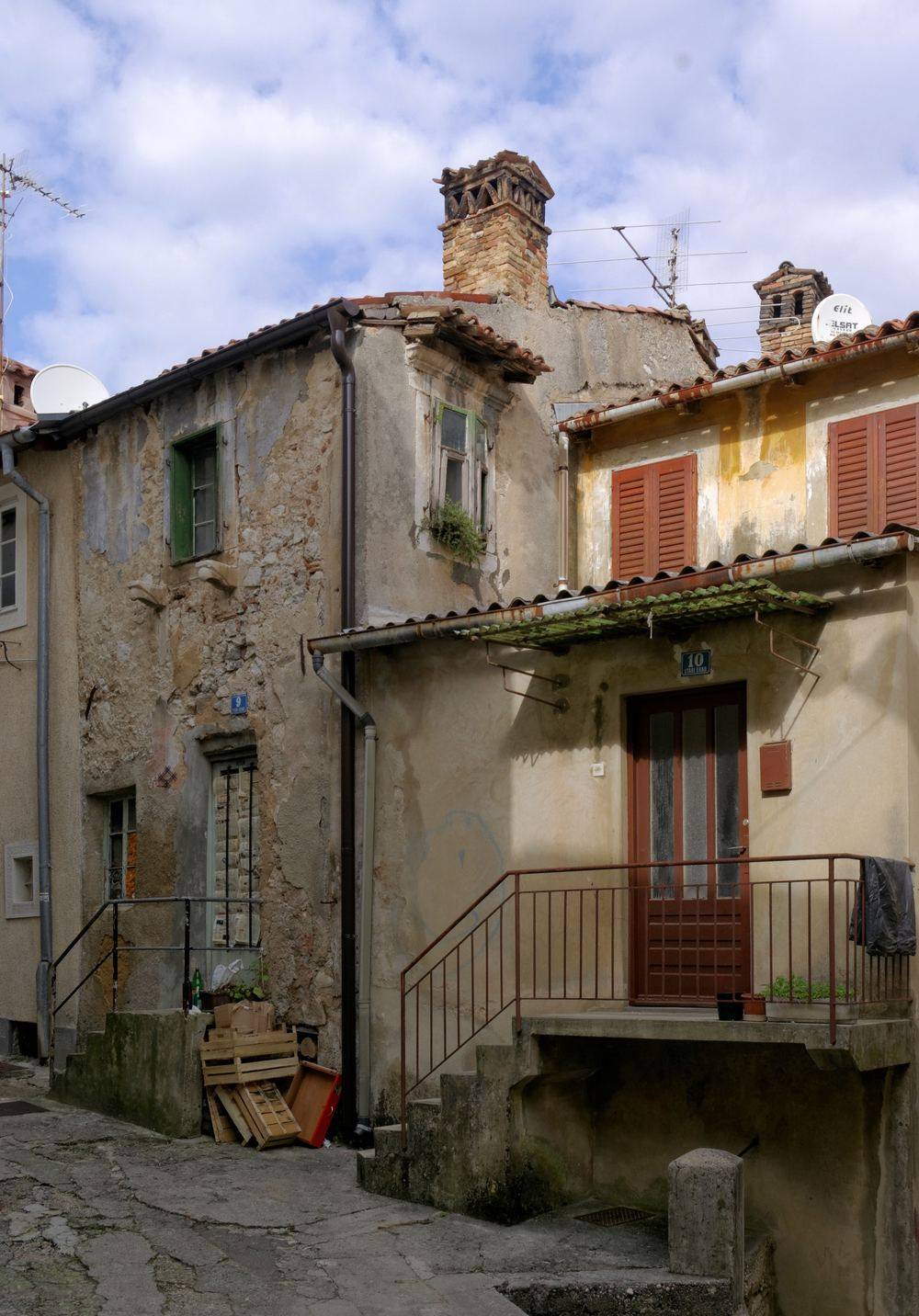
51st Marunada 2026
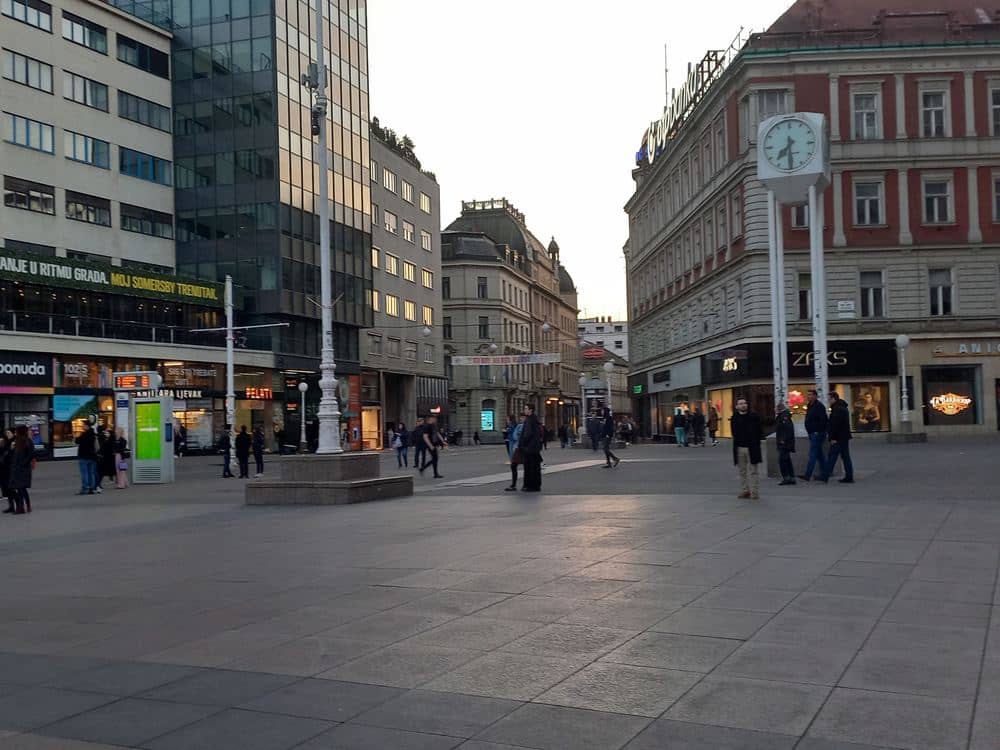
Open House Zagreb 2026
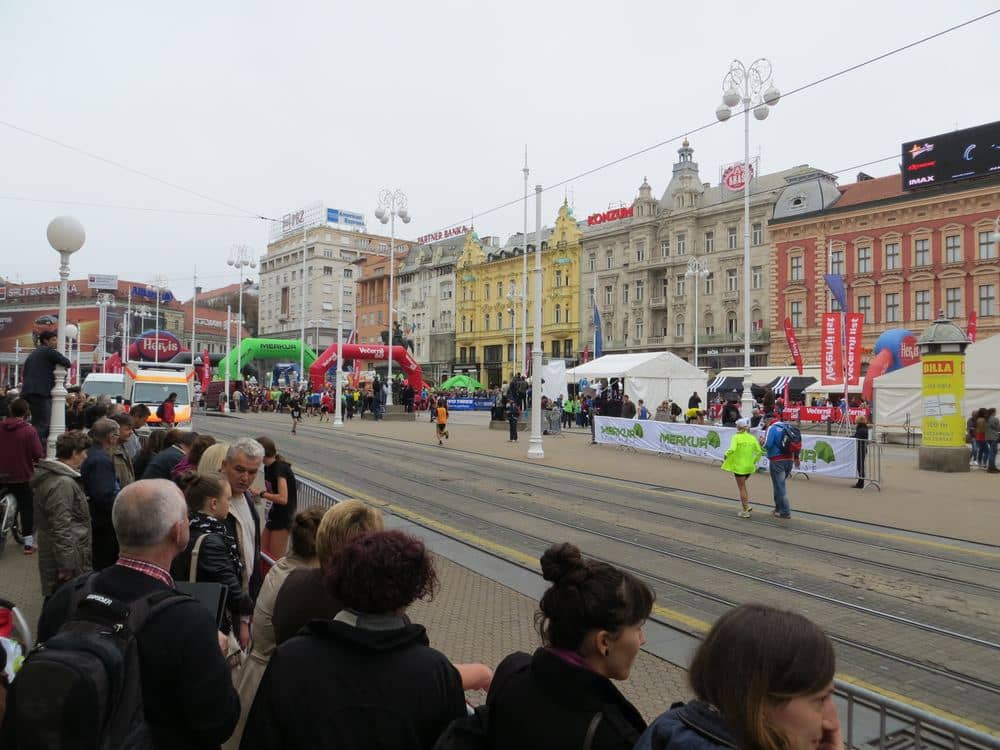
34th Zagreb Marathon
ISAP, the international prosciutto fair in Tinjan
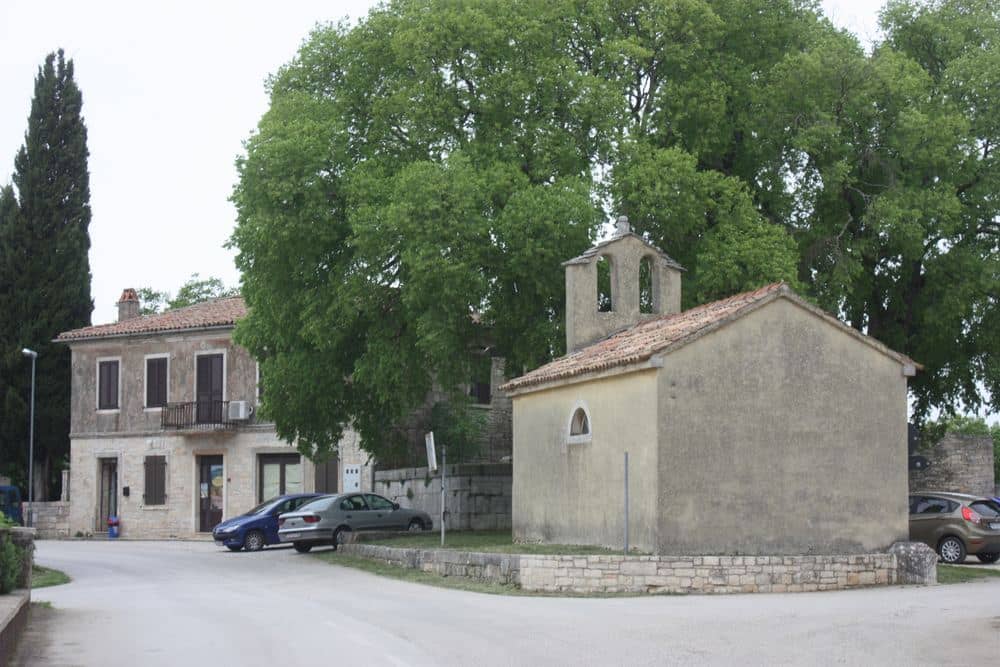
Biograd Boat Show 2026 (28th edition)
Croatia in November
November is the quietest month on the coast and film-festival season in Zagreb. It rains more than any other month, and between the fronts come clear, empty days.
- Zagreb Film Festival and museum season make the capital the best base.
- The coast runs on winter rhythm; check opening hours before day trips.
- Bura wind days bring the clearest views of the year across the islands.
Weather and sea
The wettest month on the coast and often grey inland, with the first snow on the mountains. The sea is cold, and the bura returns with force. Between the fronts there are still clear days with sharp views from the coast road.
Where it works best
Zagreb, where Advent begins in the last days of the month, and the continental wine regions around Martinje on November 11, when the young wine is baptised in Zagorje, Međimurje and Slavonia. Istria presses its new olive oil and the truffle season continues.
Open, closed and worth booking
The coast is largely closed outside the cities, while museums, wine cellars and city restaurants are open. The winter ferry timetable applies, and island accommodation is scarce. Zagreb hotels fill from the last week for Advent, so book ahead.
Crowds and prices
The quietest time on the coast, with the lowest prices of the year. Zagreb fills toward the end of the month, and prices there rise with Advent.
Measured averages in November
On the calendar in November
Zigante Truffle Days 2026
Opatija Chocolate Festival 2026
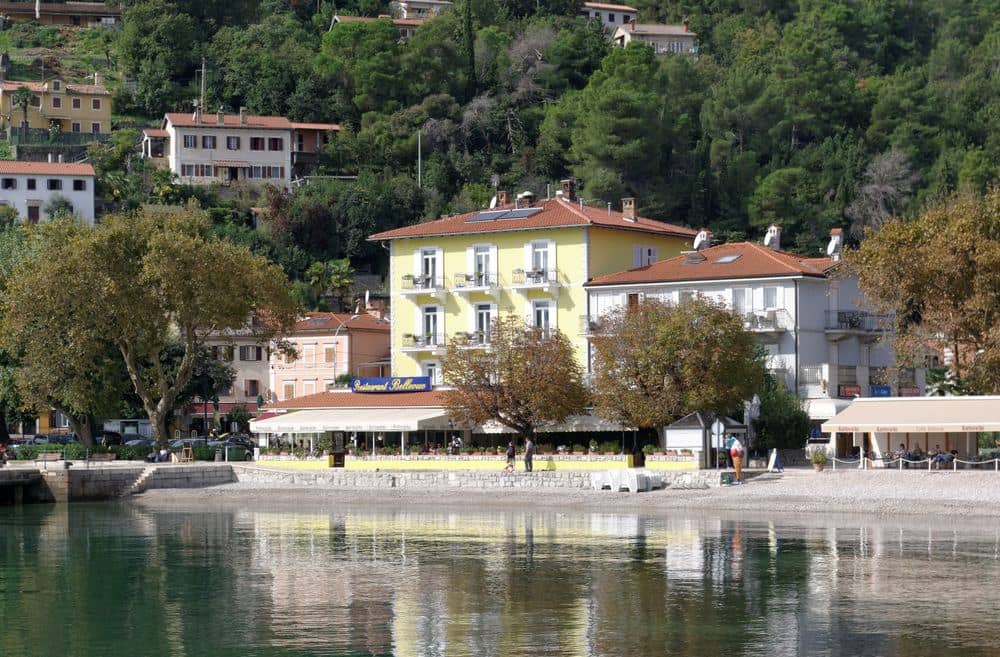
24th Zagreb Film Festival

Interliber 2026
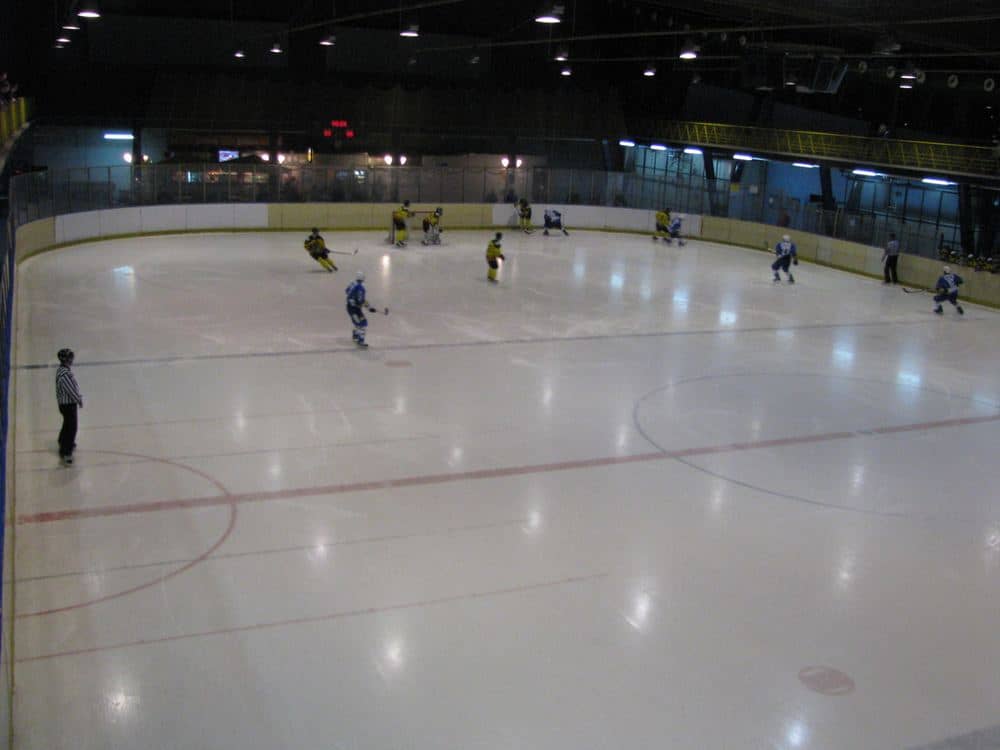
Martinje, St Martin's Day 2026
Advent in Zagreb 2026
Croatia in December
December belongs to Zagreb. Its Advent has been voted Europe's best more than once, while the coast offers mild days, empty old towns and local konoba evenings.
- Zagreb Advent runs from late November into early January, book the capital early.
- Coastal cities celebrate quietly: Christmas markets in Split and Dubrovnik are small and local.
- Mild days around fifteen degrees are common in Dalmatia, pack layers, not a parka.
Weather and sea
Cold inland with a fair chance of snow, mild but windy on the coast, and a cold sea. Days are short, and the light is at its best in the late afternoon on the Adriatic. Fog is common in Zagreb and along the Sava valley.
Where it works best
Zagreb's Advent, voted the best Christmas market in Europe three years in a row, with the ice rink, the market stalls and concerts in the upper town. Split, Dubrovnik and Rijeka run their own Advent programmes on the waterfronts, smaller but with the sea as backdrop.
Open, closed and worth booking
Cities are open, while the coast outside the old towns is closed for the season. Museums, galleries and restaurants close on December 25 and 26 and on New Year's Day. Zagreb hotels are busy on Advent weekends, so book them early; the coast is easy.
Crowds and prices
Advent in Zagreb is busy on weekends and calm on weekdays, and hotel prices in the capital rise accordingly. The coast stays at low-season rates, and Dubrovnik's old town in December is as quiet as it ever gets.
Measured averages in December
Climate tables: ten-year monthly means (2015–2024), sea 2022–2024. Data: Open-Meteo.com, CC BY 4.0.