Skip to content
All cities

Zadar. Things to do, map and hidden gems

47 curated places· 8 hidden gems
Zadar
Photo: Andrej Šalov / CC BY-SA 3.0

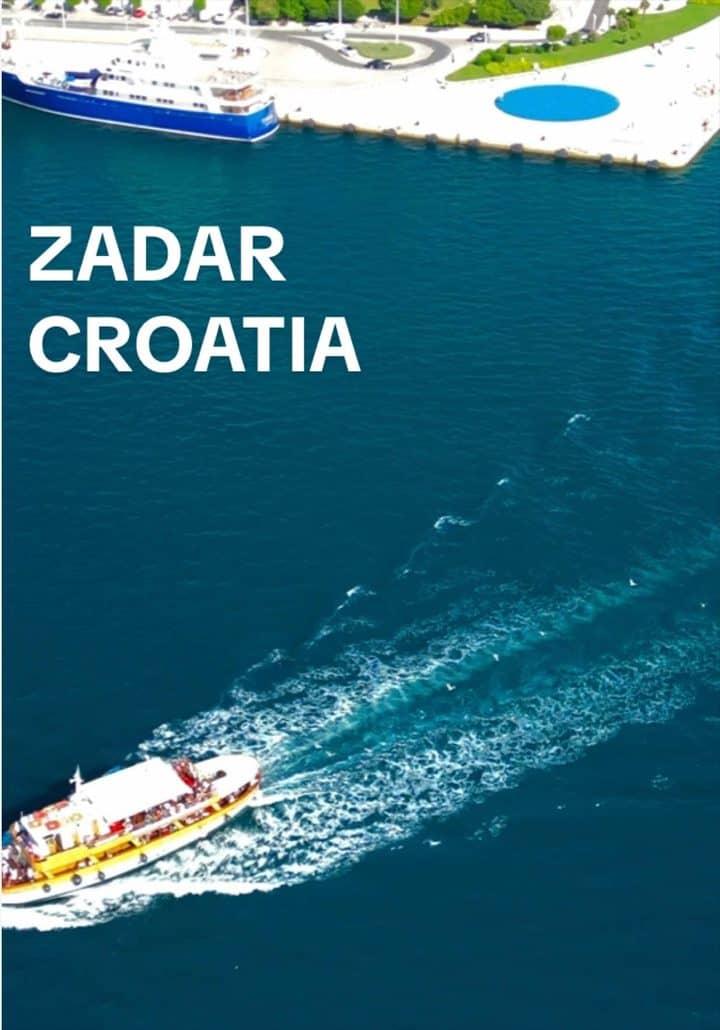
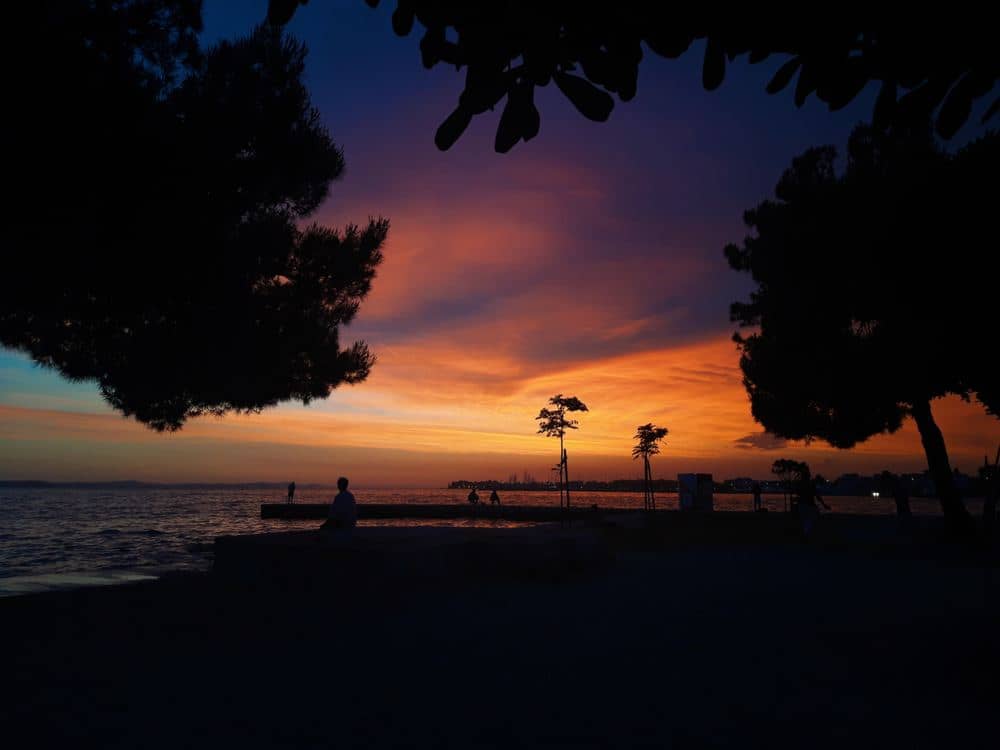
Zadar compresses three thousand years into a peninsula you can cross in fifteen minutes: a Roman forum used as a playground, the ninth-century round church of St Donatus, Venetian walls on the UNESCO list, and at the waterfront two modern icons, the Sea Organ that turns waves into sound and the Greeting to the Sun beside it. Alfred Hitchcock famously called the sunset here the most beautiful in the world, and the city has been living up to the quote ever since.

It is also the most useful hub in northern Dalmatia: ferries fan out to Ugljan, Dugi otok and the smaller islands, and the national parks Plitvice, Krka, Paklenica and Kornati are all within day-trip range.

Zadar tips: what to see beyond the sunset

The next 7 days

Weather data by Open-Meteo.com

Opening hours and prices

The places we keep opening hours and price levels for. Times change with the season, so treat the official page as the last word.

PlaceOpening hoursPriceOfficial page
Church of St Donatus09:00-17:00--
Paklenica National ParkAlways open; check weather, park rules and daylight before hiking.--
Velika Paklenica CanyonAlways open; check weather, park rules and daylight before hiking.--
Sveto BrdoAlways open; check weather, park rules and daylight before hiking.--
Tulove GredeAlways open; check weather, park rules and daylight before hiking.--
Zrmanja Canyon ViewpointAlways open; check weather, park rules and daylight before hiking.--

Climate month by month

Ten-year averages for Zadar, so you can see what a month usually looks like rather than what this week happens to do.

MonthDay °CNight °CRain daysSea °C
January1031114
February1251013
March1461014
April179915
May21141018
June2719622
July3021425
August3021425
September2517923
October20131021
November1591319
December1251215

Air 2015 to 2024, sea 2022 to 2024. A rain day is 1 mm or more. Data by Open-Meteo.com

Beaches in Zadar

Kolovare Beach
Activity

Kolovare Beach

Zadar's classic city beach, a stroll from the walls.

Photo: Silverije / CC BY-SA 4.0
Kolovare Beach
Activity

Kolovare Beach

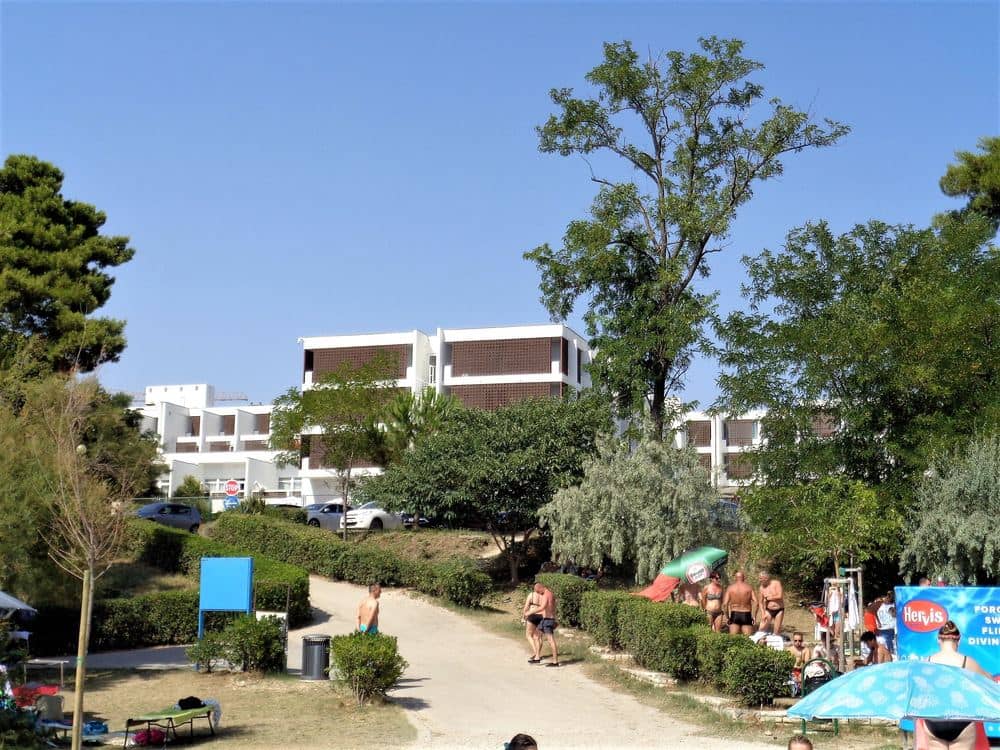
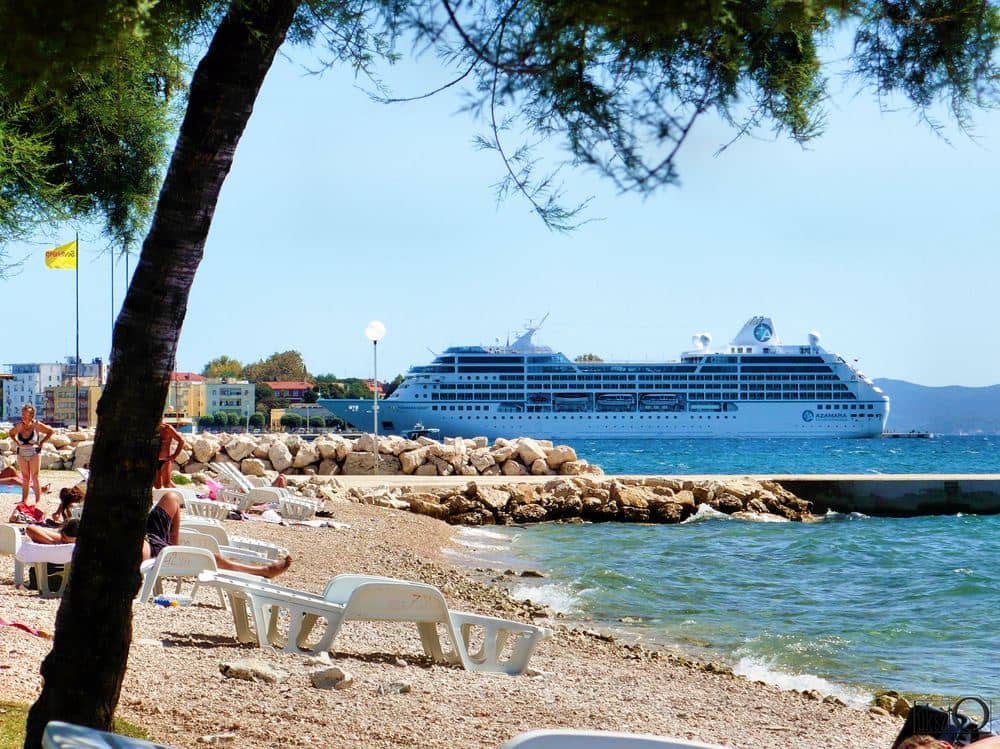
Kolovare is Zadar's main town beach, ten minutes' walk from the Land Gate: a long stretch of shingle, concrete sunning decks and stone slabs under pines, with a view running across the channel to Ugljan. This is the beach Zadrans use all year round, swimmers and pensioners with a towel underarm in the morning, families and students in the afternoon, joggers finishing their route with a leap off the pier in the evening. The sea deepens quickly and is clean despite the centre's closeness, the beach flies a Blue Flag, and the infrastructure is complete: showers, cabins, lifeguards in summer, a few cafés and restaurants at the back and sunbeds where wanted. Shade is found under the pines on the grassy terraces above the beach, which makes Kolovare workable even with small children in July. Whoever wants it quieter continues along the promenade southeast: a string of smaller coves leads all the way to Diklovac. And Kolovare's best moment is actually October, when the tourists leave, the sea stays warm, and the beach returns to those who own it all winter.

Insider tip

Walk the seaside promenade past Kolovare toward Borik for quieter coves and the best sunset.

Photo: Silverije / CC BY-SA 4.0

Borik Beach
Activity

Borik Beach

Gently shelving beach shaded by pine trees.

Photo: Ticinaic / CC BY-SA 4.0
Borik Beach
Activity

Borik Beach

Borik is the family side of Zadar bathing: a resort quarter in the city's northwest, four kilometres from the peninsula, with a long stretch of beach that joins a rarity on the Adriatic, real sand in the shallows, with shingle and concrete sunning decks. The sea here is shallow for dozens of metres off the shore, warm and waveless, so small bathers can wade to their heart's content while the older ones swim to platforms anchored a little deeper. The hinterland is held by the pine wood that gave Borik its name, hotels, campsites and a whole service army: sunbeds, pedal boats, water slides, sailing and diving schools, cafés and restaurants on the promenade. All of which means Borik is no quiet place in summer, but it is the easiest: with children, with grandmothers, with a backpack full of beach toys, everything here works without planning. From the centre one arrives by city bus or a pleasant bicycle ride along the coastal path. The best slots are before eleven and after five, when the sun softens; and whoever stays into the evening receives a sunset over Ugljan with the sandy shallows in the foreground.

Insider tip

Early in the morning you have the shallow water almost to yourself.

Photo: Ticinaic / CC BY-SA 4.0

Puntamika Beach
Activity

Puntamika Beach

Swimming spot at the peninsula tip by the lighthouse.

Photo: Böhringer Friedrich / CC BY-SA 2.5
Puntamika Beach
Activity

Puntamika Beach

Puntamika is a bathing place with an old neighbourhood's soul: a beach at the tip of the cape of the same name, where Zadar's coast bends toward Diklo, with the Oštri rat lighthouse as neighbour and a view straight into the sunset. This is Zadar's oldest organised bathing spot, people went into the sea here back in Austrian times, and that tone has remained: shingle coves between stone slabs, a pier for jumping, a small pine wood for shade and a public in which locals are the majority. The sea is clean and quickly deep off the slab edges, while the coves stay shallow and calm, so everyone finds their own entry; a shower and cabin exist, a café works along the stretch, and everything else is towel, stone and horizon. Puntamika is also the best point in town for an evening swim: the sun sets exactly across the channel, the lighthouse switches on, and the water holds the light longer than anywhere on the peninsula. The beach is reached by the Diklo bus or by bicycle along the coastal path; bring water shoes for the slabs. After a day of old-town sightseeing, an evening swim here is the day's loveliest epilogue.

Insider tip

A locals' favourite, noticeably quieter than the hotel beaches nearby.

Photo: Böhringer Friedrich / CC BY-SA 2.5

Uskok Beach
Activity

Uskok Beach

A small bathing spot away from the old town bustle.

Photo: Mietek Ł / CC BY-SA 3.0
Uskok Beach
Activity

Uskok Beach

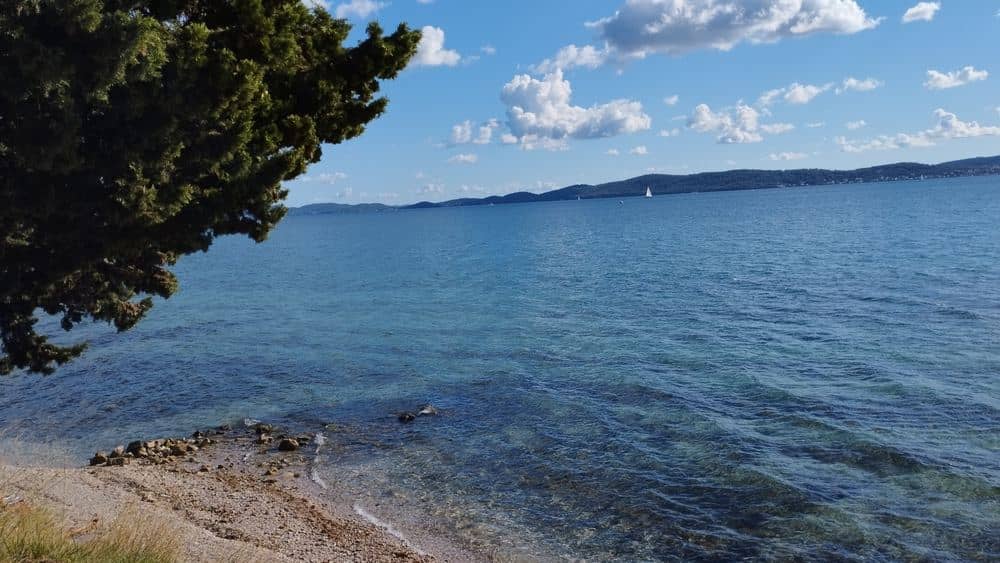
Uskok beach is the continuation of the bathing shore southeast of Kolovare, toward the Arbanasi quarter: a string of smaller shingle coves and stone platforms along the promenade, where the town beach slowly shades into a calmer, neighbourhood variant. It carries the name of a former holiday home, and it has kept the spirit neighbourly: here bathe the residents of the surrounding streets, pensioners with their morning ritual, families fleeing the main beach's crowd. The sea is the same as at Kolovare, clean and quickly deep, with the view of the channel and Ugljan, but there are half as many towels and often more shade under the pines. The infrastructure is basic, a shower, the odd café along the walk, sunbeds without aggressive charging; everything else you bring yourself, and therein lies the charm. The promenade south leads on to further coves, so a swim easily turns into a shore walk with stations. Choose Uskok when you want a town beach without the town crowd: ten minutes' walk beyond Kolovare buys you a day half as busy. Water shoes come in handy, the entries are stony in places.

Photo: Mietek Ł / CC BY-SA 3.0

Karma Beach
Activity

Karma Beach

A laid-back swimming spot for long, salty summer days.

Photo: Lessormore / CC BY 4.0
Karma Beach
Activity

Karma Beach

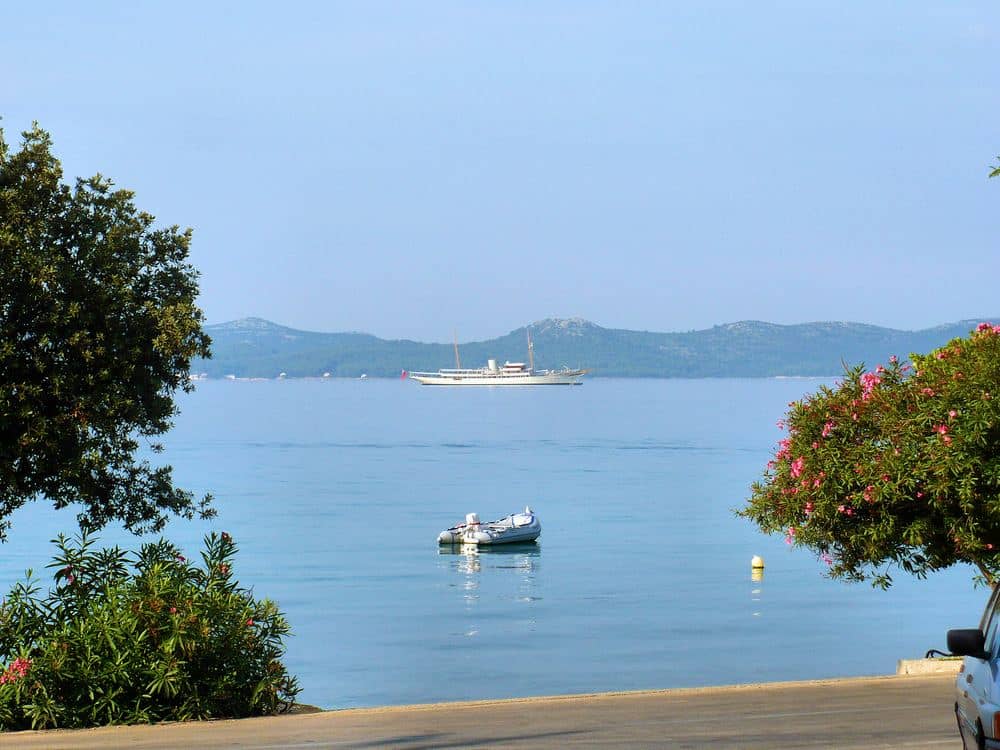
Karma is the young face of the Diklo shore: a stretch of beach where beach culture with music, sunbeds and cocktails has nested beside the shingle and stone slabs, so a day at the sea here slides into evening without changing clothes. Before noon Karma is an ordinary calm beach with clean sea and the view across the channel to Ugljan; in the afternoon the younger crowd arrives, music starts up by the bar, and the sunbeds and beanbags fill until sunset, which on this side of town is reliably a spectacle. The sea gets deep quickly and swims well, the entry is stony in places, so water shoes come in handy; a shower and basic infrastructure exist, the bar covers the rest. This is a beach for those who want rhythm with their swimming: whoever seeks silence will find it a hundred metres on, in the next cove, for the Diklo shore offers both on the same kilometre. Karma is reached by the Diklo bus or by bicycle along the coastal path from the centre; in the evening check the programme, in summer DJs and theme nights are known to spin here.

Photo: Lessormore / CC BY 4.0

Diklo Beach
Activity

Diklo Beach

Calm village beach in the old fishing quarter of Diklo.

Photo: Mietek Ł / CC BY-SA 3.0

Diklo Beach
Activity

Diklo Beach

Diklo is a former fishing village that the city caught up with but did not run over: the northern continuation of Zadar's shore where, beside the old core with its chapel and little harbour, a kilometre of calm shingle beaches lines up with a view of the channel and Ugljan. This is bathing as generations remember it: towel on the shingle or a concrete platform, mask and fins, a late-morning bite in the konoba across the way, an afternoon nap in the tamarisk shade. The sea is clean and calm because the islands take over any serious wave, the entries are gentle and good for children and elders, and even in August the crowd stays human, for Diklo is filled by residents and returning apartment guests, not excursion columns. Along the shore work a few konobas and cafés where fish still comes off the grill at humane prices; everything else is on foot or by bicycle along the flat coastal path that ties Diklo to Borik and the centre. Choose Diklo for slow days: two swims, a long lunch, a book in the shade and a sunset that lasts longer across the channel than elsewhere. Whoever came for attractions does not come here; whoever came for the sea, stays.

Photo: Mietek Ł / CC BY-SA 3.0

Plan your visit

Zadar in a nutshell

47 places, 3 routes.

What is actually worth your time in Zadar?

Start with Sea Organ, Paklenica National Park, and Sveto Brdo. After that it depends on what you enjoy: the guide holds 47 places in Zadar, sorted into sights, activities, food and shopping, so you can skip whole categories that bore you.

Sea OrganSea Organ

How do you get away from the crowds in Zadar?

Follow the hidden gems: 8 places that rarely make the guidebooks, most of them a few streets off the main drag. Sea Organ, Paklenica National Park, and Sveto Brdo are good ones to start with.
Paklenica National ParkPaklenica National Park

No time to plan? Just follow a route.

Pick one of Zadar's Roman Heart, Where the Sea Sings, and Zadar's Collections. Each walk runs stop by stop in a fixed order, so the only decision left is where to have lunch.
Sveto BrdoSveto Brdo
Our tips

What we would do around Zadar

Day trips within reach of Zadar, plus the routes and quiet corners our editors keep coming back to.

  • 50 km awayVelebitCroatia’s largest mountain range with Paklenica NP: the dramatic Velika and Mala Paklenica canyons, world-class climbing and trails to the Velebit peaks.

Zadar itineraries

  • 9 stops

    Zadar's Roman Heart

    Wander the ancient forum and churches

    1. Church of St Donatus
    2. Roman Forum
    3. Cathedral of St Anastasia
    4. Land Gate
    5. Five Wells Square
    6. Kalelarga
    7. Church of St Mary
    8. People's Square
    9. Church of St Simeon
  • 4 stops

    Where the Sea Sings

    Catch the sunset by the Sea Organ

    1. Sea Organ
    2. Greeting to the Sun
    3. Queen Jelena Park
    4. Kolovare Beach
  • 3 stops

    Zadar's Collections

    Roman glass, reliquaries and illusions

    1. Museum of Ancient Glass
    2. Gold and Silver of Zadar
    3. Museum of Illusions

Hidden gems in Zadar

Sea Organ
Legendary
Activity

Sea Organ

Marble steps where the sea itself plays music.

Photo: Andrej Šalov / CC BY-SA 3.0

Sea Organ
Activity Legendary

Sea Organ

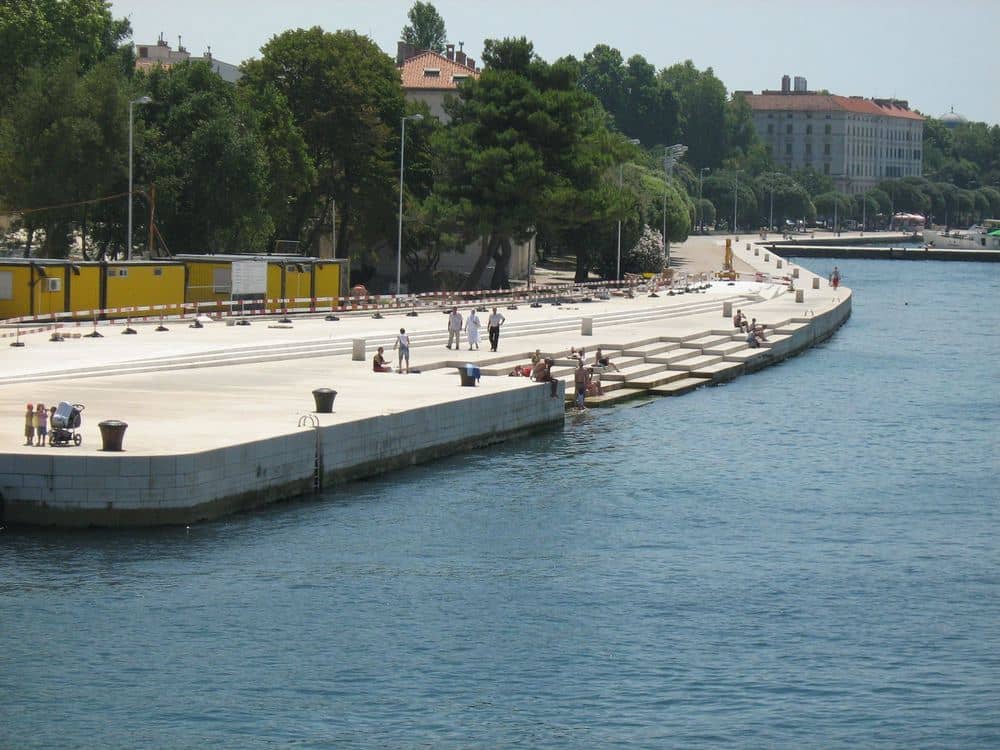
The Sea Organ at the end of Zadar's waterfront is the city's most celebrated modern monument: seventy metres of white stone steps beneath which architect Nikola Bašić hid thirty-five organ pipes in 2005, into which wave and tide press air. The sea thus plays itself, without electricity or schedule: long, deep chords that never repeat, stronger in a southerly, barely audible in a calm. The idea was born from the rebuilding of a waterfront ruined in the war and won the European Prize for Urban Public Space in 2006, and today Zadar is hard to imagine without the image of people sitting on the steps, silent, listening. Best come toward evening: the sun drops into the sea directly before the organ, ships pass toward the harbour, and the sound changes with every wave of their wake. The steps double as a bathing spot, in summer people dive from them into clean, deep water. Come twice, on a calm day and a windy one: they are two different concerts, and therein lies the genius of this place, which never plays the same piece.

Insider tip

Alfred Hitchcock called Zadar's sunset one of the world's most beautiful; from the organ steps you get it with the sea's own live music.

Photo: Andrej Šalov / CC BY-SA 3.0

Paklenica National Park
Legendary
Activity

Paklenica National Park

The Velebit hiking gateway above Starigrad, with canyons, peaks and marked mountain trails.

Photo: Andro Galinovic / CC BY-SA 4.0

Paklenica National Park
Activity Legendary

Paklenica National Park

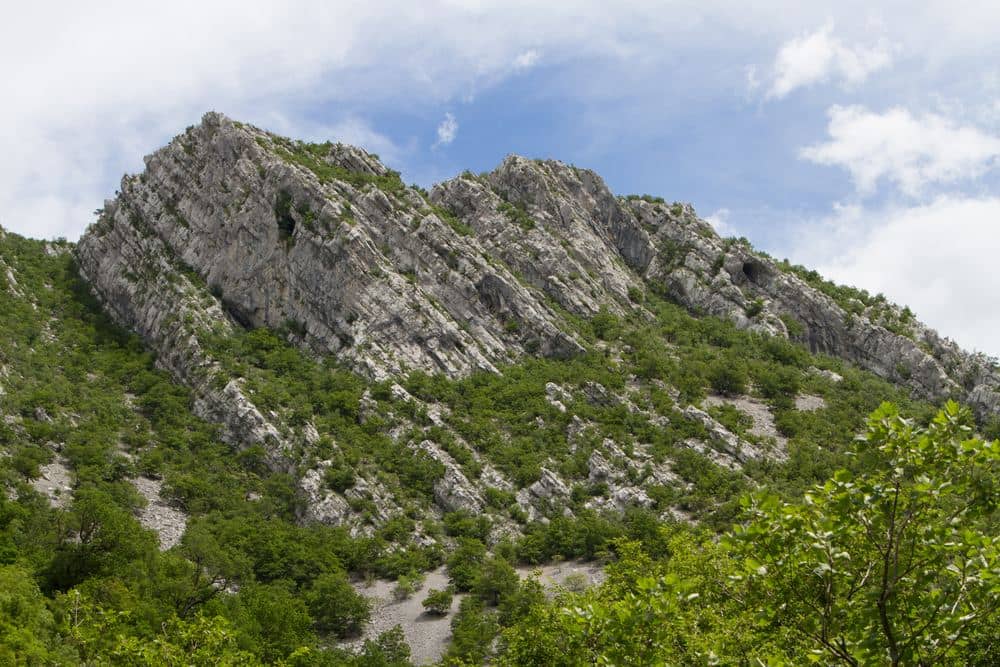
Paklenica National Park is the biggest outing from Zadar: some forty minutes' drive toward Starigrad, and from the coastal road you turn straight into the heart of the Velebit, where two canyons, Velika and Mala Paklenica, cut Croatia's highest mountain down to the sea. The park has existed since 1949 and offers a range that in Europe rarely fits into one morning: a walk along the canyon floor beneath cliffs up to four hundred metres tall, beech woods and mountain meadows higher up, and Manita peć, the park's only show cave. Paklenica is also a climbing mecca with over four hundred routes, so carabiners chirp constantly along the trail; schools of climbing by the entrance serve beginners. For a first visit the classic suffices: the path from the entrance to the mountain hut and back, three to four hours' walk along the stream and the mills, with a pause for curd cheese at the hut. Bring water and firm shoes, start early in summer for the lower canyon bakes in the sun; tickets are at the gate or online. Whoever came to Zadar only for the sea understands in Paklenica why this region is called the most concentrated piece of Croatia.

Insider tip

Best with hiking shoes, water and an early start; check the park office before long routes.

Opening hours
Always open; check weather, park rules and daylight before hiking.

Photo: Andro Galinovic / CC BY-SA 4.0

Sveto Brdo
Legendary
Activity

Sveto Brdo

A high Velebit summit with huge views and a demanding approach.

Photo: Martin Vavrik / Public domain
Sveto Brdo
Activity Legendary

Sveto Brdo

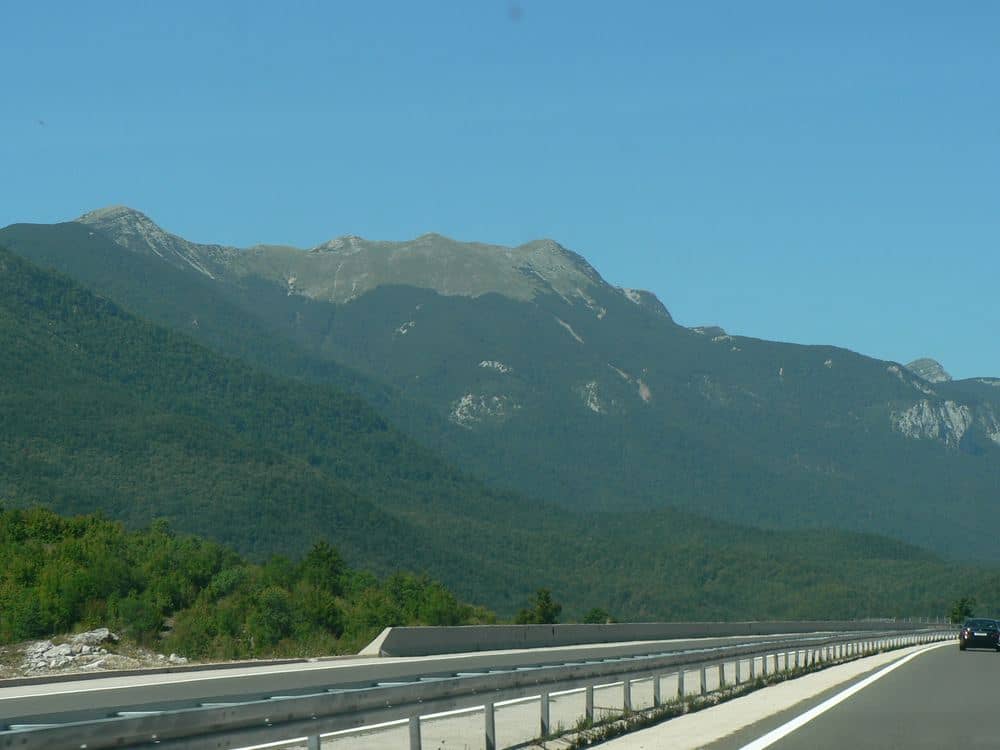
Sveto brdo, the Holy Mountain, is the southern giant of the Velebit: a regular pyramid of one thousand seven hundred and fifty-three metres visible from half of Dalmatia, Zadar included, and from which half of Dalmatia is visible back. The summit was a sacred mountain from ancient times, by tradition the seat of a pagan shrine later replaced by a cross, and today it is the goal of the most serious mountain tour in Zadar's surroundings: the ascent from Paklenica via the hut and Vlaški grad demands a full day, fifteen hundred metres of climb and a sure foot, for the summit ridge can be exposed to wind. The reward is a view Croatia rarely grants from one spot: the whole central Adriatic with islands from Pag to the Kornati, Ravni kotari as a green carpet, and behind one's back Lika and Bosnia to the horizon. On the top stand a great cross and the box with the summit book; in summer carry three litres of water per person, for there is no spring above the hut. The less prepared should take Sveto brdo with their eyes, from the riva or the beach: it is that spike which the evening sun paints pink last, when all Zadar already lies in shadow. That too, in its own way, is meeting it.

Insider tip

Plan this like a mountain day, not like a viewpoint drive.

Opening hours
Always open; check weather, park rules and daylight before hiking.

Photo: Martin Vavrik / Public domain

Explore Zadar by category

Sights

20
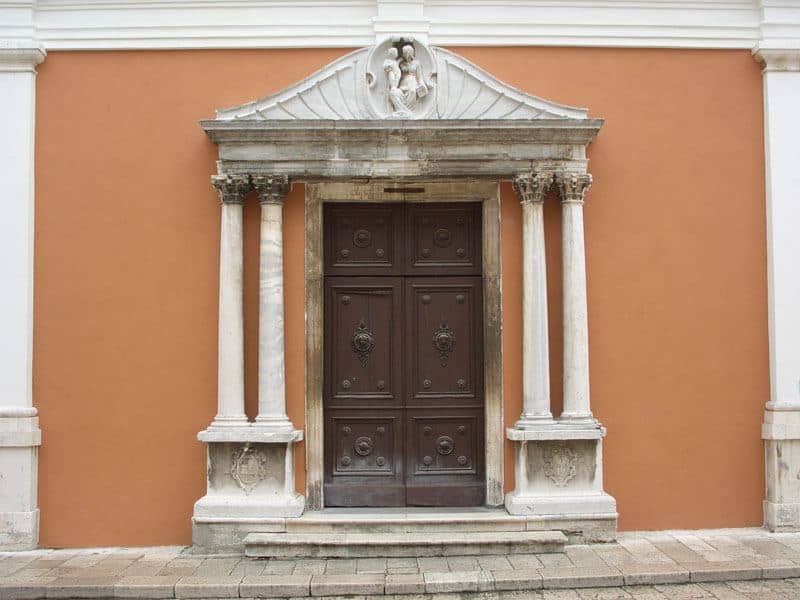
Church of St Simeon
Hidden gem
Sight

Church of St Simeon

A baroque church guarding a saint in a silver chest.

Photo: Maestralno / Public domain
Church of St Simeon
Sight Hidden gem

Church of St Simeon

The church of St Simeon keeps Zadar's most precious object: the silver sarcophagus of the city's protector, a chest of two hundred and fifty kilograms of silver forged between 1377 and 1380 by Francis of Milan with thirteen Zadar masters, commissioned by queen Elizabeth, wife of Louis of Anjou. The chest is a masterpiece of medieval goldsmithing and at the same time a comic strip in metal: its reliefs tell how the saint's body reached Zadar, how the queen tried to take a piece of it and how she repented, with portraits of the commissioner and her three daughters. The sarcophagus floats above the high altar, carried by two bronze angels cast from Turkish cannons, and inside truly lies the body of St Simeon the God-receiver, the old man who by the Gospel held the infant Christ in his arms. The church itself is a 17th-century Baroque room on older foundations, calm and slightly dark, which only sharpens the silver's glow. It is most festive around 8 October, the saint's day, when the chest is opened and the town celebrates its Šime; the rest of the year you have the reliefs almost to yourself. Entry is free, shoulders covered.

Insider tip

Look closely at the chest's reliefs: one panel shows the queen who paid for it, fingers said to have been cursed.

Photo: Maestralno / Public domain

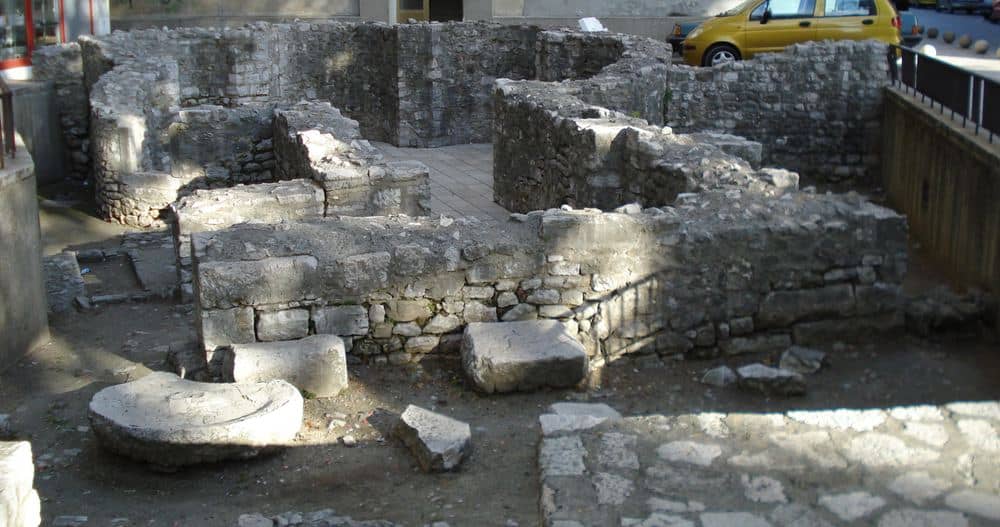
Stomorica Church Remains
Hidden gem
Sight

Stomorica Church Remains

Excavated footings of an early medieval church.

Photo: Andrej Šalov / CC BY-SA 3.0
Stomorica Church Remains
Sight Hidden gem

Stomorica Church Remains

Stomorica is Zadar's smallest monument and one of its most unusual: the foundations of a pre-Romanesque chapel of the 11th century, uncovered in the 1960s below the level of today's street in the Varoš quarter. The chapel of St Ursula, which the people fondly called Stomorica, had a plan counted on one hand's fingers in Europe: a six-leaf, six semicircular apses around a central space, like a stone rosette laid on the ground. Such six-leaf chapels are a speciality of early medieval Dalmatia and tied to the era of Croatian rulers; Zadar's is among the most legible, because from the excavation's rim the whole shape is seen at once, like a drawing at one-to-one scale. Around the foundations daily life flows, cafés, the street, residents with shopping bags, and precisely that contrast makes the place striking: a thousand years of difference in two metres of height. Stand at the railing, read the plaque and look at the six arcs in the stone; it takes three minutes, and you carry away one of the city's oldest images. Then continue through Varoš, the liveliest old quarter, toward People's Square.

Photo: Andrej Šalov / CC BY-SA 3.0

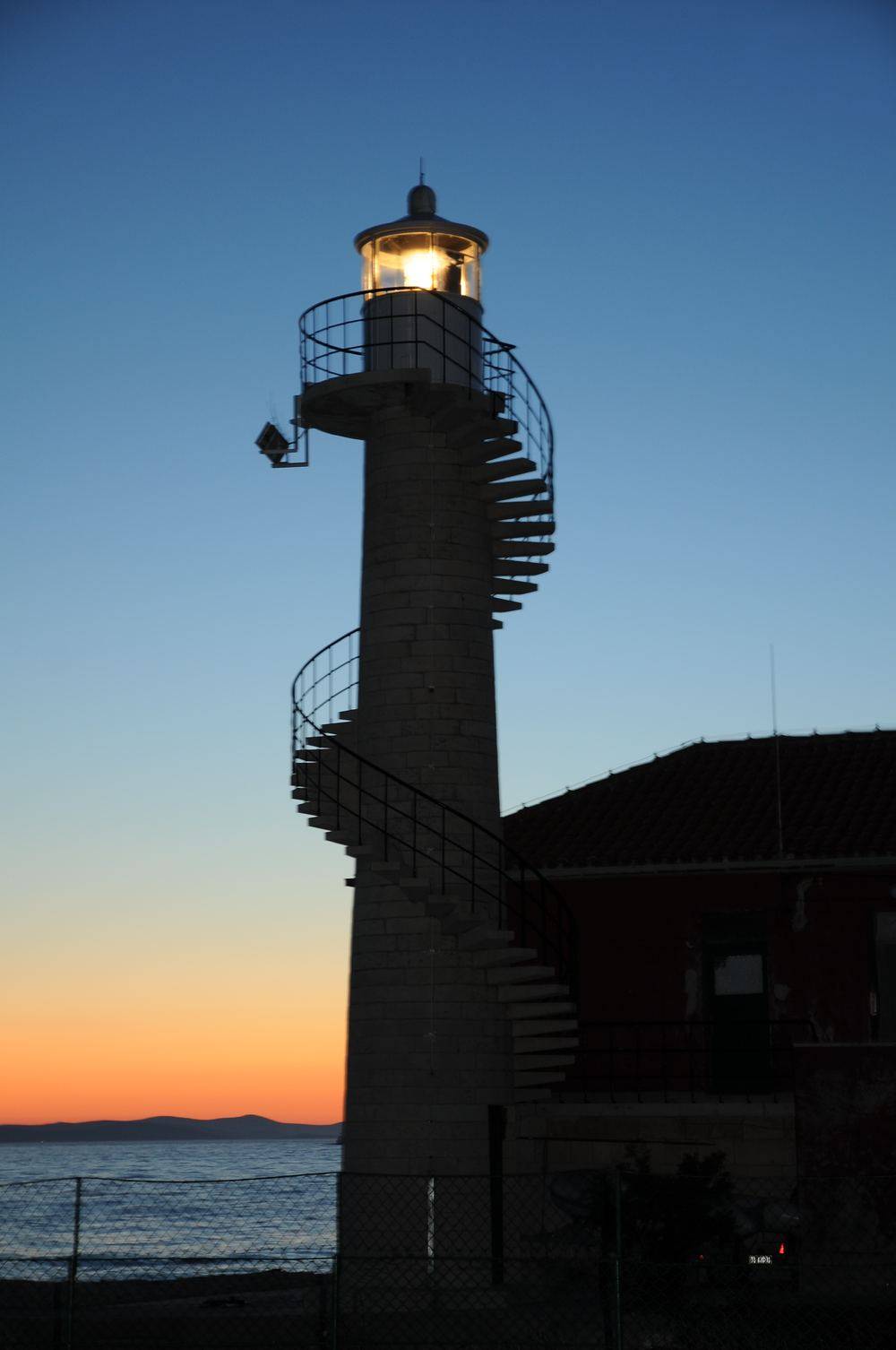
Oštri Rat Lighthouse
Hidden gem
Sight

Oštri Rat Lighthouse

A lighthouse north of the entrance to Zadar harbour.

Photo: Böhringer Friedrich / CC BY-SA 2.5
Oštri Rat Lighthouse
Sight Hidden gem

Oštri Rat Lighthouse

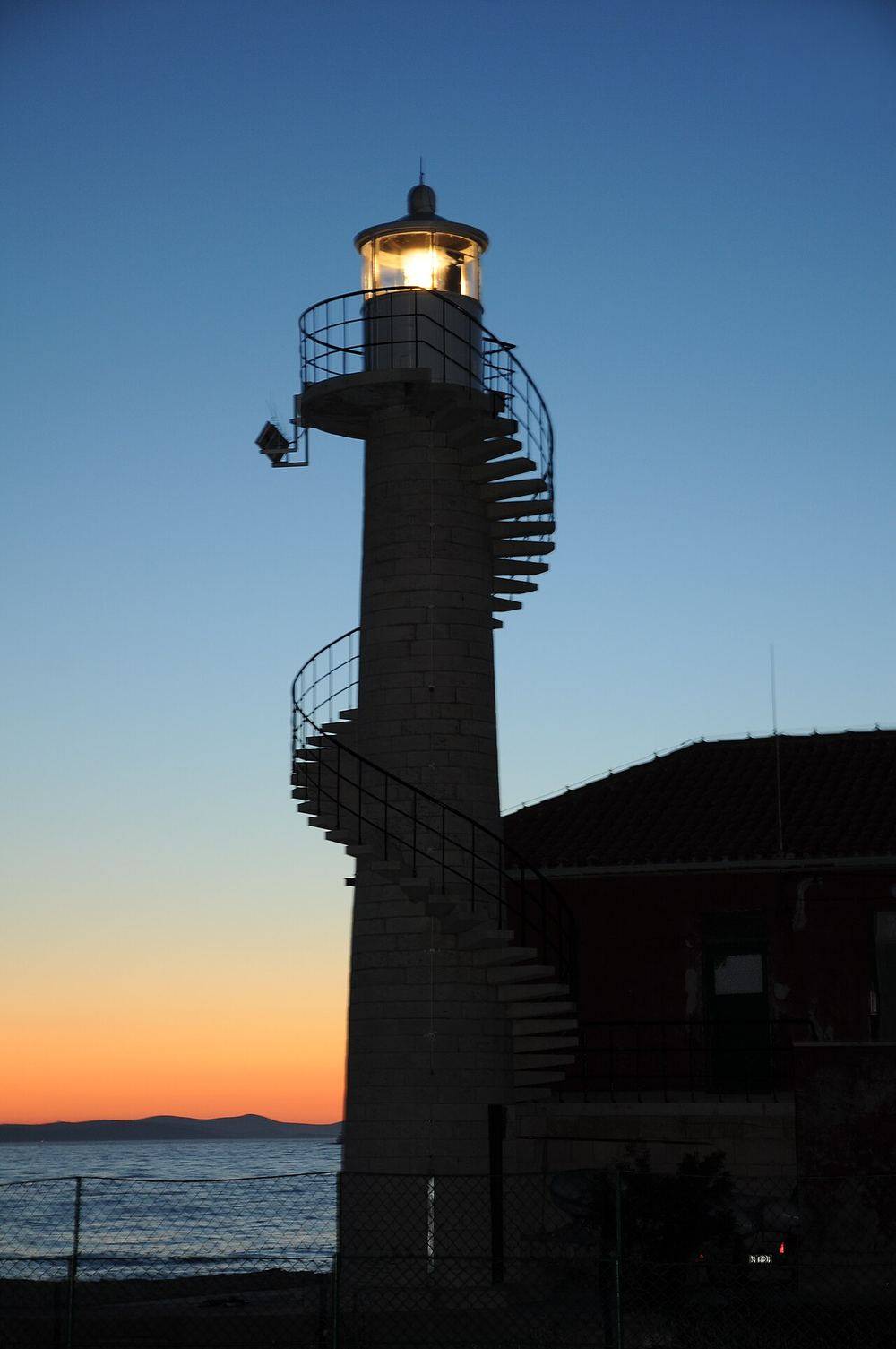
The Oštri rat lighthouse at Puntamika has guarded the entrance to Zadar's harbour since 1871: a white stone tower seventeen metres tall with the keeper's house beside it, among the oldest on the Croatian coast still doing their job. Its light still leads ships through the Zadar channel, and to walkers it serves as the goal of the city's loveliest shore walk: the path from the centre via Borik leads straight to the cape, where beside the tower the view opens over the whole channel, from Ugljan to the silhouettes of the Velebit. Around the lighthouse spreads an old-school bathing place, stone slabs and shingle coves, so sightseeing joins swimming naturally; the tower is not visited inside, but its foot is public and always open. Oštri rat is also the unofficial stage of the Zadar sunset: the sun drops exactly before the lighthouse, the boats return to harbour, and the light at the tower's top takes over the shift. Come half an hour before sunset with a towel and something cold: you get the same show as on the riva, only with half the audience and a lighthouse in the frame.

Insider tip

Come for sunset: Zadar is famous for one of the finest sunsets on the Adriatic.

Photo: Böhringer Friedrich / CC BY-SA 2.5

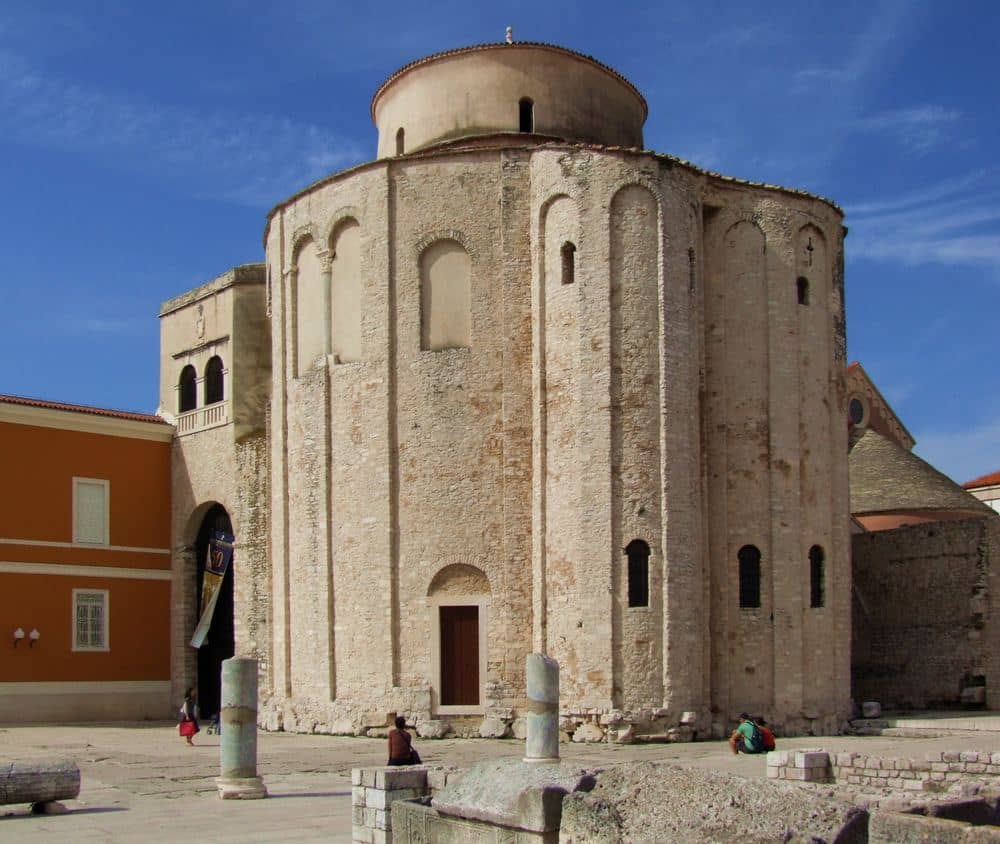
Church of St Donatus
Sight

Church of St Donatus

A round 9th-century Byzantine church.

Photo: Pudelek (Marcin Szala) / CC BY-SA 3.0
Church of St Donatus
Sight

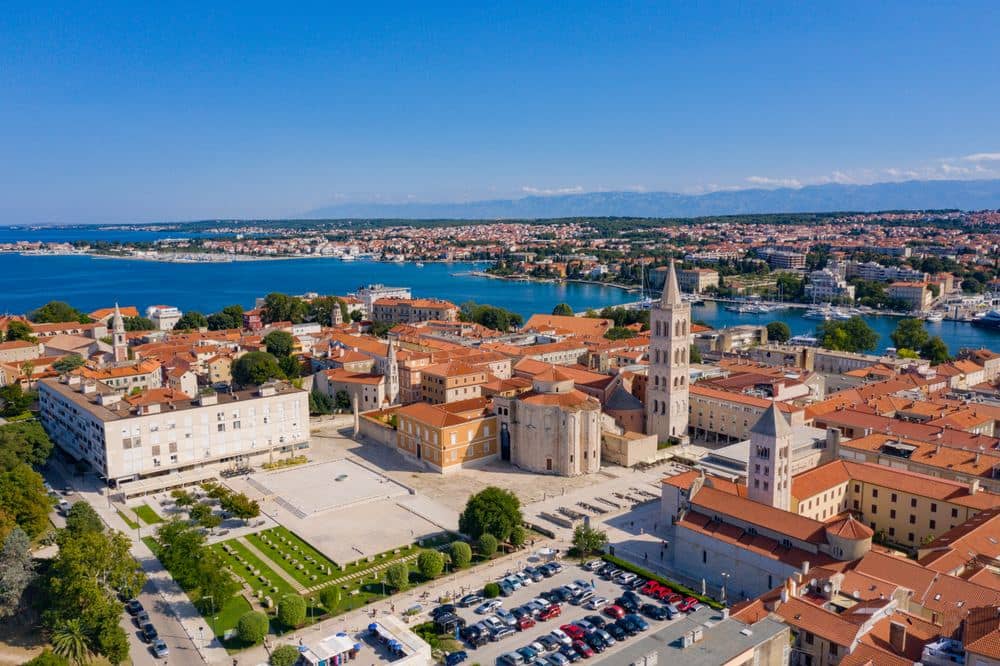
Church of St Donatus

St Donatus is Zadar in a single building: a huge pre-Romanesque rotunda from the early 9th century, raised on the slabs of the Roman forum, with two columns of the imperial square built straight into its foundations. The circular body, twenty-seven metres tall, with an upper gallery and three apses, has no true model anywhere on the Adriatic; it was built when Zadar was Byzantine and bishop Donatus, after whom the church is named, travelled as a diplomat between Constantinople and Charlemagne. The interior is bare to the stone, and precisely that emptiness makes the impression: the eye climbs the rough walls toward the window light, while through grilles underfoot the Roman foundations show. The church has long served music rather than mass: its acoustics, with a four-second echo, carry the Musical Evenings in St Donatus, a festival that has filled the rotunda with Renaissance and Baroque every summer since 1961. Pair the visit with the climb up the nearby belfry of St Anastasia: from above you see best how the round church sits on the rectangular forum, millennium upon millennium.

Opening hours
09:00-17:00

Photo: Pudelek (Marcin Szala) / CC BY-SA 3.0

Roman Forum
Sight

Roman Forum

The largest Roman forum on the Croatian coast.

Photo: dronepicr / CC BY 2.0
Roman Forum
Sight

Roman Forum

Zadar's forum is the largest Roman square on the Croatian side of the Adriatic: ninety by forty-five metres of civic centre laid out in the 1st century BC under the emperor Augustus, as the preserved inscription of proconsul Tamphilus proudly reports. Two thousand years later the forum is an open book in the middle of town: you walk on the original slabs, sit among scattered capitals and columns, and history here has neither fence nor ticket. Of the Capitoline temple complex remain the foundations and one complete column, fourteen metres tall, which in the Middle Ages served as the pillar of shame, its chains still in the stone. The square's edge is held by St Donatus and the archbishop's palace, and toward evening the forum becomes the town's living room: children chase a ball among the spolia, elders sit on column drums warm from the sun, street musicians claim a corner. Walk the forum twice, by day for the details and inscriptions, by night for the lighting that returns monumentality to the stone; and if you wonder what was dug up, the finds are across the way in the Archaeological Museum.

Photo: dronepicr / CC BY 2.0

Cathedral of St Anastasia
Sight

Cathedral of St Anastasia

The largest Romanesque cathedral in Dalmatia.

Photo: H.Helmlechner / CC BY-SA 4.0

Cathedral of St Anastasia
Sight

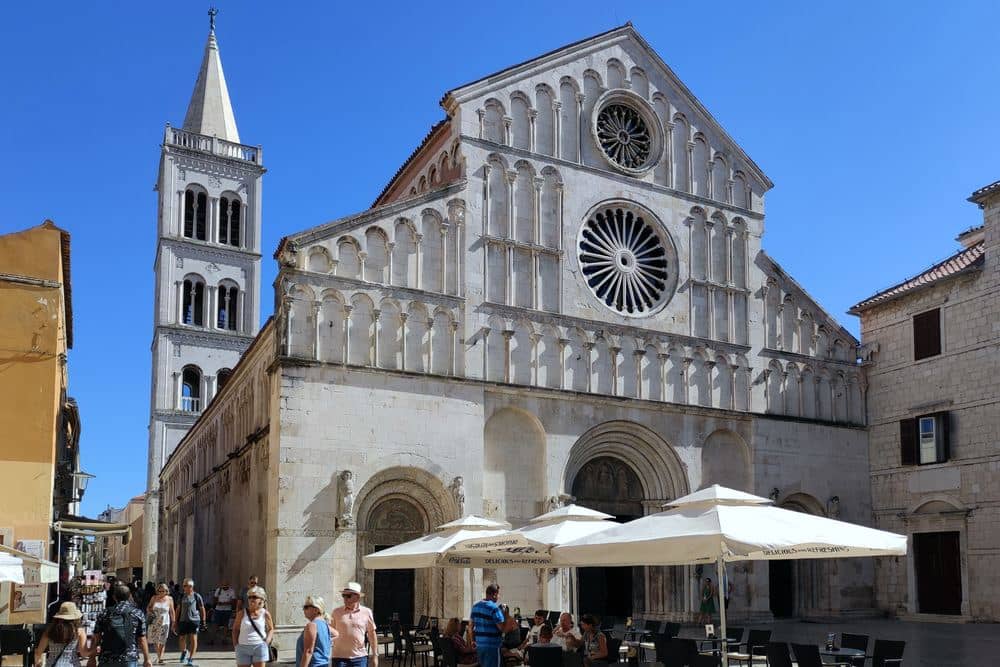
Cathedral of St Anastasia

The cathedral of St Anastasia is the largest church in Dalmatia and Romanesque at its ripest: a three-nave basilica of the 12th and 13th centuries whose front carries three portals, blind arcades and two stone rose windows, a larger Romanesque and a smaller Gothic one, stacked like two ages in one wall. It was built on early Christian foundations, suffered when the crusaders sacked Zadar in 1202, and was completed precisely out of that rebuilding. Inside are marble altars, 15th-century choir stalls and, in the apse, the sarcophagus of St Anastasia, a martyr of Sirmium whose relics reached Zadar from Constantinople in the early 9th century. The belfry was begun in 1452 and finished only in 1893 to a design by the English architect Thomas Jackson; its hundred and eighty steps lead to the old town's best panorama: the peninsula's roofs, the forum underfoot, the islands offshore. The climb is charged separately from the church and is worth every cent, especially late afternoon, when the light settles on the stone. Sightseeing pauses during mass; the schedule hangs on the door.

Photo: H.Helmlechner / CC BY-SA 4.0

14 more places
  • Crkva sv. Klementa
  • Land Gate
  • Five Wells Square
  • Kalelarga
  • Church of St Mary
  • People's Square
  • Captain’s Tower
  • City Guard
  • City Loggia
  • Zadar City Walls
  • Sea Gate
  • Church of St Chrysogonus
  • Church of St Michael
  • Church and Monastery of St Francis

Activities

24
Sea Organ
Legendary
Activity

Sea Organ

Marble steps where the sea itself plays music.

Photo: Andrej Šalov / CC BY-SA 3.0

Sea Organ
Activity Legendary

Sea Organ

The Sea Organ at the end of Zadar's waterfront is the city's most celebrated modern monument: seventy metres of white stone steps beneath which architect Nikola Bašić hid thirty-five organ pipes in 2005, into which wave and tide press air. The sea thus plays itself, without electricity or schedule: long, deep chords that never repeat, stronger in a southerly, barely audible in a calm. The idea was born from the rebuilding of a waterfront ruined in the war and won the European Prize for Urban Public Space in 2006, and today Zadar is hard to imagine without the image of people sitting on the steps, silent, listening. Best come toward evening: the sun drops into the sea directly before the organ, ships pass toward the harbour, and the sound changes with every wave of their wake. The steps double as a bathing spot, in summer people dive from them into clean, deep water. Come twice, on a calm day and a windy one: they are two different concerts, and therein lies the genius of this place, which never plays the same piece.

Insider tip

Alfred Hitchcock called Zadar's sunset one of the world's most beautiful; from the organ steps you get it with the sea's own live music.

Photo: Andrej Šalov / CC BY-SA 3.0

Paklenica National Park
Legendary
Activity

Paklenica National Park

The Velebit hiking gateway above Starigrad, with canyons, peaks and marked mountain trails.

Photo: Andro Galinovic / CC BY-SA 4.0

Paklenica National Park
Activity Legendary

Paklenica National Park

Paklenica National Park is the biggest outing from Zadar: some forty minutes' drive toward Starigrad, and from the coastal road you turn straight into the heart of the Velebit, where two canyons, Velika and Mala Paklenica, cut Croatia's highest mountain down to the sea. The park has existed since 1949 and offers a range that in Europe rarely fits into one morning: a walk along the canyon floor beneath cliffs up to four hundred metres tall, beech woods and mountain meadows higher up, and Manita peć, the park's only show cave. Paklenica is also a climbing mecca with over four hundred routes, so carabiners chirp constantly along the trail; schools of climbing by the entrance serve beginners. For a first visit the classic suffices: the path from the entrance to the mountain hut and back, three to four hours' walk along the stream and the mills, with a pause for curd cheese at the hut. Bring water and firm shoes, start early in summer for the lower canyon bakes in the sun; tickets are at the gate or online. Whoever came to Zadar only for the sea understands in Paklenica why this region is called the most concentrated piece of Croatia.

Insider tip

Best with hiking shoes, water and an early start; check the park office before long routes.

Opening hours
Always open; check weather, park rules and daylight before hiking.

Photo: Andro Galinovic / CC BY-SA 4.0

Sveto Brdo
Legendary
Activity

Sveto Brdo

A high Velebit summit with huge views and a demanding approach.

Photo: Martin Vavrik / Public domain
Sveto Brdo
Activity Legendary

Sveto Brdo

Sveto brdo, the Holy Mountain, is the southern giant of the Velebit: a regular pyramid of one thousand seven hundred and fifty-three metres visible from half of Dalmatia, Zadar included, and from which half of Dalmatia is visible back. The summit was a sacred mountain from ancient times, by tradition the seat of a pagan shrine later replaced by a cross, and today it is the goal of the most serious mountain tour in Zadar's surroundings: the ascent from Paklenica via the hut and Vlaški grad demands a full day, fifteen hundred metres of climb and a sure foot, for the summit ridge can be exposed to wind. The reward is a view Croatia rarely grants from one spot: the whole central Adriatic with islands from Pag to the Kornati, Ravni kotari as a green carpet, and behind one's back Lika and Bosnia to the horizon. On the top stand a great cross and the box with the summit book; in summer carry three litres of water per person, for there is no spring above the hut. The less prepared should take Sveto brdo with their eyes, from the riva or the beach: it is that spike which the evening sun paints pink last, when all Zadar already lies in shadow. That too, in its own way, is meeting it.

Insider tip

Plan this like a mountain day, not like a viewpoint drive.

Opening hours
Always open; check weather, park rules and daylight before hiking.

Photo: Martin Vavrik / Public domain

Gold and Silver of Zadar
Hidden gem
Activity

Gold and Silver of Zadar

A thousand years of reliquaries the nuns hid from war.

Photo: Marie-Lan Nguyen / Public domain
Gold and Silver of Zadar
Activity Hidden gem

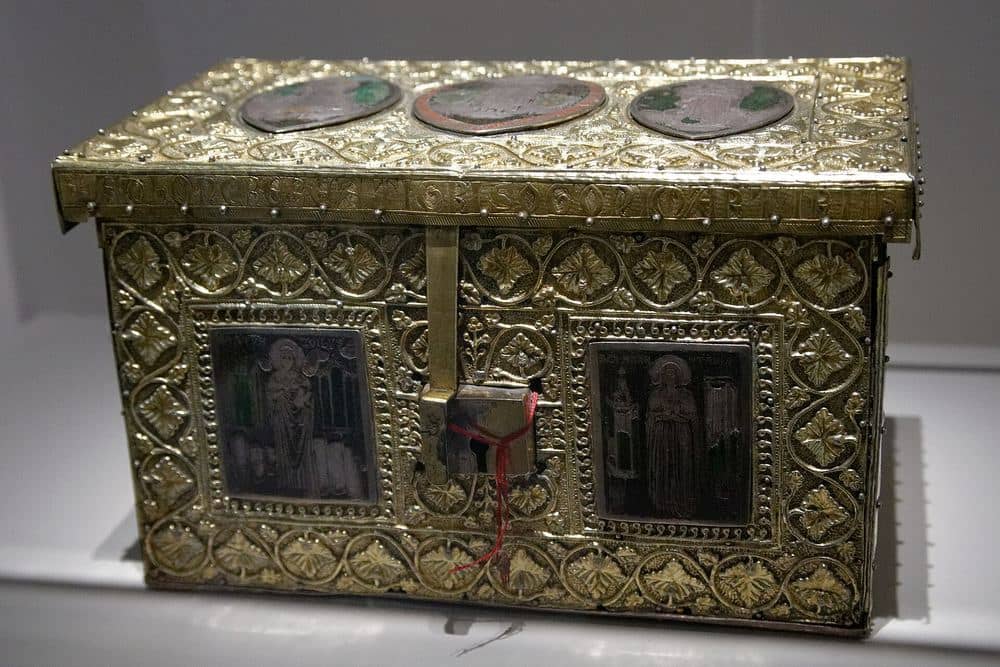
Gold and Silver of Zadar

The Gold and Silver of Zadar is the permanent exhibition in the Benedictine convent beside St Mary's and the most precious room in Croatia: reliquaries, crosses, chests and monstrances from the 8th to the 18th century, which the nuns guarded for centuries through sieges, fires and bombardments without surrendering a single piece. The display was created in 1951 at the urging of the writer Miroslav Krleža, who first exhibited Zadar's treasures in Zagreb and returned them to the city with the idea that they stay together, under the roof of the women who had saved them. Today a thousand years of goldsmithing line up through several halls: Byzantine plaques, Romanesque reliquaries shaped as hands and heads, Gothic caskets, Renaissance crosses, all in a half-dark that turns metal into ember. The high point is the reliquary of St James and the textile collection, and the most touching are the small objects, rings and earrings of Zadar's townswomen. The exhibition is still run by the Benedictines, so a visit has the tone of a call, not a museum: quiet, respectful, no flash. An hour covers the whole; the ticket is bought at the convent door.

Insider tip

It's small and easy to miss next to St Mary's, but it's the most precious room in Zadar.

Photo: Marie-Lan Nguyen / Public domain

Greeting to the Sun
Activity

Greeting to the Sun

A circle of light that makes the stored sun dance at night.

Photo: Hajotthu / CC BY-SA 3.0
Greeting to the Sun
Activity

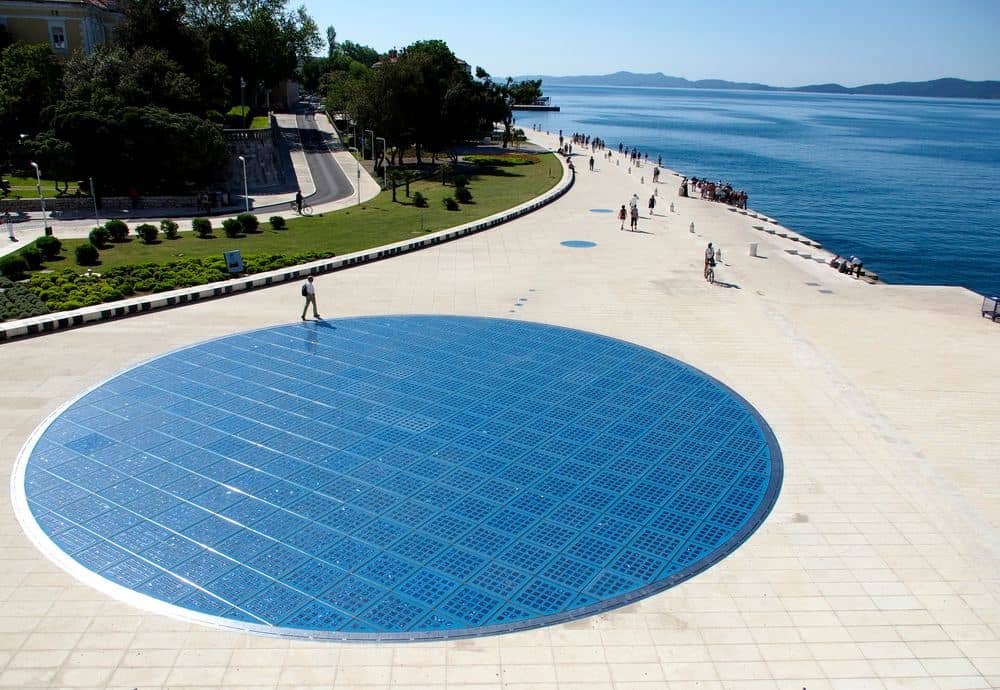
Greeting to the Sun

The Greeting to the Sun is the luminous sibling of the Sea Organ, the second half of Bašić's diptych on the peninsula's tip: a circle twenty-two metres across, paved with three hundred glass plates beneath which photovoltaic cells gather the sun by day and return it by night as a playful light show under the walkers' feet. The installation is a homage to the Zadar sunset, the one Alfred Hitchcock declared from his hotel window in 1964 the most beautiful in the world, and it is conceived as the place where the city literally sees the sun off and welcomes it back. Around the great circle smaller ones are laid out, planets to scale, so a walk on the cape is also a small school of the solar system. The crowd peaks at dusk, when half the waterfront settles on the stone around the circle: first everyone looks seaward at the sun sinking behind the islands, and the moment darkness falls they turn to the lights underfoot, children run across them, photographers hunt reflections. Come half an hour before sunset, claim the rim facing the open sea and stay for the first colours out of the glass: few squares in Europe change mood so suddenly and so cheerfully.

Insider tip

Come just after sunset, when the light show starts and the riva still glows with the last of the dusk.

Photo: Hajotthu / CC BY-SA 3.0

Museum of Ancient Glass
Activity

Museum of Ancient Glass

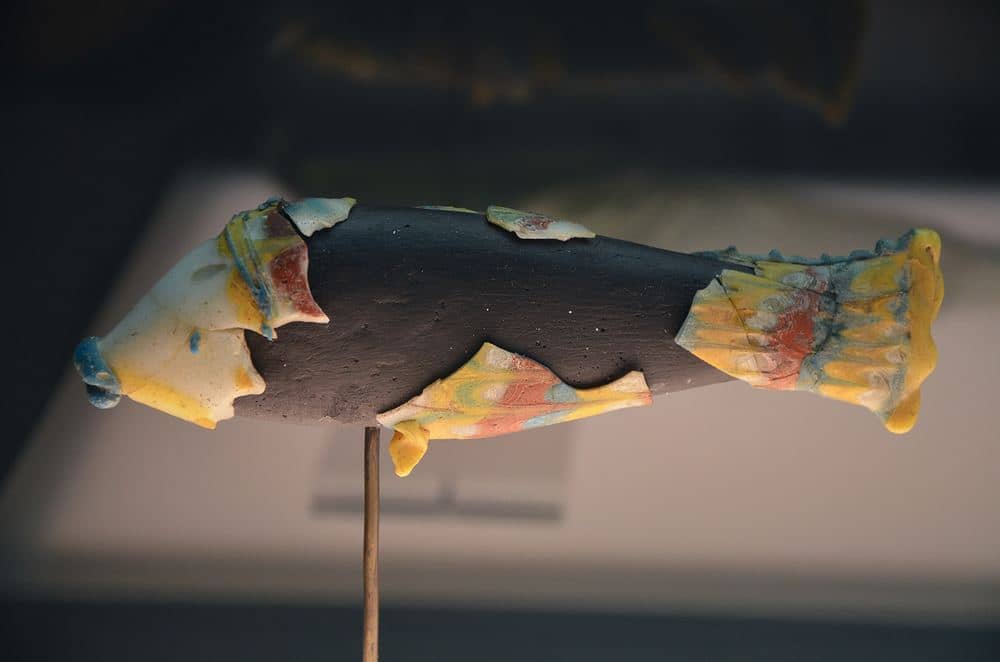
Roman glass, and glassblowers at work.

Photo: Carole Raddato from FRANKFURT, Germany / CC BY-SA 2.0
Museum of Ancient Glass
Activity

Museum of Ancient Glass

The Museum of Ancient Glass holds one of the largest collections of Roman glass outside Italy: some five thousand objects excavated mostly from the necropolises of Zadar and Ravni kotari, where flasks, jugs and urns lay protected in graves for two thousand years. The display in the Cosmacendi palace, opened in 2009, is arranged as a journey through Roman daily life: glass for table and pantry, for bath and cosmetics, tear bottles from funeral rites and mould-blown masterpieces thin as a breath. It is fascinating how modern the forms are, some cups look as if they left a shop this morning, yet they are two millennia old. The liveliest part of the museum is the workshop in the attic: several times a day glassblowers, commentary included, turn a molten drop into a jug or pendant, and the resulting pieces are sold in the museum shop as Zadar's smartest souvenir. An hour to ninety minutes is enough, the air-conditioning makes the museum ideal for midday heat, and the palace terrace looks straight onto the harbour and the walls. With small children aim for a blowing slot; the schedule stands at the entrance.

Insider tip

Time your visit for a live glass-blowing demo: check the day's schedule at the desk.

Photo: Carole Raddato from FRANKFURT, Germany / CC BY-SA 2.0

18 more places
  • Queen Jelena Park
  • Museum of Illusions
  • Kolovare Beach
  • Arsenal Zadar
  • Duke’s Palace
  • Providur’s Palace
  • Archaeological Museum Zadar
  • National Museum Zadar
  • Zadar Riva
  • Foša Harbour
  • Borik Beach
  • Puntamika Beach
  • Uskok Beach
  • Karma Beach
  • Diklo Beach
  • Velika Paklenica Canyon
  • Tulove Grede
  • Zrmanja Canyon Viewpoint

Shopping

3
City Galleria
Shopping

City Galleria

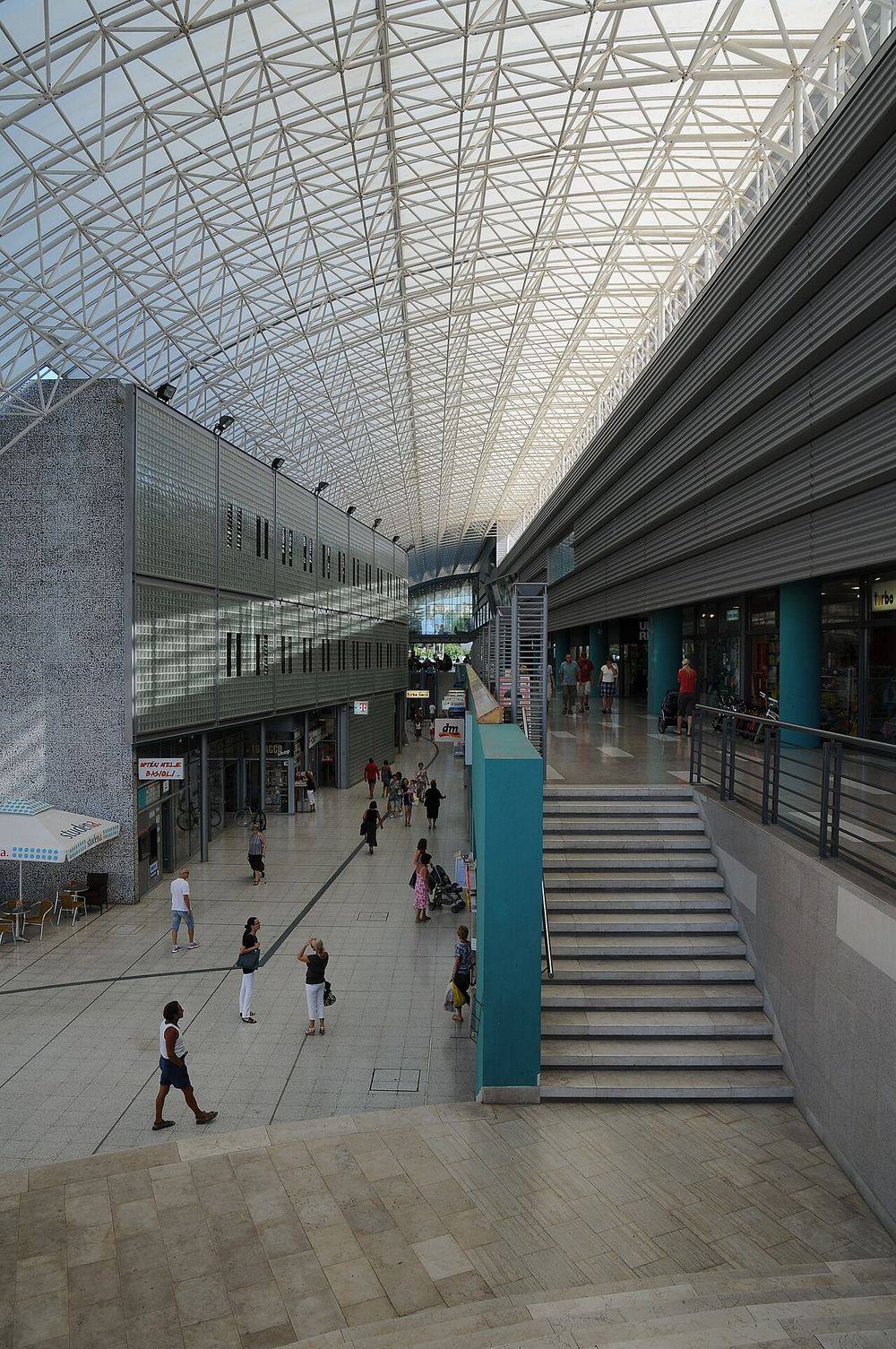
Compact shopping mall with shops and cafés.

Photo: Böhringer Friedrich / CC BY-SA 2.5
City Galleria
Shopping

City Galleria

City Galleria is Zadar's in-town shopping centre, in Relja, some ten minutes' walk from the footbridge toward the peninsula: several floors of shops around a bright atrium, with fashion brands, a bookshop, a drugstore, a supermarket in the basement and cafés along the glass. In a city that lives outdoors in summer, the Galleria is an air-conditioned refuge: the place to spend an hour usefully during the worst midday heat or a sudden downpour, buying what got forgotten on the way. Its advantage over the bigger centre on the city's edge is the address: one comes here on foot from the old town, without car or parking, so the Galleria is the natural choice for guests staying on and around the peninsula. The offer covers the everyday, clothes, shoes, cosmetics, press and electronics in miniature, and the basement supermarket is among the best stocked in the centre, with long hours. Touristically speaking this is a service, not an attraction, but a service one appreciates when needed: air-conditioning, a cash machine, a pharmacy nearby and everything done in half an hour, then back toward the riva.

Photo: Böhringer Friedrich / CC BY-SA 2.5

Zadar Green Market
Shopping

Zadar Green Market

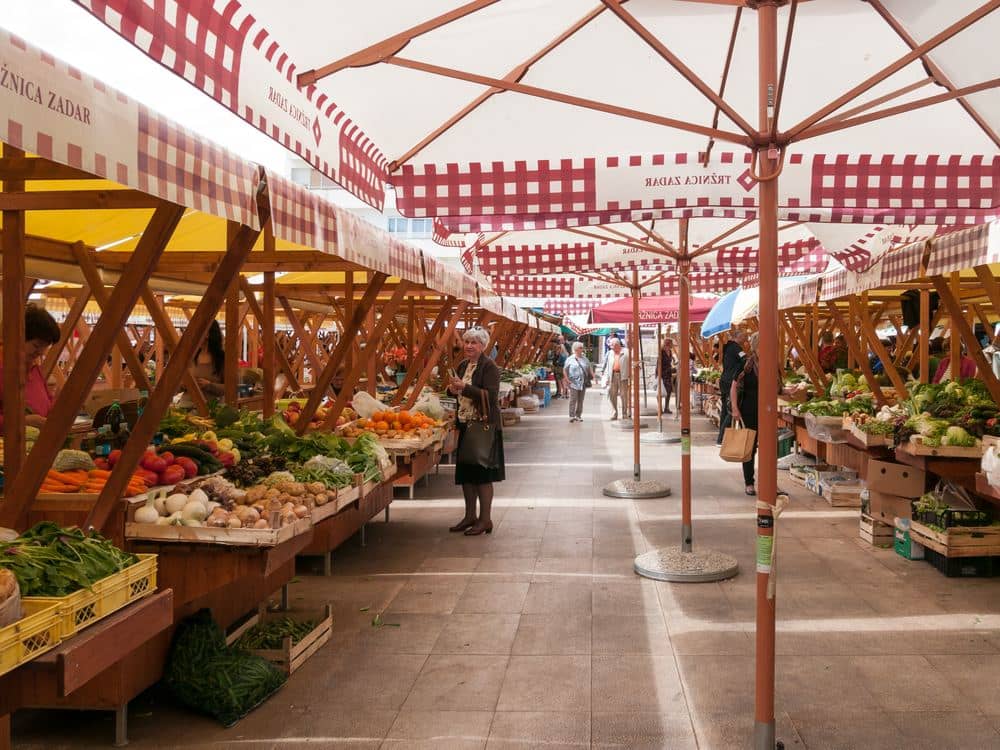
The city market by the old town walls: stalls of fruit, vegetables and local produce from early morning.

Photo: Matti Blume / CC BY-SA 4.0

Zadar Green Market
Shopping

Zadar Green Market

Zadar's market, for everyone simply the pijaca, works every morning along the old town's northern wall, on the stretch between People's Square and the Sea Gate: stalls of fruit, vegetables, cheese, prosciutto and flowers under canvas parasols, with the fish market in its own hall right beside. This is the exchange of flavours of Zadar's hinterland and islands: Pag cheese and curd, olive oil from Ugljan, tomatoes and chard from Ravni kotari, figs, the marasca cherries for which Zadar is famous, honey, rakija and homemade marasca juice. The fish hall is a chapter of its own, a morning performance in which sardines, gilthead and scorpionfish sell to loud banter and louder bargaining; whoever wants the best choice comes by nine. The pijaca is also the best school of the season: what is on the stalls is ripe, and that is what should be eaten tonight. Buy figs and cheese for the beach, take a coffee at the market's edge and watch the choreography of a town provisioning itself; half an hour of the pijaca will tell you more about Zadar than half a day of museums. Cash comes in handy, small stalls take cards reluctantly.

Insider tip

Taste before you buy: vendors happily offer a sliver of cheese or a fig, it is part of the game.

Photo: Matti Blume / CC BY-SA 4.0

1 more places
  • Supernova Zadar

Zadar: quick answers

How far is Zadar airport from the centre?
About twelve kilometres, at Zemunik. The shuttle bus meets arrivals and reaches the old town in roughly twenty-five minutes; a taxi takes fifteen.
What is the Sea Organ?
Thirty-five organ pipes built under the waterfront steps: waves push air through them and the shore plays continuous, random chords. It runs around the clock, is free, and sounds best with a light maestral breeze in the afternoon.
Which islands can I reach from Zadar?
Ugljan is twenty-five minutes by frequent ferry and works as an afternoon trip. Dugi otok with the Telašćica park and Sakarun beach is the classic full day. Boat tours also run to the Kornati archipelago in season.

CroVenture App

Explore Zadar with CroVenture

Places unlock as you reach them, with a passport that fills up as you explore.