Skip to content
All cities

Šibenik. Things to do, map and hidden gems

47 curated places· 9 hidden gems
Šibenik
Photo: Carsten Steger / CC BY-SA 4.0

Šibenik is the oldest native Croatian town on the coast, founded by kings rather than Greeks or Romans, and its masterpiece reflects that self-made streak: the cathedral of St James, built 1431 to 1536 entirely of stone slabs without a single beam or brick, wears a frieze of 71 carved citizen heads and holds a UNESCO listing. Two restored fortresses, St Michael and Barone, stage summer concerts above the roofs.

The city is also the gate to two parks: Krka with its waterfalls half an hour upstream, and the Kornati archipelago by boat from the same harbour.

Šibenik: a cathedral of pure stone and four fortresses

The next 7 days

Weather data by Open-Meteo.com

Opening hours and prices

The places we keep opening hours and price levels for. Times change with the season, so treat the official page as the last word.

PlaceOpening hoursPriceOfficial page
Čavnovka Peak (Promina)Always open; check access, weather, park rules and daylight before hiking.--

Climate month by month

Ten-year averages for Šibenik, so you can see what a month usually looks like rather than what this week happens to do.

MonthDay °CNight °CRain daysSea °C
January1031015
February125914
March156915
April18101016
May22141119
June2819623
July3121325
August3121526
September2517824
October2113822
November1691219
December1261217

Air 2015 to 2024, sea 2022 to 2024. A rain day is 1 mm or more. Data by Open-Meteo.com

Šibenik on video

Šibenik: you are beautiful

YouTubeŠibenik4:40

Beaches in Šibenik

Banj Beach
Activity

Banj Beach

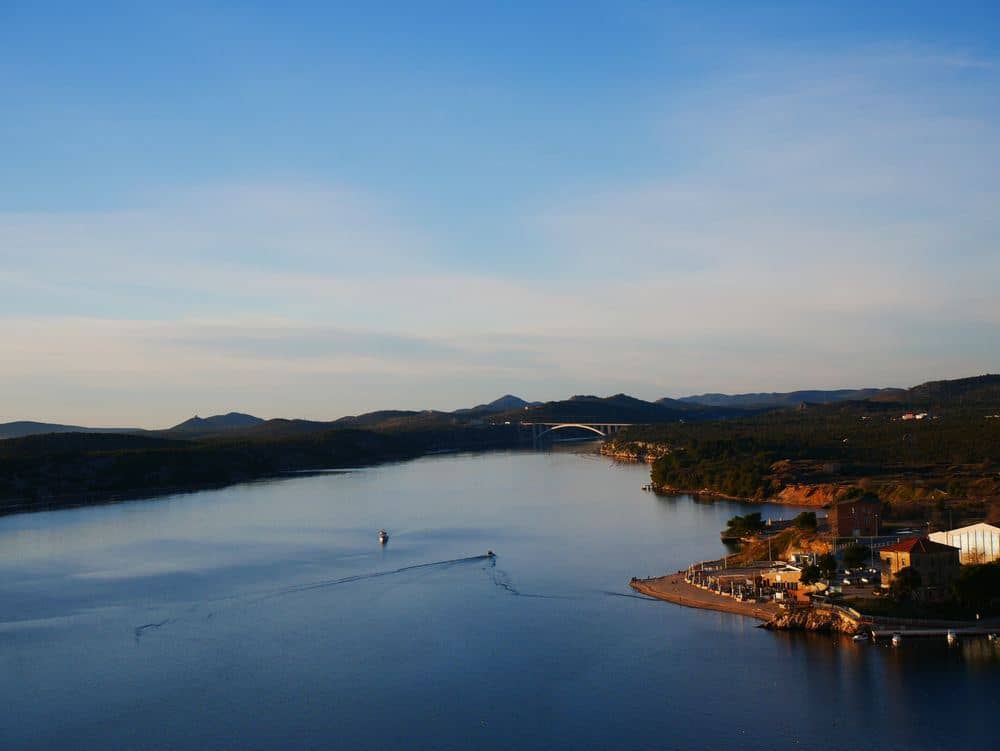
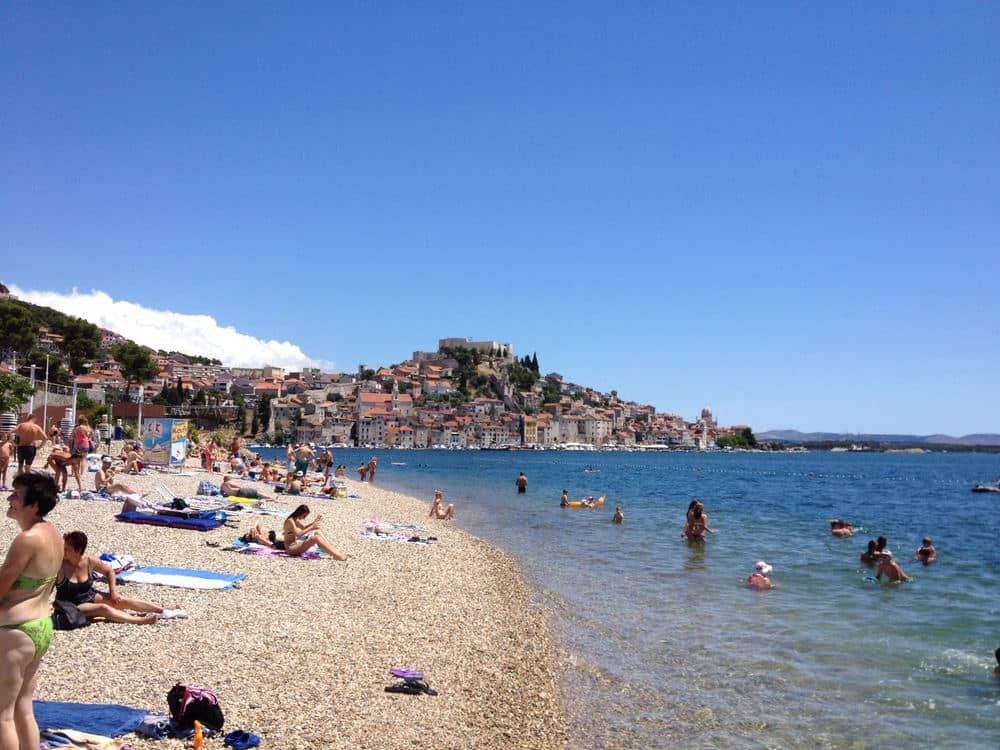
A pebble beach a short stroll from the old town, facing the channel.

Photo: Zvone00 / CC BY-SA 4.0
Banj Beach
Activity

Banj Beach

Banj is the town beach on the northern side of Sibenik harbour, opposite the old core, laid out in 2013 on what had been an unarranged shore. It is about three hundred metres long, covered with fine pebbles, with concrete platforms, showers, cabins and access for people with disabilities, and the sea is calm as the bay is enclosed. Its particularity is the view: across the water the whole outline of the town with the cathedral and St Michael's fortress is seen, which no other beach offers. From Poljana the beach is a fifteen-minute walk along the shore promenade. A bar and sports courts stand by the beach, and in the afternoon a light maestral blows here and cools the air.

Photo: Zvone00 / CC BY-SA 4.0

Jadrija Beach
Activity

Jadrija Beach

A pine-shaded beach across the channel from the old town.

Photo: Luboš Holič / CC BY-SA 3.0
Jadrija Beach
Activity

Jadrija Beach

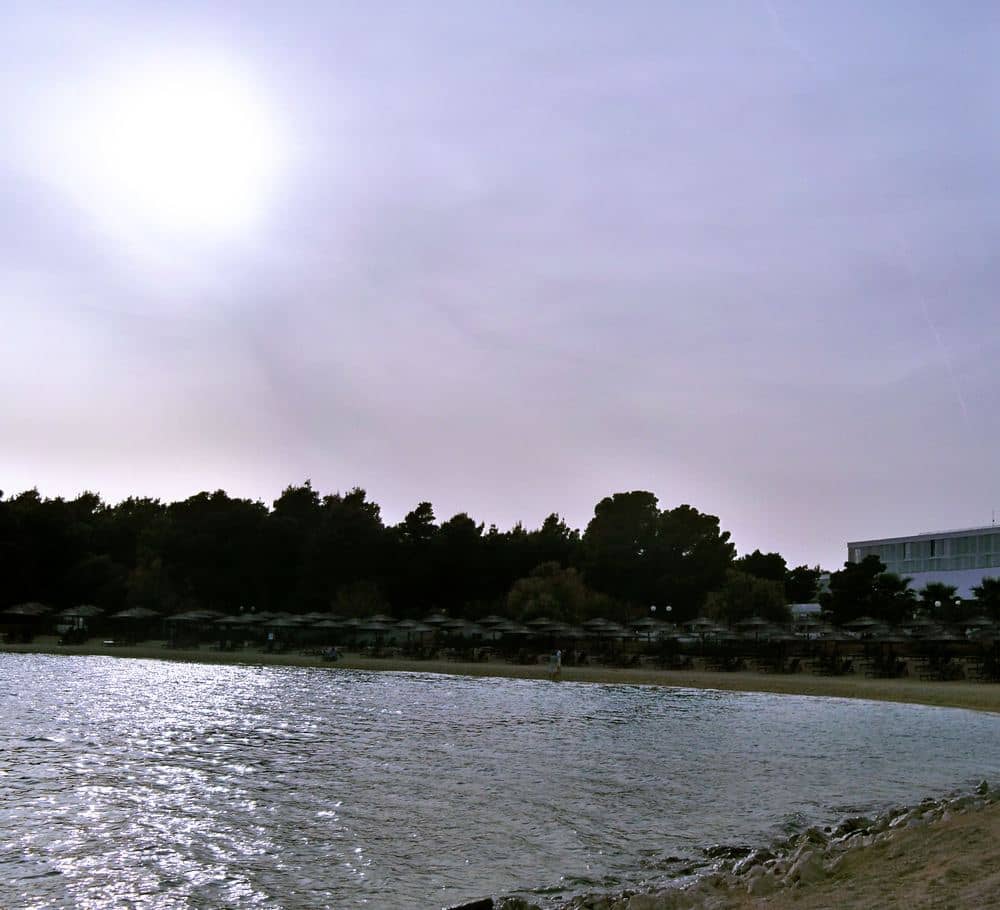
Jadrija is a bathing place on the cape at the entrance to the St Anthony channel, seven kilometres from the centre, and the oldest laid-out bathing place on this stretch of coast: it was built in 1921, when the people of Sibenik began coming to the sea for rest rather than work. It is recognised by the row of wooden cabins painted white and blue, lined along the shore, which are protected as a cultural monument and are still in use. The beach is pebble and concrete, and the sea is clear as it lies by the open channel. A restaurant and a small lighthouse at the tip of the cape stand by the bathing place. A town bus and a boat line from Sibenik harbour run to Jadrija, the trip taking some fifteen minutes.

Photo: Luboš Holič / CC BY-SA 3.0

Solaris Beach
Activity

Solaris Beach

A resort beach south of the city, backed by pine woods.

Photo: Panek / CC BY-SA 3.0

Solaris Beach
Activity

Solaris Beach

Solaris is a beach and hotel complex on the shore of the St Anthony channel, six kilometres south-west of the centre, built in the 1960s in a pine wood planted to hold the soil. The beach runs about two kilometres and consists of pebble coves, concrete platforms and grassy areas under the pines, and the sea is shallow near the shore, which suits children. Beside the beach are pools, tennis courts, a marina and a promenade that leads all the way to the mouth of the channel. Entry to the beach is free for those not staying in the hotels, and the parking is paid. A town bus runs to Solaris every half hour in season.

Photo: Panek / CC BY-SA 3.0

Plan your visit

Šibenik in a nutshell

47 places, 1 routes.

What is actually worth your time in Šibenik?

Start with St John’s Fortress, Skradinski Buk, and Roški Slap. After that it depends on what you enjoy: the guide holds 47 places in Šibenik, sorted into sights, activities, food and shopping, so you can skip whole categories that bore you.

St John’s FortressSt John’s Fortress

How do you get away from the crowds in Šibenik?

Follow the hidden gems: 9 places that rarely make the guidebooks, most of them a few streets off the main drag. St John’s Fortress, Skradinski Buk, and Roški Slap are good ones to start with.
Skradinski BukSkradinski Buk

No time to plan? Just follow a route.

Pick one of From the Four Wells to St Michael's. Each walk runs stop by stop in a fixed order, so the only decision left is where to have lunch.
Roški SlapRoški Slap
Our tips

What we would do around Šibenik

Day trips within reach of Šibenik, plus the routes and quiet corners our editors keep coming back to.

Šibenik itineraries

  • 7 stops

    From the Four Wells to St Michael's

    Cathedral, garden and a fortress above the rooftops

    1. Four Wells
    2. Church of St Barbara
    3. Cathedral of St James
    4. Civitas Sacra
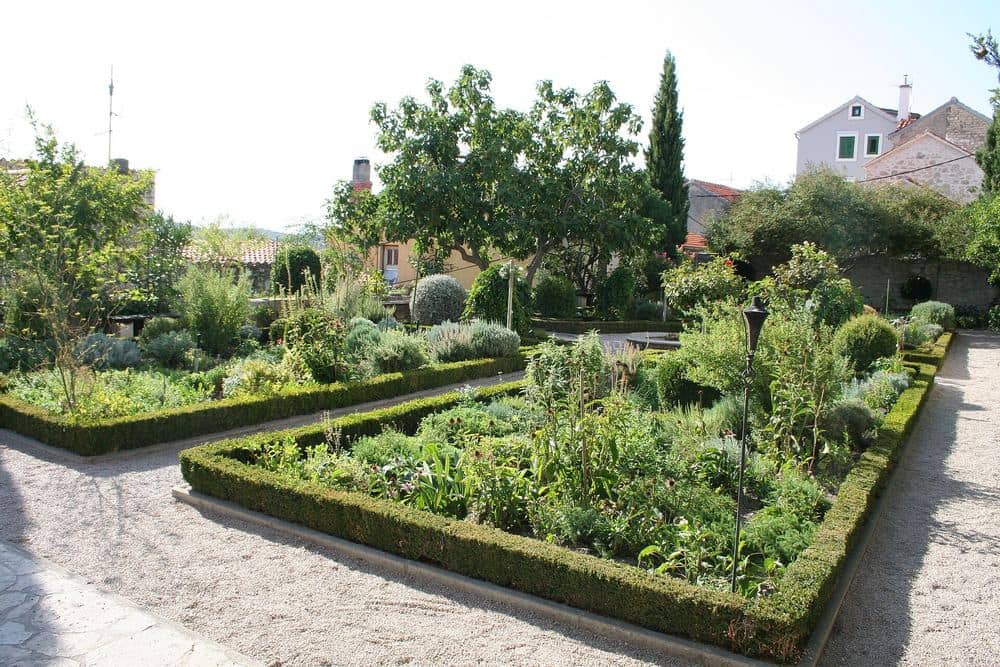
    5. Medieval Mediterranean Garden of St Lawrence
    6. St Michael's Fortress
    7. Banj Viewpoint

Hidden gems in Šibenik

St John’s Fortress
Legendary
Sight

St John’s Fortress

A hilltop fortress crowning Šibenik with sweeping views over the old town and the bay.

Photo: Carsten Steger / CC BY-SA 4.0
St John’s Fortress
Sight Legendary

St John’s Fortress

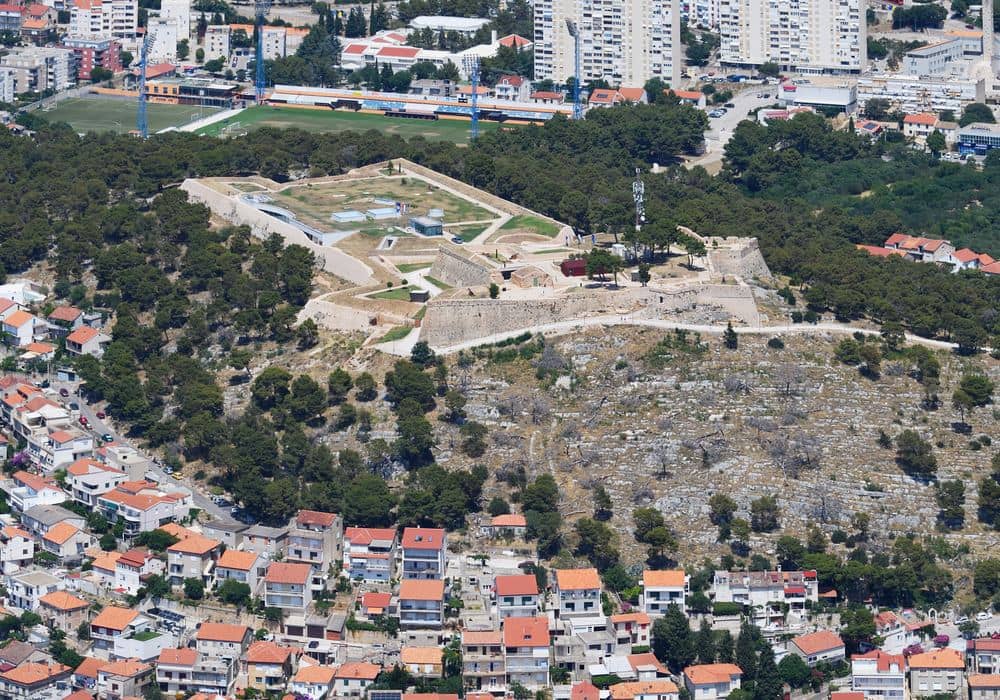
St John's fortress was raised in 1646, at the same time as Barone, on a hill a hundred and fifteen metres above the town, as Sibenik prepared for an Ottoman siege. It was built in the shape of an irregular star, with low walls and earth ramparts that absorbed cannon fire, since tall medieval towers no longer counted against artillery. Together with Barone and St Michael it formed the defensive triangle that in 1647 turned back a siege of several weeks. Later it lost its military role and decayed, and in recent years it has been partly restored and opened to visitors. From it comes the widest view of the town, the channel and the islands; the climb from the old core takes half an hour.

Photo: Carsten Steger / CC BY-SA 4.0

Skradinski Buk
Legendary
Activity

Skradinski Buk

The famous cascading waterfalls of Krka National Park.

Photo: Bengt Oberger / CC BY-SA 4.0

Skradinski Buk
Activity Legendary

Skradinski Buk

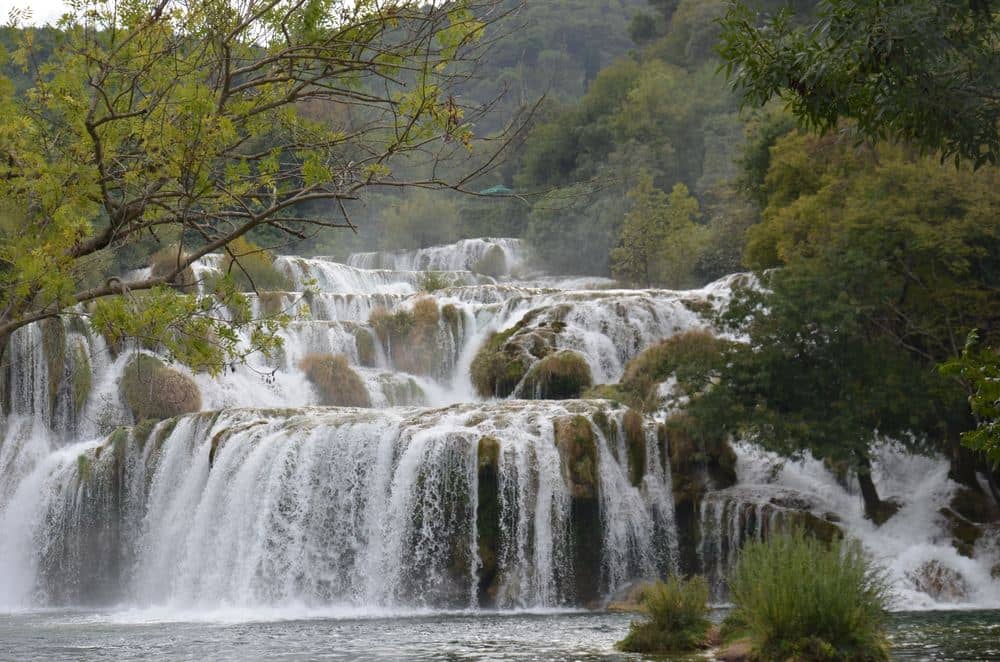
Skradinski Buk is the largest fall on the Krka and the most visited place in the national park: here the river drops nearly fifty metres over seventeen tufa steps, along eight hundred metres, splitting into dozens of streams that pour over overgrown barriers. Tufa forms as limestone settles among mosses and algae and grows only a few millimetres a year, which is why walking off the paths is forbidden. Beside the falls stand restored mills, fulling stamps for cloth and a smithy, which show how the power of the water was used for centuries. Nearby is the Jaruga hydroelectric plant of 1895, one of the oldest in the world. The round on wooden walkways takes an hour and a half.

Photo: Bengt Oberger / CC BY-SA 4.0

Roški Slap
Legendary
Activity

Roški Slap

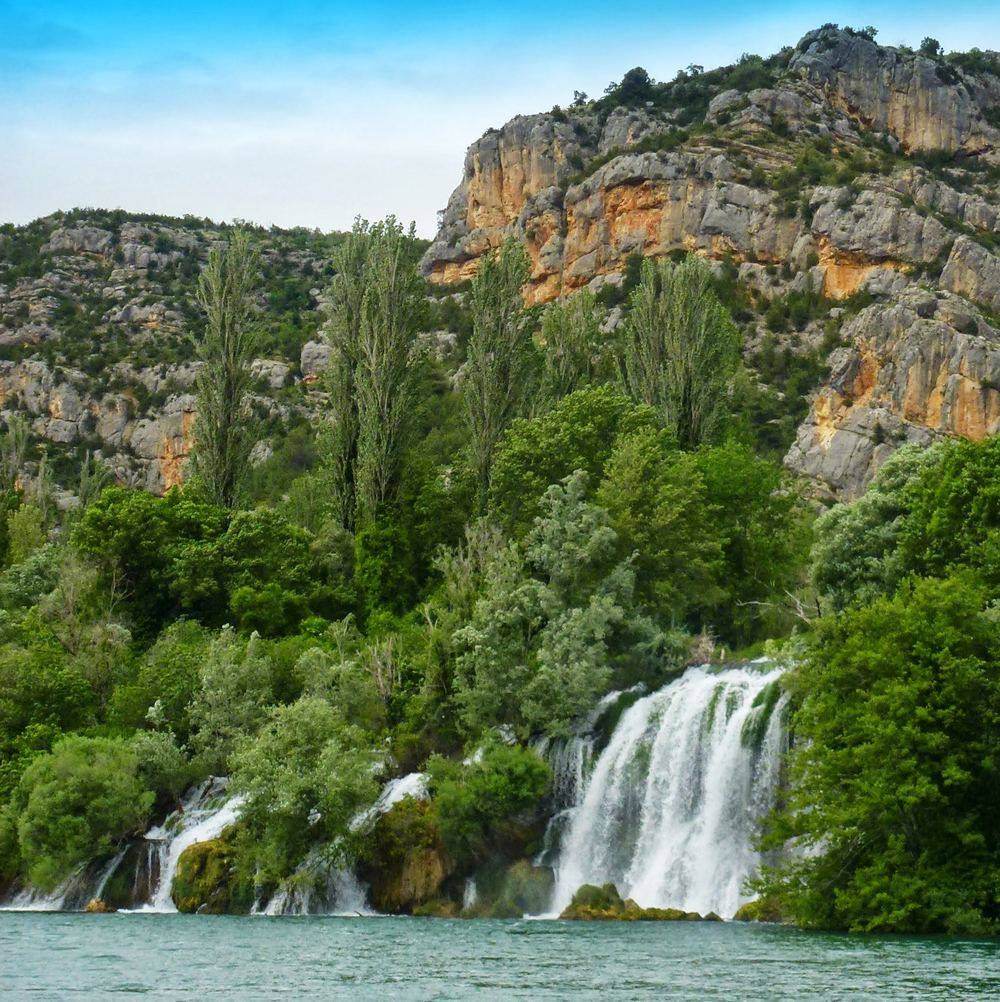
A wide, dramatic waterfall further upstream in Krka National Park.

Photo: Maximovich Nikolay / CC BY 3.0

Roški Slap
Activity Legendary

Roški Slap

Roski Slap lies on the middle course of the Krka, between Visovac lake and the canyon, and drops over twenty-two metres along nearly six hundred. Its upper part is a run of small cascades the local people call necklaces, because they descend in a line like links; below them the river falls in the main cataract into a wide lake. Along the bank stand old mills in which grain was ground for the whole hinterland until the mid-20th century, and some of them still work as a demonstration. Nearby, in a steep cliff, opens the Roski cave, reached by steps. A road from Skradin and Drnis leads to the falls, and the park also offers arrival by boat from Visovac.

Photo: Maximovich Nikolay / CC BY 3.0

Explore Šibenik by category

Sights

22
St John’s Fortress
Legendary
Sight

St John’s Fortress

A hilltop fortress crowning Šibenik with sweeping views over the old town and the bay.

Photo: Carsten Steger / CC BY-SA 4.0

St John’s Fortress
Sight Legendary

St John’s Fortress

St John's fortress was raised in 1646, at the same time as Barone, on a hill a hundred and fifteen metres above the town, as Sibenik prepared for an Ottoman siege. It was built in the shape of an irregular star, with low walls and earth ramparts that absorbed cannon fire, since tall medieval towers no longer counted against artillery. Together with Barone and St Michael it formed the defensive triangle that in 1647 turned back a siege of several weeks. Later it lost its military role and decayed, and in recent years it has been partly restored and opened to visitors. From it comes the widest view of the town, the channel and the islands; the climb from the old core takes half an hour.

Photo: Carsten Steger / CC BY-SA 4.0

Cathedral of St James
Legendary
Sight

Cathedral of St James

A stone masterpiece under UNESCO protection.

Photo: Berthold Werner / CC BY-SA 4.0
Cathedral of St James
Sight Legendary

Cathedral of St James

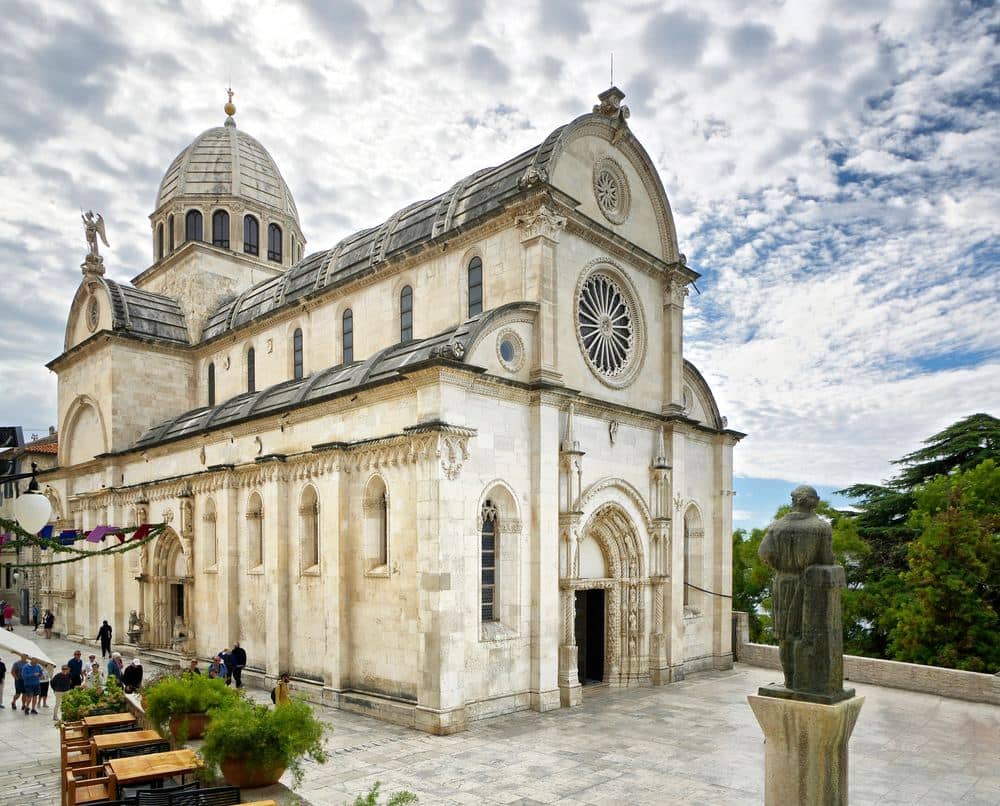
The cathedral of St James was built between 1431 and 1536 and is the only large European church raised entirely of stone, without brick, timber or mortar: the stone slabs were cut so that they hold one another by grooves, like assembled furniture. From 1441 the work was led by Juraj Dalmatinac, who devised both the dome and the stone vault, and after his death Nikola Firentinac completed it. Along the apses runs a frieze of seventy-one human heads, portraits of real people of 15th-century Sibenik, among them women, children and bearded men in caps. The baptistery below the choir is one of the summits of stone carving. The cathedral was inscribed on the UNESCO list in 2000; a visit takes half an hour.

Photo: Berthold Werner / CC BY-SA 4.0

Jadrija Lighthouse
Hidden gem
Sight

Jadrija Lighthouse

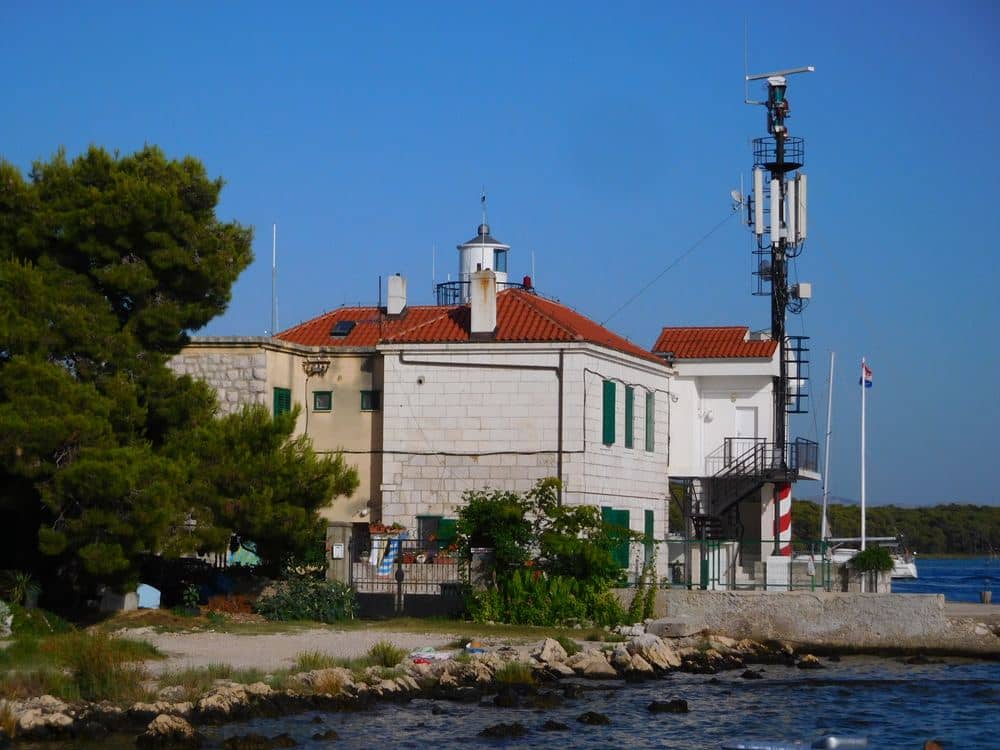
A lighthouse at the mouth of St Anthony's Channel into Šibenik harbour.

Photo: JiriMatejicek / CC BY-SA 4.0
Jadrija Lighthouse
Sight Hidden gem

Jadrija Lighthouse

The lighthouse on Cape Jadrija stands on the northern side of the entrance to the St Anthony channel and marks the passage for ships entering the harbour of Sibenik. It was raised in the 19th century, when the Austrian maritime administration was fitting out the eastern Adriatic with a chain of lighthouses, since without a light a night entry into so narrow a channel was dangerous. The tower is low and white, with a light visible several miles off, and beside it stands the house of the former keeper; today it works automatically. The cape is low and rocky, with the Jadrija bathing place right next to it, so the lighthouse is taken in on the same walk. The sight is at its most telling when a large ship passes through the channel.

Insider tip

Pair it with a swim at Jadrija; late afternoon is loveliest.

Photo: JiriMatejicek / CC BY-SA 4.0

ex-ljetnikovac Fausta Vrančića
Hidden gem
Sight

ex-ljetnikovac Fausta Vrančića

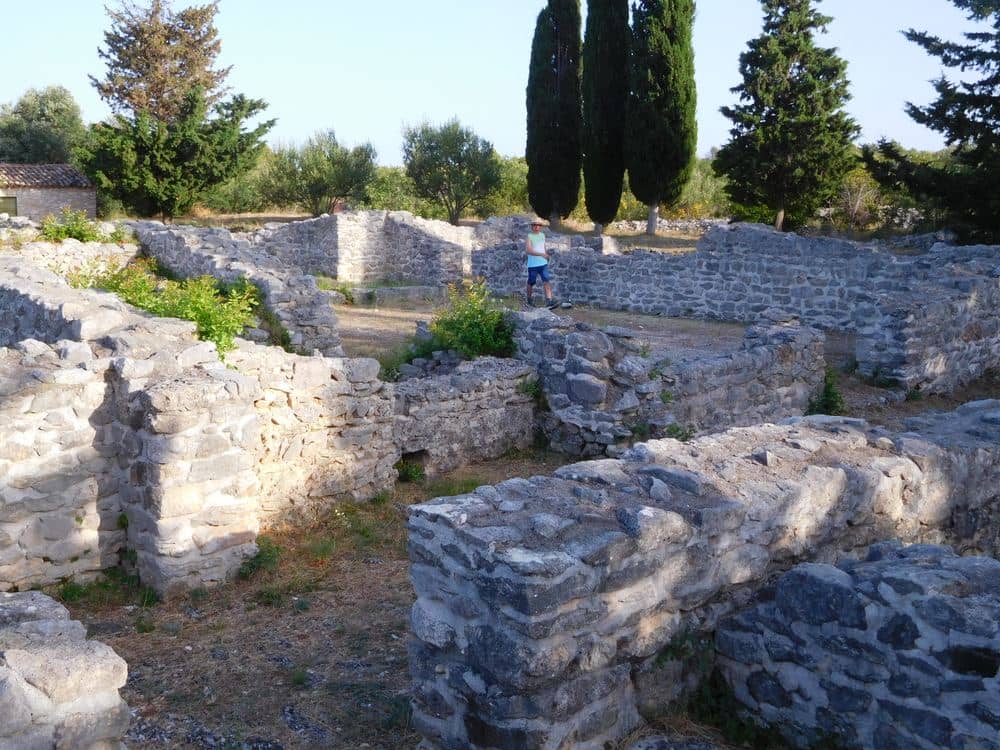
A historic fortified site near Šibenik, a witness to the area's turbulent past.

Photo: JiriMatejicek / CC BY-SA 4.0
ex-ljetnikovac Fausta Vrančića
Sight Hidden gem

ex-ljetnikovac Fausta Vrančića

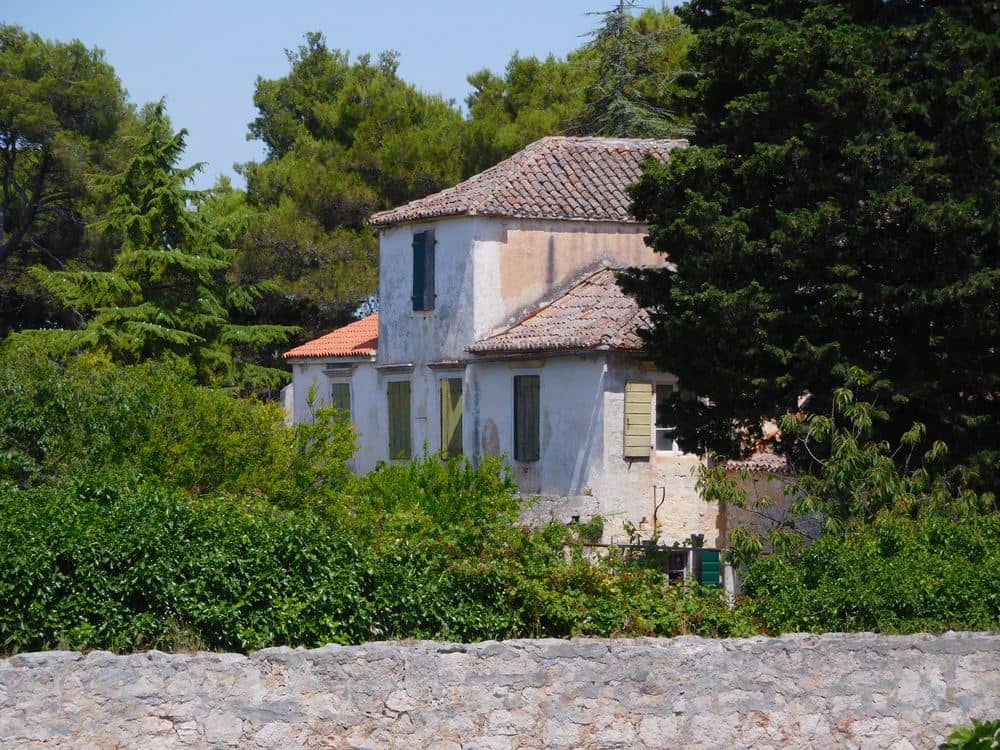
West of Sibenik, in a withdrawn position by the sea, stand the remains of the Renaissance summer residence of the Vrancic family, one of the most prominent families of 16th-century Sibenik. From it came Antun Vrancic, archbishop and diplomat, and his nephew Faust Vrancic, inventor and lexicographer, who in 1595 published a dictionary of five European languages and in 1615 the book Machinae Novae with designs for bridges, mills and a flying device with a parachute. The estate was built as a fortified country seat with a house, a farm section and a wall toward the land. Today the walls and parts of the openings are visible, while the interior has collapsed. A field track leads to the site, and there are no signs and no arranged access.

Insider tip

The ground is often rough; wear firm shoes and mind the edges.

Photo: JiriMatejicek / CC BY-SA 4.0

Srima-Prižba
Hidden gem
Sight

Srima-Prižba

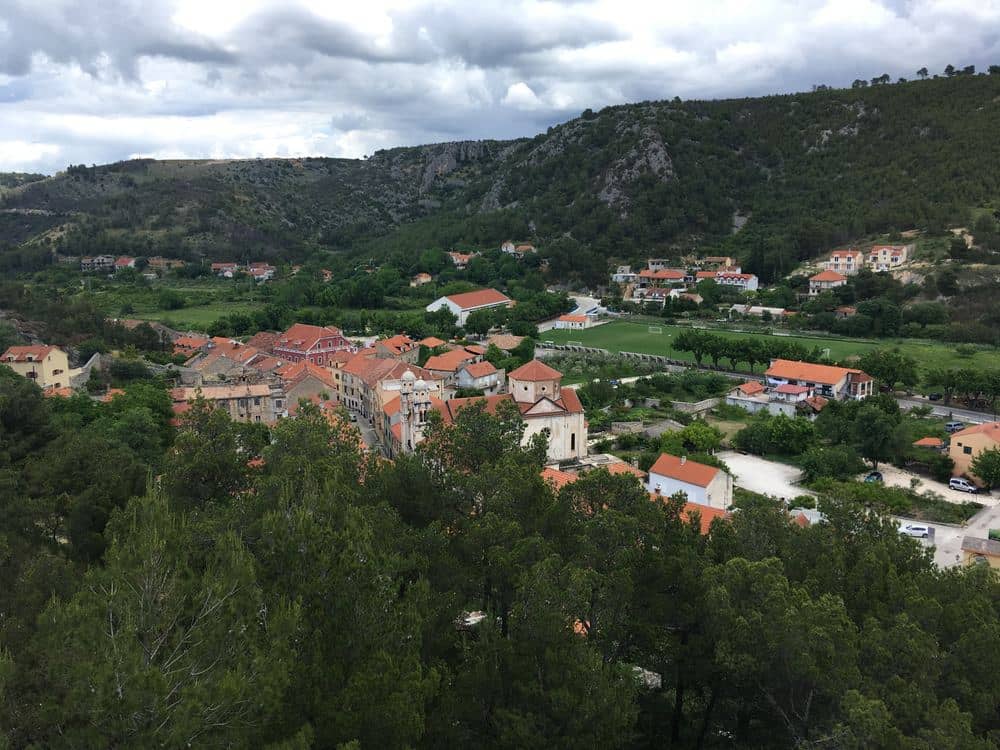
An archaeological site near Šibenik that speaks of the area's distant past.

Photo: JiriMatejicek / CC BY-SA 4.0
Srima-Prižba
Sight Hidden gem

Srima-Prižba

Srima-Prizba is an early Christian site on the peninsula between Vodice and Sibenik, one of the best researched on this part of the coast. A complex of two churches built side by side in the 5th and 6th centuries was uncovered, with a shared narthex, a baptistery and tombs; such twin building was usual in late antiquity, when separate spaces served the rite of baptism and the eucharist. Fragments of mosaic, stone furnishings and inscriptions were also found. The site is roofed by a protective structure and arranged for visits with panels explaining the finds. It stands by the road in the village of Srima, and the visit takes some twenty minutes.

Insider tip

Wear good shoes; such sites are often open-air and unpaved.

Photo: JiriMatejicek / CC BY-SA 4.0

Turina
Hidden gem
Sight

Turina

A historic fortified site near Šibenik, a witness to the area's turbulent past.

Photo: Sergei Gussev / CC BY 2.0

Turina
Sight Hidden gem

Turina

Turina is a medieval fortress on the hill above Skradin, raised in the 13th century when this region was ruled by the Subic counts of Bribir, the most powerful Croatian noble family of the time. The site was chosen for control of the mouth of the Krka and the road inland: whoever held Turina held the approach to Skradin, then an important port and the seat of a bishopric. The fortress later passed into Venetian hands, and in the Ottoman wars it lost its military value and was abandoned. Today the defensive walls, the remains of a tower and a cistern are visible. A steep path from Skradin leads to the top, a climb of some twenty minutes, and the view takes in Lake Prokljan.

Insider tip

The ground is often rough; wear firm shoes and mind the edges.

Photo: Sergei Gussev / CC BY 2.0

16 more places
  • Spomen soba Dražen Petrović
  • Four Wells
  • Church of St Barbara
  • Church and Monastery of St Francis
  • Church of St John
  • Skradin Old Town
  • Visovac Monastery
  • Arsen House
  • Civitas Sacra
  • St Michael's Fortress
  • St Nicholas Fortress
  • Medieval Mediterranean Garden of St Lawrence
  • Šibenik City Museum
  • Aquarium Terrarium Šibenik
  • Republic of Croatia Square
  • Old Town Hall

Activities

21
Skradinski Buk
Legendary
Activity

Skradinski Buk

The famous cascading waterfalls of Krka National Park.

Photo: Bengt Oberger / CC BY-SA 4.0

Skradinski Buk
Activity Legendary

Skradinski Buk

Skradinski Buk is the largest fall on the Krka and the most visited place in the national park: here the river drops nearly fifty metres over seventeen tufa steps, along eight hundred metres, splitting into dozens of streams that pour over overgrown barriers. Tufa forms as limestone settles among mosses and algae and grows only a few millimetres a year, which is why walking off the paths is forbidden. Beside the falls stand restored mills, fulling stamps for cloth and a smithy, which show how the power of the water was used for centuries. Nearby is the Jaruga hydroelectric plant of 1895, one of the oldest in the world. The round on wooden walkways takes an hour and a half.

Photo: Bengt Oberger / CC BY-SA 4.0

Roški Slap
Legendary
Activity

Roški Slap

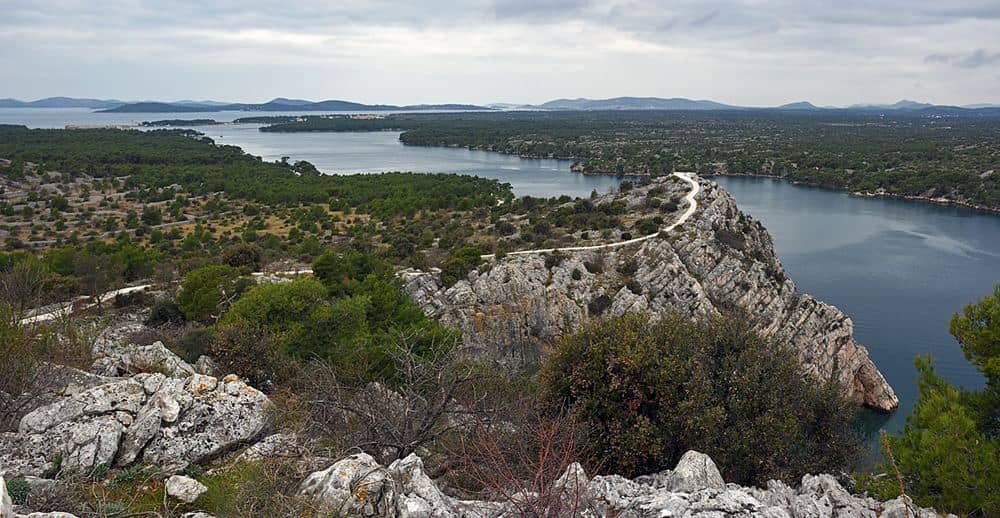
A wide, dramatic waterfall further upstream in Krka National Park.

Photo: Maximovich Nikolay / CC BY 3.0
Roški Slap
Activity Legendary

Roški Slap

Roski Slap lies on the middle course of the Krka, between Visovac lake and the canyon, and drops over twenty-two metres along nearly six hundred. Its upper part is a run of small cascades the local people call necklaces, because they descend in a line like links; below them the river falls in the main cataract into a wide lake. Along the bank stand old mills in which grain was ground for the whole hinterland until the mid-20th century, and some of them still work as a demonstration. Nearby, in a steep cliff, opens the Roski cave, reached by steps. A road from Skradin and Drnis leads to the falls, and the park also offers arrival by boat from Visovac.

Photo: Maximovich Nikolay / CC BY 3.0

St Anthony Channel
Activity

St Anthony Channel

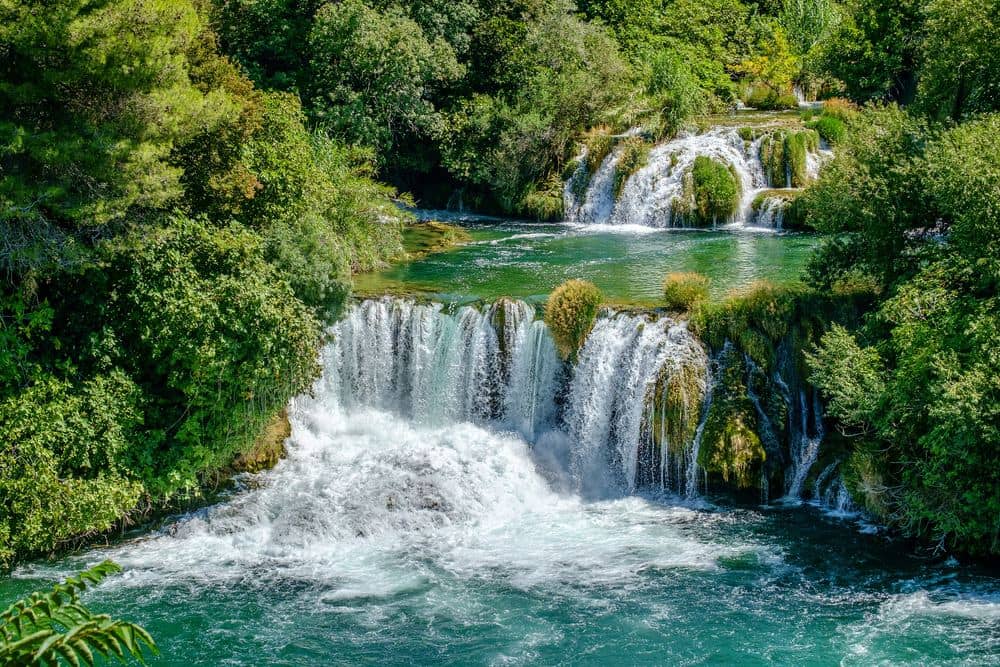
A scenic sea channel and forest promenade to the open Adriatic.

Photo: Vid Pogacnik / CC BY-SA 4.0
St Anthony Channel
Activity

St Anthony Channel

The St Anthony channel is the only sea passage into the harbour of Sibenik: about two and a half kilometres long, between two and three hundred metres wide and almost forty deep, so even the largest ships pass through it. It formed when the canyon of the river Krka was drowned as the sea rose after the ice age, and that is why it has steep rock walls on both sides. Because of this natural narrowness Sibenik was easy to defend for centuries, and at the entrance the fortress of St Nicholas was raised in 1540. Along the northern shore runs a laid-out interpretive trail four and a half kilometres long, with viewpoints, remains of Austro-Hungarian military structures and a view of the ships entering port.

Photo: Vid Pogacnik / CC BY-SA 4.0

Krka National Park
Activity

Krka National Park

Thundering travertine waterfalls just outside the city.

Photo: Skot / CC BY-SA 4.0
Krka National Park
Activity

Krka National Park

Krka National Park was proclaimed in 1985 and takes in about a hundred and ten square kilometres of the course of the river Krka from Knin to Skradin. The Krka runs through a canyon up to two hundred metres deep and in seven places falls over tufa barriers, living deposits formed as limestone settles with the help of mosses and algae and which grow a few millimetres a year. The largest fall is Skradinski Buk with seventeen cascades and a total drop of nearly fifty metres. The park also holds the island of Visovac with its Franciscan monastery, the Krka monastery and the remains of the first hydroelectric plant on the Krka from 1895. Entrances are at Skradin, Lozovac and Roski Slap; half a day is needed for a visit.

Photo: Skot / CC BY-SA 4.0

Banj Viewpoint
Activity

Banj Viewpoint

A viewpoint above Banj, looking back over the channel to the old town.

Photo: Luboš Holič / CC BY-SA 3.0
Banj Viewpoint
Activity

Banj Viewpoint

The viewpoint above Banj beach is a small terrace on the northern shore of the bay from which the whole old core of Sibenik is taken in at one glance: the cathedral in the middle, St Michael's fortress above the roofs, Barone fortress on the hill to the right and the rows of stone houses dropping toward the harbour. That is why almost every well-known photograph of the town was made from here. The town faces south-west, so the light falls best in the late afternoon and in the first minutes after sunset, when the lights on the fortresses come on. A shore promenade leads to the viewpoint, some twenty minutes' walk from the centre; benches and shade are along the edge.

Photo: Luboš Holič / CC BY-SA 3.0

Prvić Island
Activity

Prvić Island

A quiet, car-free island facing Šibenik across the water.

Photo: Argo Navis / CC BY-SA 4.0

Prvić Island
Activity

Prvić Island

Prvic is a small island north-west of Sibenik with two settlements, Prvic Luka and Sepurine, joined by a footpath a kilometre and a half long; here too there are no cars. In Prvic Luka is buried Faust Vrancic, an inventor and writer born in Sibenik in 1551, who in his book Machinae Novae of 1615 published designs for bridges, mills and a flying device with a parachute called Homo volans, the first known depiction of such an apparatus. A memorial centre in the village holds working models of his inventions that visitors can operate. Sepurine is a fishing village with a long waterfront and a pebble beach. Boat lines from Sibenik and Vodice run several times a day.

Photo: Argo Navis / CC BY-SA 4.0

15 more places
  • Dalmatian Ethno Village
  • Zlarin Island
  • Tribunj Old Harbour
  • St Nicholas Channel View
  • Smričnjak Viewpoint
  • Barone Fortress
  • Poljana Square
  • Banj Beach
  • Jadrija Beach
  • Solaris Beach
  • Aquapark Dalmatia
  • Vodice Waterfront
  • D-Marin Mandalina
  • St Anthony Channel Trail
  • Čavnovka Peak (Promina)

Shopping

4
4 more places
  • Šibenik Fish Market
  • Dalmare Shopping Center
  • Konzum Šibenik Center
  • Old Town Souvenir Shops

Šibenik: quick answers

Is Šibenik a good base for Krka?
The best one: Skradin and the Lozovac entrance are about half an hour away, buses and boats run in season, and you sleep by the sea instead of inland. Kornati boat trips leave from the same waterfront.
What is special about the cathedral?
It is built entirely of interlocking stone slabs, including the barrel roof, with no wood or brick anywhere, a unique feat for its time. Walk around the apses outside for the frieze of 71 stone heads, portraits of ordinary citizens from the 1400s.
Which fortress is worth the climb?
St Michael's, ten minutes up through the old town lanes, for the view over the channel and the summer stage. Barone adds an interactive exhibition and a quieter terrace; a combined ticket covers both.

CroVenture App

Explore Šibenik with CroVenture

Places unlock as you reach them, with a passport that fills up as you explore.