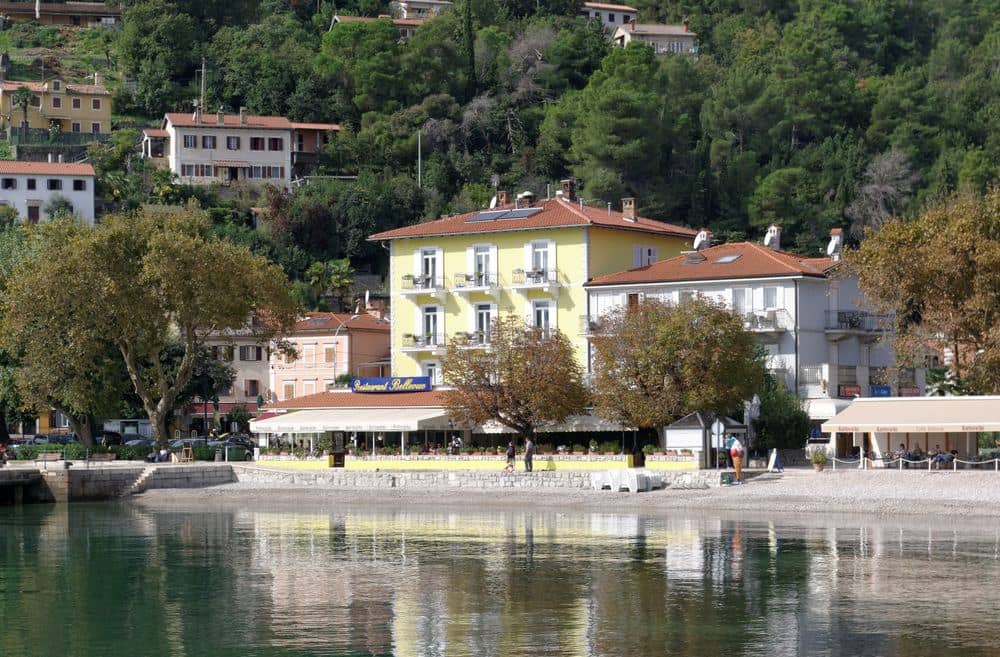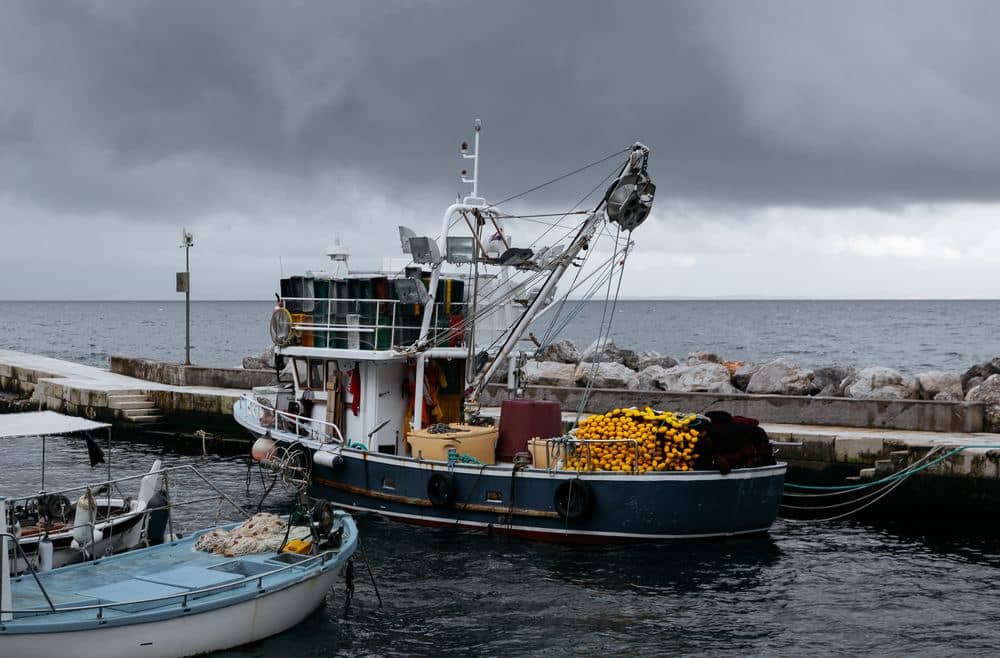
Skip to content
All cities

Opatija. Things to do, map and hidden gems

42 curated places· 4 hidden gems· 1 upcoming events
Opatija
Photo: Geologicharka / CC BY-SA 3.0

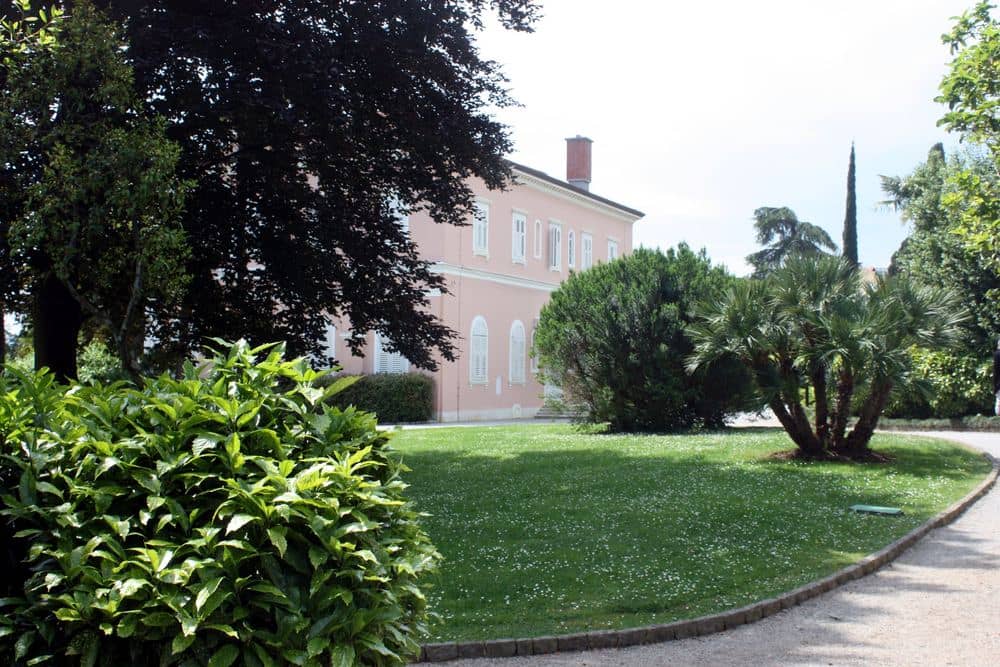
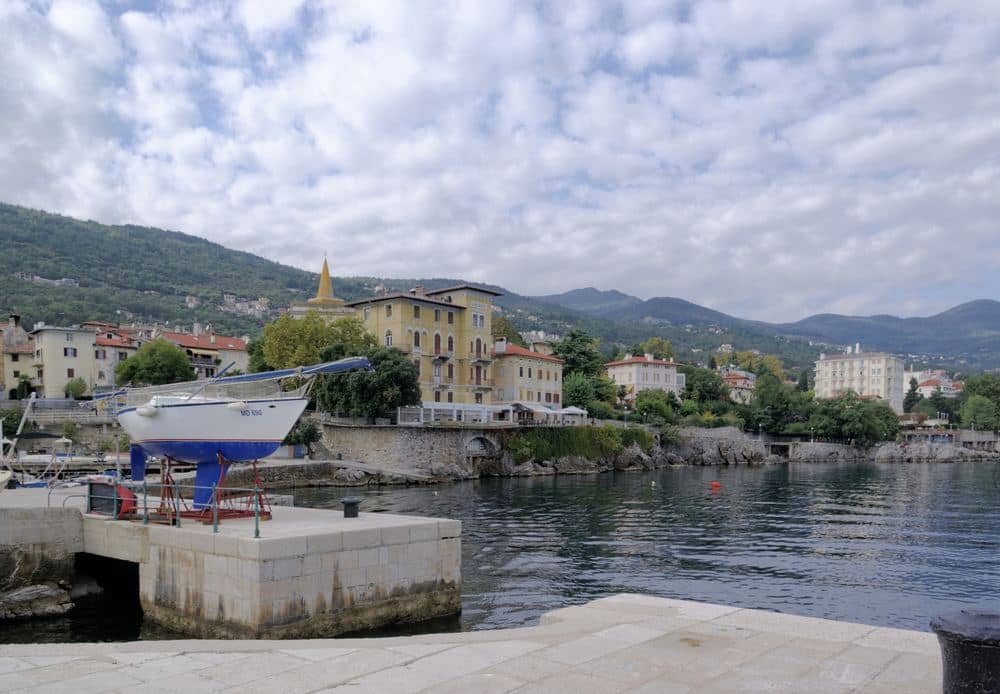
Opatija is the town the Habsburg empire invented for winter. Until 1844 it was a fishing village beside the Benedictine abbey of St James, which gave it its name; then the Rijeka merchant Iginio Scarpa built Villa Angiolina, named it after his late wife and planted a park around it with plants from the whole empire. The doctors followed, prescribing the mild climate under Učka against lung disease, then the Southern Railway, which opened the Hotel Kvarner in 1884, and finally Emperor Franz Joseph, Mahler, Chekhov and half the Viennese court. By the First World War Opatija was the first health resort of the monarchy, and that is the town you still walk through today: turreted villas in parks, a twelve-kilometre promenade, cafés where coffee is drunk slowly.

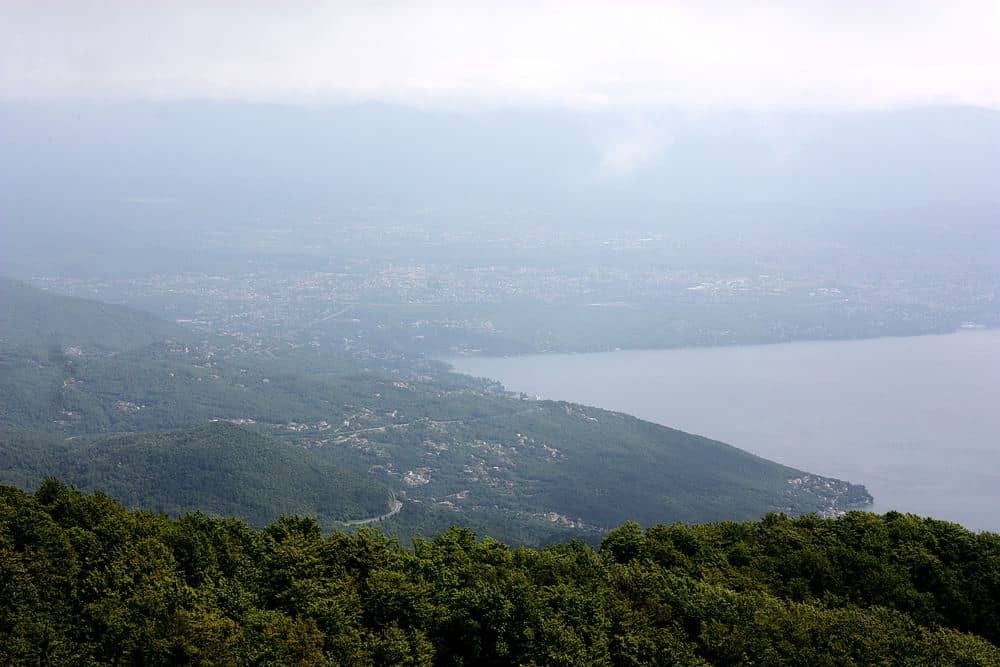
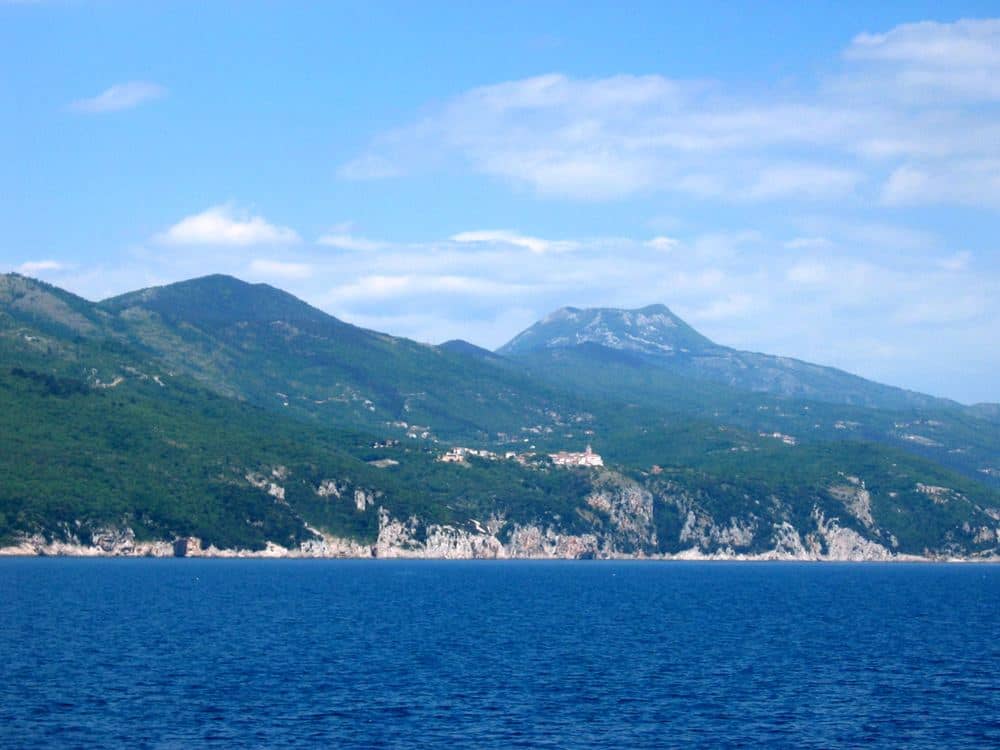
Geography explains everything. The town lies on a narrow strip between the Kvarner bay and Učka, which rises to 1401 metres within three kilometres and stops the northern winds. That is why laurel and camellias grow in the open here, why the season starts in April and runs to November, and why Opatija in December is one of the few places on the Adriatic where Advent can be walked without gloves.

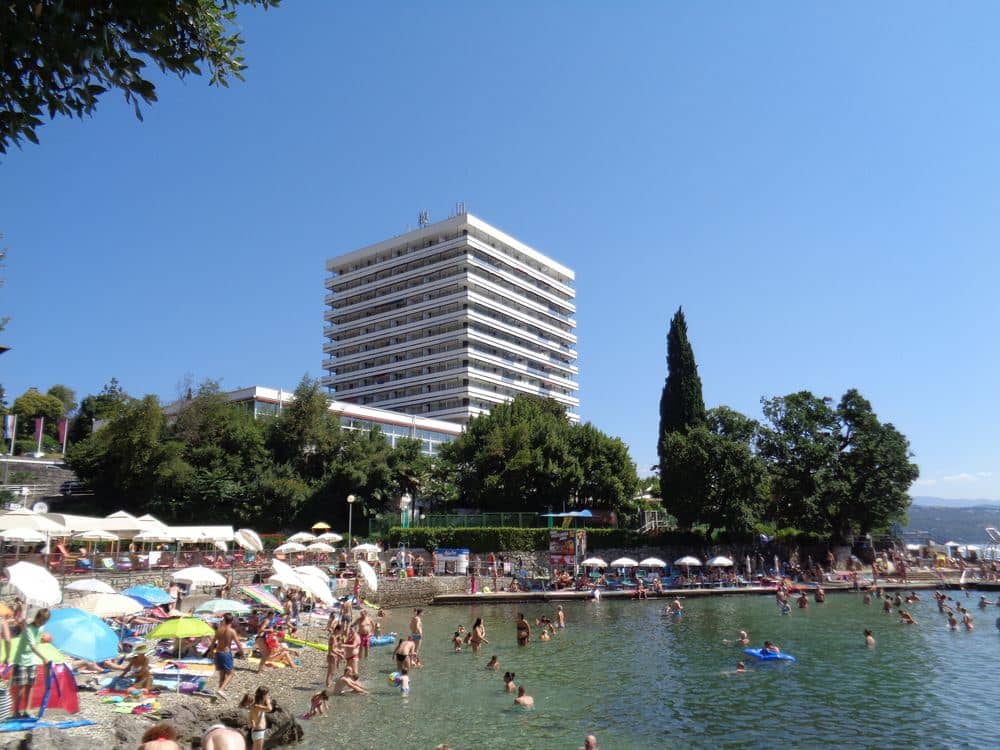
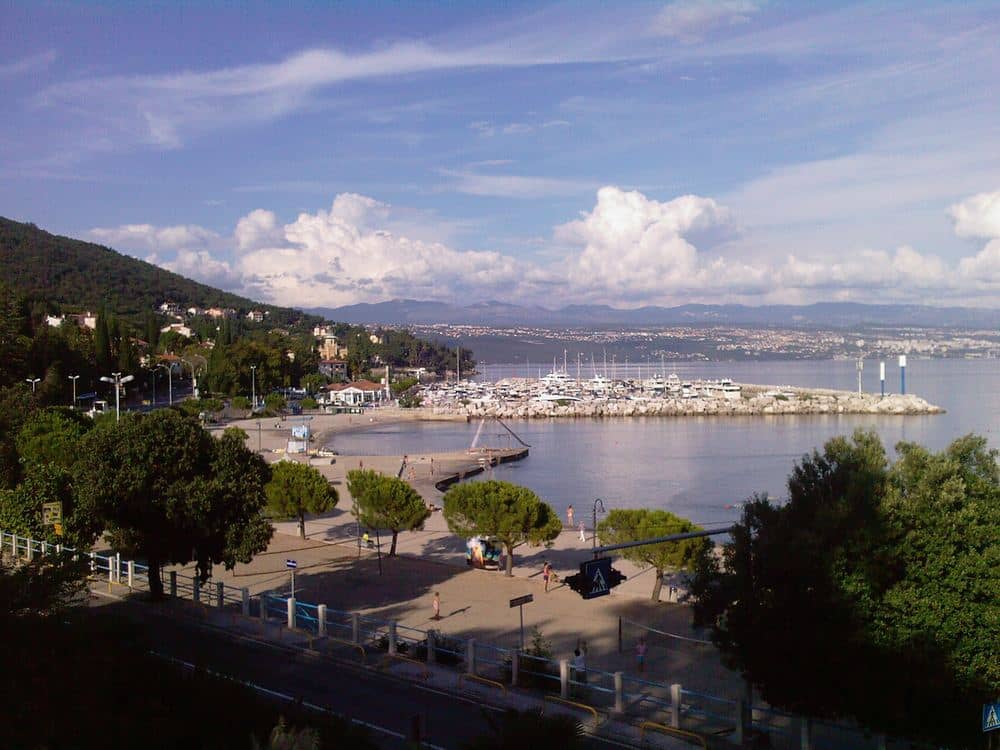
Opatija has no sandy beaches and does not pretend to. You swim from concrete terraces and in small coves along the Lungomare, the main town beach is Slatina, and anyone after pebbles goes to Medveja or Mošćenička Draga, ten kilometres south. Instead of beaches the town offers what nowhere else on the coast has to this degree: parks, architecture, fishing villages at both ends of the promenade, Volosko to the north and Lovran to the south, and a mountain you can climb from the promenade on foot in three hours.

Practical: Rijeka is fifteen kilometres east, city bus 32 runs the whole riviera from Volosko to Mošćenička Draga, Rijeka airport on Krk has seasonal flights, Zagreb and Trieste are two hours' drive each. Parking in the centre is expensive and full in summer; anyone coming by car parks in the Slatina garage or at the hotel and walks, because the whole town is long and narrow and everything is on the promenade.

Opatija Chocolate Festival 2026: 6 to 8 November, the sweetest weekend

The next 7 days

Weather data by Open-Meteo.com

Opening hours and prices

The places we keep opening hours and price levels for. Times change with the season, so treat the official page as the last word.

PlaceOpening hoursPriceOfficial page
Sisol PeakAlways open; check access, weather, park rules and daylight before hiking.--

Climate month by month

Ten-year averages for Opatija, so you can see what a month usually looks like rather than what this week happens to do.

MonthDay °CNight °CRain daysSea °C
January931313
February1041412
March1351212
April1691114
May20131418
June26181022
July2920925
August2920726
September23161123
October19121320
November1481317
December1041215

Air 2015 to 2024, sea 2022 to 2024. A rain day is 1 mm or more. Data by Open-Meteo.com

Opatija on video

Opatija: Queen of the Adriatic

YouTubeOpatija2:06

Beaches in Opatija

Mošćenička Draga Beach
Activity

Mošćenička Draga Beach

A beach resort further south along the coast, beyond Medveja.

Photo: Jernej Furman from Slovenia / CC BY 2.0
Mošćenička Draga Beach
Activity

Mošćenička Draga Beach

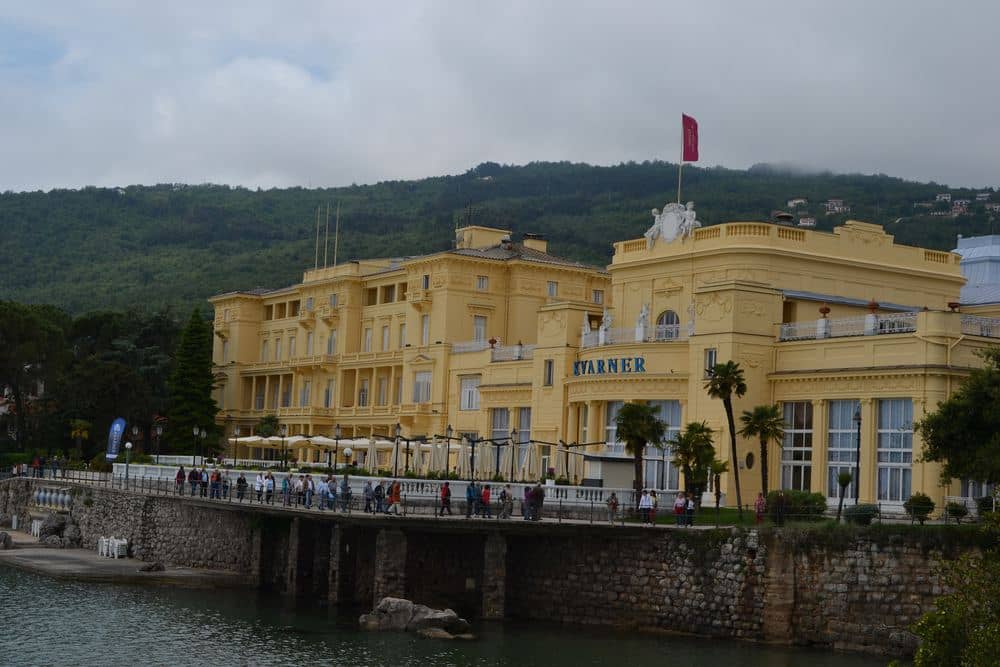
Moscenicka Draga lies at the head of a deep bay fifteen kilometres south of Opatija and has what this coast mostly lacks: a long shingle beach with a gradual entry rather than concrete platforms. The Sipar beach runs the whole length of the bay, with fine white shingle and clear sea, and around it pinewoods that give shade. The place arose as the harbour of the village of Moscenice, which stands on the hill a hundred metres higher and is several centuries old; a long stone stairway leads up to it in half an hour, and above are narrow streets, a defensive wall and an old tos, a hand-driven oil press. Draga has a few hotels, restaurants and a campsite. From Opatija you come by bus in half an hour or by the coast road by car.

Photo: Jernej Furman from Slovenia / CC BY 2.0

Lido Beach
Activity

Lido Beach

A lively bathing spot close to the heart of Opatija.

Photo: Fr0nt / CC BY-SA 3.0

Lido Beach
Activity

Lido Beach

The Lido is a bathing place by the town harbour, a few steps from the centre of Opatija, and one of those spots that do the job without pretension: a concrete platform, ladders into the sea, a shower and a bar in season. As along this whole coast, there is no sand; you enter by steps or jump, and the sea is at once deep enough for swimming. The platform faces south, so the sun is here all day, and there is almost no shade beyond what the parasols give. The advantage is proximity: a guest from the centre walks here in five minutes and returns to town right after a swim. The drawback is the crowd at the height of the season, when the platform fills before noon. In the morning before nine it is quiet here, the sea smooth and the water at its clearest of the day.

Photo: Fr0nt / CC BY-SA 3.0

Tomaševac Beach
Activity

Tomaševac Beach

A small bathing spot along Opatija's built-up northern shore.

Photo: Silverije / CC BY-SA 4.0

Tomaševac Beach
Activity

Tomaševac Beach

Tomasevac is a smaller bathing place on the northern part of the Opatija shore, between the centre and Volosko, right by the Lungomare. As elsewhere here, it means concrete platforms and a rocky shore with ladders, alongside a few belts of coarser shingle. The bathing place is narrower and quieter than Slatina, because it lies outside the main stream of walkers and hotel guests; on summer afternoons there is room here even when the centre is full. The sea is deep right by the shore and clean, and the view goes toward Rijeka and the island of Krk. By the platform are showers, and a bar works seasonally. Tomasevac is a fifteen-minute walk from the centre along the Lungomare northward; parking nearby is difficult, so on foot is the better choice, and on the way you pass the old villas.

Photo: Silverije / CC BY-SA 4.0

Volosko Beach
Activity

Volosko Beach

A small swimming spot at the edge of the fishing village of Volosko.

Photo: Roberta F. / CC BY-SA 3.0

Volosko Beach
Activity

Volosko Beach

The bathing place at Volosko lies by the old fishing core at the northern end of the Opatija shore, where the Lungomare ends. Volosko is older than Opatija: it arose as a fishing settlement with narrow streets, steps and houses climbing the slope, and today it is known for restaurants where fish is eaten. The bathing place is small, with concrete platforms and rocky shore, without real sand; the sea is deep and clean, and from the shore the harbour with its boats is visible. There are no crowds of hotel guests here, but mostly locals and those who come for lunch and stay for a swim. Facilities are modest: a shower, the odd bench and the bars in the settlement. Volosko is a half-hour walk along the Lungomare from the centre of Opatija, and a bus runs there too.

Photo: Roberta F. / CC BY-SA 3.0

Črnikovica Beach
Activity

Črnikovica Beach

A small, low-key cove just beyond Volosko.

Photo: Bernd Thaller from Graz, Austria / CC BY 2.0

Črnikovica Beach
Activity

Črnikovica Beach

Crnikovica is a small cove just beyond Volosko, at the northern end of the Opatija shore, and one of those bathing places not visible from the road but only from the coastal path. The shore is rocky, with concrete platforms and a belt of coarse shingle, and the sea deep and cooler than in the centre, because the cove faces north-east and is open toward the Rijeka bay. That means two things: in summer it is more pleasant here than on the southern platforms, but when the bora blows the waves come straight into the cove and bathing is off. There are almost no facilities, bring water and a towel. The cove is popular with the people of Volosko and those seeking quiet; you come on foot from the Lungomare, and parking nearby is very limited.

Photo: Bernd Thaller from Graz, Austria / CC BY 2.0

Ičići Beach
Activity

Ičići Beach

A relaxed beach in the quieter settlement of Ičići, south of Opatija.

Photo: Nibelung26 / CC BY-SA 3.0

Ičići Beach
Activity

Ičići Beach

The beach at Icici lies three kilometres south of Opatija and is one of the few on this coast with real shingle instead of concrete. The cove is wide and gently curved, the entry into the sea gradual, and the bottom fine shingle without sharp stones, so it is the best choice in the area for families with children. The beach has showers, cabins, loungers, a playground and water sports facilities, and along it bars and restaurants; for its upkeep it regularly receives the blue flag. Behind the beach is a marina, and the place is smaller and quieter than Opatija, with a few hotels and apartments. From Opatija, Icici is reached by the Lungomare in about forty minutes' walk or by bus in ten; the car park by the beach fills before noon in summer.

Photo: Nibelung26 / CC BY-SA 3.0

Plan your visit

Opatija in a nutshell

42 places, 1 routes.

What is actually worth your time in Opatija?

Start with Hotel Kvarner, Vojak Tower, and Maiden with the Seagull. After that it depends on what you enjoy: the guide holds 42 places in Opatija, sorted into sights, activities, food and shopping, so you can skip whole categories that bore you.

Hotel KvarnerHotel Kvarner

How do you get away from the crowds in Opatija?

Follow the hidden gems: 4 places that rarely make the guidebooks, most of them a few streets off the main drag. Hotel Kvarner, Vojak Tower, and Maiden with the Seagull are good ones to start with.

Vojak TowerVojak Tower

No time to plan? Just follow a route.

Pick one of Villas and the Lungomare. Each walk runs stop by stop in a fixed order, so the only decision left is where to have lunch.

Maiden with the SeagullMaiden with the Seagull
Our tips

What we would do around Opatija

Day trips within reach of Opatija, plus the routes and quiet corners our editors keep coming back to.

Opatija itineraries

  • 7 stops

    Villas and the Lungomare

    A Habsburg stroll along the sea

    1. Villa Angiolina and Park
    2. Angiolina Park
    3. Swiss House
    4. Juraj Šporer Art Pavilion
    5. Hotel Kvarner
    6. Maiden with the Seagull
    7. Lungomare (Franz Joseph Promenade)

Hidden gems in Opatija

Hotel Kvarner
Legendary
Sight

Hotel Kvarner

A grand seafront hotel that captures Opatija's elegant resort heritage.

Photo: Geologicharka / CC BY-SA 3.0

Hotel Kvarner
Sight Legendary

Hotel Kvarner

The Hotel Kvarner opened in 1884 and was the first hotel on the eastern shore of the Adriatic. It was built by the Southern Railway Company, which ran the line from Vienna to Rijeka and realised that travellers could be offered a destination as well as transport; with that, Opatija went in a single decade from fishing settlement to winter resort of central European society. The building is Neoclassical, with a long facade toward the sea and terraces, and in it is the Crystal Hall with chandeliers and parquet, still used for balls and concerts. From the beginning the hotel had baths of heated sea water, part of the therapy of the day. The hotel is still in operation, and the garden and the seaward terrace are open to cafe guests, so the place can be seen without staying the night.

Photo: Geologicharka / CC BY-SA 3.0

Vojak Tower
Legendary
Activity

Vojak Tower

A stone lookout tower crowning a wooded ridge inland from Opatija.

Photo: Dguendel / CC BY 3.0

Vojak Tower
Activity Legendary

Vojak Tower

The stone lookout tower on Vojak, the highest peak of Ucka at one thousand four hundred and one metres, was raised at the beginning of the 20th century, in the days when such towers were built on Alpine and pre-Alpine summits for mountaineers and day-trippers. It is built of local stone, circular in plan and low, because the summit is above everything around it anyway; an internal staircase brings you out onto a terrace from which the view reaches the Kvarner gulf with its islands, the whole of Istria, and in exceptionally clear weather as far as the Alps and across the sea to Italy. In summer a small refreshment space works in the tower. The summit is reached by the path from the Poklon pass, about an hour and a half's walk, or by longer mountain routes from Lovran and Opatija. The bora blows here even in summer, so a windproof jacket is essential.

Photo: Dguendel / CC BY 3.0

Maiden with the Seagull
Legendary
Sight

Maiden with the Seagull

Opatija's bronze icon poised on a rock above the sea.

Photo: Berthold Werner / CC BY-SA 3.0

Maiden with the Seagull
Sight Legendary

Maiden with the Seagull

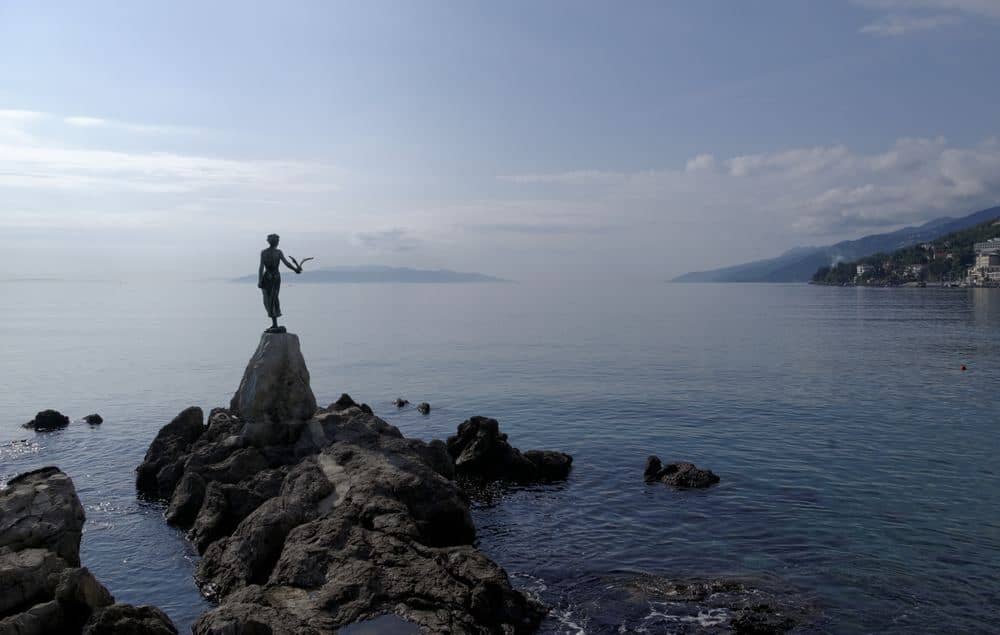
The Maiden with the Seagull stands on a rock beside the Lungomare and is today the most recognisable motif of Opatija, though it is not the first statue that stood on that spot. It was preceded by the Madonna del Mare, set up in 1891 in memory of Count Arthur Kesselstadt, who drowned that year in a storm off the shore; when the statue suffered from the waves it was moved to the grounds of St Jacob's church, and in 1956 the bronze maiden by the sculptor Zvonko Car was placed on the rock. The figure faces the open sea, with an outstretched arm on which a seagull perches, and it changes appearance with the light and the sea; in rough weather the waves wash it to the knees. It is photographed from the whole Lungomare, and the best moment is early morning, before the groups gather.

Photo: Berthold Werner / CC BY-SA 3.0

Explore Opatija by category

Sights

16
Hotel Kvarner
Legendary
Sight

Hotel Kvarner

A grand seafront hotel that captures Opatija's elegant resort heritage.

Photo: Geologicharka / CC BY-SA 3.0

Hotel Kvarner
Sight Legendary

Hotel Kvarner

The Hotel Kvarner opened in 1884 and was the first hotel on the eastern shore of the Adriatic. It was built by the Southern Railway Company, which ran the line from Vienna to Rijeka and realised that travellers could be offered a destination as well as transport; with that, Opatija went in a single decade from fishing settlement to winter resort of central European society. The building is Neoclassical, with a long facade toward the sea and terraces, and in it is the Crystal Hall with chandeliers and parquet, still used for balls and concerts. From the beginning the hotel had baths of heated sea water, part of the therapy of the day. The hotel is still in operation, and the garden and the seaward terrace are open to cafe guests, so the place can be seen without staying the night.

Photo: Geologicharka / CC BY-SA 3.0

Maiden with the Seagull
Legendary
Sight

Maiden with the Seagull

Opatija's bronze icon poised on a rock above the sea.

Photo: Berthold Werner / CC BY-SA 3.0

Maiden with the Seagull
Sight Legendary

Maiden with the Seagull

The Maiden with the Seagull stands on a rock beside the Lungomare and is today the most recognisable motif of Opatija, though it is not the first statue that stood on that spot. It was preceded by the Madonna del Mare, set up in 1891 in memory of Count Arthur Kesselstadt, who drowned that year in a storm off the shore; when the statue suffered from the waves it was moved to the grounds of St Jacob's church, and in 1956 the bronze maiden by the sculptor Zvonko Car was placed on the rock. The figure faces the open sea, with an outstretched arm on which a seagull perches, and it changes appearance with the light and the sea; in rough weather the waves wash it to the knees. It is photographed from the whole Lungomare, and the best moment is early morning, before the groups gather.

Photo: Berthold Werner / CC BY-SA 3.0

Gradska kula
Hidden gem
Sight

Gradska kula

A historic fortified site near Opatija, a witness to the area's turbulent past.

Photo: Szeder László / CC BY-SA 4.0

Gradska kula
Sight Hidden gem

Gradska kula

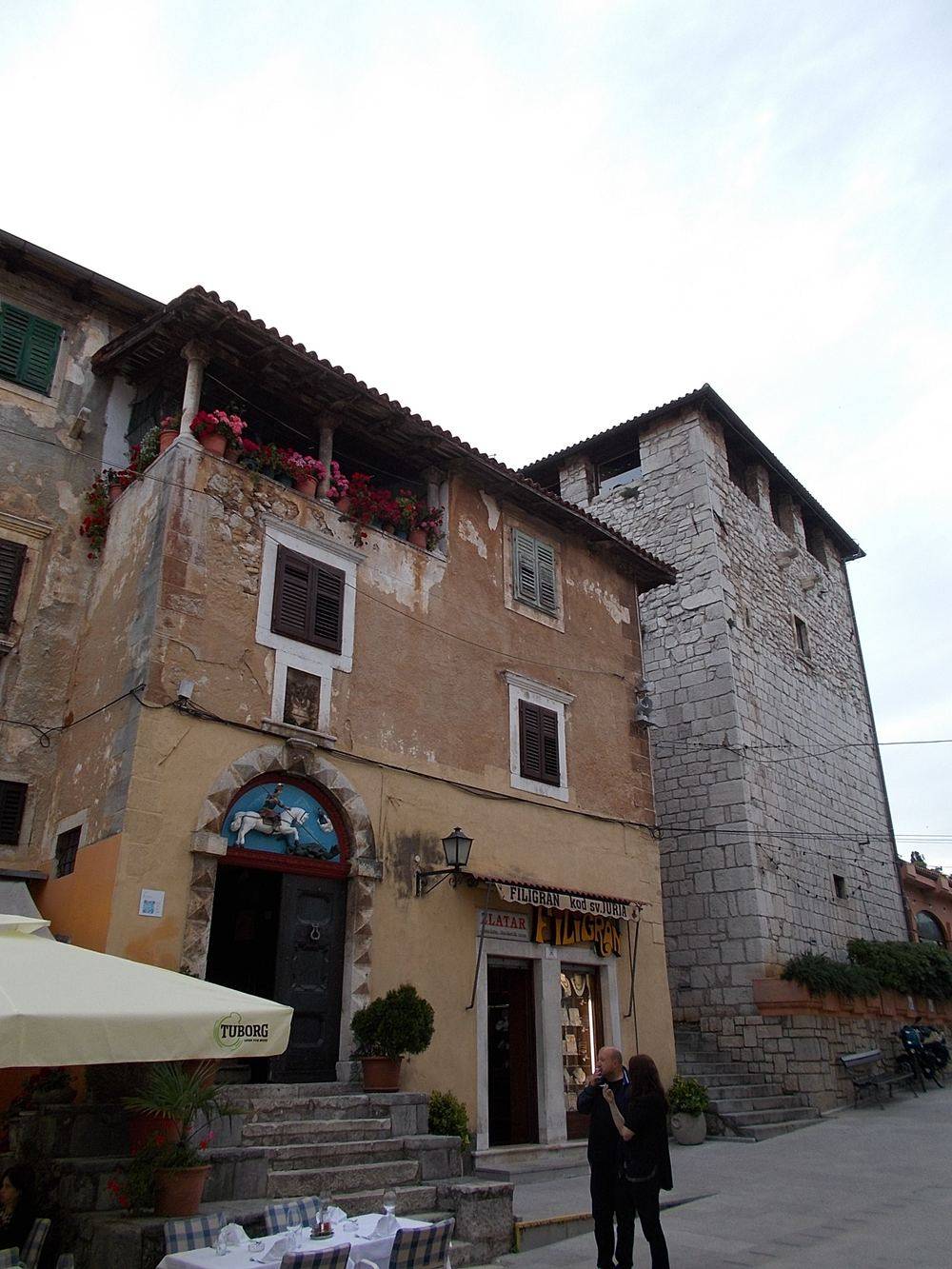
The Town Tower in Lovran is a rectangular stone structure of the 14th century and the oldest preserved building in the settlement. It was raised as part of the defensive ring that protected the core on the rise by the sea, and beneath it is the passage through which one entered the town; the gate was shut at night, and the watch surveyed from the top the coast toward the Kvarner gulf, from where pirates and, later, the uskoks came. When the danger ceased, the tower took a quieter role: a clock was placed in it, and the passage remained the main entrance to the old core, as it still is. The walls are almost two metres thick, and the stone was quarried nearby. The tower is seen from outside at any time; through the passage you enter the narrow streets of Lovran and reach the church of St George.

Insider tip

The ground is often rough; wear firm shoes and mind the edges.

Photo: Szeder László / CC BY-SA 4.0

Croatian Museum of Tourism
Sight

Croatian Museum of Tourism

A museum inside a grand villa telling the story of Croatian tourism.

Photo: Dguendel / CC BY 3.0

Croatian Museum of Tourism
Sight

Croatian Museum of Tourism

The Croatian Museum of Tourism is the only museum in the country devoted to how tourism on the eastern Adriatic arose and grew. It was founded in 2007 and is housed in Villa Angiolina and the neighbouring Swiss House, two buildings that are themselves part of that story. The display covers the period from the middle of the 19th century to today: the first guests from Vienna and Budapest, the prescribed therapies of sea and air, the timetables of the steamers and trains people arrived by, hotel guest books, posters, postcards, bathing costumes and luggage. It also shows how what was being sold changed: from health resort through summer holiday to mass tourism. The museum is small, the visit takes an hour, and the ticket is cheap and includes both buildings and a walk in the park.

Photo: Dguendel / CC BY 3.0

American Gardens
Sight

American Gardens

A quiet garden of imported trees named for its American plantings.

Photo: Cborna / CC BY-SA 4.0

American Gardens
Sight

American Gardens

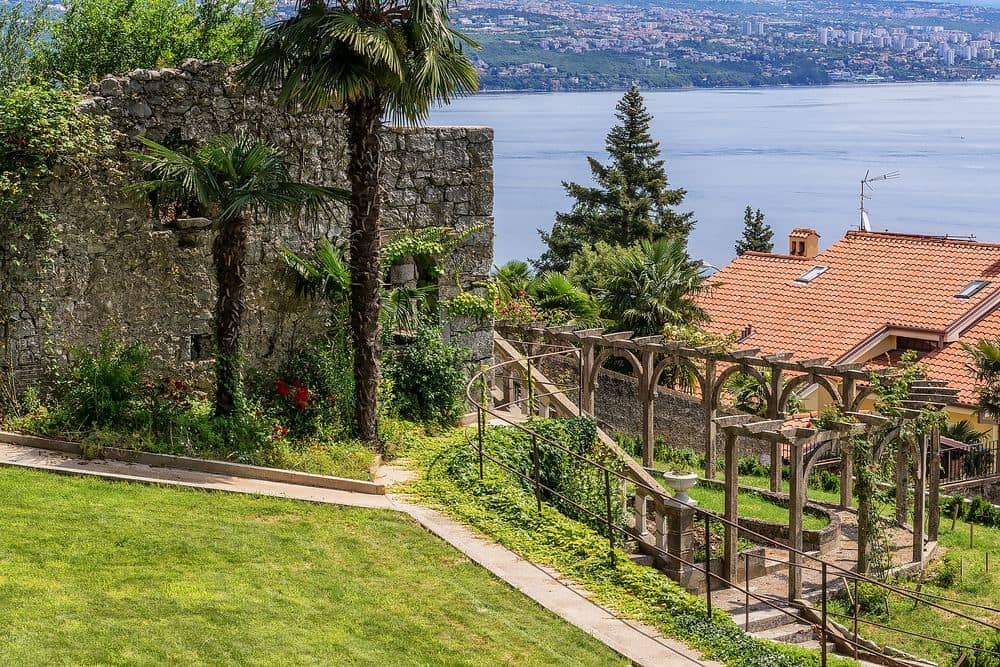
The American Gardens are a smaller park ensemble in the southern part of Opatija, laid out in the period when the whole settlement was being built as a health resort and every new villa was surrounded by planting. The name remained from the plants brought here from the American continent and planted alongside native Mediterranean growth: beside cypresses, laurel and cherry laurel grow magnolias, agaves and trees not native to this climate but able to bear a mild winter without harm. That mixture is precisely the mark of the Opatija parks, because in the 19th century evergreens were believed to purify the air and help those with respiratory illness. The garden is small and quiet, with benches and paths in the shade, and it is reached from the Lungomare in a few minutes. It is open by day and free.

Photo: Cborna / CC BY-SA 4.0

Lovran Old Town
Sight

Lovran Old Town

The compact old town of Lovran, a short trip south of Opatija.

Photo: Berthold Werner / CC BY-SA 3.0

Lovran Old Town
Sight

Lovran Old Town

Lovran is the oldest settlement on this coast, mentioned as early as the early Middle Ages, and it takes its name from the laurel that grows here in abundance. The old core is small and compact on a low rise by the sea, with narrow streets, stone houses and the Town Tower of the 14th century that was once part of the defensive ring. In the centre stands the parish church of St George with 15th-century Gothic frescoes, among the most valuable in the Kvarner. Unlike Opatija, which arose as a health resort in the 19th century, Lovran is a genuine old town that tourism merely found. In October the Marunada is held here, a feast devoted to the marun, the large local chestnut that grows on the slopes of Ucka. The Lungomare leads to Lovran, an hour and a half's walk from Opatija.

Photo: Berthold Werner / CC BY-SA 3.0

10 more places
  • Juraj Šporer Art Pavilion
  • Swiss House
  • Veprinac Old Town
  • Villa Amalia
  • Park Margarita
  • Villa Angiolina and Park
  • Angiolina Park
  • St James Park
  • St Jacob's Church
  • Croatian Walk of Fame

Activities

23
Vojak Tower
Legendary
Activity

Vojak Tower

A stone lookout tower crowning a wooded ridge inland from Opatija.

Photo: Dguendel / CC BY 3.0

Vojak Tower
Activity Legendary

Vojak Tower

The stone lookout tower on Vojak, the highest peak of Ucka at one thousand four hundred and one metres, was raised at the beginning of the 20th century, in the days when such towers were built on Alpine and pre-Alpine summits for mountaineers and day-trippers. It is built of local stone, circular in plan and low, because the summit is above everything around it anyway; an internal staircase brings you out onto a terrace from which the view reaches the Kvarner gulf with its islands, the whole of Istria, and in exceptionally clear weather as far as the Alps and across the sea to Italy. In summer a small refreshment space works in the tower. The summit is reached by the path from the Poklon pass, about an hour and a half's walk, or by longer mountain routes from Lovran and Opatija. The bora blows here even in summer, so a windproof jacket is essential.

Photo: Dguendel / CC BY 3.0

Lungomare (Franz Joseph Promenade)
Activity

Lungomare (Franz Joseph Promenade)

A 12 km seaside promenade hugging the Kvarner coast.

Photo: Roberta F. / CC BY-SA 3.0

Lungomare (Franz Joseph Promenade)
Activity

Lungomare (Franz Joseph Promenade)

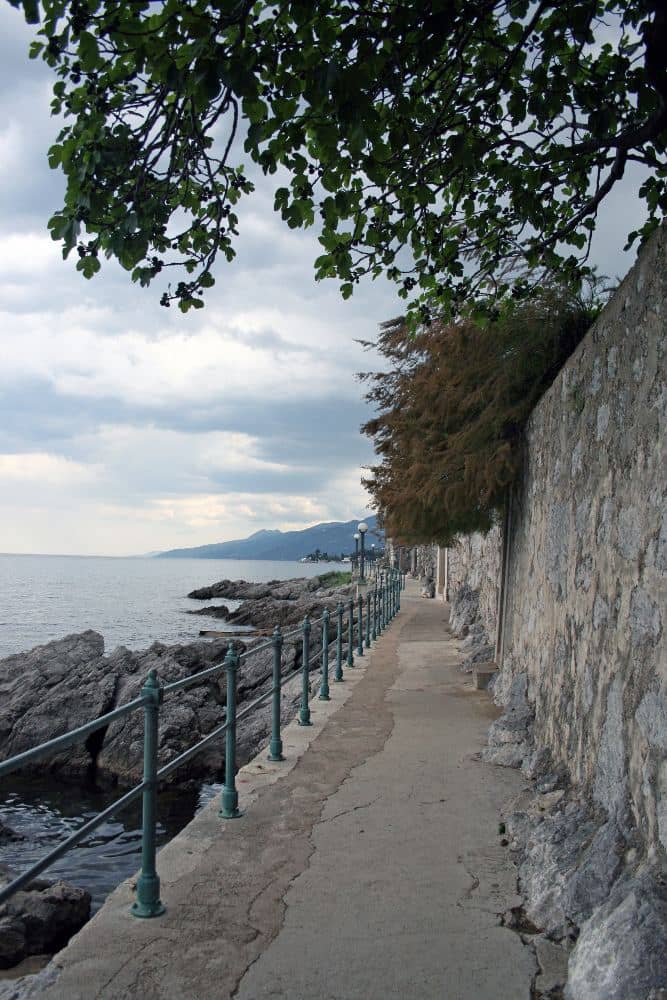
The Lungomare, officially the Franz Joseph I Promenade, runs twelve kilometres along the coast from Volosko in the north to Lovran in the south and is the longest developed coastal walk in Croatia. It was built in stages between 1885 and 1911, in the days when Opatija was the winter resort of Viennese and Budapest society, and doctors prescribed a walk by the sea as part of therapy; the path is therefore gently graded, wide and runs the whole way right by the water. Along it stand villas, bathing places, pines and rocks to jump from, and from several points Cres and Krk are visible. The whole route is walked in three to four hours one way; for a shorter stretch take Opatija to Volosko, half an hour, or to Icici, about an hour.

Photo: Roberta F. / CC BY-SA 3.0

Mount Učka (Vojak Peak)
Activity

Mount Učka (Vojak Peak)

The 1401 m mountain rising over Opatija, crowned by a stone lookout tower.

Photo: Sl-Ziga / Public domain

Mount Učka (Vojak Peak)
Activity

Mount Učka (Vojak Peak)

Ucka is the mountain ridge rising immediately behind Opatija and separating the Kvarner from Istria; its highest peak is Vojak, one thousand four hundred and one metres, and on it stands a stone lookout tower raised at the beginning of the 20th century. The view from the top takes in the Kvarner gulf with the islands of Cres, Krk and Rab, the whole of Istria, and on very clear days the peaks of the Alps to the north-west and the Italian coast across the sea. Since 1999 the area has been protected as the Ucka Nature Park. Vojak is reached by road over the Poklon pass and a last half hour on foot, or by mountain paths from Opatija and Lovran, a climb of three to four hours. The summit is exposed to the bora, which blows cold even in summer, so bring a windproof jacket regardless of the temperature below.

Photo: Sl-Ziga / Public domain

Mošćenička Draga Beach
Activity

Mošćenička Draga Beach

A beach resort further south along the coast, beyond Medveja.

Photo: Jernej Furman from Slovenia / CC BY 2.0
Mošćenička Draga Beach
Activity

Mošćenička Draga Beach

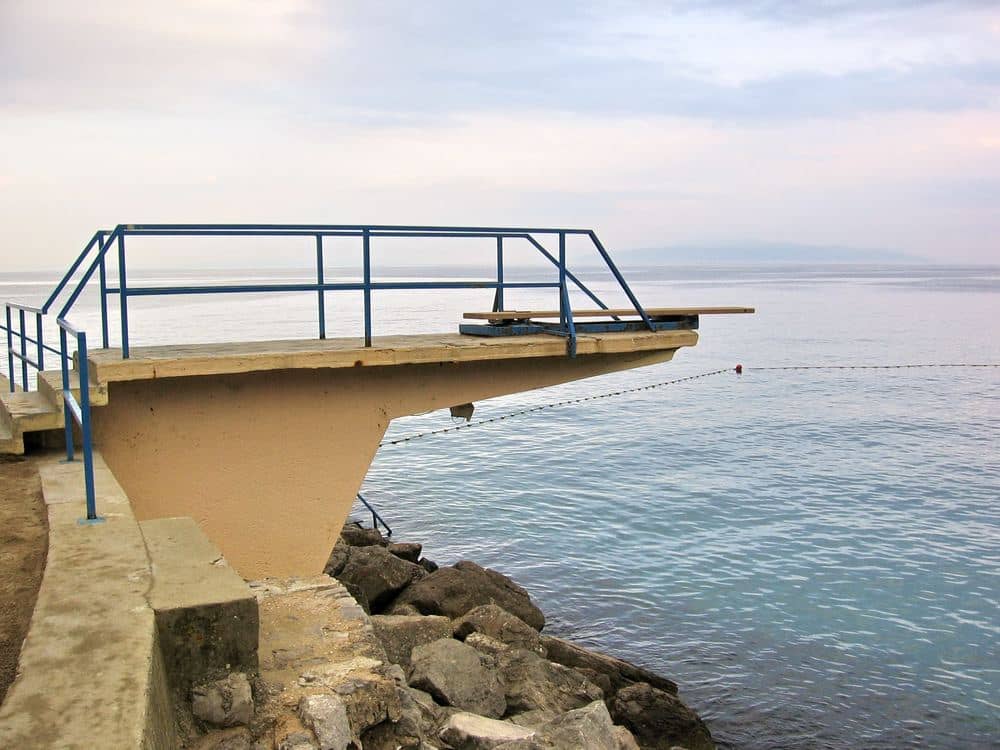
Moscenicka Draga lies at the head of a deep bay fifteen kilometres south of Opatija and has what this coast mostly lacks: a long shingle beach with a gradual entry rather than concrete platforms. The Sipar beach runs the whole length of the bay, with fine white shingle and clear sea, and around it pinewoods that give shade. The place arose as the harbour of the village of Moscenice, which stands on the hill a hundred metres higher and is several centuries old; a long stone stairway leads up to it in half an hour, and above are narrow streets, a defensive wall and an old tos, a hand-driven oil press. Draga has a few hotels, restaurants and a campsite. From Opatija you come by bus in half an hour or by the coast road by car.

Photo: Jernej Furman from Slovenia / CC BY 2.0
Carmen Sylva Forest Promenade
Activity

Carmen Sylva Forest Promenade

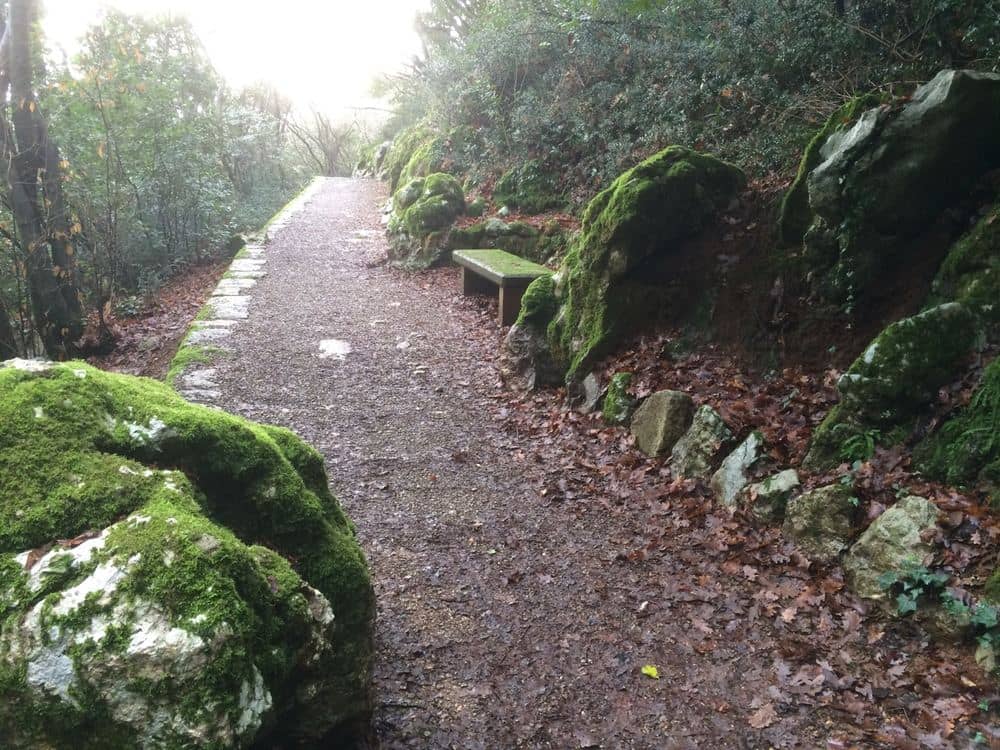
A shaded forest path through the hills above Opatija, named for Carmen Sylva.

Photo: Cwardell / CC BY-SA 4.0
Carmen Sylva Forest Promenade
Activity

Carmen Sylva Forest Promenade

The Carmen Sylva forest promenade runs along the slope above Opatija, at around a hundred metres above sea level, and stretches about four kilometres from the centre toward Volosko. It was laid out at the end of the 19th century as part of the resort programme: besides the coastal walk for mild days, a path in the shade was needed, among pines and laurel, for the hours when it is too hot by the sea. It bears the name of Carmen Sylva, the literary pseudonym of the Romanian queen Elisabeth, who stayed in Opatija and wrote here. The path is almost level, wide and under crowns for its whole length, with benches and several points where a view of the gulf and the islands opens. It takes an hour one way, and is at its best on summer afternoons or after rain, when the forest is fragrant.

Photo: Cwardell / CC BY-SA 4.0

Open-Air Theatre
Activity

Open-Air Theatre

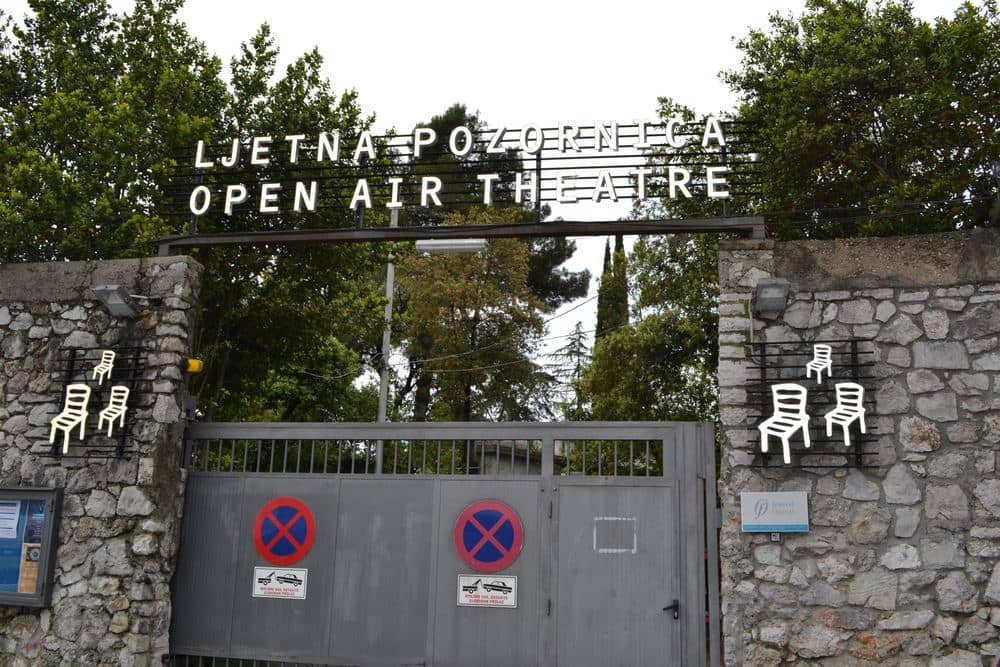
A seaside amphitheatre where summer nights fill with music.

Photo: Geologicharka / CC BY-SA 3.0
Open-Air Theatre
Activity

Open-Air Theatre

The summer stage was raised at the end of the 1950s by the shore, in the park between the hotels and the sea, and is one of the largest open-air auditoria on the Adriatic with about two thousand seats. Its particularity is the movable roof that closes when rain threatens, so a performance is rarely cancelled; at the time of building that solution was technically demanding, and it is why the stage has stayed in use for seven decades. From 1958 a popular music festival was held here that shaped the Yugoslav entertainment scene, and today concerts, theatre performances and festivals follow one another through the summer. Tickets are bought in advance, and for concerts by popular performers they sell out early. The auditorium is open toward the sea, so the stage itself has a backdrop that indoor halls do not.

Photo: Geologicharka / CC BY-SA 3.0

17 more places
  • Poklon Visitor Centre
  • Opatija Port
  • Lido Beach
  • Tomaševac Beach
  • Volosko Beach
  • Črnikovica Beach
  • Ičići Beach
  • Ika Waterfront
  • Lovran Harbour
  • Medveja Beach
  • Marina Admiral
  • Casino Rosalia
  • Lungomare Lovran Section
  • Lungomare Volosko Section
  • ACI Marina Opatija
  • Slatina Beach
  • Sisol Peak

Shopping

3
Opatija Market
Shopping

Opatija Market

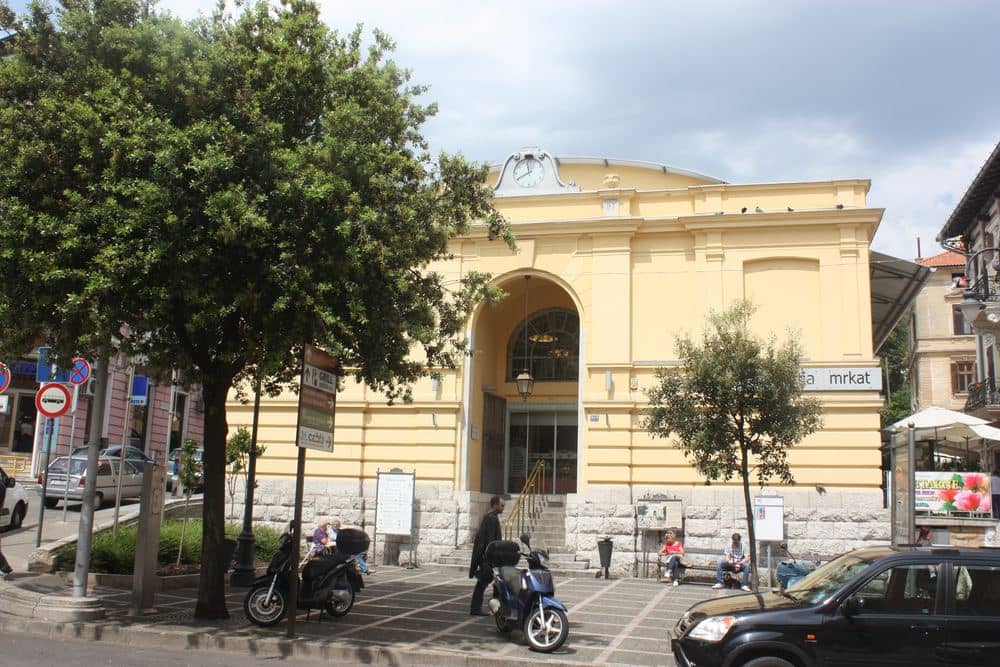
The covered market hall where locals shop for fresh produce.

Photo: Dguendel / CC BY 3.0

Opatija Market
Shopping

Opatija Market

The Opatija town market works in a covered hall not far from the centre and is the place where what the restaurants serve is bought. On the stalls are vegetables and fruit from the surrounding slopes of Ucka and from the Istrian hinterland, cheese, eggs, honey, olive oil and home-cured prosciutto, and in season the chestnut from the Lovran woods, which is larger here than elsewhere and is called marun. Prices are lower than in the shops of the centre, and the goods come mostly from family holdings. The market works in the morning and late morning, and the best choice is before nine; on Sundays it works shorter hours. For guests in apartments this is the most useful address in town, and even those who do not cook should stop by for cheese, oil and cured meat to take home.

Photo: Dguendel / CC BY 3.0

Opatija Fish Market
Shopping

Opatija Fish Market

A small fish market selling the morning's catch.

Photo: Dguendel / CC BY 3.0
Opatija Fish Market
Shopping

Opatija Fish Market

The fish market in Opatija works beside the town market and opens early, closing when what was caught that night in the Kvarner gulf is sold. On the ice sardine and anchovy take turns, the most numerous here, and sea bass, sea bream, hake, scorpionfish and squid, and now and then langoustines from the deeper part of the gulf, for which the Kvarner is known. The Kvarner langoustine is valued for firm flesh and a sweeter taste, attributed to the colder water and the muddy bottom on which it grows. Prices depend on the catch; on Mondays the choice is smaller. The sellers will clean the fish on request, and for cooking a little oil, salt and a grill are enough. The market works in the morning, and the best choice is right after opening, before the restaurants take the largest pieces.

Photo: Dguendel / CC BY 3.0

1 more places
  • Konzum Slatina

Opatija: quick answers

How do I get to Opatija?
Rijeka is fifteen kilometres away with frequent local buses along the bay; its small airport on Krk island has seasonal flights, while Zagreb and Trieste offer the bigger schedules, each about two hours by road.
What is the Lungomare?
A twelve-kilometre coastal promenade from Volosko through Opatija to Lovran, entirely flat, past villas, bathing spots and harbours. Walk a stretch and return by the local bus that runs the same line.
Does Opatija have beaches?
Mostly paved bathing terraces and small coves along the Lungomare rather than long pebble beaches; Slatina in the centre is the main one. For classic beaches, Medveja and Mošćenička Draga lie a few kilometres south.
How many days does Opatija need?
Two full days: one for the town and the Lungomare from Volosko to Lovran, one for Učka or the beaches further south. Anyone staying a week adds Rijeka, Krk and inland Istria, all within an hour.
When is the best time to visit Opatija?
May, June and September for walking and swimming without crowds; July and August for the concerts on the open-air stage; November for the Chocolate Festival and December for Advent. Winter is mild but wet, and hotels are cheapest then.
Where do I park in Opatija?
The Slatina garage by the main beach and the hotel garages; streets in the centre are metered with two-hour limits and full by ten in the morning in summer. For Lovran and Volosko park in those villages and walk back along the Lungomare.

CroVenture App

Explore Opatija with CroVenture

Places unlock as you reach them, with a passport that fills up as you explore.