Skip to content
All cities

Poreč. Things to do, map and hidden gems

42 curated places· 3 hidden gems
Poreč
Photo: Shesmax / CC BY-SA 3.0

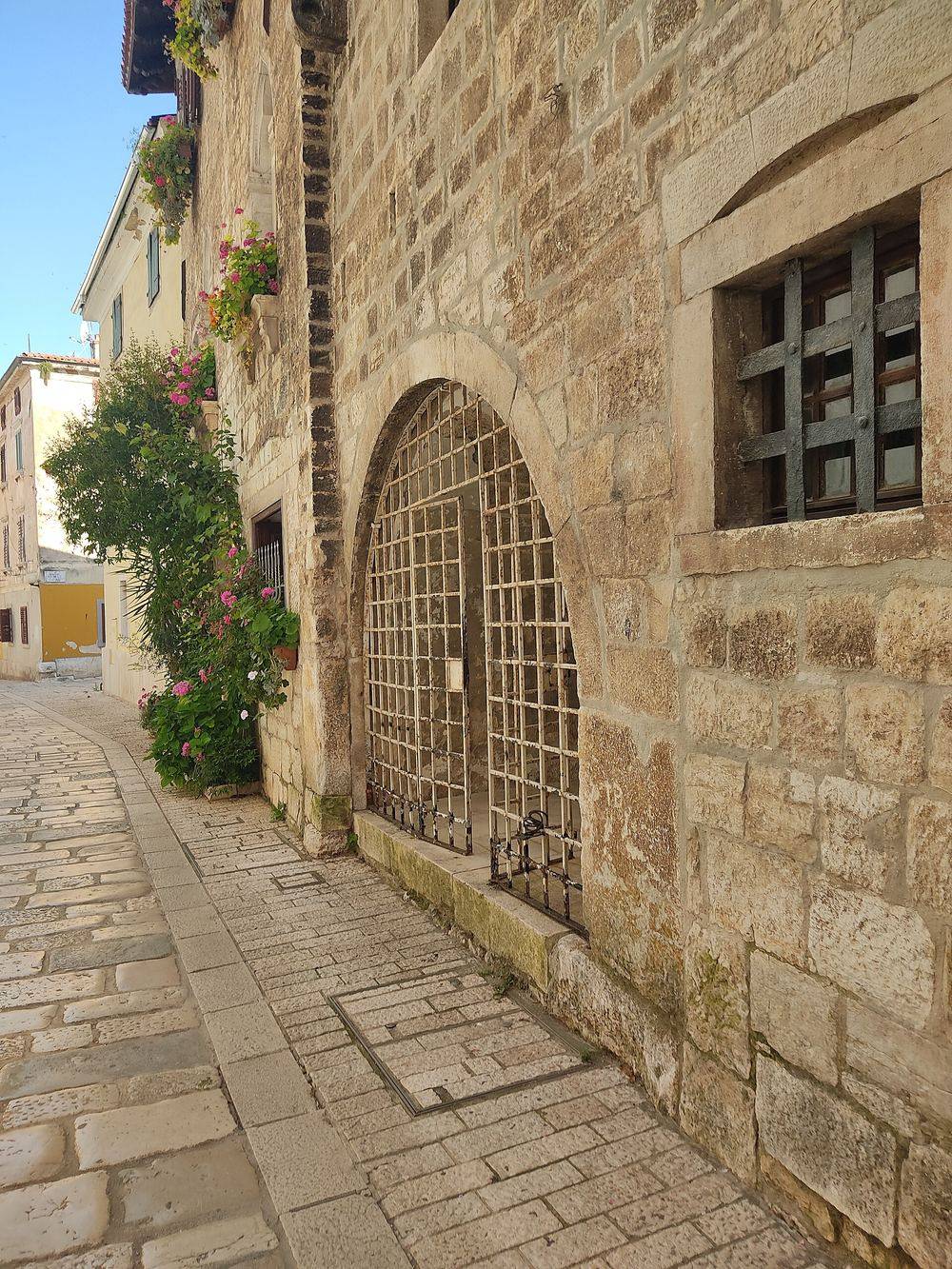
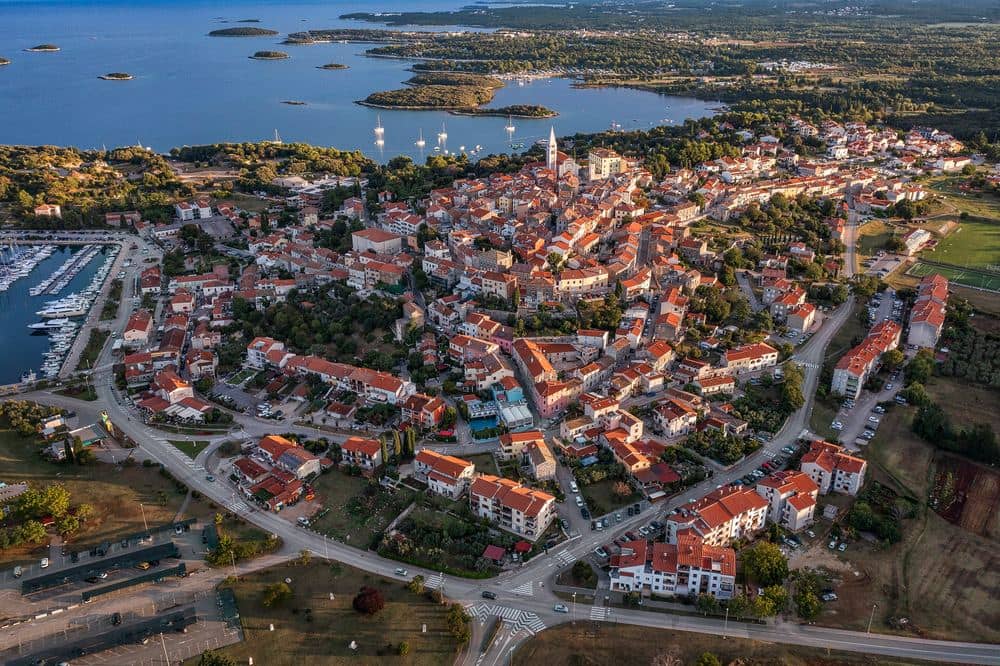
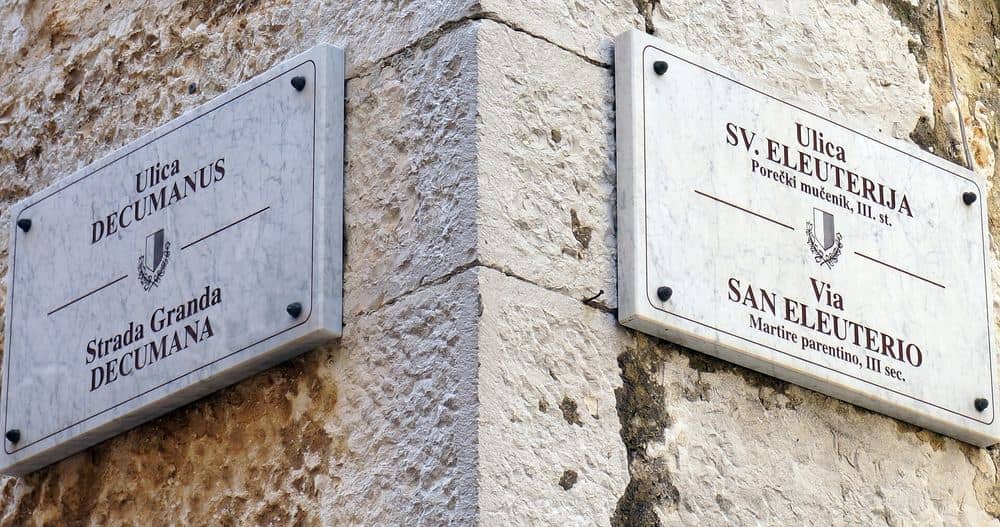
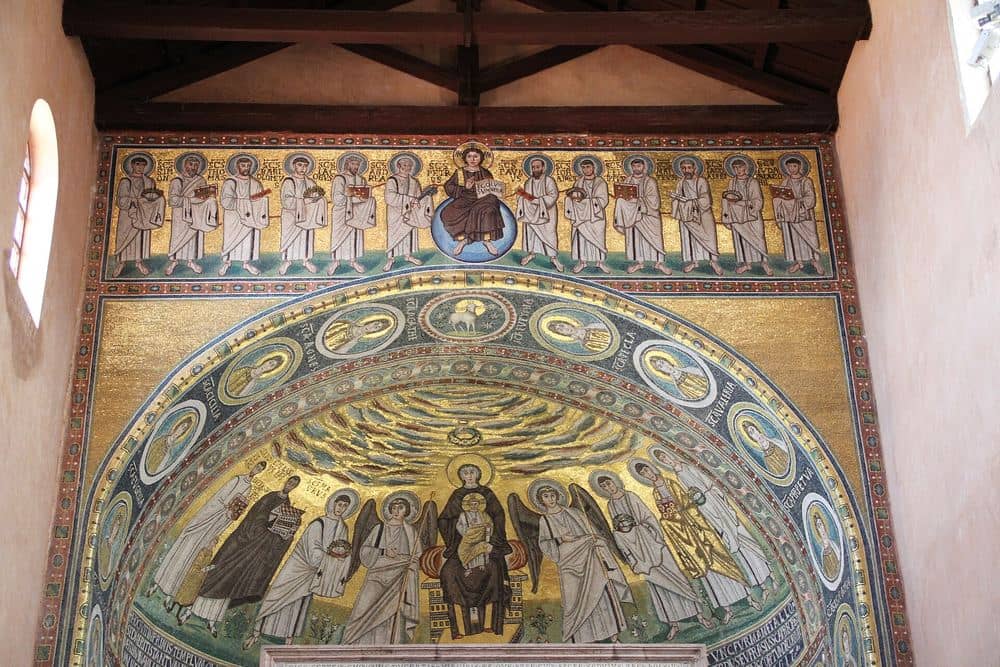
Poreč has kept its Roman street plan for two thousand years: the Decumanus still runs the length of the old-town peninsula, and just off it stands the reason the town is on the UNESCO list, the sixth-century Euphrasian Basilica, whose golden Byzantine mosaics rank with Ravenna's. Around this core, Poreč is western Istria's most complete resort machine, with the Plava and Zelena Laguna zones stretching south.

It is a town of easy logistics: flat, compact, bikeable, with boat lines along the coast and half of Istria within an hour.

Poreč: what to see beyond the basilica

The next 7 days

Weather data by Open-Meteo.com

Opening hours and prices

The places we keep opening hours and price levels for. Times change with the season, so treat the official page as the last word.

PlaceOpening hoursPriceOfficial page
Euphrasian Basilica09:00-18:00--
Baredine Cave10:00-16:00--

Climate month by month

Ten-year averages for Poreč, so you can see what a month usually looks like rather than what this week happens to do.

MonthDay °CNight °CRain daysSea °C
January93813
February1141011
March136912
April1610915
May20141418
June2619823
July2921727
August2921727
September24171124
October19131021
November1491117
December1151014

Air 2015 to 2024, sea 2022 to 2024. A rain day is 1 mm or more. Data by Open-Meteo.com

Poreč on video

Poreč: you complete us

YouTubePoreč2:31

Beaches in Poreč

Saladinka Beach
Activity

Saladinka Beach

A quiet swimming spot further along the coast north of Poreč.

Photo: Fr0nt / CC BY-SA 3.0
Saladinka Beach
Activity

Saladinka Beach

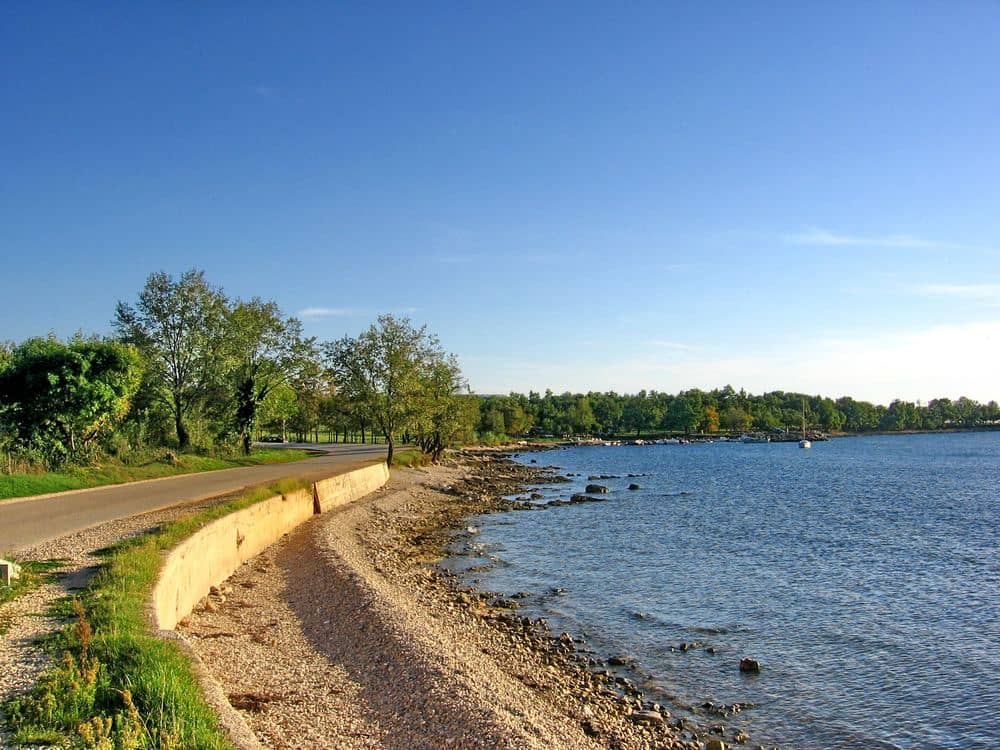
Saladinka is a cove on the shore north of Porec, between the settlements of Materada and Cervar, and belongs to that part of the coast where the tourist zone thins out. The shore is low and rocky, with belts of coarser shingle between flat slabs, and the sea is deeper at once than at the town bathing places and very clear, because there is no sand to cloud it. The cove faces west and is open, so here you watch the sunset straight into the open, and the bora blowing off the land raises no swell. There are few facilities: the odd bench, a path through the pines and shade; bring food, water and a parasol. Saladinka is reached by bicycle or car in some ten minutes from Porec, and the coastal path links the cove with the neighbouring bathing places.

Photo: Fr0nt / CC BY-SA 3.0

Oliva Beach
Activity

Oliva Beach

A swimming spot a short walk west of the old town.

Photo: Frane Lovošević / CC BY-SA 3.0

Oliva Beach
Activity

Oliva Beach

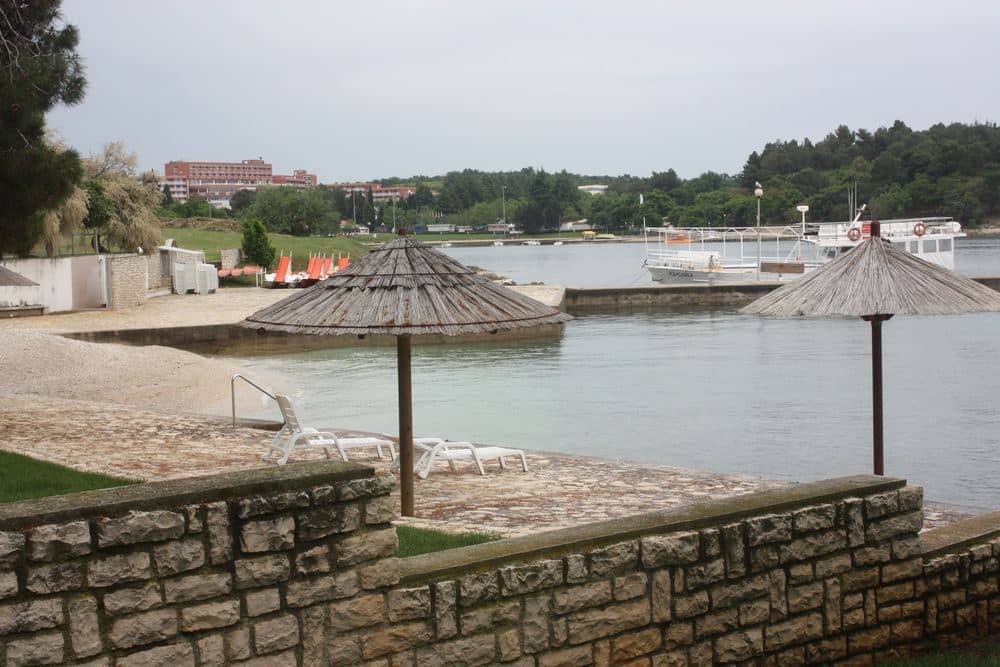
Oliva Beach lies west of the old core of Porec, on a stretch of shore reached in about ten minutes' walk from the waterfront, and is one of the town bathing places that do the job without pretension: concrete platforms, ladders into the sea, a few belts of shingle and pines in the hinterland that hold shade for part of the day. The sea is clear, because the shore faces west and is open, and the depth grows moderately, so entry is bearable for weaker swimmers too. By the beach are a shower and a bar in season, and around it promenades that continue toward Brulo and further south. The advantage is the nearness of the core: after a swim you reach the cafes and the basilica in ten minutes. In the afternoon the crowd is larger, and in the morning the sea is calmest and clearest.

Photo: Frane Lovošević / CC BY-SA 3.0

Poreč City Beach
Activity

Poreč City Beach

Poreč's central beach, an easy walk from the old town walls.

Photo: Zoran Kurelić Rabko / CC BY-SA 3.0

Poreč City Beach
Activity

Poreč City Beach

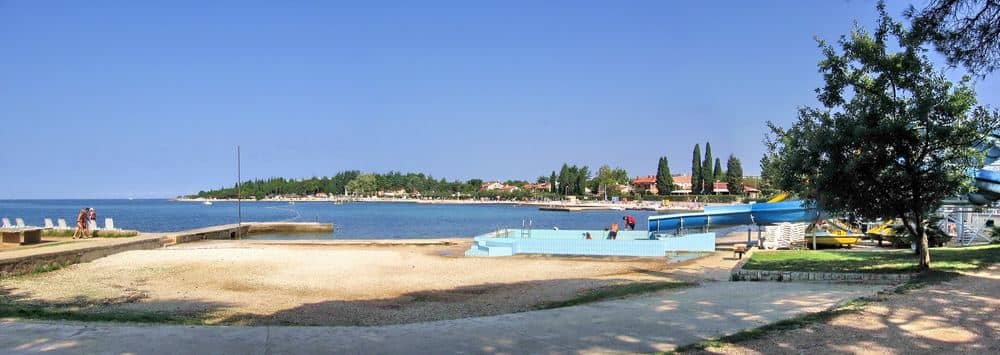
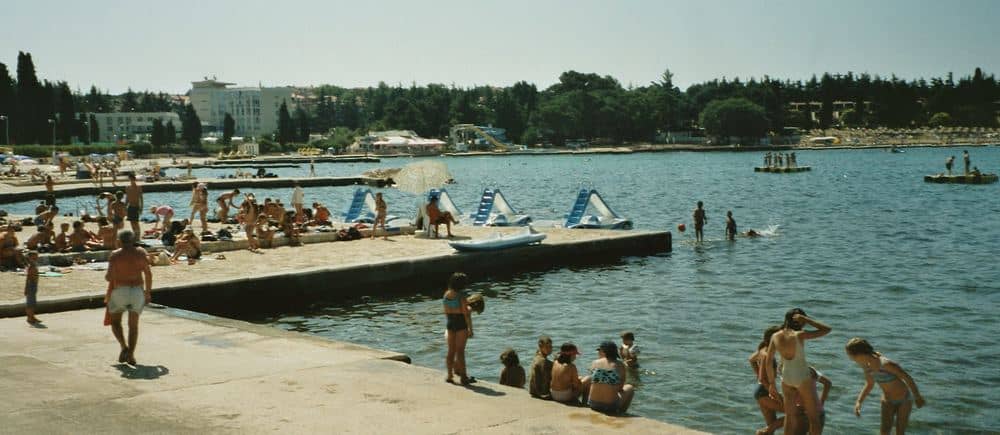
The Porec city beach lies south of the old core, on a stretch beginning immediately behind the walls, and is the nearest bathing place for those staying in the centre. The shore is arranged as a series of concrete platforms with ladders and steps, alongside a few belts of shingle; there is no sand, because the whole western coast of Istria is stone. The sea here is shallow at the edge and warms quickly, and it is sheltered by the island of St Nicholas lying opposite, which breaks the waves from the open. By the beach are showers, cabins, loungers and bars, and in the hinterland a pinewood with benches in the shade. Because of its position this is the busiest place in town on summer afternoons; for a quieter day go toward Brulo to the south or Pical to the north, both some twenty minutes' walk.

Photo: Zoran Kurelić Rabko / CC BY-SA 3.0

Brulo Beach
Activity

Brulo Beach

A green stretch of coast a walk south of the old town.

Photo: Dguendel / CC BY 3.0

Brulo Beach
Activity

Brulo Beach

Brulo is a bathing place on the shore south of the Porec core, on the stretch toward the hotel zone, and it differs from the city beach in being green: the shore is overgrown with pinewood reaching to the water itself, so there is shade all day, which on this part of the coast is a rarity. The shore is stone and arranged with concrete platforms, with ladders and a few smaller shingle coves between the rocks. The sea is clear and deeper than in town, so it suits swimming better than small children. By the beach are showers, loungers and bars in season, and the coastal promenade leads both ways, toward the centre to the north and toward the lagoons to the south. From the core Brulo is a twenty-minute walk by the sea, or you come by bicycle.

Photo: Dguendel / CC BY 3.0

Špadići Beach
Activity

Špadići Beach

A swimming spot along the coast north of Poreč's old town.

Photo: Fr0nt / CC BY-SA 3.0

Špadići Beach
Activity

Špadići Beach

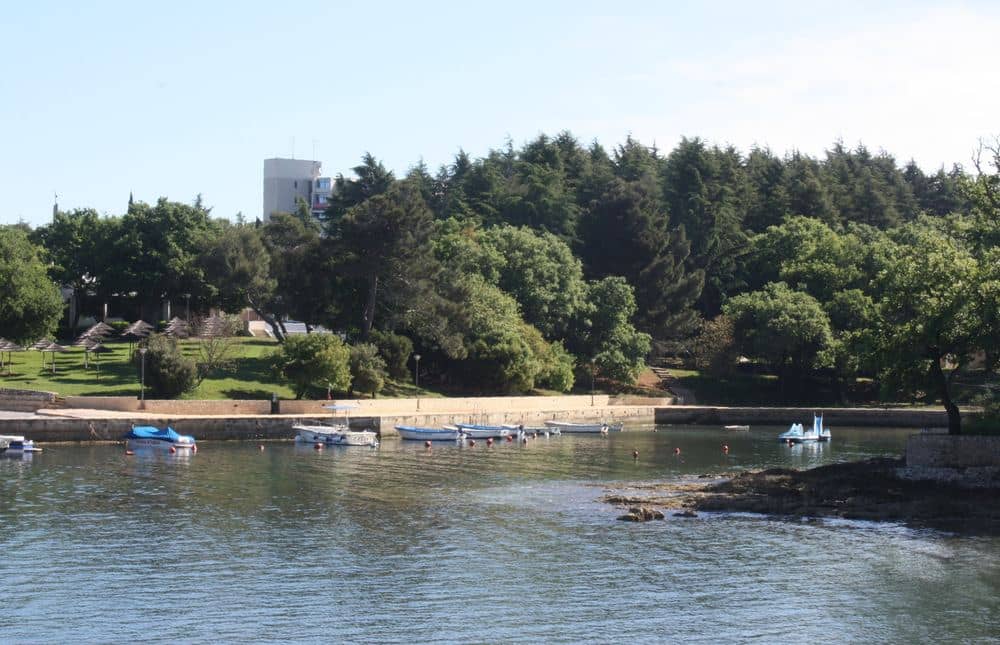
Spadici is a bathing place on the shore north of the Porec core, in a belt developed since the 1960s as a tourist zone with campsites and apartment settlements. The shore is low and rocky, with concrete platforms, ladders and belts of coarser shingle, and in the hinterland a pinewood planted precisely for shade. The sea is clean and open to the west, so in summer you watch the sunset here straight into the open. By the beach are showers, bars and sports facilities, and the coastal promenade leads toward the town centre, about twenty minutes' walk to the south. This is a bathing place used in summer by guests from the nearby campsites, so the afternoon is lively, while morning and evening are quiet and pleasant for swimming.

Photo: Fr0nt / CC BY-SA 3.0

Materada Beach
Activity

Materada Beach

A beach further up the coast north of Poreč.

Photo: Corradox / CC BY-SA 3.0

Materada Beach
Activity

Materada Beach

Materada is a bathing place on the shore a few kilometres north of Porec, in a belt where the tourist zone thins and the coast turns wild. It is a low rocky shore with concrete platforms along part of the stretch and natural rock elsewhere; you enter by ladders, the sea is deep at once and very clear, because there is no sand to cloud it. The hinterland is covered by low pinewood and maquis that give shade, and along the way there is a campsite. It takes its name from the settlement of Materada inland, which appears in Istrian literature as the title of a well-known novel about the post-war emigration from Istria. Materada is reached from Porec by bicycle or car in some ten minutes; facilities are modest, so bring water.

Photo: Corradox / CC BY-SA 3.0

Plan your visit

Poreč in a nutshell

42 places, 1 routes.

What is actually worth your time in Poreč?

Start with Euphrasian Basilica, Rt Zub Lighthouse, and Rimska vila na Lorunu. After that it depends on what you enjoy: the guide holds 42 places in Poreč, sorted into sights, activities, food and shopping, so you can skip whole categories that bore you.

Euphrasian BasilicaEuphrasian Basilica

How do you get away from the crowds in Poreč?

Follow the hidden gems: 3 places that rarely make the guidebooks, most of them a few streets off the main drag. Euphrasian Basilica, Rt Zub Lighthouse, and Rimska vila na Lorunu are good ones to start with.

Poreč Heritage MuseumPoreč Heritage Museum

No time to plan? Just follow a route.

Pick one of Down the Decumanus. Each walk runs stop by stop in a fixed order, so the only decision left is where to have lunch.

House of Two SaintsHouse of Two Saints
Our tips

What we would do around Poreč

Day trips within reach of Poreč, plus the routes and quiet corners our editors keep coming back to.

Poreč itineraries

  • 8 stops

    Down the Decumanus

    A Roman street to the golden mosaics

    1. The Riva Waterfront
    2. Marafor Square
    3. Decumanus
    4. House of Two Saints
    5. Poreč Heritage Museum
    6. Euphrasian Basilica
    7. Northern Tower
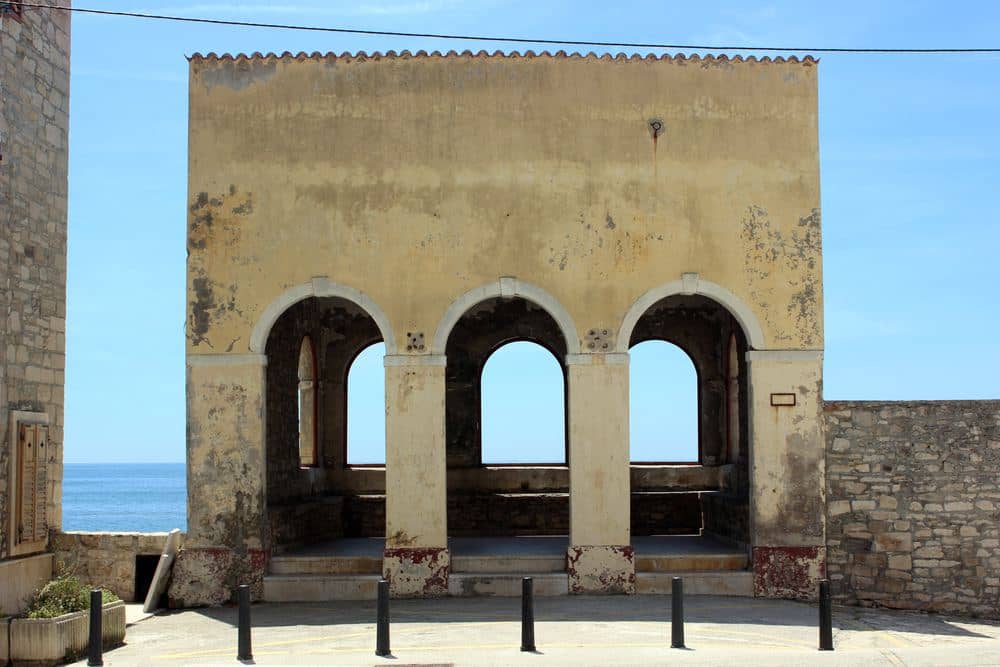
    8. Istrian Assembly Hall

Hidden gems in Poreč

Euphrasian Basilica
Legendary
Sight

Euphrasian Basilica

A 6th-century Byzantine basilica glowing with golden mosaics.

Photo: Shesmax / CC BY-SA 3.0

Euphrasian Basilica
Sight Legendary

Euphrasian Basilica

The Euphrasian Basilica was raised in the middle of the 6th century, in the time of Bishop Euphrasius, on the site of older Christian buildings, and since 1997 it has been on the UNESCO world heritage list as the most complete surviving early Byzantine sacral complex in the Mediterranean. In the apse is a mosaic with the Virgin and Child enthroned, and to the left Euphrasius himself is shown holding a model of the church, the oldest such depiction of a donor in this part of Europe. The mosaics are worked in glass paste and gold leaf, so their gleam changes with the time of day. Beside the basilica are the atrium, an octagonal baptistery, the bishop's palace with a lapidarium and a bell tower climbed by narrow steps. The ticket covers the whole complex; visit in the morning, when the light in the apse is best.

Opening hours
09:00-18:00

Photo: Shesmax / CC BY-SA 3.0

Explore Poreč by category

Sights

15
Euphrasian Basilica
Legendary
Sight

Euphrasian Basilica

A 6th-century Byzantine basilica glowing with golden mosaics.

Photo: Shesmax / CC BY-SA 3.0

Euphrasian Basilica
Sight Legendary

Euphrasian Basilica

The Euphrasian Basilica was raised in the middle of the 6th century, in the time of Bishop Euphrasius, on the site of older Christian buildings, and since 1997 it has been on the UNESCO world heritage list as the most complete surviving early Byzantine sacral complex in the Mediterranean. In the apse is a mosaic with the Virgin and Child enthroned, and to the left Euphrasius himself is shown holding a model of the church, the oldest such depiction of a donor in this part of Europe. The mosaics are worked in glass paste and gold leaf, so their gleam changes with the time of day. Beside the basilica are the atrium, an octagonal baptistery, the bishop's palace with a lapidarium and a bell tower climbed by narrow steps. The ticket covers the whole complex; visit in the morning, when the light in the apse is best.

Opening hours
09:00-18:00

Photo: Shesmax / CC BY-SA 3.0

Poreč Heritage Museum
Sight

Poreč Heritage Museum

Poreč's heritage museum, tucked into the old town, gathers the story of the wider region under one roof.

Photo: Zoran Kurelić Rabko / CC BY-SA 3.0

Poreč Heritage Museum
Sight

Poreč Heritage Museum

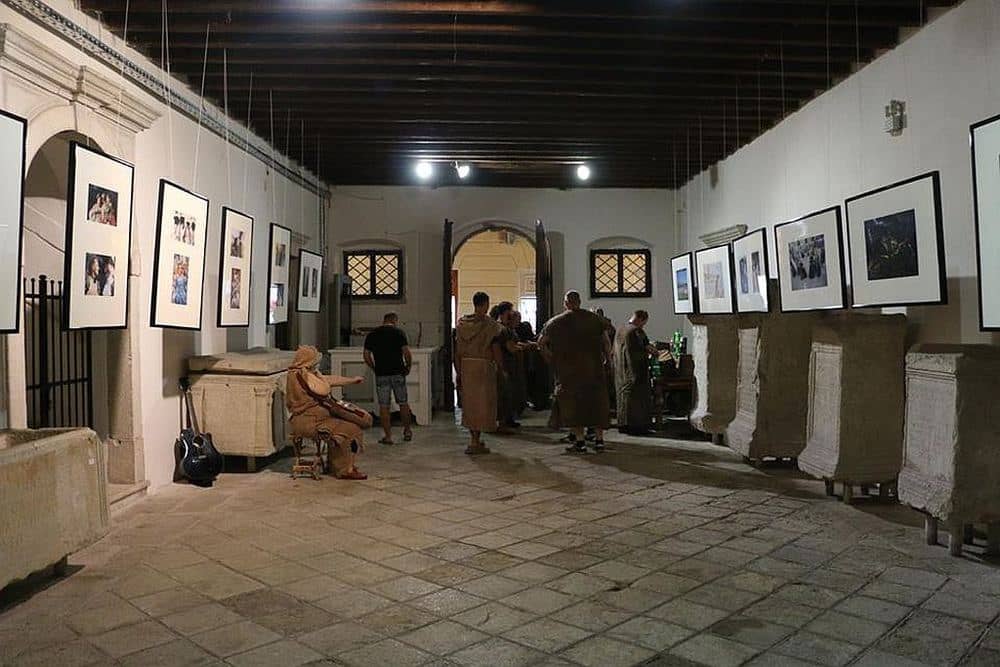
The Heritage Museum of the Porec Region was founded in 1884 and is the oldest museum in Istria. It is housed in the Baroque Sincic palace in the old core, an 18th-century building with a courtyard and a staircase that are themselves part of the display. The collection covers the whole area: ancient inscriptions and stone fragments from Roman Parentium, medieval objects, church vessels, weapons, furniture and portraits of Porec families, and ethnographic material from the surrounding villages. Alongside it is kept documentation on the Istrian assembly, which in the second half of the 19th century sat precisely in Porec. The display is arranged chronologically, the visit takes an hour, and the ticket is cheap. The museum works all year, with extended hours in season; it stands along the Decumanus.

Photo: Zoran Kurelić Rabko / CC BY-SA 3.0

House of Two Saints
Sight

House of Two Saints

A quietly named historic house folded into the old town's narrow stone lanes.

Photo: Viktar Palstsiuk / CC BY-SA 4.0

House of Two Saints
Sight

House of Two Saints

The House of Two Saints stands in a row of old buildings in the core of Porec and takes its name from two stone reliefs of saints set into the facade. Such depictions were placed on houses in Istrian towns for several reasons: as protection for the household, as the sign of a confraternity to which the family belonged, or as a vow after surviving illness; the plague passed through these towns in waves, and patron saints were part of the everyday equipment of life. The building is medieval, with later alterations, and its narrow facade and tall windows are characteristic of the whole street. The house is in private use and is viewed from outside. It stands a few steps from the Decumanus, so it is easiest to fit it into a walk through the core.

Photo: Viktar Palstsiuk / CC BY-SA 4.0

Vrsar Old Town
Sight

Vrsar Old Town

A small hilltop old town on the coast south of Poreč, wound around a church-topped hill.

Photo: Ekaterina Polischuk / CC BY-SA 4.0

Vrsar Old Town
Sight

Vrsar Old Town

Vrsar is a small town on a hill by the sea, fifteen kilometres south of Porec, built in concentric rings around the summit on which the castle and the parish church stand. For centuries the settlement belonged to the bishops of Porec, who had a summer residence here in a fortified castle; below it are narrow streets, stone houses and a town gate. At the edge of the settlement stands the Romanesque church of St Mary of the Sea of the 12th century, one of the oldest in Istria. Vrsar is mentioned in the writings of Giacomo Casanova, who put in here in the middle of the 18th century. Not far off is the abandoned Montraker quarry, today the site of a sculpture school, and to the south the Lim channel opens. The climb to the top through narrow streets takes some ten minutes; the view reaches the islets off the coast.

Photo: Ekaterina Polischuk / CC BY-SA 4.0

Tar Old Town
Sight

Tar Old Town

A small village near the coast north of Poreč, with a calm, unhurried old core.

Photo: Petar Milošević / CC BY-SA 4.0

Tar Old Town
Sight

Tar Old Town

Tar is a village on a rise a few kilometres from the coast, north of Porec, and belongs to that series of Istrian settlements built away from the sea because of pirates. The core is small, with stone houses along one main street, a parish church and a square where events are held in summer. The area is known for olives: on the red earth around Tar grow trees several centuries old, and oil from this part of Istria regularly enters international guides as among the best in the world. In the village and around it several family mills work that receive visitors for tasting, by arrangement. The coast and Lanterna are five kilometres away, Porec ten; a cycle route toward Novigrad also passes through Tar.

Photo: Petar Milošević / CC BY-SA 4.0

Decumanus
Sight

Decumanus

The Roman main street still threading the old town, end to end.

Photo: Disdero / CC BY-SA 3.0

Decumanus
Sight

Decumanus

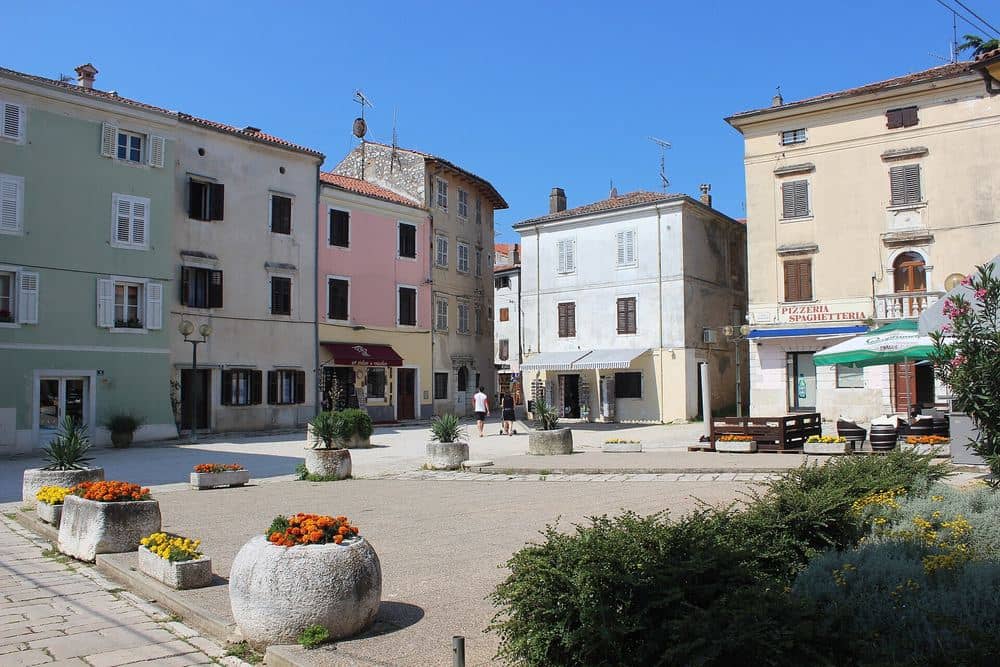
The Decumanus is the main longitudinal axis of the old core of Porec and runs straight through the peninsula from east to west, from the Pentagonal Tower to the Marafor. The Romans founded Parentium as a colony in the 1st century BC and laid out the town on a regular grid: the decumanus was the main street running east to west, and the cardo maximus the perpendicular axis to the north; both existed and all the other streets were parallel to them. What makes Porec unusual is that this grid was never lost: the present street plan of the old core is almost the same as it was two thousand years ago. Along the Decumanus stand Romanesque and Gothic houses, shops and cafes. The street is paved with stone, is pedestrian and is walked in ten minutes.

Photo: Disdero / CC BY-SA 3.0

9 more places
  • Rt Zub Lighthouse
  • Rimska vila na Lorunu
  • Istrian Assembly Hall
  • Northern Tower
  • Traktor Story
  • Marafor Square
  • Romanesque House
  • Pentagonal Tower
  • Round Tower

Activities

22
Višnjan Observatory
Activity

Višnjan Observatory

A hilltop observatory in inland Istria, built for scanning the night sky.

Photo: Ante Perkovic / CC BY-SA 3.0

Višnjan Observatory
Activity

Višnjan Observatory

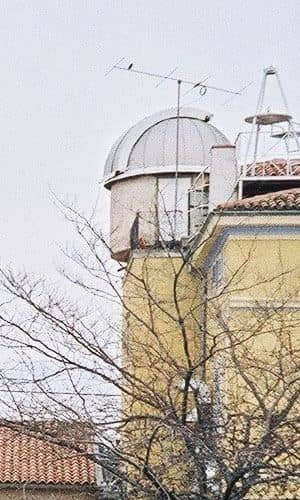
The observatory at Visnjan was founded in 1976 in the Istrian hinterland, on a hill above the village, and in the 1990s it became one of the most productive small observatories in the world: more than a thousand asteroids were discovered from it, an exceptional result for the equipment and means it had. When the lighting of the surrounding settlements grew too bright for precise measurement, the observing was moved to a darker site nearby. Today the observatory works in education: hundreds of secondary school students from across Europe have passed through its summer schools, and some have gone on to careers in science. For visitors, evening observing sessions and lectures are organised by arrangement. Visnjan is a twenty-minute drive from Porec.

Photo: Ante Perkovic / CC BY-SA 3.0

Novigrad Waterfront
Activity

Novigrad Waterfront

The waterfront of Novigrad, a coastal town a day trip north of Poreč.

Photo: Maesi64 / CC0

Novigrad Waterfront
Activity

Novigrad Waterfront

Novigrad lies on a small peninsula some twenty kilometres north of Porec and is one of those Istrian towns that spent their whole history facing the sea. The core is girded by the remains of medieval walls with towers, and within it are the parish church of St Pelagius with a Romanesque crypt of the 11th century, one of the oldest on this coast, and a lapidarium with Roman and early medieval stone fragments displayed in a modern pavilion. Novigrad is known too for its fish cooking, especially shellfish and langoustines from the northern Adriatic. A promenade runs along the shore around the whole peninsula, and fishing boats lie in the harbour. The drive from Porec takes some twenty minutes; count on half a day for a visit with lunch.

Photo: Maesi64 / CC0

Saladinka Beach
Activity

Saladinka Beach

A quiet swimming spot further along the coast north of Poreč.

Photo: Fr0nt / CC BY-SA 3.0
Saladinka Beach
Activity

Saladinka Beach

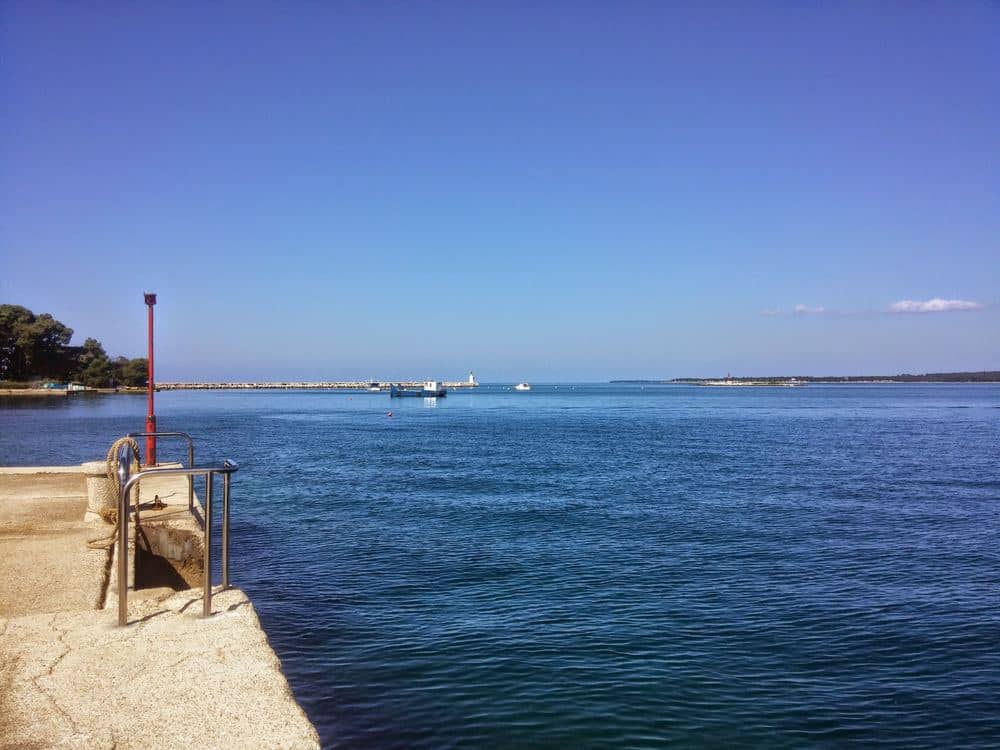
Saladinka is a cove on the shore north of Porec, between the settlements of Materada and Cervar, and belongs to that part of the coast where the tourist zone thins out. The shore is low and rocky, with belts of coarser shingle between flat slabs, and the sea is deeper at once than at the town bathing places and very clear, because there is no sand to cloud it. The cove faces west and is open, so here you watch the sunset straight into the open, and the bora blowing off the land raises no swell. There are few facilities: the odd bench, a path through the pines and shade; bring food, water and a parasol. Saladinka is reached by bicycle or car in some ten minutes from Porec, and the coastal path links the cove with the neighbouring bathing places.

Photo: Fr0nt / CC BY-SA 3.0

Sveti Nikola Island
Activity

Sveti Nikola Island

A green islet a short boat-hop from the harbour, fringed with beaches.

Photo: Bjoertvedt / CC BY-SA 4.0

Sveti Nikola Island
Activity

Sveti Nikola Island

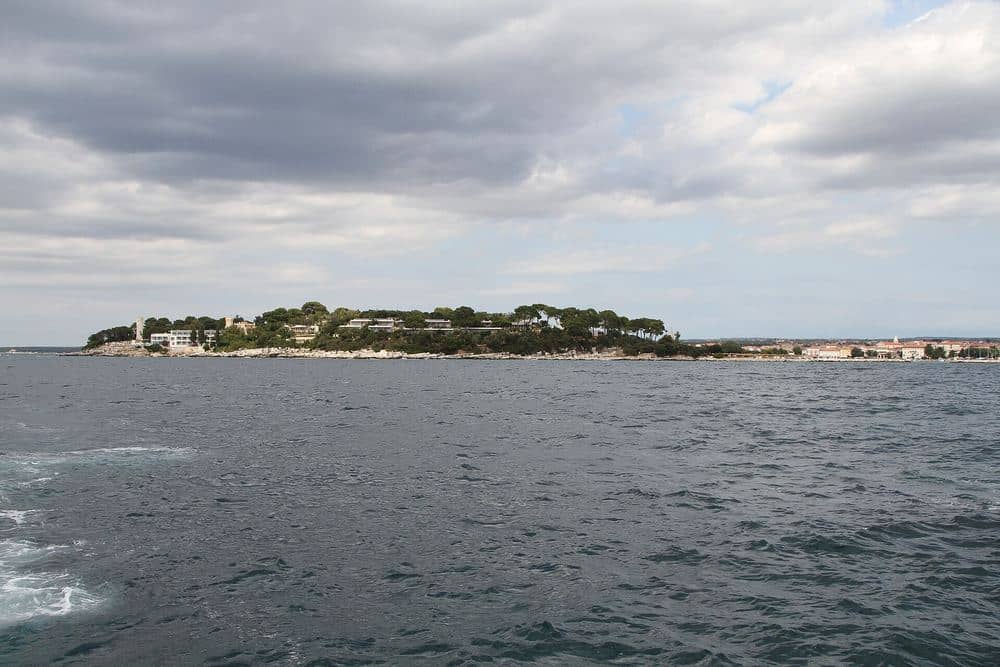
The island of St Nicholas lies opposite the Porec harbour, ten minutes' sailing from the waterfront, and from it the old core is seen whole, with the basilica's bell tower and the towers. The island is green and covered over its whole extent by pinewood that gives shade to the very edge of the shore; the shore is rocky and arranged with concrete platforms and ladders, and in a few places there are shingle coves. It bears the name of the medieval Benedictine monastery that once stood here. At the northern end of the island stands a lighthouse, and in the middle a hotel complex; the rest is publicly accessible. Boats run every half hour in season, and the ticket is cheap and valid both ways. For a day at sea without a car this is the best choice in Porec.

Photo: Bjoertvedt / CC BY-SA 4.0

Baredine Cave
Activity

Baredine Cave

An underground world of stalactites and pale cave creatures.

Photo: Bernhard Wintersperger from Graz, Austria / CC BY 2.0

Baredine Cave
Activity

Baredine Cave

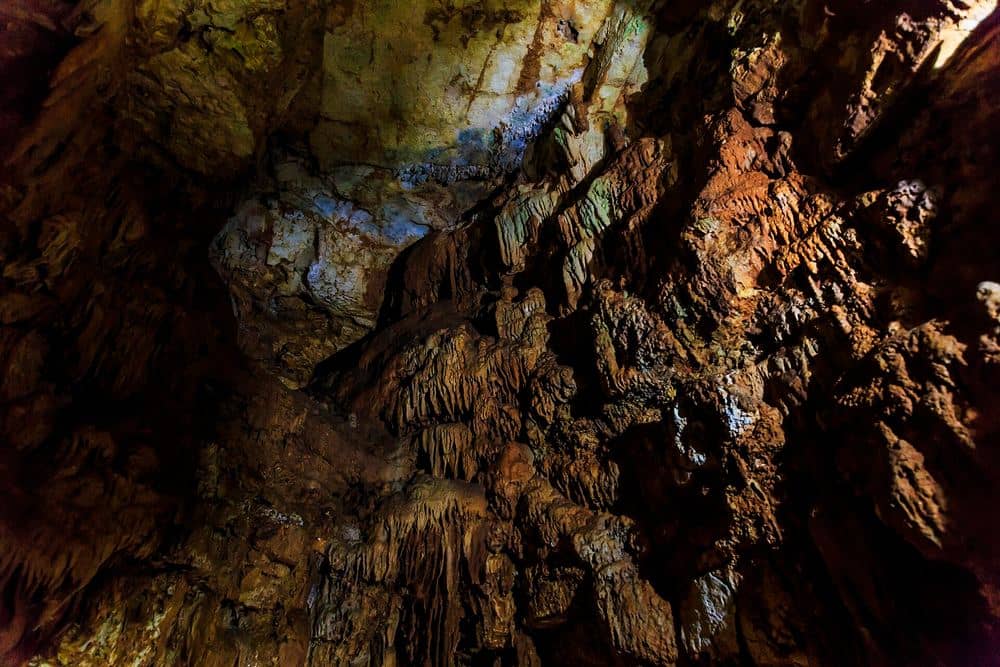
The Baredine cave lies inland, some ten kilometres north-east of Porec, and is one of the few Istrian caves developed for visitors. It is a vertical shaft about a hundred and thirty metres deep, of which five halls to a depth of some sixty metres are laid out for the tour; you descend by steps with a guide. Inside are flowstone, stalactites and calcite curtains, and in a small lake at the bottom lives the olm, a blind amphibian that dwells only in the underground waters of the Dinaric karst and can survive for years without food. The temperature is a steady fourteen degrees, so take a jacket and footwear with a good sole. The tour lasts some forty minutes and is led in groups. The cave works from spring to autumn, and at the height of the season it is better to come in the morning.

Opening hours
10:00-16:00

Photo: Bernhard Wintersperger from Graz, Austria / CC BY 2.0

The Riva Waterfront
Activity

The Riva Waterfront

A palm-lined seafront promenade made for the evening stroll.

Photo: Frane Lovošević / CC BY-SA 3.0
The Riva Waterfront
Activity

The Riva Waterfront

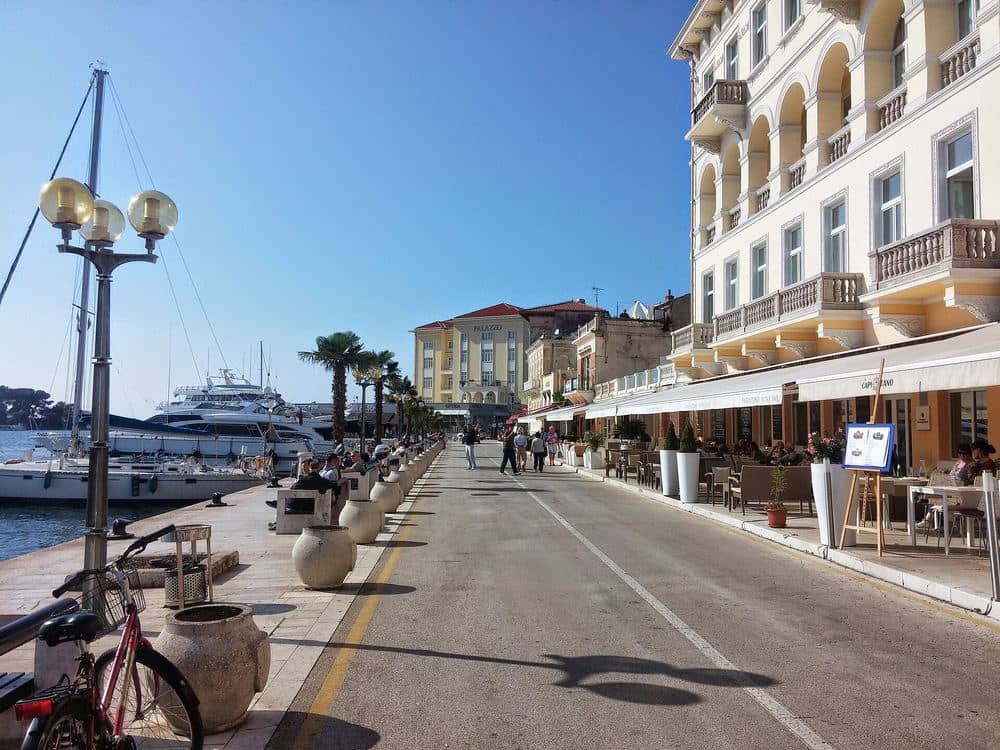
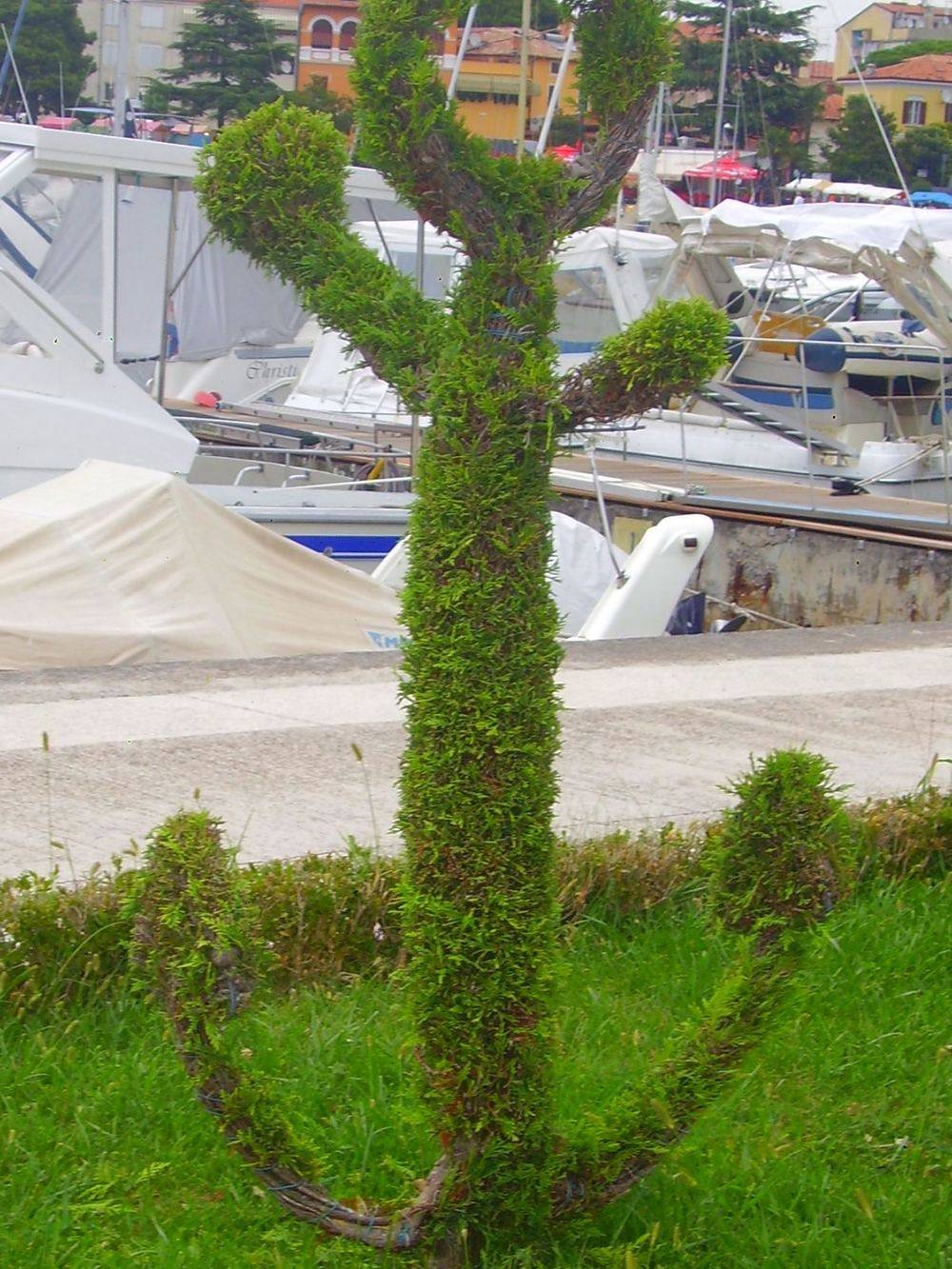
The Porec waterfront runs along the southern edge of the peninsula, from the harbour toward the Pentagonal Tower, and is the busiest part of town: people walk here, excursion boats dock, and the cafes are occupied all day. Palms are planted along the shore, and on the other side a row of buildings shows the layers of Porec history, from medieval houses to Austrian structures of the 19th century, when the town was the seat of the Istrian assembly. From the waterfront small boats leave for the island of St Nicholas, ten minutes away, and in season they run every half hour. The walk from one end to the other takes some fifteen minutes. The best moment is toward evening, when the sun sets directly behind the island and the stone of the core takes on a warm colour.

Photo: Frane Lovošević / CC BY-SA 3.0
16 more places
  • Motovun Day Trip Gate
  • Poreč Marina
  • Oliva Beach
  • Poreč City Beach
  • Brulo Beach
  • Špadići Beach
  • Materada Beach
  • Pical Beach
  • Zelena Laguna
  • Plava Laguna
  • Aquacolors Poreč
  • Dinopark Funtana
  • Funtana Harbour
  • Parenzana Trail Poreč
  • Lanterna Beach
  • Parentino Beach

Shopping

5
5 more places
  • Poreč Fish Market
  • Poreč Green Market
  • Konzum Poreč Center
  • Decumanus Shops
  • Riva Souvenir Shops

Poreč: quick answers

Is the Euphrasian Basilica worth the ticket?
Yes, it is the finest Byzantine interior on the Adriatic: sixth-century gold mosaics in the apse, the original atrium and baptistery, and a bell tower with the best view of the old town. Late afternoon light hits the mosaics best.
Which beach zone should I choose?
Zelena Laguna south of town is the full resort package with pools, sports and shade pines; the town beaches and Plava Laguna sit closer for short stays. All are pebble or rock with paved entries, connected by a shore path and a little tourist boat.
What are the best day trips from Poreč?
Rovinj by boat along the coast, the Baredine cave ten minutes inland, the Lim fjord for mussels, and the hill towns Motovun and Grožnjan under an hour away. Venice runs as a long boat day in season.

CroVenture App

Explore Poreč with CroVenture

Places unlock as you reach them, with a passport that fills up as you explore.