One UNESCO basilica, a Roman street grid still in daily use, and three towers from the old walls. Poreč rewards an hour more than most people give it.
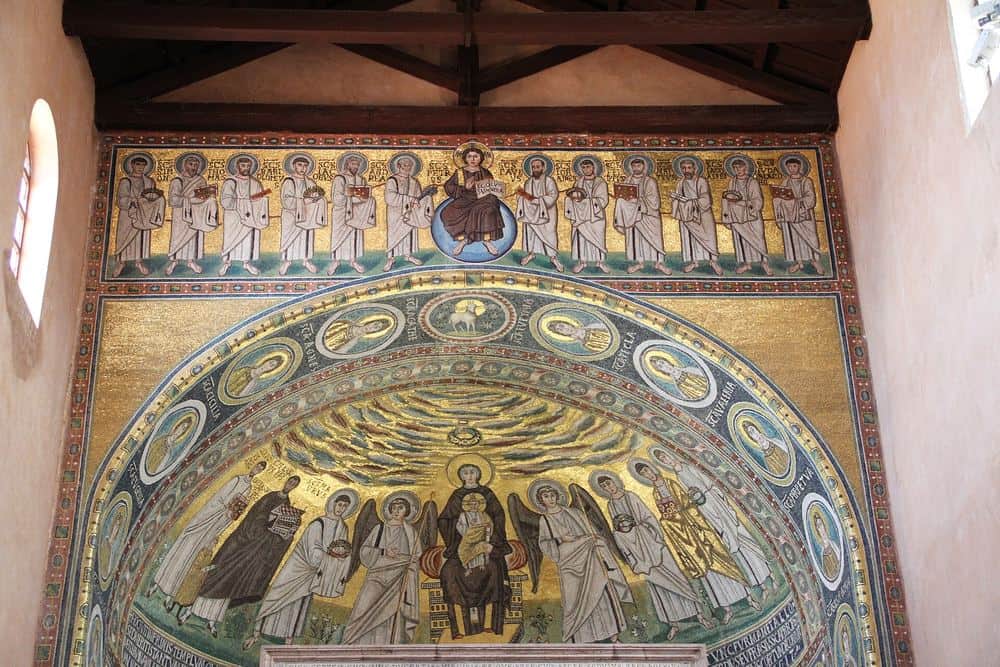
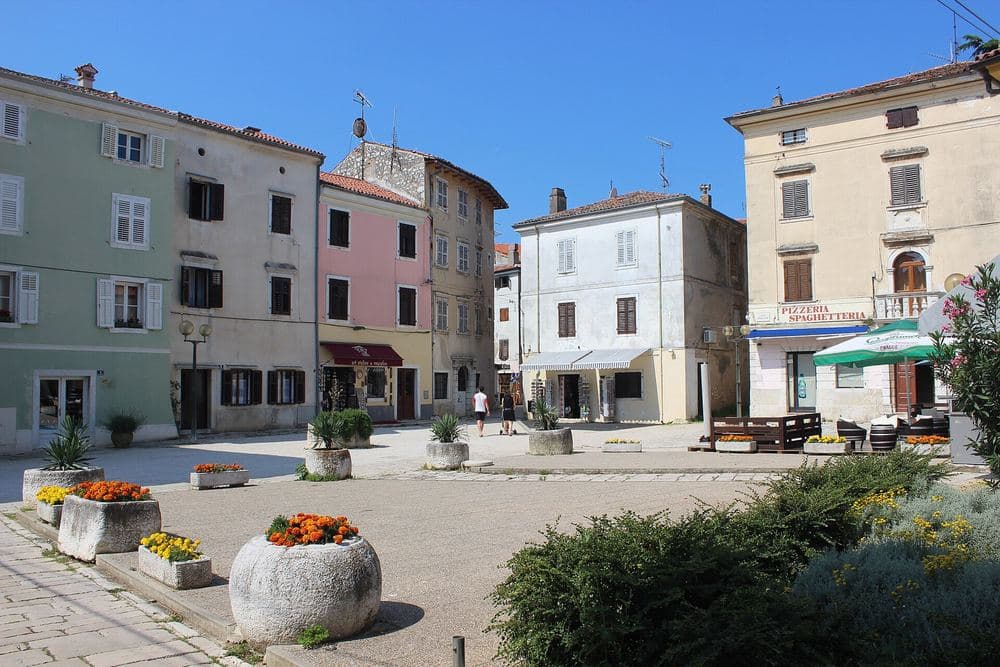
Poreč has one thing everybody comes for and several that people walk past. The Euphrasian Basilica is on the UNESCO World Heritage list for its sixth-century mosaics, and it deserves the attention. But the old town around it is a Roman grid that never got redrawn: the Decumanus still runs the length of the peninsula, Marafor Square still sits where the Roman forum was, and once you notice the pattern you can read the whole centre in twenty minutes.
The basilica is a complex, not a church
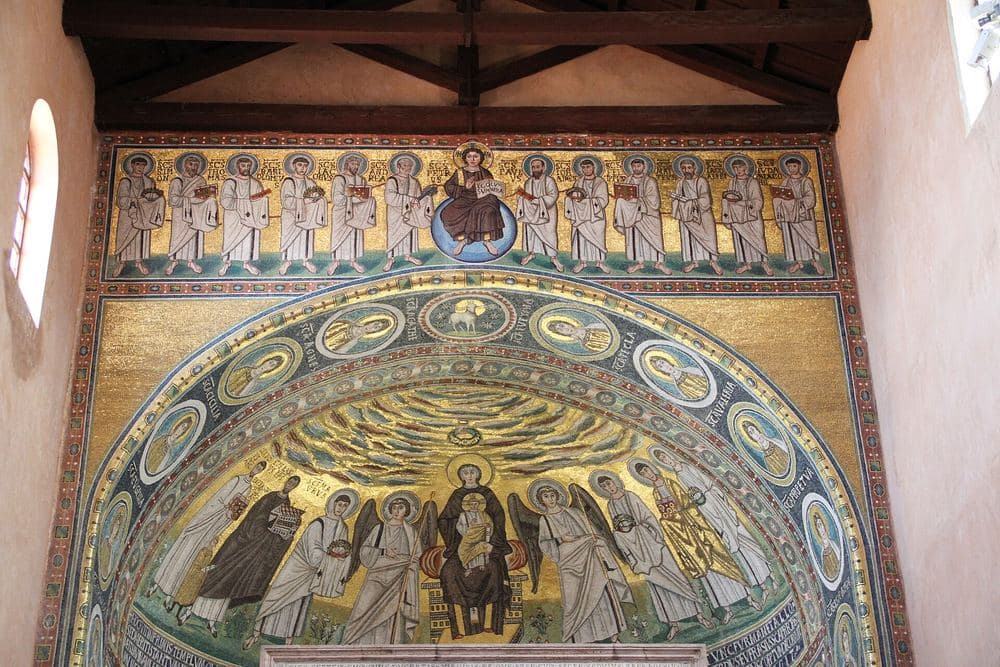
This is the part most visitors get wrong. The Euphrasian Basilica is not a single building but an early Christian ensemble: the church with its apse mosaics, the atrium, the baptistery and the bishop's palace. Buying the ticket and looking only at the nave means missing more than half of it. The mosaics are the reason for the UNESCO listing, but the layout is what makes the site unusual, because so few complexes of this age survived with their parts still standing together.
Walk the Roman grid, then the walls
- Decumanus: the main Roman axis, still the busiest street in the old town.
- Marafor Square and the Romanesque House: the old forum and one of the few surviving medieval houses.
- Round, Pentagonal and Northern Tower: three surviving defensive towers, each on a different side of the old walls.
When the old town is full
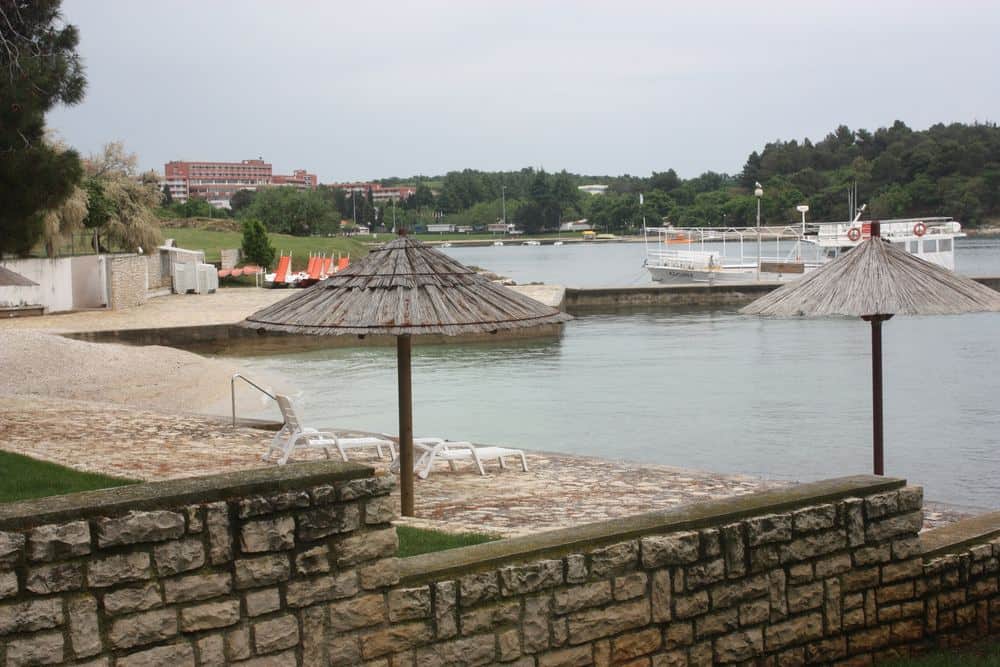
Poreč is a package-holiday town as much as a historic one, and in July the peninsula fills up early. The escape routes are short: Sveti Nikola island lies directly opposite the harbour and changes the temperature of the day completely, and Baredine Cave inland is the standard rainy-day or too-hot-day option. Vrsar, a few kilometres down the coast, has an old town that feels like Poreč did before the hotels.
- Sveti Nikola island: boats run from the harbour, and the far side is quieter than the near one.
- Baredine Cave: inland, cool year round, the reliable option when the coast is too hot.
- The Riva: the waterfront promenade, best in the hour before sunset.
“Poreč is a Roman town that kept its street plan and let everything else be rebuilt around it.”
Practically: the basilica is the one thing worth timing your day around, and early is better than late. The old town is small enough that you do not need a plan, but the towers are easy to miss because they sit at the edges rather than on the main street. The route through the centre, towers included, is mapped in the CroVenture app.
Watch
Poreč on video
A short official city film to help you picture the place before you go.
Poreč: you complete us
Frequently asked questions
- Is it spelled Porec, Poreč or Parenzo?
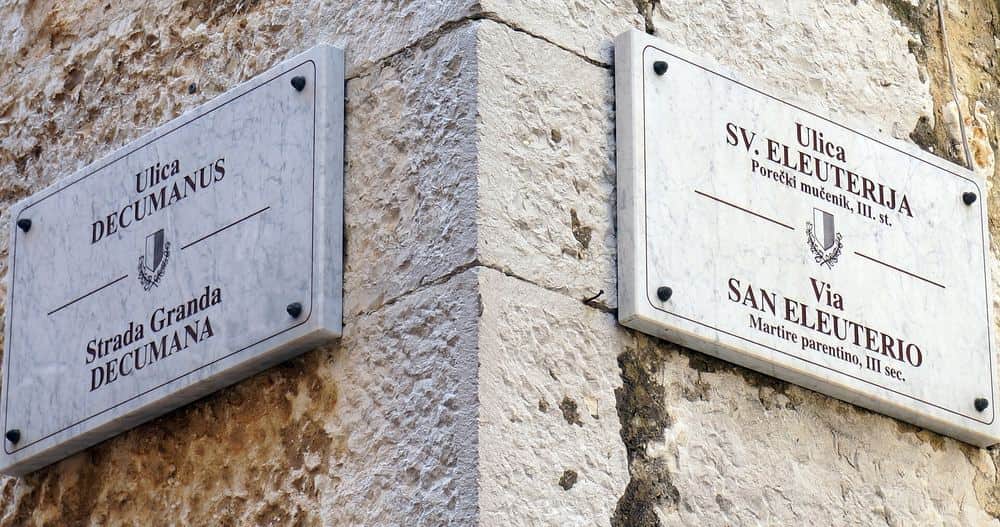
- The Croatian spelling is Poreč, with a caron on the final c, pronounced roughly "PO-rech". Porec without the caron is the keyboard version you find on booking sites. Parenzo is the Italian name, and it is not merely historical: the town is officially bilingual, so street signs and municipal documents carry both names side by side.
- Do you need a ticket for the Euphrasian Basilica?
- The basilica is a working church and the nave is free to enter. The parts that carry the UNESCO listing are ticketed: the mosaic floor of the earlier basilica, the baptistery, the bishop's palace with the museum and the bell tower with the view over the peninsula. Opening hours shift between summer and winter, so check the official page before you plan a fixed time.
Make Croatia Atlas a preferred source
One click and Google shows you our stories more often in Top Stories and in AI answers. It changes your own results only.