Not Dubrovnik, not Plitvice, not the Zlatni rat postcard. Twenty-five places with real detail: a wine village hanging over the sea, a beach you reach through a tunnel of rock, a Roman salt town, a lake at the top of Plitvice nobody walks to, and the islands you get to by public ferry for a few euro. Each with the nearest town, how to get there and when to go.
Checked: 15 September 2026
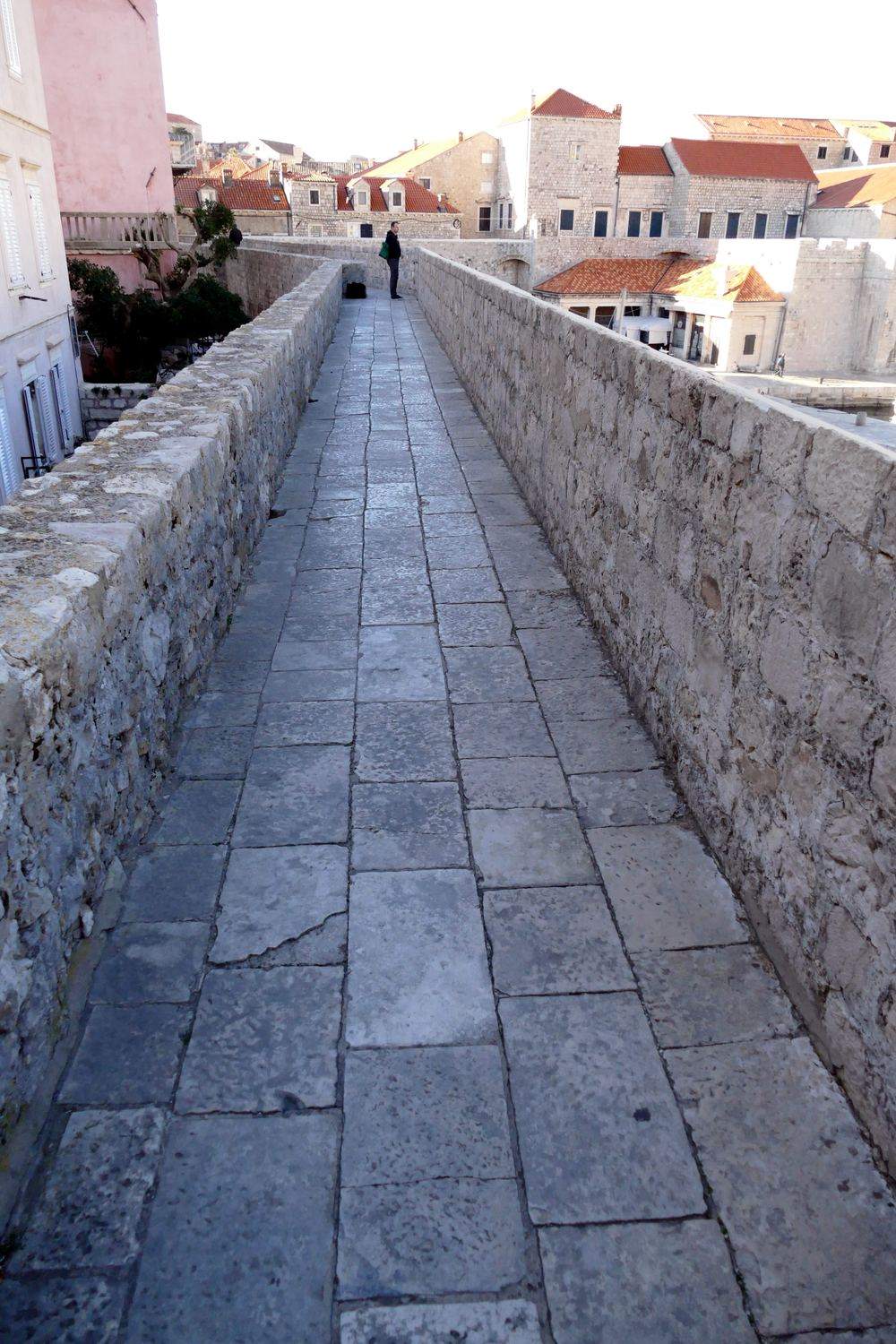
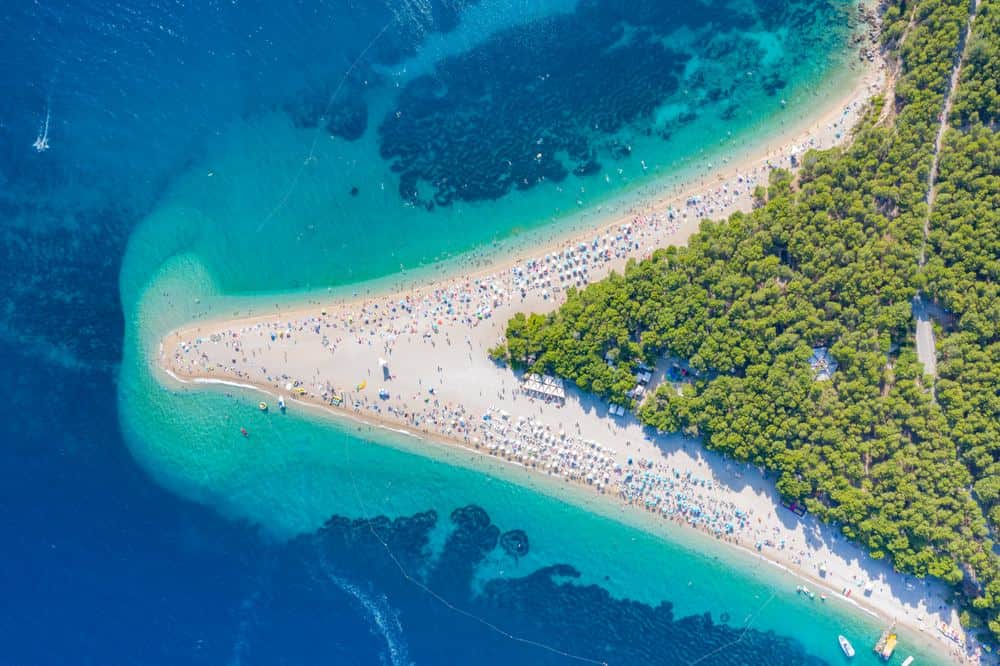
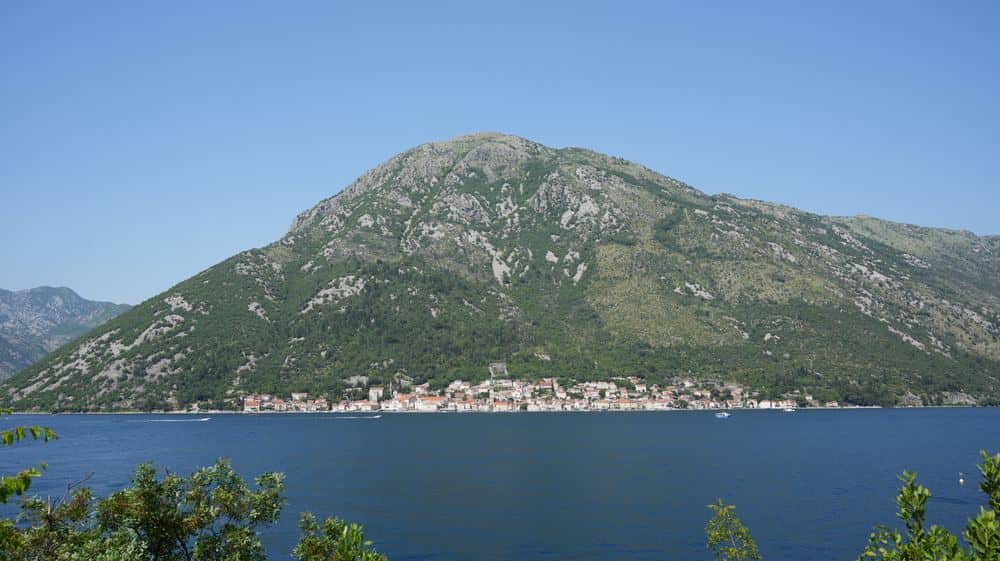
Hidden is a relative word in a country with 20 million visitors a year. The 25 places below are not secret, most have a car park and a konoba, but they are the ones Croatians drive to on a Sunday and the ones that do not appear on a cruise itinerary. They are grouped by region, north to south, so you can pick the ones near your base. Every one of them has a full page on Croatia Atlas with directions, opening times and prices where they apply.
Istria and Kvarner
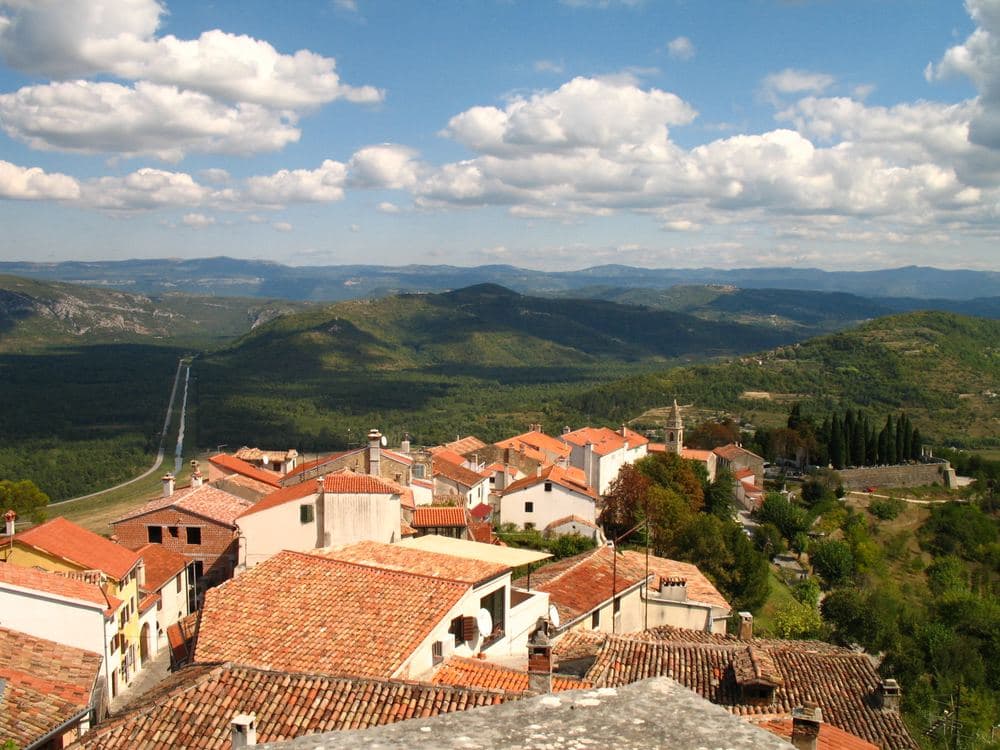
- Motovun's ramparts and the Mirna truffle forest: a hill town of 500 people above the valley where the white truffle is dug from October; walk the walls at dusk and eat in Livade below.
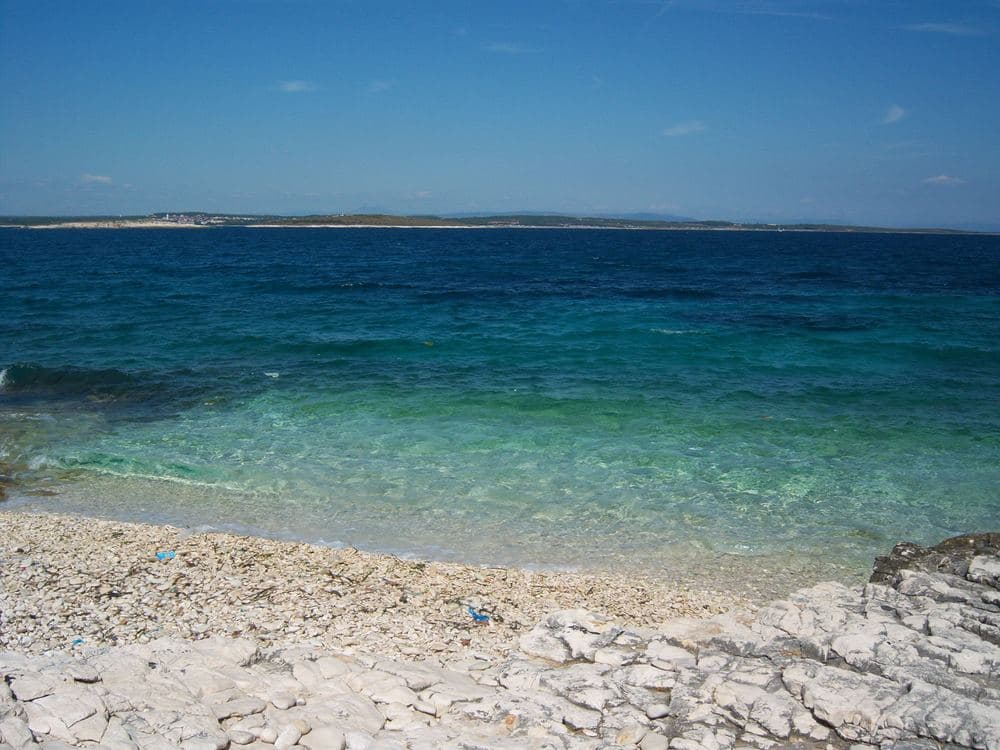
- Savudrija lighthouse near Umag, the oldest on the Adriatic from 1818, with flat rock swimming and Slovenia in view across the bay.
- Kamenjak at the tip of Istria near Medulin: 30 km of coast in a nature park, cliff jumping at the safari bar, dinosaur footprints in the rock, 8 euro per car.
- Valsaline bay in Pula, the locals' beach 10 minutes from the Arena that the tour buses never find.
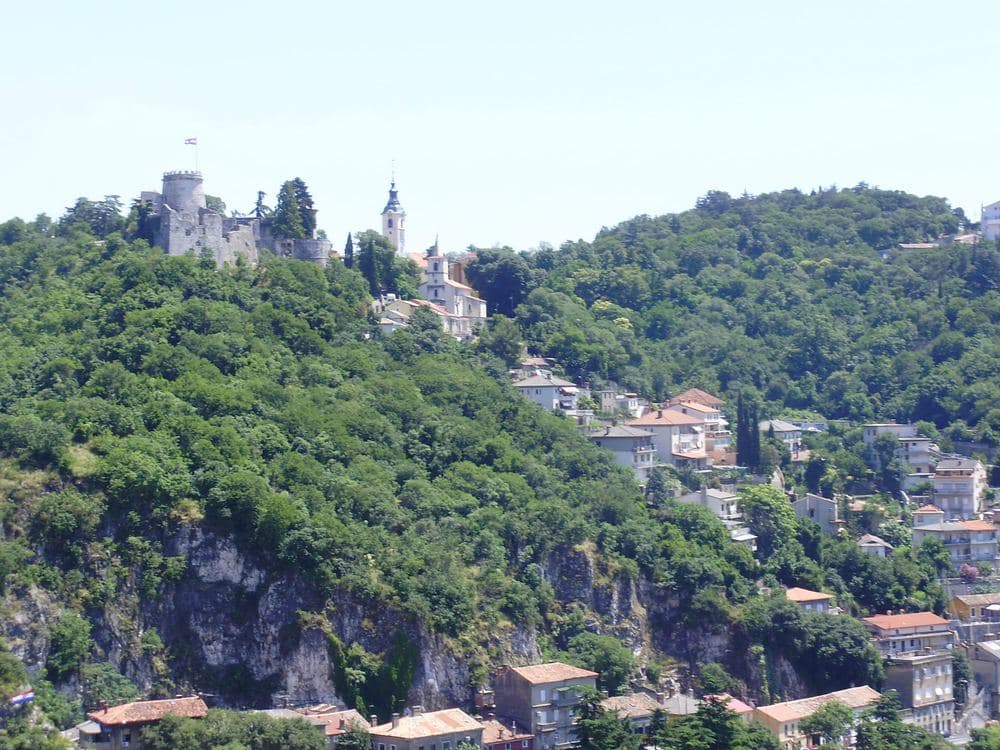
- Rijeka's Trsat stairs: 561 steps from the old town up to the castle and the pilgrimage church, with the whole Kvarner bay opening behind you.
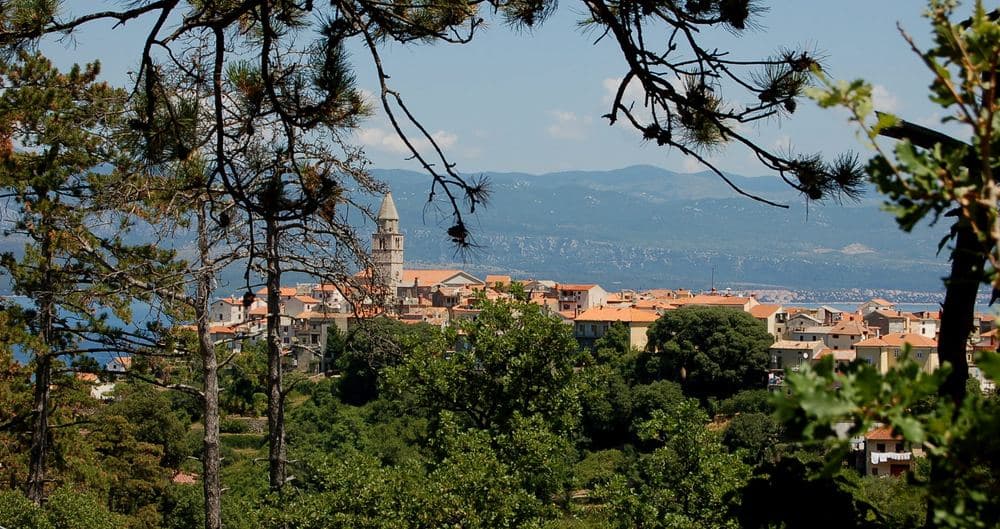
- Vrbnik on Krk: a village on a 50 m cliff with the narrowest street in Croatia and the Žlahtina white wine that grows only in the field below.
- Biserujka cave near Rudine on Krk, a 20-minute guided walk through a small karst cave with a constant 13 degrees, the cheapest cool afternoon on the island.
- Rab town's four bell towers seen from the Komrčar park at sunset, and the sand beaches of Lopar on the north tip, rare on the Adriatic.
Zadar region and the Velebit
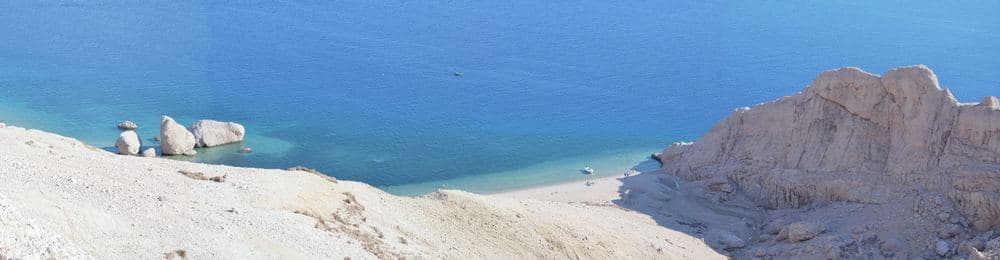
- Beritnica beach on Pag: three rock pillars in the sea, reached by a 40-minute walk over bare karst from Metajna; no shade, no bar, bring 2 litres of water.
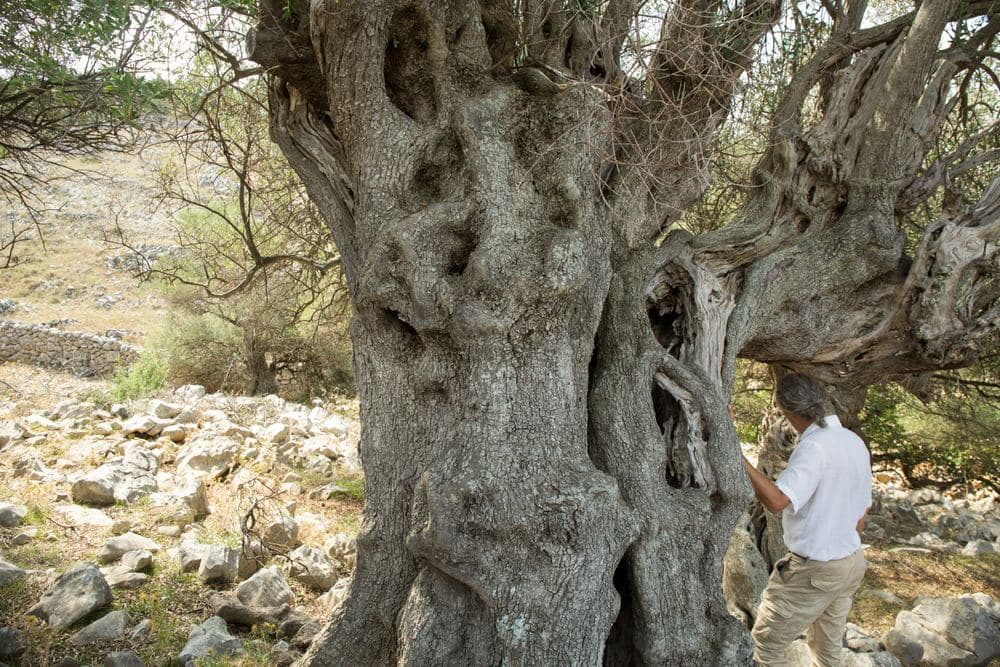
- Lun on the north tip of Pag: an olive grove of 80,000 wild trees, some 1,500 years old, with a walking path and a village that sees more goats than tourists.
- Nin, the Roman salt town near Zadar: the smallest cathedral in the world, salt pans you can walk through, and the shallow Queen's beach with healing mud.
- Ugljan by public ferry from Zadar: 25 minutes for a few euro, then a bike or bus to the Preko beaches and the fort of St Michael with the best view of the archipelago.
- Prošćansko jezero, the highest lake at Plitvice: 68 hectares of water that most visitors never reach because the boardwalk crowd turns back at the upper lakes.
- Karlovac's star fortress and the four rivers: a Renaissance town plan you can read from the air, a river beach in the city and the Aquatika freshwater aquarium.
Šibenik and Split region
- Zlarin by ferry from Šibenik: no cars on the island, coral divers' houses, one beach after another along a pine path, back for dinner in the city.
- Primošten's Babić vineyards: dry-stone walls dividing the hillside into thousands of stone honeycombs, visible from the road above and best walked in the evening.
- The hidden corners of Diocletian's Palace in Split: the Jupiter temple, the vestibule singers at noon, the courtyards north of the Peristyle where people still hang washing.
- Omiš and the Cetina canyon: a pirate town wedged into a gorge 25 km from Split, with river restaurants at Radmanove mlinice and the fortress climb above the roofs.
- Brela's stone promenade under the pines and the upper village of Gornja Brela, where the Makarska riviera keeps its old houses and its silence.
- Biokovo above Makarska: a road to 1,762 m and a glass skywalk over the coast, with the temperature 15 degrees below the beach.
- Hvar without the party: the Stari Grad plain, a UNESCO field system laid out by Greek settlers 2,400 years ago, and the villages of the interior.
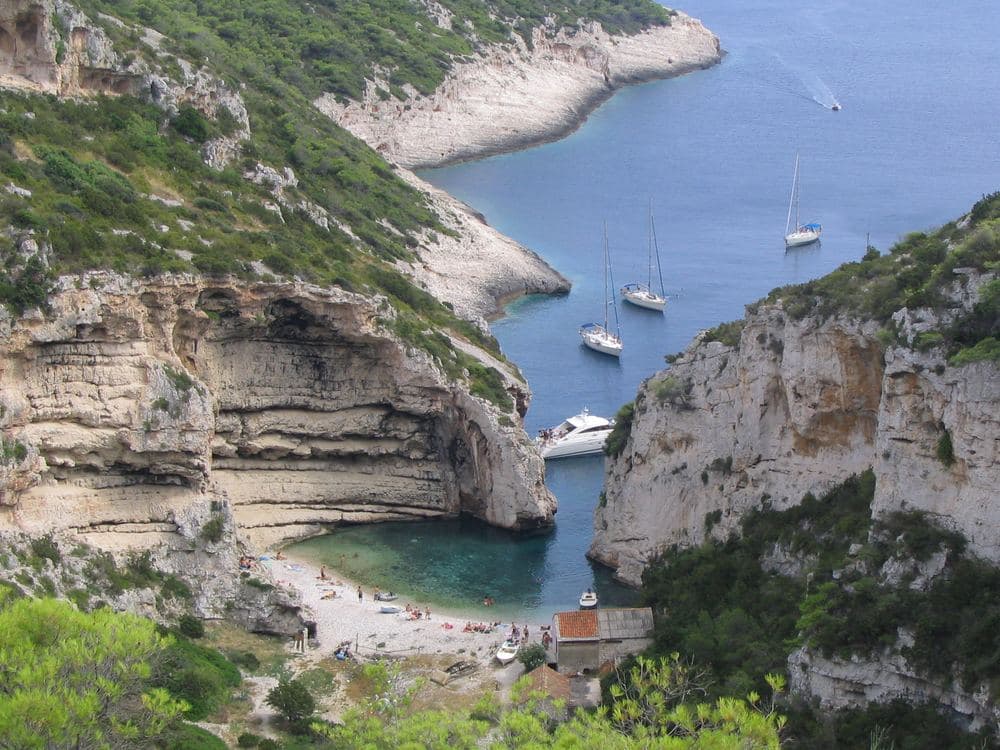
- Vis, the island that was a military base until 1989: Komiža's fishing harbour, the Stiniva cove between two cliffs, Fort George above the ferry port.
South Dalmatia
- Korčula's Lumbarda: sand beaches and the Grk white wine grown on them, 6 km from the fishbone old town.
- Dubrovnik's beaches beyond Banje: Sveti Jakov below the cliff road, the rocks at Buža outside the walls, and Lokrum's swimming ledges 15 minutes by boat.
- Cavtat, the quiet town 20 minutes south of Dubrovnik: Meštrović's mausoleum on the hill, the painter Bukovac's house, and a bay to swim in before the city crowds wake.
- Rijeka's hidden gems outside the centre, for the one city on this list that is not a resort: the Peek and Poke computer museum, the Kantrida coast and the Kozala cemetery on its hill.
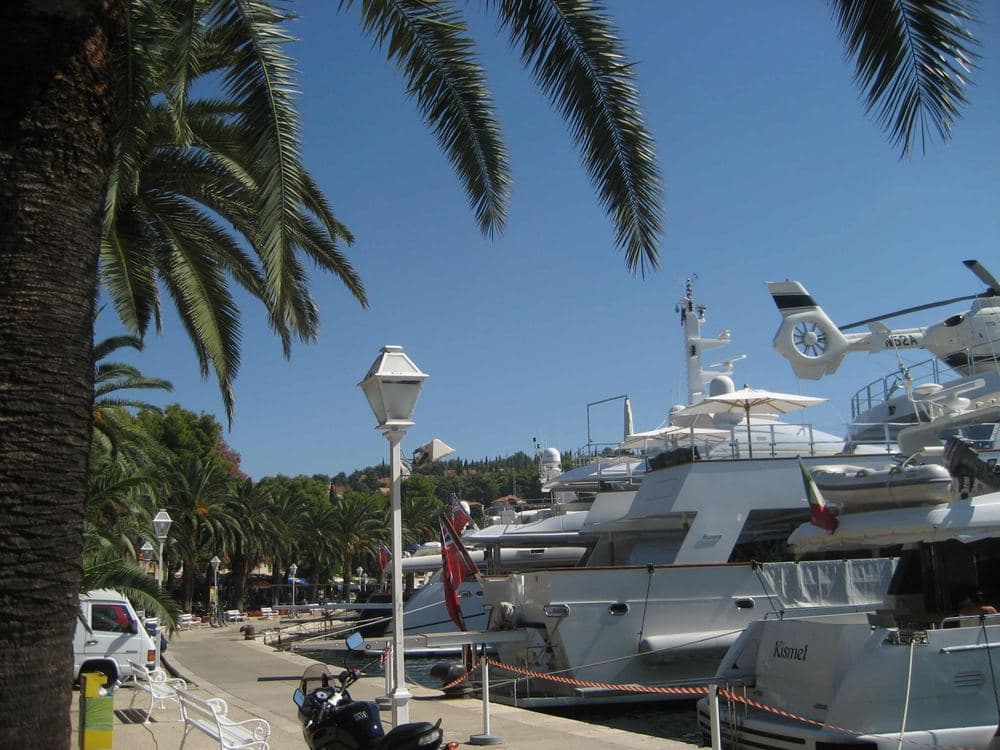
The pattern is simple: every famous place in Croatia has a quieter version within 30 minutes. Dubrovnik has Cavtat, Split has Trogir's back streets and Omiš, Hvar town has Stari Grad, Plitvice has Prošćansko, Zlatni rat has Lopar and Lumbarda. Use the public ferries, which cost a few euro and carry you where the tour boats do not go, and go in May, June, September or October, when the water is warm and the car parks are half empty.
Slavonia and the north, where nobody goes
The east of the country gets fewer foreign visitors in a year than Dubrovnik gets in a week, and it has the food. Osijek's Tvrđa is a baroque fortress town with a riverside promenade and fish stew that takes 3 hours to cook; Đakovo has the red-brick cathedral and the Lipizzaner stud; Ilok, on the Danube at the eastern tip, has wine cellars from 1450 where the Traminac is still poured for visitors; Kopački rit is a floodplain nature park with boat trips among herons and deer. Varaždin, 80 km north of Zagreb, is the baroque capital with a castle, a Spancirfest street festival in late August and a cemetery of clipped trees that is a park in itself. None of it costs more than 10 euro to enter.
Getting to the islands on this list for a few euro
| Island | From | Time | Fare |
|---|---|---|---|
| Ugljan | Zadar | 25 min | about 4 euro |
| Zlarin | Šibenik | 30 min | about 5 euro |
| Vis | Split | 2 h 20 by ferry, 1 h 30 by catamaran | about 9 euro ferry, 15 to 20 catamaran |
| Rab | Stinica on the mainland or Valbiska on Krk | 15 min or 1 h 30 | 4 to 8 euro |
| Korčula | Orebić on Pelješac | 15 min | about 3 euro |
| Lokrum | Dubrovnik Old Port | 15 min | under 30 euro return incl. reserve fee |
- Village etiquette: park where the sign says, not on the stone quay; greet people with dobar dan; and if a konoba has no printed menu, ask the price of fish per kilo before ordering.
- Sea urchins live on the rocks at every one of these beaches; water shoes cost 10 euro at any Tisak or supermarket.
- Bura days, when the north wind blows, close the small island ferries and empty the beaches; they are the days for Motovun, Karlovac, Zagreb and the inland list.
Frequently asked questions
- What are the real hidden gems in Croatia?
- Places Croatians visit on weekends: Vrbnik on Krk, Beritnica on Pag, Nin, Prošćansko at Plitvice, Zlarin, Vis, Cavtat and the villages behind every famous resort.
- Which Croatian island is least touristy?
- Of the reachable ones, Vis: a military zone until 1989, 2 hours 20 by ferry from Split, with Komiža and the Stiniva cove. Zlarin and Ugljan are quiet day trips by public ferry.
- When is the best time to visit these places?
- May, June, September and October: warm sea, open konobas, half-empty car parks and ferries that still run several times a day.
Official sources
Make Croatia Atlas a preferred source
One click and Google shows you our stories more often in Top Stories and in AI answers. It changes your own results only.