Diocletian's Palace is not a museum district, it is a living old town. This route connects Roman stone, daily life, quiet lanes and the best exit toward Marjan.
Checked: 19 September 2026
Split is easy to undersell because the palace is everywhere. You can stand in a Roman corridor, hear someone carrying groceries above you, then step into a square where a singer is warming up for the evening. The trick is to stop treating Diocletian's Palace as one attraction and start reading it as layers: imperial rooms, medieval homes, café life and shortcuts locals still use.
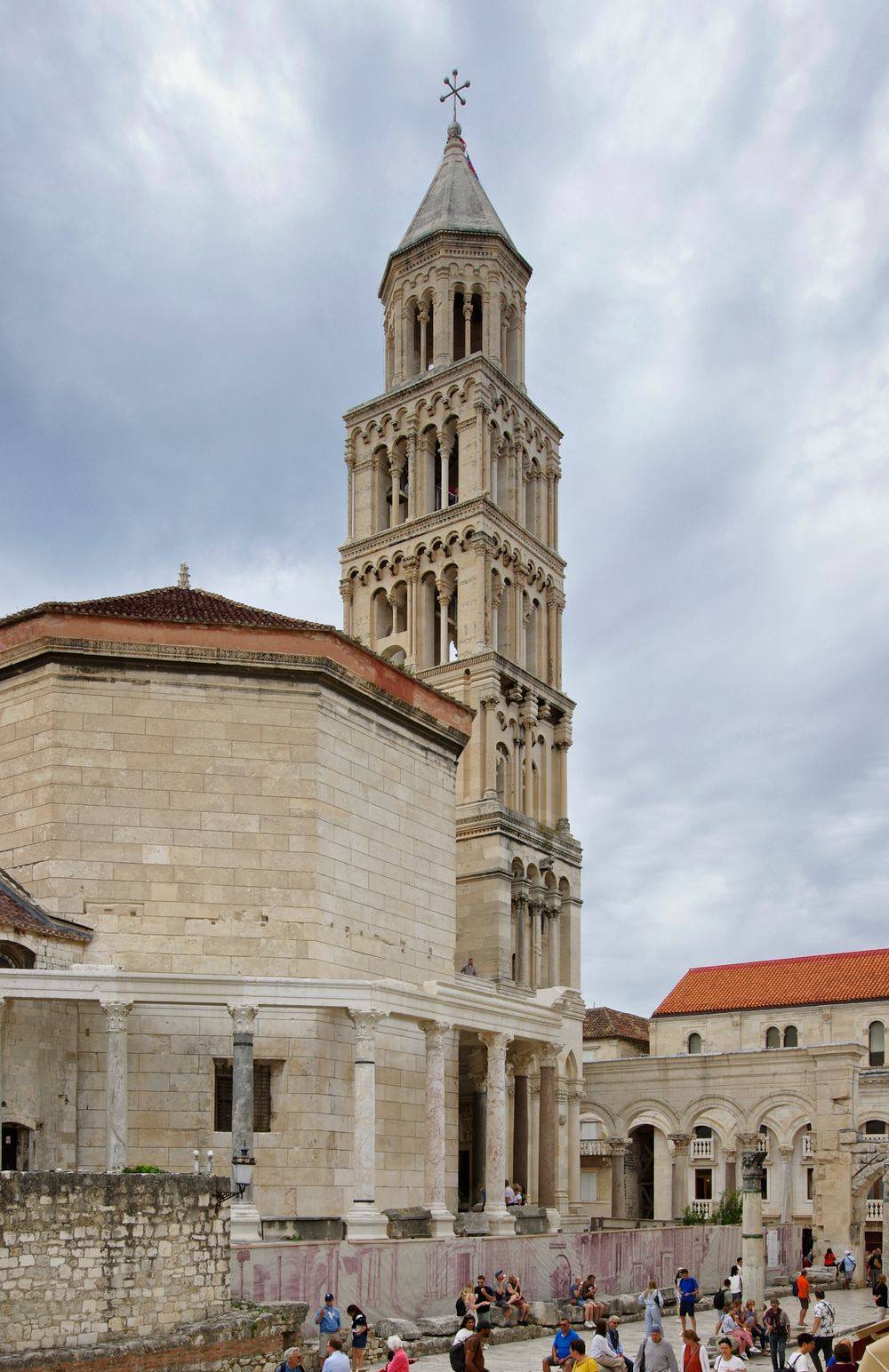
Start under the palace, then climb into the light
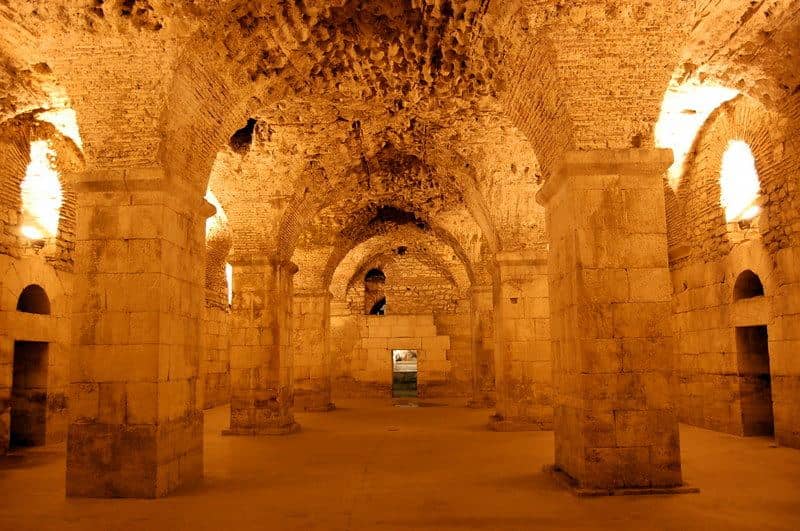
Begin in the substructures if they are open. They explain the scale of the palace better than any signboard, because the stone rooms mirror the emperor's apartments above. From there, move to the Peristyle and the Cathedral of Saint Domnius before the square gets packed. Look up at balconies, laundry lines and patched stone. The living details are what make Split different from a preserved ruin.
The best palace loop
- South gate to substructures, then Peristyle before the heaviest groups arrive.
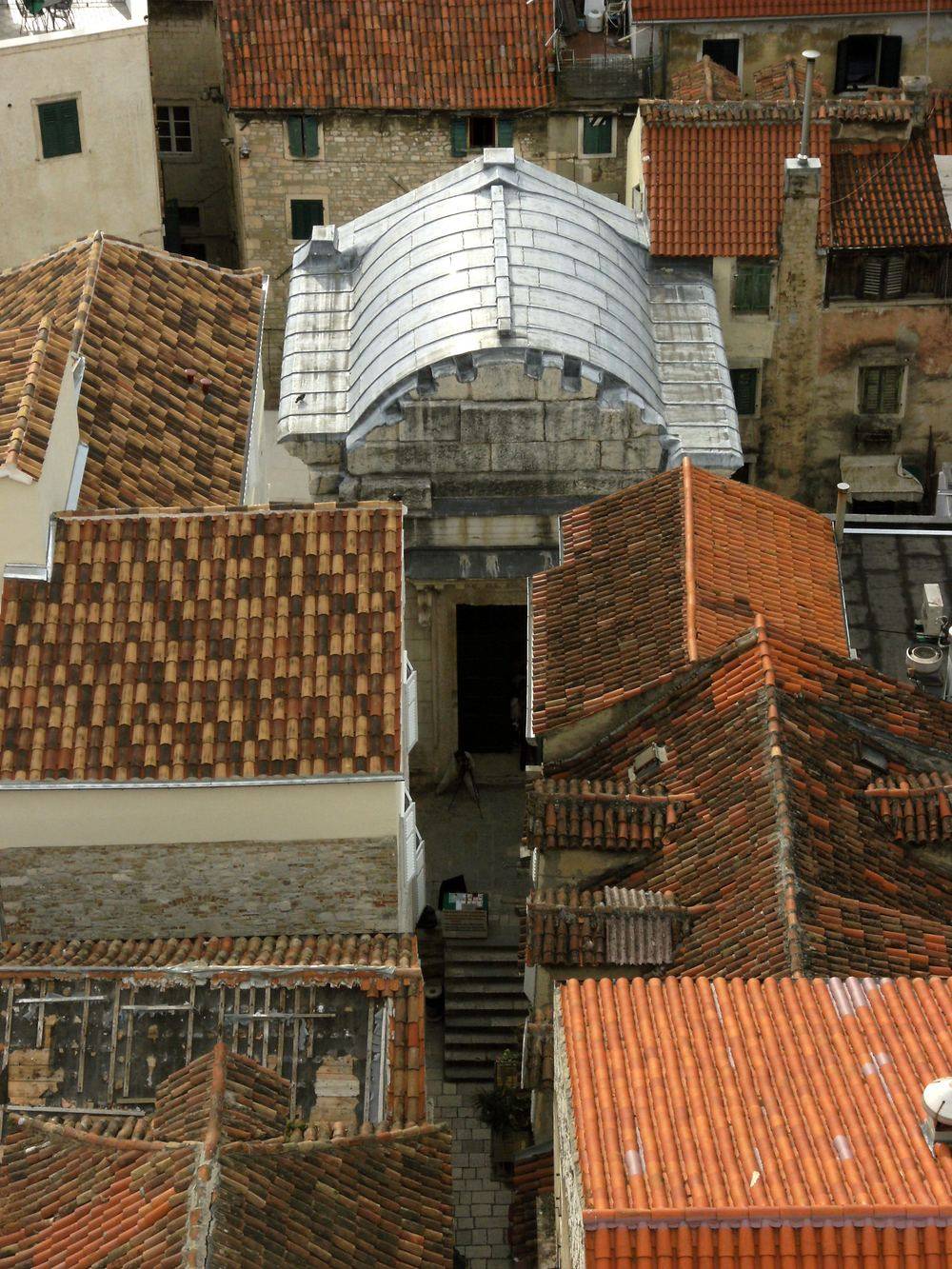
- Temple of Jupiter and the narrow lanes west of the square, where the city becomes quieter.
- Golden Gate and Gregory of Nin for orientation, not just a statue photo.
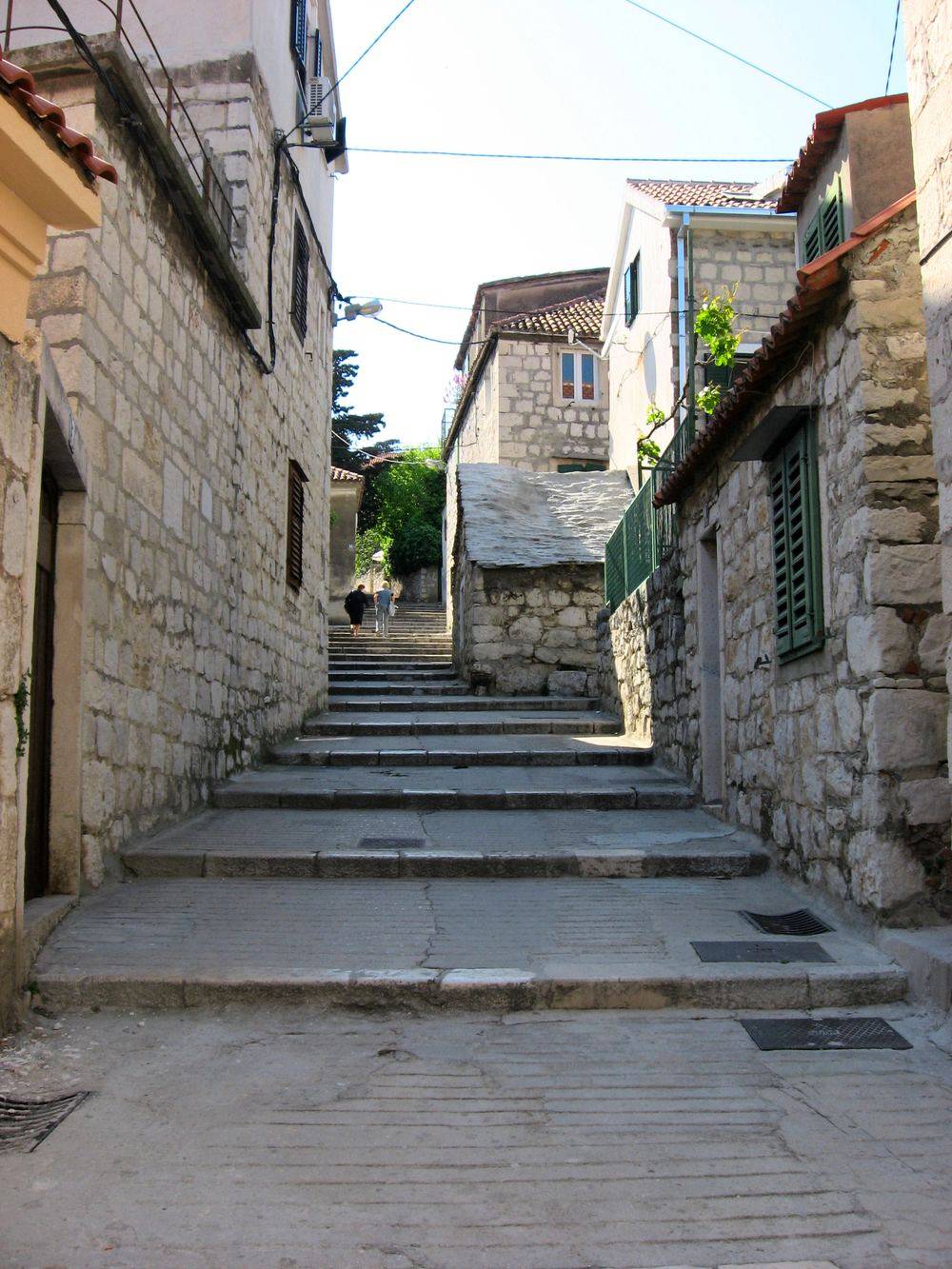
- Varoš after lunch, when palace lanes feel busier and the hill pulls air through the streets.
“Split is at its best when you let the Roman plan lead you, then let local life interrupt it.”
How to avoid palace fatigue
- Alternate enclosed stone rooms with open squares. The palace feels richer when your eyes get space between stops.
- Save one paid interior for when the streets are busiest. It gives purpose to the peak crowd hour.
- Do not eat on the first beautiful square you see. Walk one lane farther and compare the rhythm.
- Use Varoš as a decompression zone after the palace, not as an afterthought at the end.
A strong Split visit should leave you with two memories at once: the scale of Roman ambition and the messiness of a neighborhood still being used. When one side starts to dominate, switch pace. Too much history needs a coffee. Too much café life needs a stone corridor. The city becomes clearer through that back and forth.
Read the palace like a living city
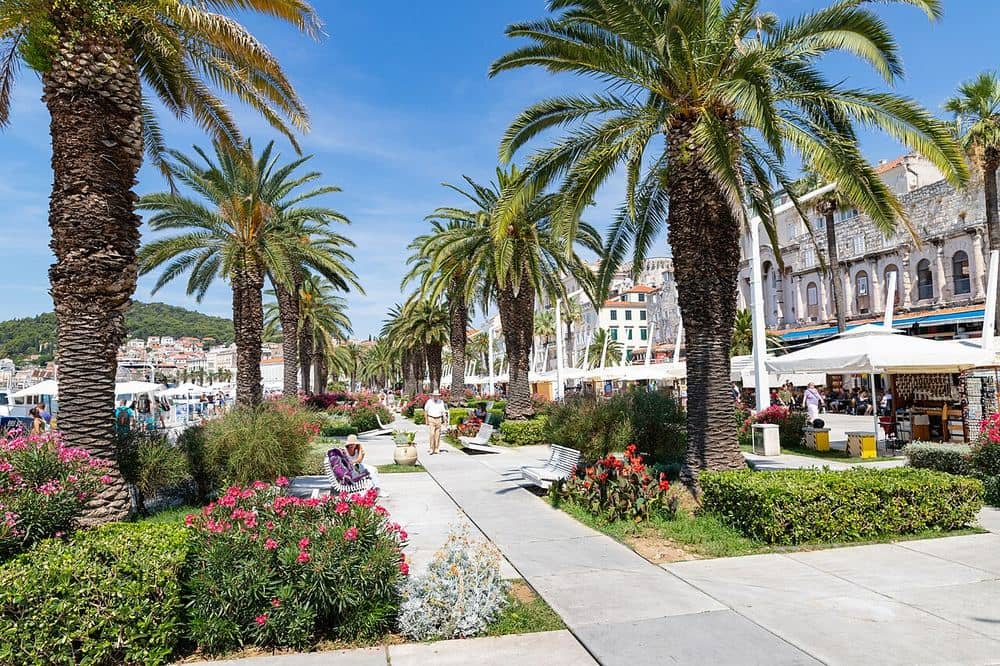
The biggest mistake in Split is looking for one entrance, one route and one final photo. Diocletian's Palace works more like a neighborhood than a monument. The Roman plan gives the frame, but the best details sit where later centuries pressed themselves into that frame: laundry above stone arches, tiny chapels, apartment doors, cats in the shade and café chairs placed exactly where an emperor's geometry becomes daily life.
Hidden corners worth slowing for
- Vestibule: stand still for a minute and listen. The circular space turns small sounds into architecture.
- Golden Gate and Gregory of Nin: go early, before the statue becomes a queue for luck photos.
- Varoš: leave the palace westward and let the lanes become domestic. This is the quickest way to feel Split breathe.
- Matejuška: end with boats and stone benches instead of another square. It resets the eye after the palace.
Best timing inside the palace
Use the palace in two passes. First pass: early, direct, architectural. Peristyle, substructures, Cathedral, Vestibule. Second pass: later, slower, human. Pjaca, Varoš, side lanes, coffee, small shops and the waterfront. Splitting the visit stops the palace from becoming one long stone corridor and gives the city room to surprise you.
Connect it to the app map
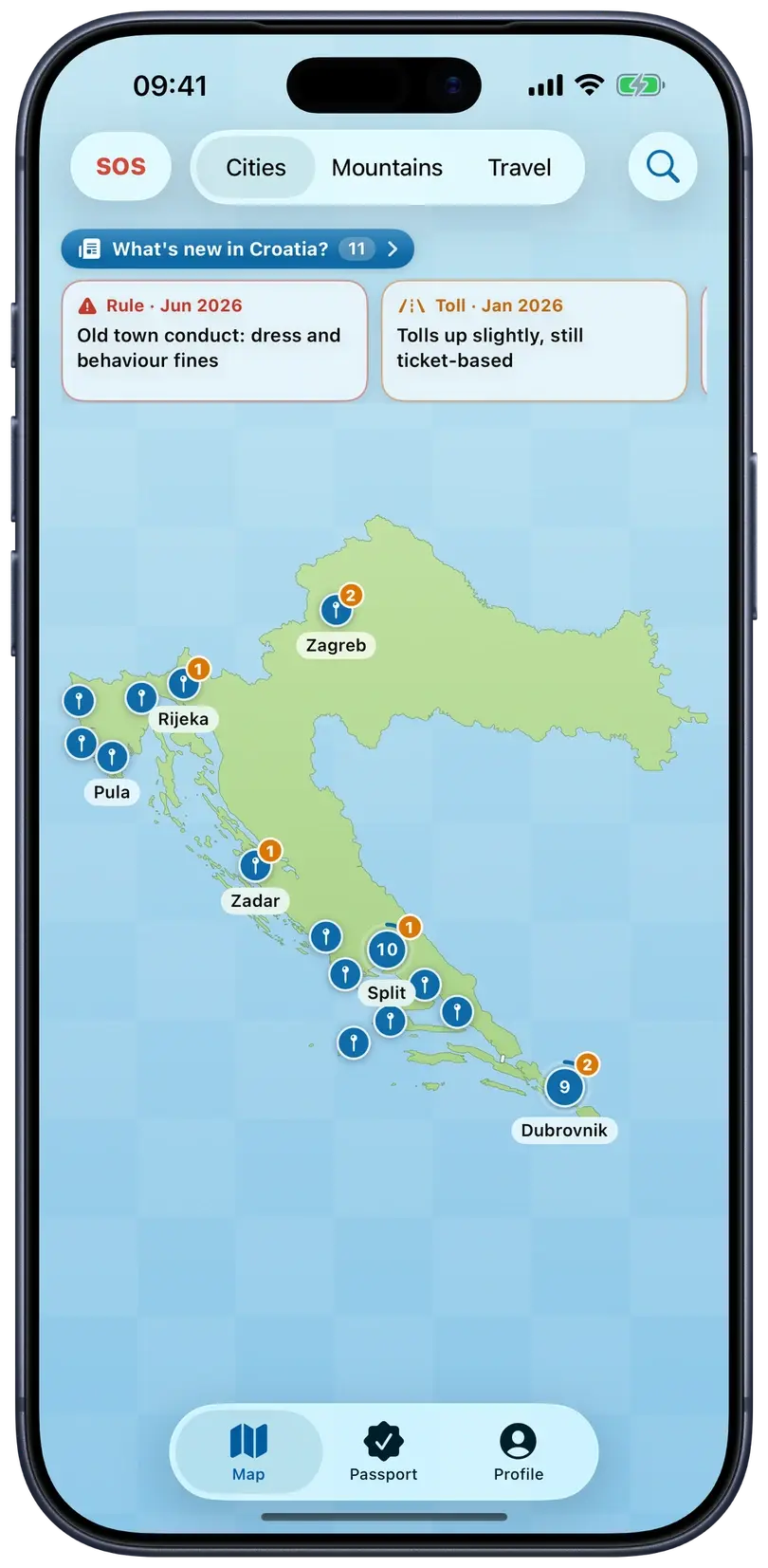
In CroVenture, treat the palace as a compact quest rather than a list. Unlock the Cathedral, Peristyle, substructures and Varoš in one walk, then save Marjan for the moment your head needs air. Split rewards that switch: stone density first, pine shade second, sea edge last.
How to avoid the palace becoming a maze
The Palace is dense enough that a visitor can walk for an hour and still feel as if nothing has connected. Use four anchors: the Riva or Brass Gate for the sea edge, Peristyle for the ceremonial center, Golden Gate for the northern exit and Pjaca for the city that grew outside the Roman plan. When those anchors are clear, the small lanes stop feeling random and start feeling like discoveries between fixed points.
A good hidden-corners walk also respects that people live here. Look up, slow down and photograph details rather than doorways with residents in them. The best Split images are often not the obvious square, but the moment where stone, laundry, shadow and a passing local make the palace feel alive. That is the difference between ticking off a UNESCO site and understanding why Split still uses it every day.
Share this guide
Questions about your trip?