Dubrovnik, Split and Hvar reach 21 degrees in the afternoon, the sea holds 20 degrees until mid-October, Zagreb has foggy 8-degree mornings and Plitvice is close to frost by the end of the month. The DHMZ averages for nine places, the sea temperature by week, what a jugo storm does to ferries, what is open and what to pack.
Checked: 15 September 2026
October is the month when Croatia stops being a beach country and becomes a mild, half-empty Mediterranean one. The sea along the Dalmatian coast is still around 20 degrees at the start of the month, the afternoons reach 20 to 22 degrees from Zadar to Dubrovnik, and the crowds of August are gone. It is also the month when the first proper Adriatic storms arrive, the clocks go back and half the catamaran lines stop. This guide gives the numbers city by city, the sea temperature week by week, and what each of them means for a trip planned from the United States, the United Kingdom, Canada or Australia.
The figures below are the long-term averages of the Croatian meteorological service DHMZ for the 1991 to 2020 period, rounded to whole degrees. A single October can sit two degrees above or below them. The last ten Octobers have mostly been warmer than the average, with 2023 and 2024 both bringing swimming weather into the third week.
Temperatures by city: the table
| City | Day high | Night low | Sea early October | Sea late October | Rain days | Sunshine per day |
|---|---|---|---|---|---|---|
| Dubrovnik | 21 °C | 14 °C | 21 °C | 18 °C | 10 | 6 h |
| Split | 21 °C | 13 °C | 20 °C | 18 °C | 9 | 6 h |
| Hvar | 21 °C | 14 °C | 21 °C | 18 °C | 8 | 6.5 h |
| Zadar | 20 °C | 12 °C | 20 °C | 17 °C | 9 | 5.5 h |
| Šibenik | 21 °C | 12 °C | 20 °C | 17 °C | 9 | 6 h |
| Pula and Rovinj | 19 °C | 11 °C | 19 °C | 16 °C | 9 | 5 h |
| Rijeka and Opatija | 18 °C | 11 °C | 19 °C | 16 °C | 11 | 4.5 h |
| Zagreb | 16 °C | 8 °C | no sea | no sea | 9 | 4 h |
| Plitvice Lakes | 14 °C | 5 °C | no sea | no sea | 11 | 4 h |
Read the table from south to north and from the coast inland. Dubrovnik, Hvar and Split are the warmest places in the country in October, and the difference between them is within a degree. Zadar and Šibenik are half a degree behind. Istria and the Kvarner bay are two to three degrees cooler and clearly wetter, because the rain that comes in from the south stalls against the mountains behind Rijeka. Zagreb has pleasant days and cold, often foggy mornings, and Plitvice already has nights close to freezing by the end of the month.
Early October and late October are two different months
The single most useful thing to know is that October is not one block. The first ten days are usually a continuation of September: sea at 21 degrees, afternoons at 22 to 24, evenings warm enough for dinner outside with a light layer. Between the 10th and the 20th the first south wind, the jugo, tends to bring two or three grey days with heavy rain, and the sea loses a degree with each storm. After the clocks go back on the last Sunday of October, which in 2026 is 25 October, the sun sets in Dubrovnik at about ten past five and the evenings feel like November even when the afternoon was warm.
- 1 to 10 October: swimming is normal for locals, beach bars in Split, Hvar and Dubrovnik are still open, and you can plan a boat day.
- 11 to 20 October: swimming is for the determined, but walking, cycling, national parks and wine villages are at their best, with 18 to 22 degrees and soft light.
- 21 to 31 October: pack a proper jacket for the evenings, expect one wet spell, and enjoy old towns that belong to their residents again.
The sea: where you can still swim
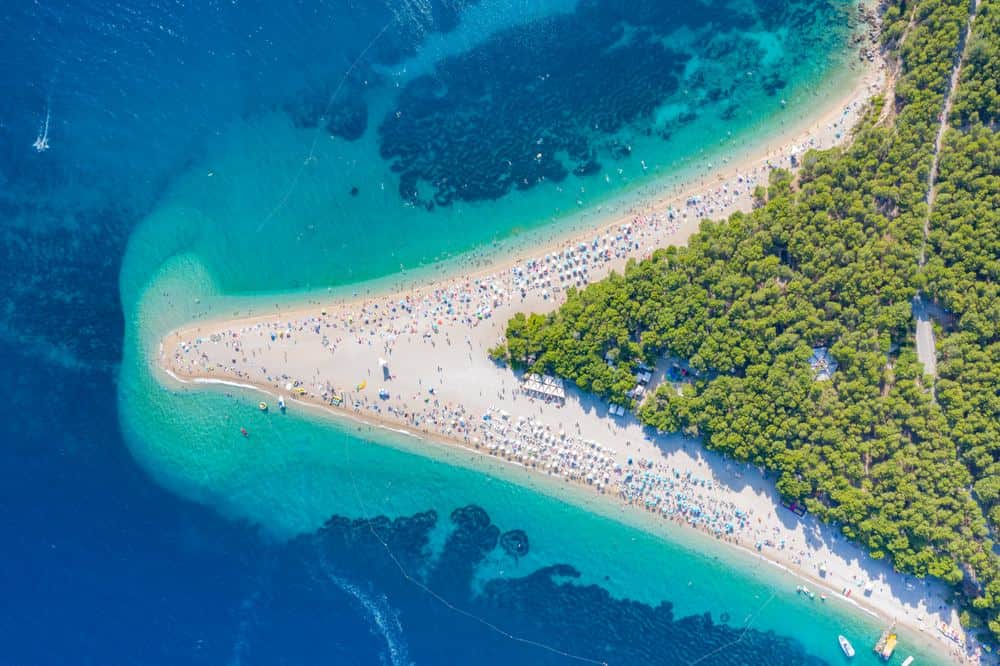
The Adriatic cools slowly because it is deep and enclosed. Along the islands and the southern coast it stays at 20 to 21 degrees until roughly mid-October, which is warmer than the sea at Cornwall or Cape Cod in August. The shallow, north-facing bays cool faster than the open coast: Zlatni rat in Bol and the beaches of Hvar keep their temperature longest, while the coves around Rijeka and Pula drop below 18 degrees a week or two earlier. For most visitors from the UK and the US the honest answer is: swimming is comfortable until about 15 October in Dalmatia, refreshing until the end of the month, and over in Istria by the 20th.
| Week | Sea | Feels like |
|---|---|---|
| 1 to 7 October | 21 °C | Warm, long swims |
| 8 to 14 October | 20 °C | Comfortable in the afternoon sun |
| 15 to 21 October | 19 °C | Short swims, towel and sun needed |
| 22 to 31 October | 18 °C | Cold-water swimmers only |
Rain, bura and jugo: what an October storm looks like
October rain on the Adriatic comes in fronts, not drizzle. A jugo day means a warm, humid wind from the south-east, a grey sky and rain that can deliver 50 millimetres in an afternoon, then it clears for four or five bright days. Dubrovnik averages 10 rain days and about 110 millimetres in October, Split 9 days and 80 millimetres, Rijeka 11 days and 170 millimetres. The bura is the opposite wind: cold, dry, from the north-east, blowing down from the Velebit mountains. It brings the clearest skies of the year and can close the Krk bridge and the A1 motorway to high-sided vehicles for a few hours. Catamarans stay in port on strong jugo days, car ferries almost always run.
What this means in practice: never plan a fixed island transfer for the day before a flight in October. Keep one buffer night on the mainland, and if you have a ferry-dependent connection, book the earliest departure of the day, when the sea is usually calmest.
Dubrovnik, Split and Hvar in October, one paragraph each
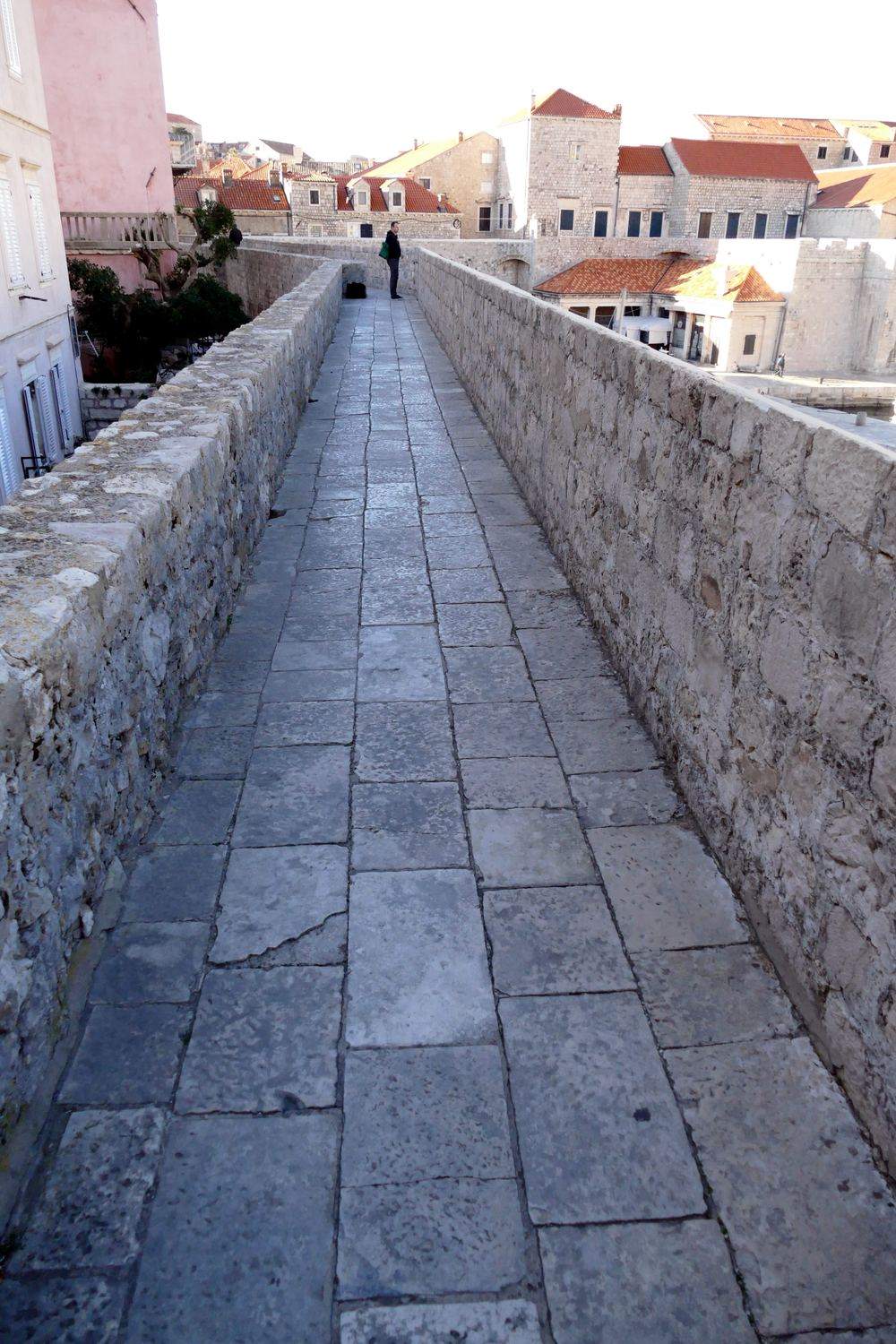
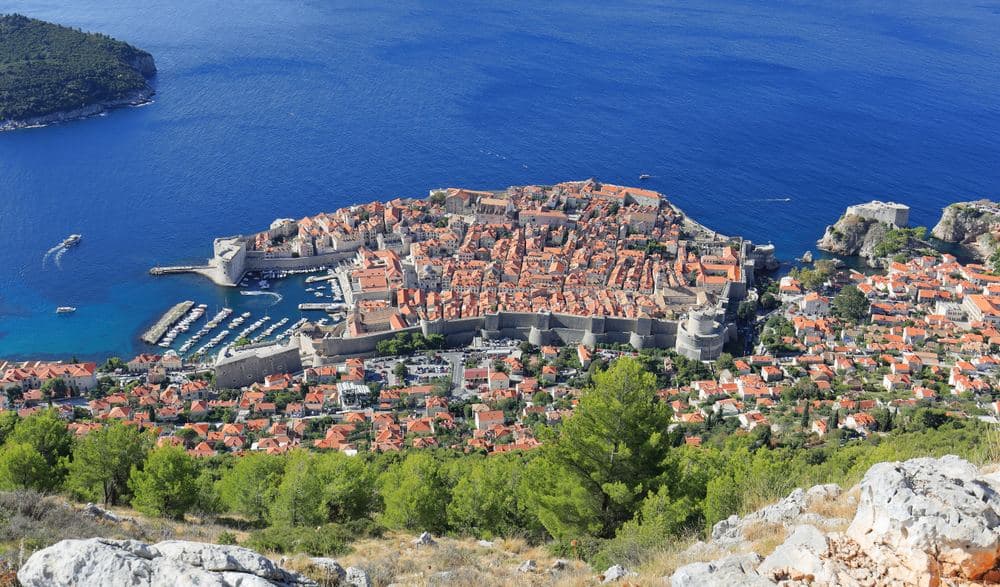
Dubrovnik in October keeps its cruise days, usually two or three ships on the busiest days of the first half of the month, but the walls, the cable car and Lokrum are open on full hours and the queues are half of September's. Evenings on the Stradun are quiet after nine. We have a separate guide to the city in October, linked below.
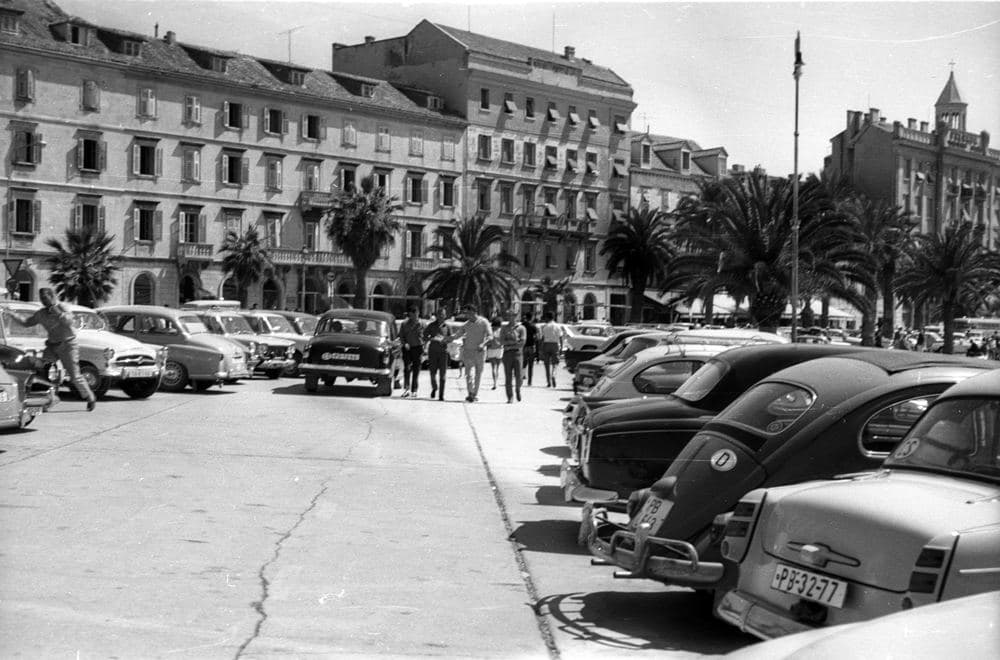
Split in October is a city again: the Riva is full of locals, the Green Market smells of mandarins from the Neretva valley, and Marjan hill is finally walkable at midday. Ferries to Brač and Hvar run on the reduced winter timetable from 28 September, which still means every hour or two to Supetar and three to five daily sailings to Hvar. Bačvice beach has swimmers until the last warm day.
Hvar in October is the sunniest place in the country by the statistics, with 6.5 hours of sun a day. The party crowd is gone, Hvar town's restaurants are open until the end of the month, Stari Grad and Jelsa are quiet, and the lavender fields have long been cut. The catamaran from Split still runs, the last Krilo sailing to Dubrovnik is on 31 October.
What is open and what closes
- Open all October: city walls in Dubrovnik (until 18:00), the Dubrovnik cable car (until about 19:00), Diocletian's Palace cellars, all museums, Plitvice and Krka with reduced prices, most restaurants in the big towns.
- Reduced from 28 September: Jadrolinija winter timetable on all island lines, fewer catamarans, lower fares on the state ferries.
- Ending in October: TP Line catamaran Split to Dubrovnik on 18 October, Krilo on 31 October, most boat tours in Split and Dubrovnik between 15 and 31 October, beach bars on the islands, the Lokrum boats at the end of the month.
- Closed in October: nothing that matters to a normal visitor. Zrće and the club beaches closed in September, some island campsites close on 15 October.
What to pack for Croatia in October
Pack for two seasons. Days on the coast want a t-shirt, sunglasses and sun cream, because the October sun at 42 degrees north is still strong at midday. Evenings want a sweater and a light rain jacket. If you are heading to Plitvice or Zagreb, add a warm layer and closed shoes: the boardwalks at the lakes are slippery after rain and the morning temperature can be five degrees. Swimwear comes along until at least mid-month. An umbrella is more useful than a heavy coat, because the storms are short and warm.
Is October a good month to visit Croatia?
For anyone who wants old towns, national parks, food, wine and a few swims rather than a beach holiday, it is the best month of the year, and prices for hotels are 30 to 40 percent below August. For a pure beach trip, choose the first ten days and the south. For a road trip from Zagreb to Dubrovnik, October gives empty roads and open restaurants, with the one condition that you plan around a wet day. Our guide to what changes in October, from ferries to national park prices, covers the practical side, and the autumn events calendar lists the wine, chestnut and truffle festivals that fill the month.
Frequently asked questions
- How warm is Croatia in October?
- On the Dalmatian coast the afternoons average 20 to 21 degrees Celsius in Dubrovnik, Split and Hvar, with nights at 13 to 14. Istria is about two degrees cooler, Zagreb has 16-degree days and 8-degree mornings, Plitvice 14 and 5.
- Can you swim in Croatia in October?
- Yes in the first half of the month. The sea is 20 to 21 degrees in southern Dalmatia until about 15 October and 18 degrees at the end of the month. Istria and Kvarner cool a week or two earlier.
- Does it rain a lot in Croatia in October?
- Dubrovnik averages 10 rain days and about 110 millimetres, Split 9 days and 80 millimetres, Rijeka 11 days and 170 millimetres. Rain comes in short south-wind fronts of one to three days, followed by clear spells.
- When do the clocks change in Croatia in 2026?
- On Sunday 25 October 2026, when the sunset in Dubrovnik moves from about six in the evening to ten past five.
Official sources
Make Croatia Atlas a preferred source
One click and Google shows you our stories more often in Top Stories and in AI answers. It changes your own results only.