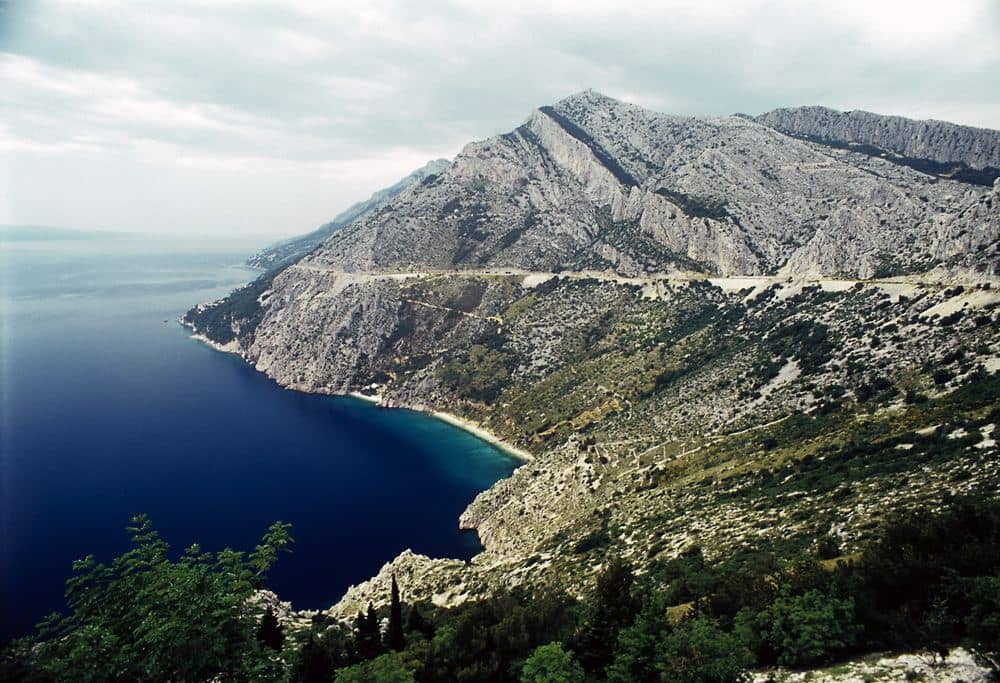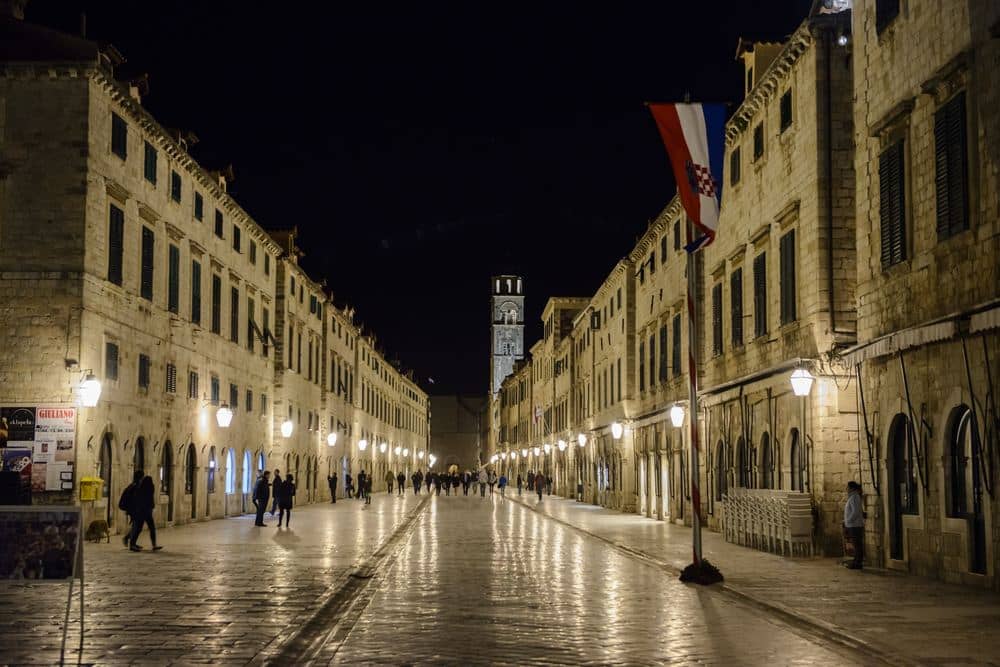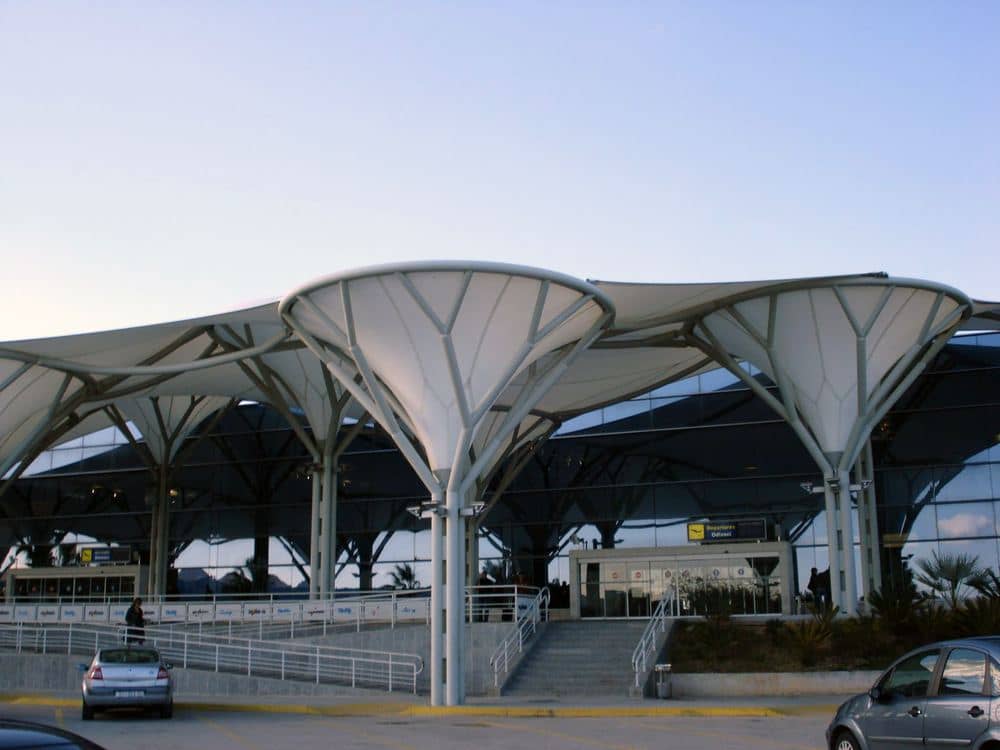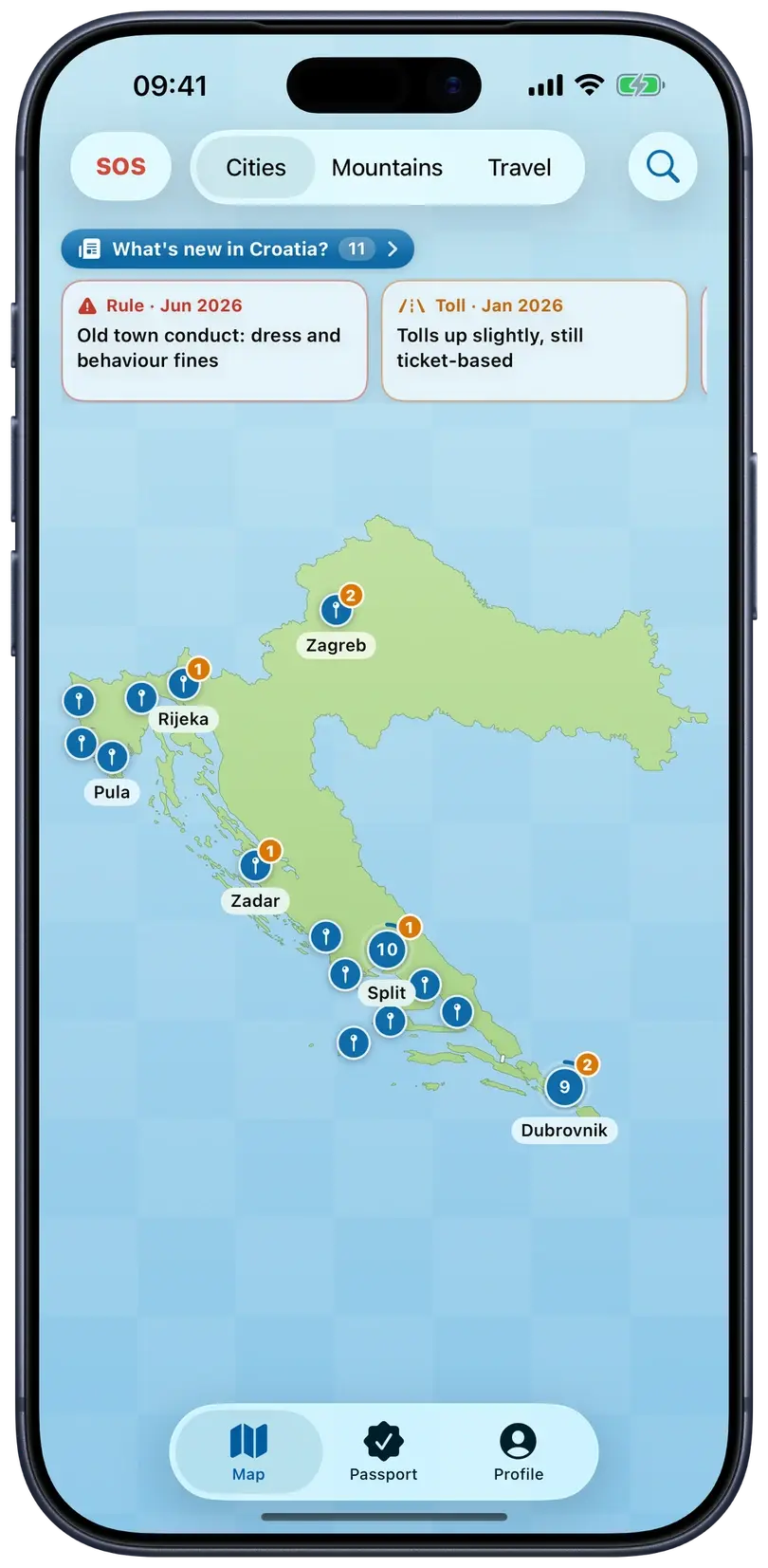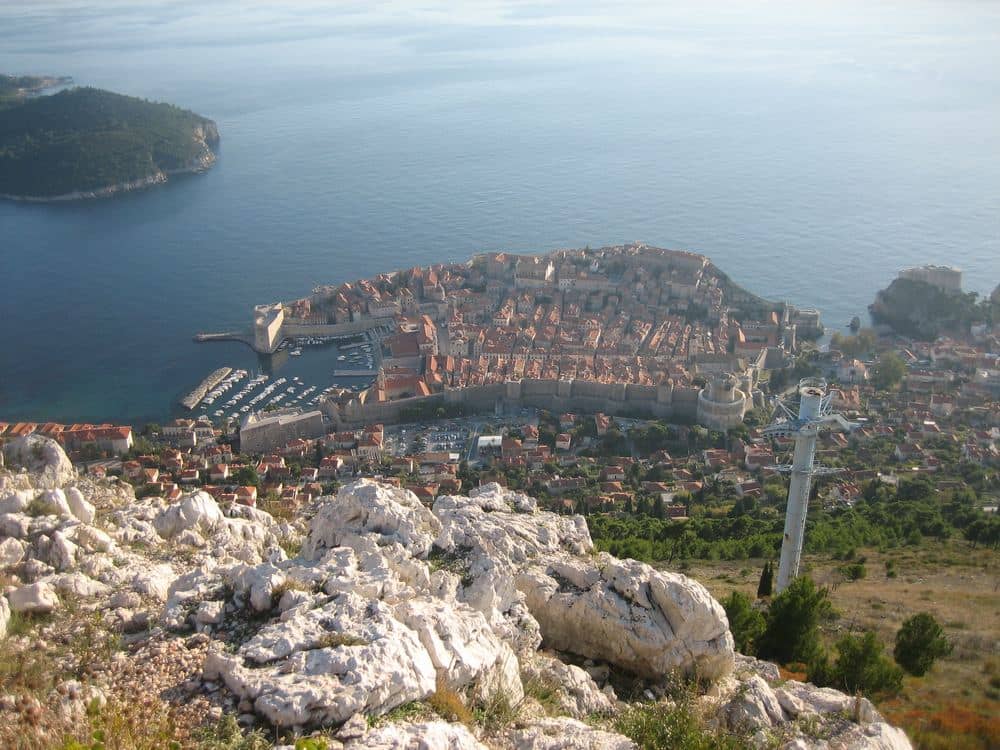
Dubrovnik and Hvar still reach 17 degrees in the afternoon and the sea holds 16 to 18 degrees, while Zagreb has frosty, foggy mornings and Plitvice nights around zero. The DHMZ averages for eight places, the sea temperature, what the bura and jugo do, the winter ferry timetables, the winter tyre rule from 15 November and what is on in November 2026.
Checked: 4 October 2026, 09:40
November is the month Croatia turns from a late-summer destination into a winter one. The southern coast still averages 17 degrees in the afternoon and a sea of 16 to 18 degrees, while Zagreb starts its days with frost and fog. It is the wettest month of the year in Dubrovnik, Split and Hvar, the sun sets before five, many island hotels close, and at the same time the capital has its busiest weeks indoors: a film festival, the Interliber book fair and, from 28 November, Advent. This guide gives the DHMZ averages for eight places, the sea temperature, what the bura and the jugo do, the ferries that actually run and what to pack.
The figures in the table are the climate normals of the Croatian Meteorological and Hydrological Service, DHMZ, for 1971 to 2000, from the station tables the service publishes online (DHMZ climate normals). They are the most recent DHMZ tables on the web that give daytime highs and night lows station by station, rounded here to whole degrees. Treat them as a slightly cool baseline: DHMZ's longer monthly series up to 2024 put the November mean at 14.1 °C in Dubrovnik and 6.0 °C at Zagreb Maksimir, against 13.3 and 5.0 °C in 1971 to 2000 (DHMZ monthly values).
Temperatures by city: the table
| Place (DHMZ station) | Day high | Night low | Sea | Rainfall | Rain days (1 mm or more) | Sunshine per day |
|---|---|---|---|---|---|---|
| Dubrovnik | 17 °C | 11 °C | 17 °C | 142 mm | 10 | 4.5 h |
| Hvar | 17 °C | 10 °C | 18 °C | 94 mm | 9 | 4.5 h |
| Split (Marjan) | 15 °C | 10 °C | 16 °C | 102 mm | 9 | 4.5 h |
| Zadar | 15 °C | 8 °C | 16 °C (1961–1990) | 106 mm | 9 | 4.1 h |
| Pula and Rovinj (Rovinj station) | 14 °C | 6 °C | 15 °C (1961–1990) | 98 mm | 8 | 3.6 h |
| Rijeka and Opatija (Rijeka station) | 13 °C | 7 °C | no station value | 182 mm | 10 | 3.7 h |
| Zagreb (Maksimir) | 9 °C | 1 °C | no sea | 80 mm | 8 | 2.1 h |
| Plitvice area (Gospić station) | 9 °C | 0 °C | no sea | 175 mm | 11 | 2.3 h |
The south is the mild end of the country. Dubrovnik and Hvar average 17 degrees in the afternoon and 10 to 11 at night, Split and Zadar 15, Rovinj and Rijeka 13 to 14. November is the wettest month of the year in Dubrovnik, Split, Hvar and Rovinj, and Rijeka, with 182 millimetres, is the wettest of the coastal stations in the table. Inland is a different season: Zagreb averages 11 nights below freezing and 9 days of fog, inland Istria around Pazin 12 frosty nights and 8 foggy days, and the Lika plateau around Plitvice has snow on the ground on six or seven days. Pula and Plitvice have no station table online, so the table uses Rovinj, about 30 kilometres north of Pula, and Gospić, on the same Lika plateau about 45 kilometres south of the lakes. The station sheets are public: Dubrovnik, Hvar, Split Marjan, Zadar, Rovinj, Pazin, Rijeka, Zagreb Maksimir and Gospić.
Short days and the first frosts
The clocks went back on 25 October, so November starts with short afternoons and they keep getting shorter. In Dubrovnik the sun sets at about 16:40 on 1 November and 16:15 on 30 November, in Zagreb at about 16:45 and 16:15, and daylight shrinks from just over ten hours to about nine. Plan sights, ferry crossings and mountain drives for the morning and early afternoon, and keep the evenings for the towns. On the coast that is all the adjustment you need: frost is almost unknown there, with zero to two nights below freezing in an average November from Rovinj to Dubrovnik.
November 2026, date by date
- 1 November (Sunday): All Saints' Day, a public holiday when families visit cemeteries, and the last day of the Zigante Truffle Days in Livade.
- 6 to 8 November: the Opatija Chocolate Festival on the Kvarner riviera.
- 9 to 15 November: the Zagreb Film Festival, and from 10 to 15 November Interliber, the book fair at the Zagreb Fair.
- 11 November (Wednesday): Martinje, when the young wine is blessed in the wine regions.
- 15 November (Sunday): winter equipment becomes compulsory on the designated winter roads until 15 April.
- 18 November (Wednesday): Remembrance Day, a public holiday centred on Vukovar.
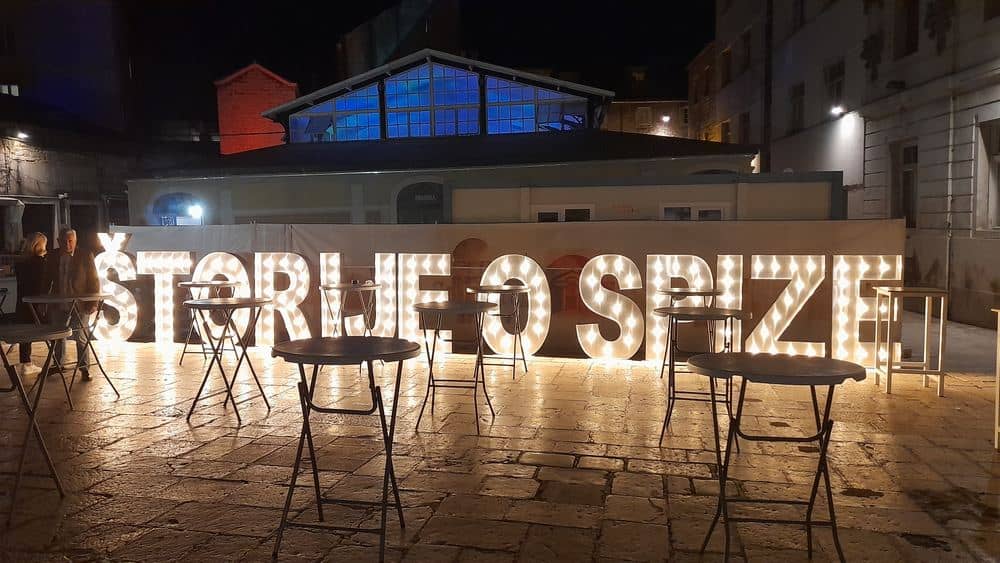
- 28 November (Saturday): Advent in Zagreb opens and runs to 7 January 2027, and the coastal cities open theirs around the same weekend.
The sea: can you still swim in November?
The Adriatic gives back its summer heat slowly, so in November the sea is still warmer than the nights but colder than most people want to swim in. The DHMZ coastal stations average 18 degrees at Hvar, 17 at Dubrovnik, 16 at Split and Zadar and 15 at Rovinj, about three degrees less than in October, and by December the water is down to 12 to 15 degrees. For most visitors that is cold-water swimming: a short dip on a calm, sunny afternoon in the south, not a beach day. Hvar keeps its warmth longest, Istria cools first.
| Station | October | November | December |
|---|---|---|---|
| Hvar | 20.6 °C | 18.0 °C | 15.3 °C |
| Dubrovnik | 19.5 °C | 16.6 °C | 14.7 °C |
| Split (Marjan) | 19.3 °C | 16.4 °C | 13.7 °C |
| Zadar (1961–1990) | 18.7 °C | 15.8 °C | 12.7 °C |
| Rovinj (1961–1990) | 18.6 °C | 15.3 °C | 12.1 °C |
If you want a swim anyway, go early in the month, pick a sheltered bay on a calm day and go in the early afternoon, the warmest hour. Our sea temperature page shows DHMZ's latest readings from the coastal stations, which say more about the week of your trip than any average.
Rain, bura and jugo: what a November storm looks like
Rain falls on 8 to 10 days at most coastal stations in November, so a week usually brings two or three wet days and several dry ones; Dubrovnik collects 142 millimetres in the month, Zagreb only 80, but with about 16 overcast days and fewer clear days than in any other month. The two winds decide what those days feel like. DHMZ describes both the bura and the jugo as more frequent and stronger in the cold half of the year (DHMZ, climate of Croatia). The bura is the cold, gusty north-easterly that falls off the coastal mountains and rules the northern Adriatic: clear skies, a wind chill that makes 12 degrees feel far colder, and the strongest gust ever measured in Croatia, 248 km/h at the Maslenica bridge on 21 December 1998. The jugo, the sirocco, is a steady, humid wind from the south-east, more frequent and stronger in central and southern Dalmatia, with low cloud, rain and a rough sea.
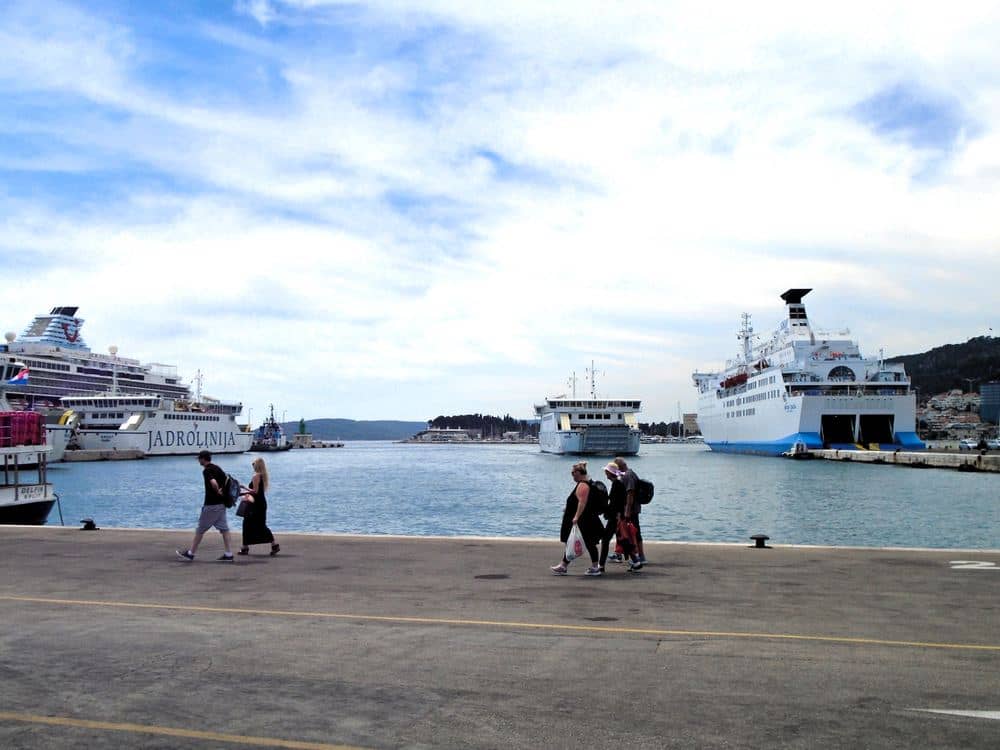
In practice, wind matters more than rain. Catamarans are the first to stay in port on a strong jugo or bura, car ferries keep sailing much longer, and Jadrolinija posts the suspended lines every morning. A bura can close the Krk bridge, the Maslenica bridge and exposed stretches of the A1 above Zadar, first for motorbikes and high-sided vehicles, then for everything, and HAK lists the closures by vehicle category. Keep a buffer night on the mainland before a flight, and take the morning sailing when you can.
Ferries and roads in November
All state lines run through the winter on reduced timetables, published for 2026 by the coastal shipping agency together with the off-season fares that apply from 28 September (2026 timetables); our Jadrolinija guide explains the seasons line by line. The crossings most visitors use in November:
- Split to Supetar (Brač), car ferry line 631: twelve sailings a day each way, eleven at weekends because the 05:00 departures do not run on Saturdays, Sundays and holidays from 1 November; last sailing from Split at 23:59, 50 minutes, 6.50 euros per person and 26.10 euros for a car.
- Split to Stari Grad (Hvar), car ferry line 635: three sailings a day, from Split at 08:30, 14:30 and 20:30, from Stari Grad at 05:30, 11:30 and 17:30; 110 minutes, 5.90 euros per person off-season.
- Split to Hvar town and Korčula by catamaran: line 9604 leaves Split daily at 14:00 for Hvar, Vela Luka and Lastovo, line 9608 at 16:00 for Hvar and Korčula town, and both come back to Split in the early morning; Split to Hvar costs 6.40 euros off-season.
- Split to Dubrovnik: there is no state ferry or catamaran line between the two cities, so in November the road and the coach are the link.
- Roads: from 15 November to 15 April winter equipment is compulsory on the designated winter sections, among them the A1 from Zagreb to the Maslenica junction and the A6 to Rijeka. That means winter tyres on all four wheels, or summer tyres with at least 4 mm of tread plus snow chains for the drive wheels. The coast road and the A1 south of Maslenica are not winter sections, but most drivers from Zagreb or Central Europe cross one to get there.
What is open and what closes
- Open as usual: the cities. Split, Zadar, Rijeka, Dubrovnik and Zagreb keep their museums, markets, cafés and most restaurants going all winter.
- Dubrovnik city walls: 09:00 to 15:00 from 1 November to 31 March, according to the operator.
- Plitvice Lakes: open all year, and the adult day ticket drops to 10 euros from 1 November, according to the park's 2026 price list.
- Thin or closed: many seasonal hotels, campsites, beach bars and island restaurants close for the winter. On the islands and in resort villages, check that your accommodation and at least one restaurant nearby are open before you book.
- Public holidays: 1 November (All Saints' Day, a Sunday in 2026) and 18 November (Remembrance Day, a Wednesday). Many shops are closed on Sundays and public holidays.
Zagreb and Plitvice in November
Zagreb in November is cold, grey and busy indoors. The Maksimir station averages 9 degrees by day and 1 at night, 9 days of fog, about two hours of sunshine a day and snow on the ground on roughly three days. The calendar makes up for it: the film festival and Interliber share the week of 9 to 15 November, and Advent opens on the squares of the Lower Town on 28 November. Dress for standing outside after dark, because that is where Advent happens, and use the trams rather than a car in the centre.
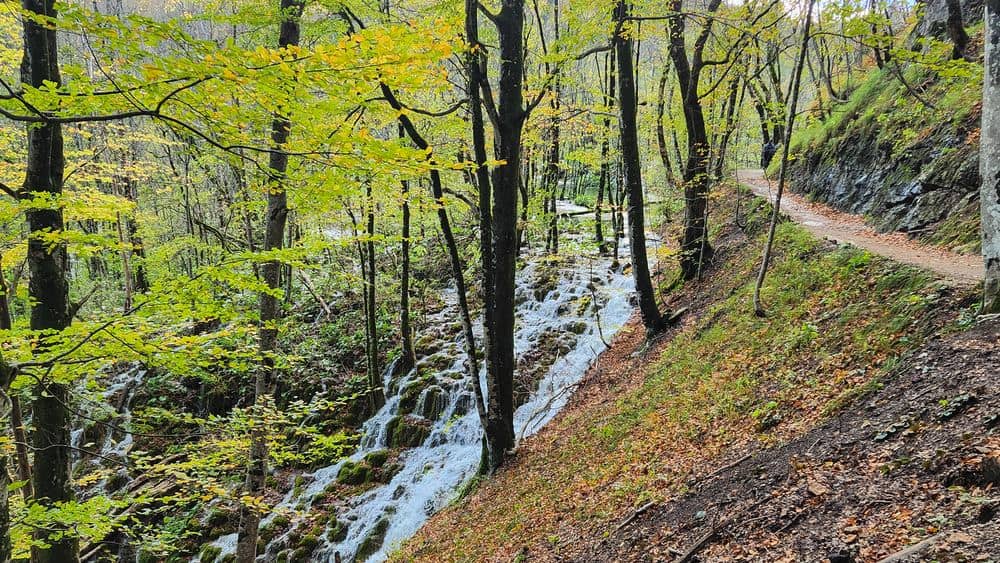
At Plitvice, the nearby Gospić station suggests a high around 9 degrees, a night around zero, 11 nights below freezing, 11 wet days and snow on six or seven days. The lakes stay open, the adult ticket costs 10 euros from 1 November, and the sun sets between about 16:50 at the start of the month and 16:20 at the end, so arrive at opening and choose a shorter route. The wooden walkways are slippery after rain or a frosty night: wear boots with grip.
What to pack for Croatia in November
Pack for wind and rain rather than for deep cold. On the coast that means a waterproof jacket with a hood, because an umbrella is useless in a bura, a warm layer for the evenings and shoes with grip for old-town stone that turns slick in the rain. For Zagreb, Plitvice and inland Istria add a proper winter coat, gloves and a hat, since nights there sit around or below freezing. Swimwear only if you are a cold-water swimmer. If you drive, check the tyres before 15 November and keep an ice scraper in the car for frosty mornings inland.
Is November a good month to visit Croatia?
For a beach holiday, no. For a city break, a food trip or a road trip with a flexible day or two, November works: the southern coast is mild, the old towns belong to their residents, and Zagreb has its liveliest weeks indoors before Advent. Base yourself in Dubrovnik, Split or Zagreb rather than on a small island, plan around a wet day, and check the ferry timetable for the exact week you travel. For the months either side, our October weather guide and Croatia in winter give the same kind of numbers, and when to visit puts November in the context of the whole year.
Frequently asked questions
- How warm is Croatia in November?
- In Dubrovnik and on Hvar afternoons average 17 °C and nights 10 to 11 °C. Split and Zadar reach 15 °C, Rovinj and Rijeka 13 to 14 °C. Zagreb averages 9 °C by day and 1 °C at night, and the Plitvice area about 9 °C by day and 0 °C at night (DHMZ normals 1971 to 2000).
- Can you swim in Croatia in November?
- Only if you like cold water. DHMZ's November averages are 18 °C at Hvar, 17 °C at Dubrovnik, 16 °C at Split and Zadar and 15 °C at Rovinj, about three degrees colder than in October. A short dip on a calm, sunny afternoon in the south is realistic, a beach day is not.
- Does it rain a lot in Croatia in November?
- It is the wettest month of the year in Dubrovnik, Split, Hvar and Rovinj. Most coastal stations record 8 to 10 days with at least 1 mm of rain; Dubrovnik averages 142 mm, Rijeka 182 mm and Zagreb 80 mm. Rain comes in fronts, with dry days in between.
- Do I need winter tyres in Croatia in November?
- From 15 November to 15 April winter equipment is compulsory on the designated winter sections, including the A1 between Zagreb and the Maslenica junction and the A6 to Rijeka: winter tyres on all four wheels, or summer tyres with at least 4 mm of tread plus snow chains. The coast road and the A1 south of Maslenica are not on the list.
- What is on in Croatia in November 2026?
- The Opatija Chocolate Festival (6 to 8 November), the Zagreb Film Festival (9 to 15 November), the Interliber book fair in Zagreb (10 to 15 November), Martinje on 11 November and Advent in Zagreb from 28 November. 1 and 18 November are public holidays.
- Is Plitvice open in November?
- Yes, the park is open all year, and the adult day ticket costs 10 euros from 1 November. The nearby Gospić station averages about 9 °C by day, 0 °C at night and 11 wet days in November, and the sun sets between about 16:20 and 16:50, so start early and wear boots with grip.
Official sources
- DHMZ: climate normals 1961–1990 and 1971–2000 by station
- DHMZ: monthly values and extremes by station
- DHMZ: climate of Croatia, bura and jugo
- Coastal shipping agency: state ferry and catamaran timetables 2026
- HAK: winter equipment from 15 November
- Plitvice Lakes National Park: price list 2026
- Walls of Dubrovnik: opening hours and tickets
- Advent Zagreb: dates 2026/2027
- Zagreb Fair: Interliber 2026 opening hours
- Zagreb Film Festival 2026
Share this guide
Questions about your trip?