Martinje, St Martin's Day 2026
- Date
- 11 November 2026
On Wednesday 11 November 2026 Croatia baptises its new wine. The confirmed 2026 dates in Istria, where else to go from Plešivica to Zagorje, what is eaten, and how to get home within the law.
Checked: 17 October 2026, 20:00
Martinje, the feast of Saint Martin on 11 November, is the day the new must is symbolically turned into wine in Croatia. In cellars, village halls and town squares a mock bishop delivers a playful sermon, baptises the must, proclaims it wine and gives it a godfather, and then the toasts, the singing and the roast goose follow. It is a religious feast played for laughs and taken seriously at the same time, and for a visitor it is the easiest way into Croatian wine country after the harvest, when the coast has gone quiet but the cellars have not.
In 2026, 11 November falls on a Wednesday. Martinje is not a public holiday: the Croatian holidays act lists 1 November and 18 November for this month, not St Martin's Day, so shops, offices and public transport run as usual. Public celebrations are therefore spread over the days around the feast, and the programmes published so far run from Saturday 7 to Sunday 15 November.
Confirmed dates for 2026
By mid-October 2026 the tourist boards in Istria had published three Martinje events with fixed dates. For Zagreb, Zagorje, Plešivica and Slavonia no 2026 programme was listed yet; the sections below say where to check.
| Place | Dates 2026 | What happens |
|---|---|---|
| Momjan, north of Buje | Wednesday 11 to Sunday 15 November | St Martin's celebration with tastings in the wine cellars of north-west Istria, home of sweet Momjan muscat. Contact: Buje Tourist Board. |
| Pula, Giardini | Thursday 12 to Saturday 14 November, 18:00 to 24:00 | Winemakers from southern Istria pour young and premium wines, with local food and live music in the city centre. Contact: Pula Tourist Board. |
| Vrsar | Saturday 7 November | St Martin's bike ride: a guided mountain-bike tour of 20 km, about three hours, with lunch for every rider afterwards. St Martin is Vrsar's patron saint. Contact: Vrsar Tourist Board. |
How the must is baptised
The ceremony follows a loose script. The Croatian National Tourist Board describes a cast led by the bishop, who gives a comic speech, baptises the must and proclaims it wine, with a godfather and other characters around him; after that the gathering turns to toasts, songs and home cooking. In Kumrovec in Zagorje the baptism is carried out by the Cesargrad wine masters, and each year a godfather and a godmother are chosen for the new wine. When Zagreb celebrated on its main square in 2014, for the 14th year in a row, around 15 Martinje bishops from across Croatia walked in procession to Ban Jelačić Square, and the deputy mayor stood as godmother to the young wine.
Behind the joke sits a real farming calendar. Researchers at the Institute of Ethnology and Folklore Research in Zagreb describe Martinje in north-west Croatia as the feast that closed the year's work in the fields and vineyards. According to ethnographic records it was once kept by a few village families linked by kinship or neighbourhood; today the baptism of the must is a tourist attraction celebrated by the wider community. The saint himself, Martin of Tours, was born in Savaria, today's Szombathely in Hungary, in 316 and died in Tours in 397, and Croatian Glagolitic breviaries of the 14th and 15th centuries already contain his legend and mark his feast on 11 November.
Istria: malvazija, teran and five days in Momjan
Istria is where the 2026 dates are clearest. The Istria Tourist Board describes Martinje as the day the young wine that has just finished fermenting is baptised, with the whole peninsula drinking its own wines, above all white malvazija and red teran, in cellars and konobas. Its pages also record two old beliefs: Martinje marked the line between summer and winter, and the winemaker who pours the most wine on the day will have the best wine the following year.
Momjan is the pick for cellar hopping: five days from Wednesday to Sunday in a hill village north of Buje near the Slovenian border, where the local speciality is sweet muscat. Pula is the pick without a car: three evenings at Giardini in the city centre, and in 2025 the same event brought together 10 wineries from southern Istria. Vrsar honours St Martin as its patron, so its feast is also a church and village day; in 2024 the programme ran from Saturday 9 to Monday 11 November with choirs on Trg Degrassi, an Istrian soup competition and Mass in the parish church of St Martin on the feast day itself. For 2026 only the bike ride on 7 November has been announced so far.
Zagreb and the Plešivica hills
Plešivica, in the hills above Jastrebarsko, is the wine country closest to Zagreb that is set up for visitors. The Plešivica wine road opened in 2001, and the Zagreb County Tourist Board counts more than 30 wineries along it. The local wine calendar runs from Vincekovo on 22 January to Martinje on 11 November, and the wine to ask for is portugizac, a young red that is the first to reach the market after the harvest. Read the small print in the Jastrebarsko tourist guide: several family wineries receive guests by appointment only, so phone before you drive up. Jastrebarsko itself lies halfway between Zagreb and Karlovac, on the railway line that links the two cities.
Zagreb's own Martinje has in past years been held on Ban Jelačić Square, with stalls run by winemakers from the city and Zagreb County; in 2014 there were around 20 of them. No programme for 2026 had been announced by mid-October, so check the City of Zagreb's announcements in early November.
Zagorje and Međimurje
In Hrvatsko zagorje the custom stays closest to its village roots. Kumrovec holds Martinje v Kumrovcu every November, organised by the local winegrowers' association Grozd together with the municipality, the tourist board and the Staro selo museum. The museum is the largest in-situ open-air ethnographic museum in Croatia, with about 30 traditional houses and farm buildings, including the birth house of Josip Broz Tito, so the setting does half the work. Further north, Croatia's national tourist board listed Martinje on the Međimurje wine road in Štrigova from 11 to 13 November 2022. Neither village had published a 2026 date by mid-October.
Slavonia
The national tourist board names Slavonia alongside Zagorje among the wine regions where Martinje is a deeply rooted tradition. No Slavonian programme for 2026 had been published by mid-October, so treat the east as a place for a cellar visit arranged directly with a winery rather than for a fixed festival date. Keep in mind that 18 November, a week after Martinje, is the national day of remembrance for the victims of the Homeland War and for Vukovar and Škabrnja, a public holiday with a very different mood in the east of the country.
What is on the table
Roast goose with mlinci, thin dried flatbread soaked in the juices of the roast, is the classic Martinje meal, followed by chestnuts and cakes made with walnuts and apples. In Zagreb County the tourist board adds buncek, a cured pork knuckle, sausages and cabbage to the list. According to the Istria Tourist Board the young wine has many fans for its sweetness and particular taste. If you want goose in a restaurant on 11 November or the weekend after, book it together with the table.
Planning the trip: timing, transport and costs
- Timing: 11 November 2026 is a Wednesday. For the widest choice in Istria aim for Thursday 12 to Saturday 14 November, when Momjan and Pula overlap; for Vrsar's bike ride you need to be there on Saturday 7 November.
- Getting there: Pula's event is in the city centre and needs no car. Momjan's cellars are spread over the hills north of Buje and the Plešivica wineries sit above Jastrebarsko, so for both plan a sober driver, a taxi or an organised tour.
- Costs: none of the three 2026 listings states an entry price. In 2024 Vrsar's bike ride and Nordic walk were free and included lunch. Budget instead for tastings, bottles to take home and a goose dinner.
- Booking: reserve restaurants for 11 November and the weekend after early, and phone family wineries in advance, since many receive guests by appointment only.
- Programme check: for Zagreb, Zagorje and Slavonia the 2026 details may appear only days before, so look at the organisers' pages in the first week of November before you book a room.
Wine and the wheel: the legal limits
Croatian law leaves little room on a wine day. Under the Road Traffic Safety Act a car driver may have at most 0.50 g/kg of alcohol in the blood. Young drivers, defined as drivers under 24 with a Croatian licence, driving instructors, professional drivers and drivers of trucks and buses must have none at all. Above 0.50 and up to 1.00 g/kg the fine is 390 to 660 euros, above 1.00 and up to 1.50 g/kg it is 660 to 1,990 euros, and above 1.50 g/kg it is 1,320 to 2,650 euros or up to 60 days in prison. The police take your licence on the spot for up to 8 days, and a repeat offence brings a driving ban of at least three months in the lowest band and at least six months above 1.00 g/kg. Cyclists are fined 60 euros above 0.50 g/kg, which is worth knowing before a bike ride that ends with lunch.
About the event
Martinje, St Martin's Day 2026
Young wine day: on 11 November the must is symbolically baptised into wine, and the wine regions from Istria to Slavonia celebrate with goose, mlinci and chestnuts.
The day the must becomes wine
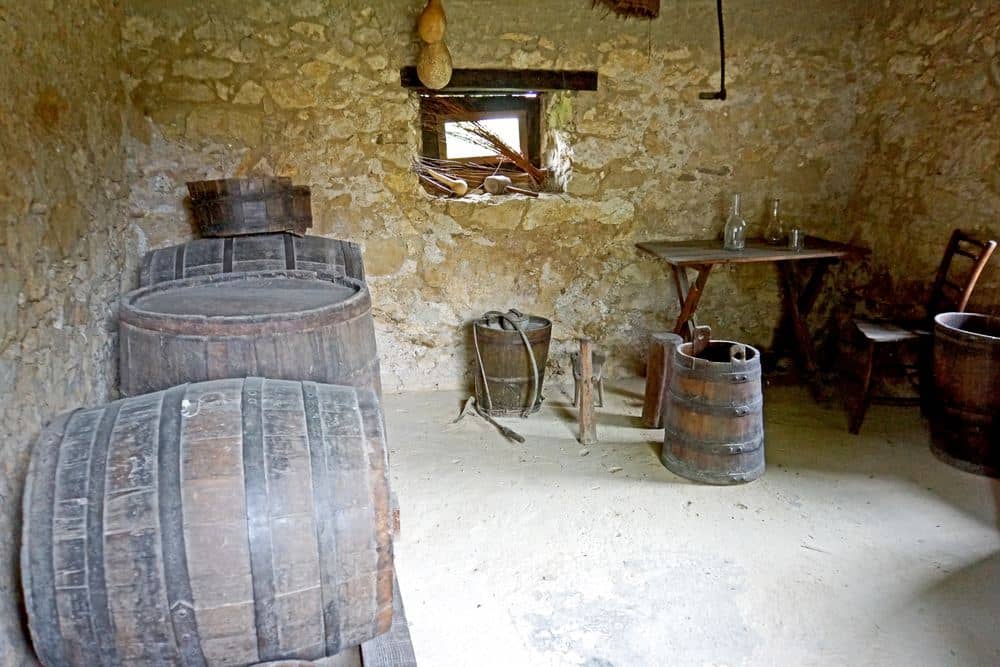
On 11 November, Saint Martin's day, Croatian wine regions perform a baptism: the must, treated all evening as an unruly child, is formally christened and becomes wine. Someone plays the bishop, there is a mock sermon, and everyone present is in on the joke. It happens from Istria to Slavonia, in cellars, restaurants and village halls, and the food is goose with mlinci and roast chestnuts.
Where to be that evening
Zagorje and Međimurje north of Zagreb, the Plešivica hills west of it, Ilok and Kutjevo in Slavonia, the Istrian interior: any of them will have something on, and the smaller the place the more likely you end up at a table with people you did not arrive with. Book a cellar in advance and do not plan to drive.
Getting to the wine regions
Zagreb airport is the arrival point for Plešivica, Zagorje, Prigorje and Međimurje. Plešivica rises above Jastrebarsko, about 40 km south-west of the capital, and trains and buses run from Zagreb to Jastrebarsko through the day, with the cellars a short taxi ride uphill from the station. Zagorje and Međimurje are on the train lines from Zagreb towards Varaždin and Čakovec. Ilok is at the far end of the country, on the Danube roughly 300 km east of Zagreb by motorway. Buses connect Zagreb with Vukovar and Ilok, and Osijek has the nearest airport, with few flights in November. For the Istrian interior, fly to Pula or drive from Zagreb, a little under 3 hours to Motovun.
| Region | What the day is like | Base |
|---|---|---|
| Plešivica | Small family cellars about an hour from Zagreb | Zagreb or Jastrebarsko |
| Zagorje and Prigorje | Village pubs and the neighbour's barrel | Zagreb or a village guesthouse |
| Međimurje | Hillside cellars near the Slovenian border | Čakovec or Štrigova |
| Ilok | The largest cellars and the fullest programme | Ilok or Vukovar |
| Đakovo and Kutjevo | A full day of cellar visits and heavy food | Đakovo, Požega or Osijek |
| Istrian interior | Called Martinja, closer to a long lunch | Motovun or Pazin |
Getting back without driving
Croatia's drink-driving limit is 0.5 per mille for most drivers and zero for anyone under 25 and for professional drivers. The police run extra checks on 11 November because they know what the day is, so settle the return before the first glass. From Zagreb, organised wine tours go out to Plešivica and Zagorje with a driver, the simplest option if you are staying in the city. In Slavonia the distances between cellars are short and a taxi costs less than the fine, so agree a price with a local driver for the whole evening. If you rely on the train back from Jastrebarsko, check the last departure before you go up the hill.
Where to stay
For Plešivica and Zagorje, most visitors sleep in Zagreb and treat the evening as a trip out, since the tours, trains and the widest choice of rooms all start there. Jastrebarsko and Samobor are closer and quieter, and a few Plešivica wineries have guest rooms above the cellar, which are the first to go. In Ilok, accommodation is limited to a few hotels and family rooms, and the town fills for Martinje, so book as soon as your dates are fixed or stay in Vukovar and take a taxi. In Istria, Motovun and the villages around it have small guesthouses that stay open through November, when prices sit well below the summer level.
Practical notes for November
Martinje is a normal working day. Shops, banks and public transport keep their usual timetables. Continental Croatia in mid-November is cold and often foggy, with daytime temperatures in single figures Celsius and nights close to freezing. Cellars are colder than the rooms above them, so bring a warm layer, shoes that can take mud on vineyard tracks and something waterproof. Smaller family cellars may take cash only, and villages do not always have a cash machine, so withdraw money in town first. Children are welcome and usually present, because this is a family evening for the locals. Expect a long sitting of several hours and speeches in Croatian that nobody expects you to follow.
Frequently asked questions
- What is Martinje?
- St Martin's Day on 11 November, celebrated in Croatian wine regions as the day the must is symbolically baptised into wine. A mock bishop leads the ceremony, a godfather stands by, and the day continues with roast goose, chestnuts and the first glasses of the new vintage.
- What day is Martinje in 2026?
- Wednesday 11 November 2026. The public events published so far are spread around it: Vrsar's bike ride on Saturday 7 November, Momjan from 11 to 15 November and Pula's Giardini from 12 to 14 November.
- Is Martinje a public holiday in Croatia?
- No. The Croatian holidays act lists 1 November and 18 November as the public holidays of the month, so on 11 November shops, offices and public transport run normally. What fills up are the restaurants in the wine areas.
- Where should a first-time visitor go for Martinje?
- Without a car, Pula's Giardini on the evenings of 12 to 14 November, from 18:00 to 24:00. For cellar visits, Momjan from 11 to 15 November. From Zagreb, the Plešivica wine road above Jastrebarsko, phoning the wineries ahead, or Kumrovec in Zagorje for a village-style baptism of the must.
- Which wines and dishes belong to Martinje?
- Young wine of the new vintage: malvazija and teran in Istria, sweet muscat around Momjan, portugizac on Plešivica. On the table: roast goose with mlinci, chestnuts, walnut and apple cakes, and in Zagreb County also buncek, sausages and cabbage.
- Can I drive after a Martinje tasting?
- Only below 0.50 g/kg of alcohol in the blood, and not at all if you are a young driver under 24 with a Croatian licence or a professional driver. Above 0.50 g/kg fines start at 390 euros and the police take your licence on the spot, so on a cellar day the simple answer is a sober driver, a taxi or a tour.
Official sources
- Croatian National Tourist Board: Martinje in Croatia
- Istria Tourist Board: Martinje in Momjan, 11 to 15 November 2026
- Istria Tourist Board: Martinje in Pula, 12 to 14 November 2026
- Istria Tourist Board: St Martin's bike ride in Vrsar, 7 November 2026
- Istria Tourist Board: St Martin's feast in Vrsar, 2024 programme
- Istria Tourist Board: Martinje in Istria
- Istria Tourist Board: Martinje (St Martin)
- Pula Tourist Board: Martinje in Pula 2025
- Kumrovec: Martinje v Kumrovcu
- Staro selo Museum Kumrovec: about the museum
- Zagreb County Tourist Board: Jastrebarsko and Plešivica
- Jastrebarsko Tourist Board: tourist guide (PDF)
- Zagreb County Tourist Board: Martinje in Zagreb County
- City of Zagreb, 15 November 2014: Martinje in Zagreb
- Croatian National Tourist Board: Martinje on the Međimurje wine road, 2022
- Institute of Ethnology and Folklore Research: St Martin conference booklet, 2013 (PDF)
- Road Traffic Safety Act, consolidated text (Article 199)
- Act on Holidays, Memorial Days and Non-Working Days in Croatia
Share this guide
Questions about your trip?