Your US or UK licence is enough for a rental. What trips people up is the rest: 0.5 per mille alcohol but zero under 25, lights on by day from 1 November, 130 on the motorway, tolls paid by card at the exit, and the border you no longer cross on the way to Dubrovnik. The rules, the fines that matter and a rental checklist.
Checked: 15 September 2026
Croatia is an easy country to drive: the A1 motorway from Zagreb to Split is 4 hours of empty lanes and tunnels, the coastal road D8 is slow but scenic, and the islands are quiet. A US driving licence is accepted for tourist stays and an international driving permit is not legally required, though rental desks and the odd police officer may ask for one, so 20 dollars at AAA before you fly buys peace of mind. A UK photocard licence is valid on its own. Carry the licence, passport, rental contract and the green insurance card in the car at all times.
| Rule | Croatia 2026 |
|---|---|
| Speed limits | 50 in towns, 90 outside, 110 on expressways, 130 on motorways; 80 on the coastal D8 where signed |
| Alcohol | 0.5 per mille for drivers over 24; zero for drivers under 25 and professionals; the limit stays in the 2026 law |
| Lights | dipped or daytime lights by day from 1 November to 31 March, always in tunnels, rain and fog |
| Phone | hands-free only; holding the phone is fined on the spot |
| Winter equipment | 15 November to 15 April on signed roads: winter tyres or chains on board |
| Children | under 150 cm in a child seat, never in the front under 12 |
| Safety kit | warning triangle, reflective vest, first-aid kit, spare bulbs; rentals include them |
Tolls, fuel and the roads that matter
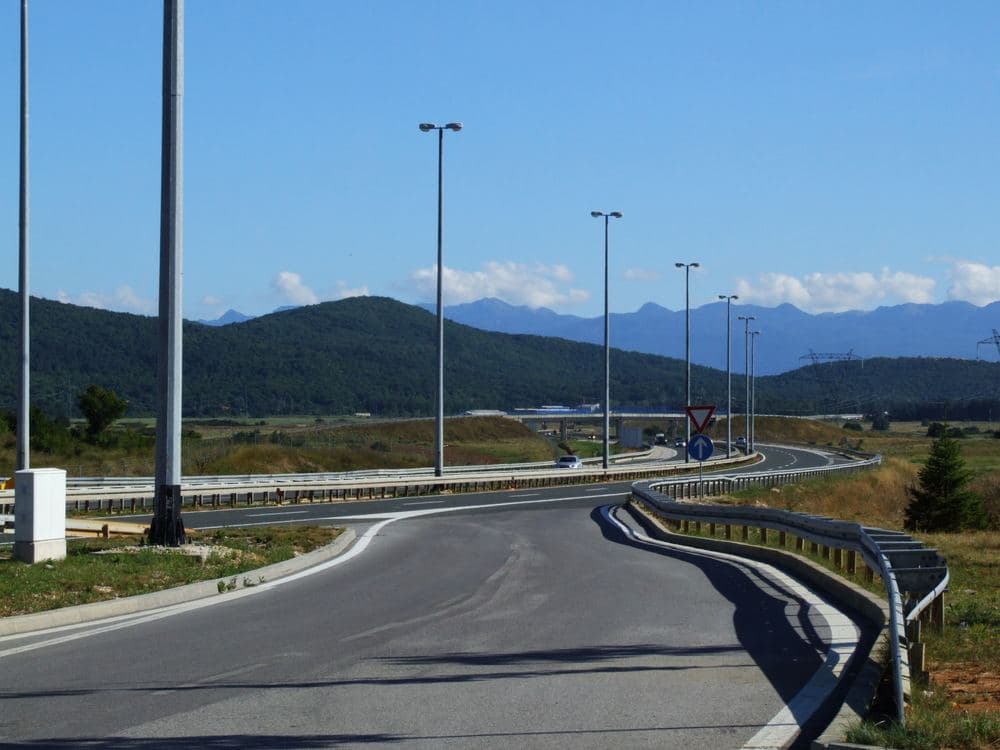
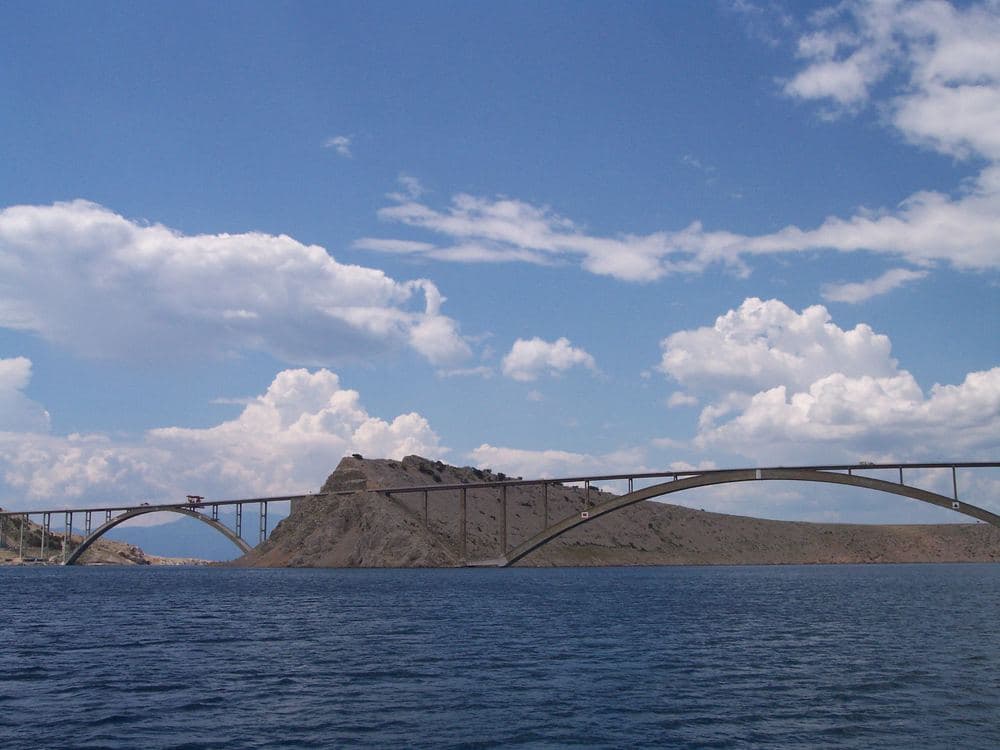
Motorways are tolled by distance: take a ticket at the entry barrier and pay at the exit, by card or cash, no vignette. Zagreb to Split costs about 25 euro, Zagreb to Rijeka about 10, and the whole run to Dubrovnik about 40 including the A1 extension past Ploče. Fuel prices for regular petrol and diesel are capped nationwide by the government and change weekly, 1.73 and 1.85 euro per litre in mid-September 2026, so there is no cheap or expensive region. The two roads that cost time are the D8 coastal road south of Split in July, where a lorry sets the pace for 40 km, and the Krk Bridge on summer Saturdays.
Dubrovnik and the Bosnia question
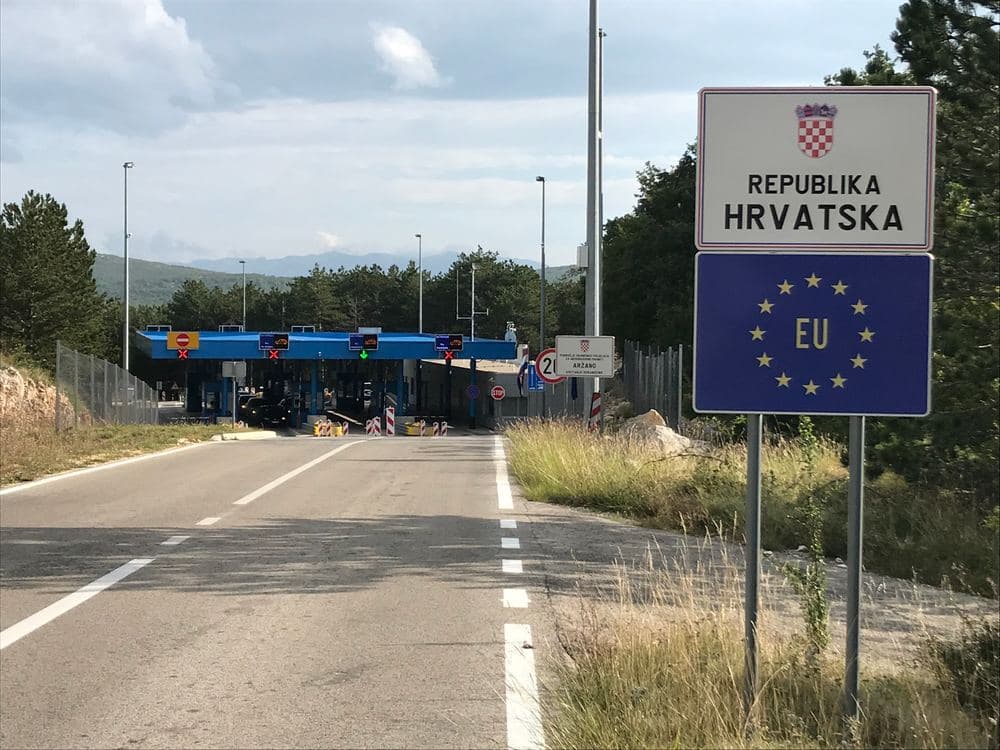
Older guides warn about the Neum corridor, a 9 km strip of Bosnian coast that used to cut the road to Dubrovnik and required a passport check twice. Since the Pelješac Bridge opened in July 2022 the motorway extension and the bridge bypass it entirely; you drive from Split to Dubrovnik without leaving Croatia or the EU. The border only matters if you choose it: a day trip to Mostar or Kotor means a real non-EU crossing with passport, the EES registration, a rental car that is allowed abroad, which costs 20 to 50 euro extra as a cross-border fee, and a phone plan that charges for roaming.
Rental checklist
- Book an automatic early: most Croatian rental fleets are manual, and automatics sell out by June for the summer.
- A credit card in the driver's name is required for the deposit, 300 to 1,500 euro depending on the excess; debit cards are often refused.
- Say at the desk if you plan to take the car on a ferry or across a border; both need written permission.
- Photograph every panel and the fuel gauge at pickup; return with the same fuel level, refuelling at the airport station is 5 minutes away everywhere.
- Parking in towns is by colour zone, paid by SMS or the app of the local operator; red zones in Split and Dubrovnik cost 2 to 4 euro an hour with time limits.
- Breakdown: HAK roadside assistance on 1987, emergencies on 112. Police fines are issued on the spot and can be paid within 8 days at a bank or post office, with a discount for prompt payment.
Where the police actually check
Speed cameras are fixed and signposted in towns and on the D8, and mobile patrols with laser guns sit at the exits of villages where the limit drops from 90 to 50 without a visible reason. Motorway checks are rare; the A1 flows at 130 and slightly above. What foreign drivers are fined for, in order: speeding on the coast road, no lights in November, using a phone at the wheel, and parking in a residents' zone in Split or Dubrovnik. Fines are issued on the spot with a receipt and the discounted rate applies if you pay within 3 days at a post office or bank; unpaid fines reach rental customers as a charge on the card months later, plus an administration fee.
Parking in the cities
| City | Where | Price |
|---|---|---|
| Split | Zone 1 around the palace is residents only; garages at the ferry port and by the Riva; free streets in Žnjan and Meje with a 20-minute walk | garage 2 to 3 euro an hour, 15 to 25 a day |
| Dubrovnik | no parking inside or at the walls; the Ilirija garage above Pile, or the Gruž port garage with bus 1A | garage 3 to 5 euro an hour, 30 to 45 a day |
| Zagreb | street zones by colour, red 2 hours max; garages at Importanne and Kvaternikov trg | street 1 to 2 euro an hour, garage 12 to 20 a day |
| Hvar town | the paid lot above the harbour, often full by 11:00 in summer | about 3 euro an hour |
| Plitvice and Krka | official lots at the entrances | Plitvice 10 euro a day, Krka free at Lozovac |
Taking the car onto an island is easy and cheap: the car ferries to Brač, Hvar, Korčula, Krk and Rab charge 35 to 50 euro per car in high season, less in the shoulder months, and the queue at the pier is the only reservation system outside July and August. On the island, remember that the rental contract's excess still applies on gravel roads to remote beaches; most damage claims on Croatian rentals are undercarriage scrapes from exactly those tracks. In winter the mountain roads to Plitvice and the Lika section of the A1 can close for snow for a few hours, and HAK's road report, in English, is the source that is actually updated.
Frequently asked questions
- Do I need an international driving permit in Croatia?
- Not by law for US or UK licences on a tourist stay, but rental desks may ask for one with a US licence, so it is worth the 20 dollars.
- What is the drink-driving limit in Croatia?
- 0.5 per mille for drivers aged 25 and over, zero for younger and professional drivers. A proposal to lower it for everyone was not adopted in the 2026 amendment.
- Do I cross Bosnia driving from Split to Dubrovnik?
- Not since July 2022: the Pelješac Bridge and the motorway extension bypass the Neum corridor, so the whole drive stays inside Croatia.
Official sources
Make Croatia Atlas a preferred source
One click and Google shows you our stories more often in Top Stories and in AI answers. It changes your own results only.