Split for a first week without a car, Hvar town or Rovinj for a couple, Brela or Lopar for children, Zadar and Šibenik for the budget. Old Town or Lapad in Dubrovnik, palace or Bačvice in Split, Hvar town or Stari Grad, and the price of a double in June and in August for eleven towns.
Checked: 15 September 2026
Where you sleep in Croatia decides more of the trip than in most countries, because the coast is long, the towns are small and the interesting places are a ferry or a mountain road apart. Choose Dubrovnik as a base and the islands of the south are yours but Plitvice is a six-hour day; choose Split and you can reach five islands and two national parks without repacking; choose Rovinj and you are in a different country of truffles, Roman ruins and Italian ferries. This guide sorts the question by the kind of trip you are planning, then by town, with the price of a double room in 2026 in the shoulder months and in August, and the neighbourhoods that work.
How accommodation works in Croatia
Private apartments and rooms carry most of the country's tourism: about two thirds of all beds on the coast are in family-run apartments, sobe and holiday houses, booked through the big platforms and sometimes directly. Hotels cluster in Dubrovnik, Opatija, Rovinj, Poreč and the resort strips of Makarska and Bol, and the four-star Croatian hotel is usually a large hotel built in the seventies and renovated well, with a pool and a beach concession. All-inclusive barely exists; half board is common in the resort hotels. A tourist tax of 1 to 3 euro per person per night is added at check-in and often paid in cash. Parking is the hidden cost inside the old towns, where a garage is 3 to 6 euro an hour in summer, so a car and an Old Town apartment are a poor pair.
- Book July and August stays by March; the good apartments in Dubrovnik, Hvar town and Rovinj are gone by Easter.
- June, September and the first half of October cost 30 to 40 percent less than August and have the same sea.
- Three nights minimum is normal in summer for apartments; one-night bookings are a hotel thing.
- Air conditioning is standard on the coast, lifts are not: ask before booking a fourth-floor apartment in an old town.
By the kind of trip
| You are planning | Stay in | Why |
|---|---|---|
| A first week, no car | Split, then Dubrovnik | Ferries, buses and day trips from both, catamaran between them until 31 October |
| A honeymoon or a quiet couple's week | Hvar town or Rovinj | Stone streets, sea at the door, restaurants that deserve the prices |
| A family with small children | Brela, Tučepi or Lopar on Rab | Long shallow pebble or sand beaches, promenades, apartments with kitchens |
| A budget trip | Zadar, Šibenik or Trogir | Half the price of Dubrovnik, real towns, islands and parks within an hour |
| A road trip from Zagreb to Dubrovnik | Zagreb, Plitvice, Zadar, Split, Dubrovnik | One or two nights each, the classic 10-day chain |
| Slow island days | Vis or Korčula | Two towns each, no crowds after six, boats to the caves and coves |
| Food and wine | Motovun or Ston | Truffles and Malvazija inland, oysters and Plavac mali on Pelješac |
| Sailing without a boat | Hvar town or Split | Day charters, taxi boats and the catamaran network |
Dubrovnik: Old Town, Ploče, Lapad or Cavtat
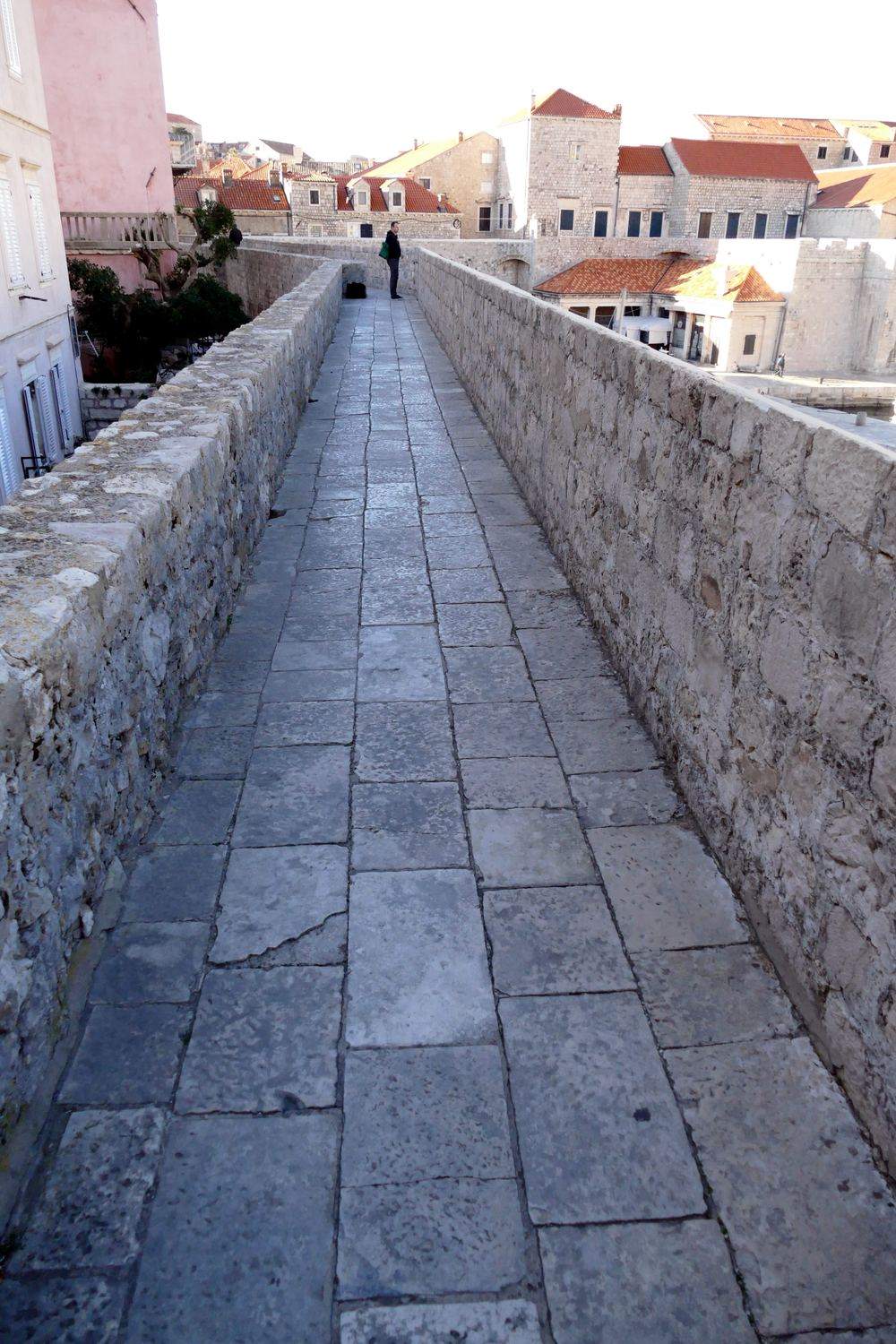
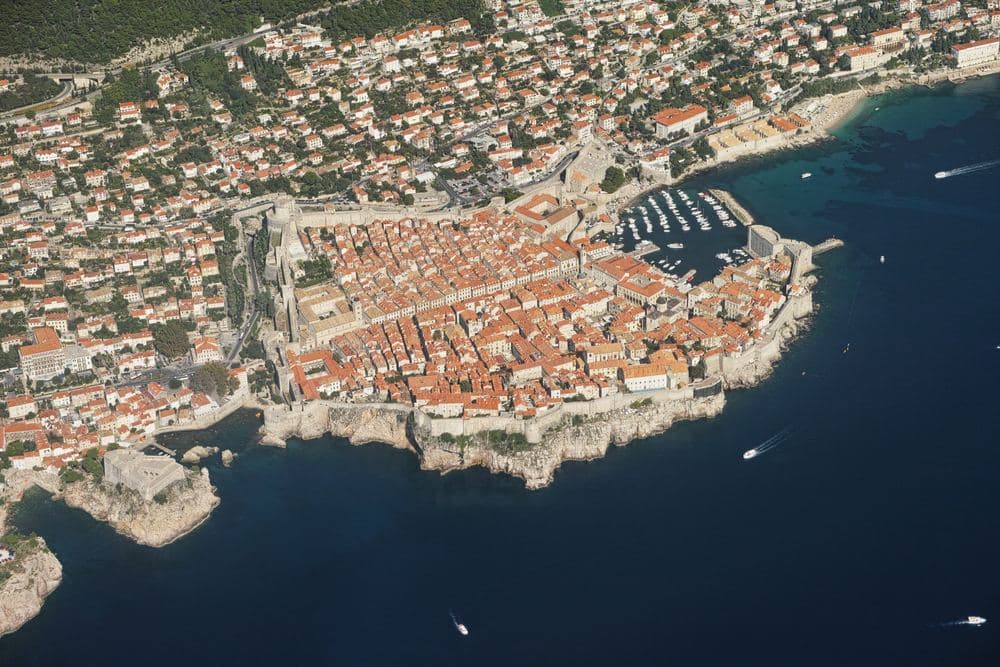
Inside the walls you pay for the address: 180 to 250 euro for an apartment for two in August, 100 to 150 in June and October, with stairs, no parking and cruise groups under the window from ten to four. It is the right choice for two or three nights when you want the city to yourself in the evening. Ploče, the slope just east of the walls, has the sea-view hotels and Banje beach, 250 to 400 euro for a four-star double in summer. Lapad, the peninsula 3 kilometres west, is where most visitors actually sleep: resort hotels with pools at 150 to 300 euro, apartments at 90 to 150, bus 4 or 6 to Pile Gate in twelve minutes. Cavtat, 25 minutes south, is the quiet alternative with hotel doubles from 90 euro and a boat to the Old Port. The cruise port area of Gruž is cheapest and best for early catamarans, with nothing else to recommend it.
Split: Old Town, Bačvice, Žnjan or Kaštela
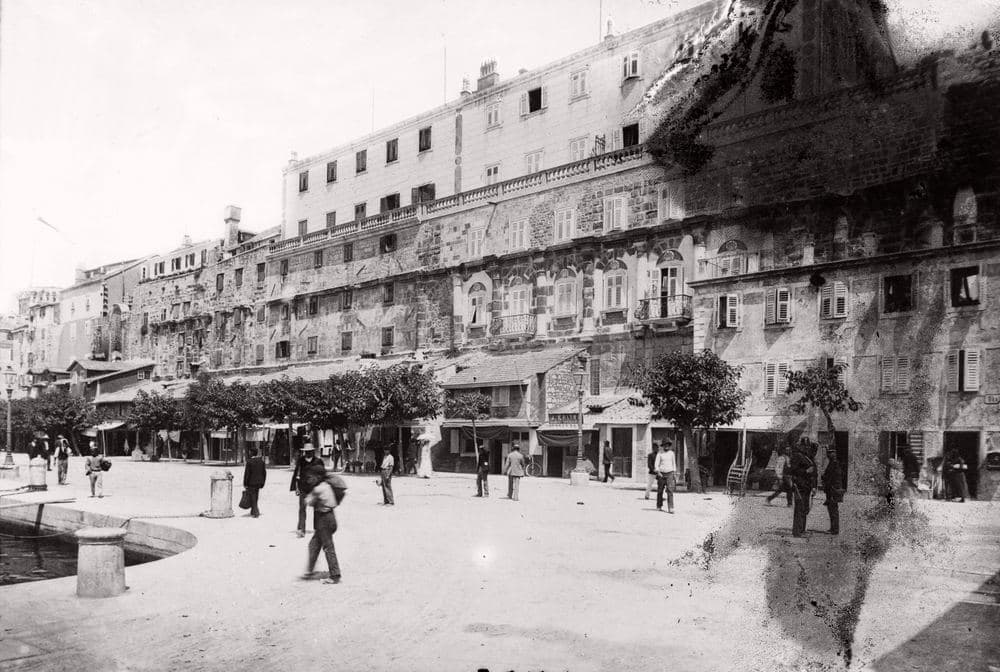
Split's Old Town is Diocletian's Palace and the streets around it, and an apartment inside it is the best-located bed in Dalmatia: the ferry port, the bus station, the Riva and the market are all within ten minutes on foot. 120 to 180 euro in August, 80 to 120 in June, noise from the bars until one in the morning on some streets, so read the reviews for the word quiet. Bačvice and the streets behind the beach are ten minutes east, calmer, a little cheaper, with the sandy beach. Žnjan, 3 kilometres east, is the new hotel and apartment district with a long pebble beach and parking, right for families with a car and wrong for anyone without one. Kaštela and Trogir, on the airport side, are the answer for an early flight or a late arrival, 60 to 100 euro, with bus 37 into Split.
Hvar: Hvar town, Stari Grad or Jelsa
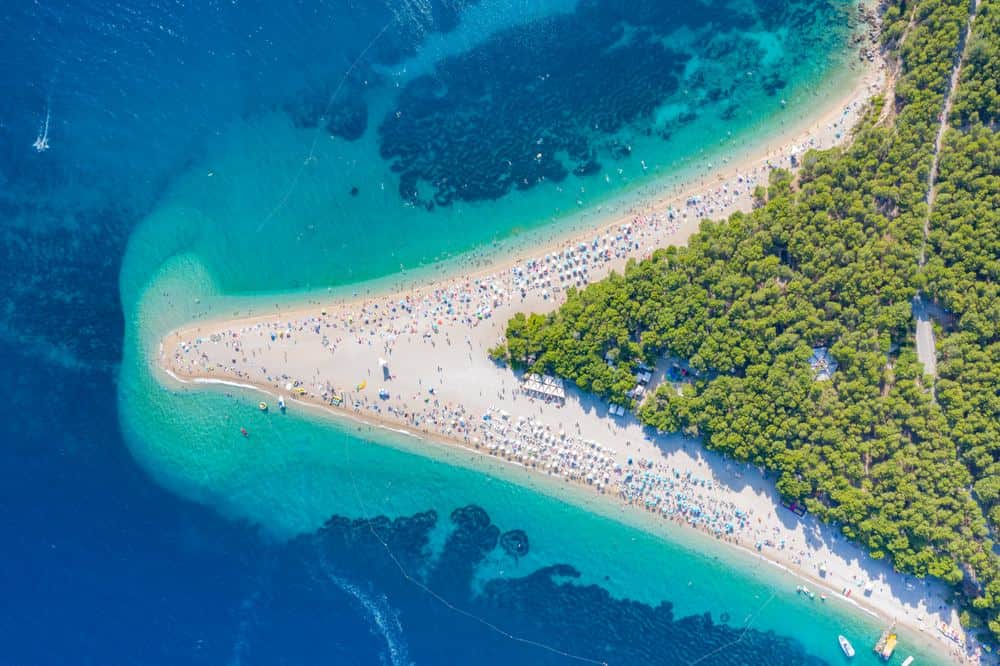
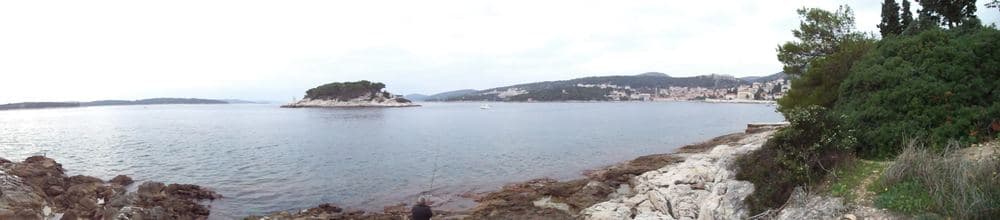
Hvar town is the expensive one, 200 to 350 euro for a good double in August and 120 to 200 in June, with the taxi boats to the Pakleni islands and the restaurants that fill the harbour. It is loud in July and August until two in the morning near the harbour and silent up the hill. Stari Grad, 20 kilometres east where the car ferry lands, is half the price, has its own old town and the UNESCO plain of vineyards behind it, and suits families and anyone with a car. Jelsa, further east, is the village option with a pebble beach and a bus to both towns. On Brač, Bol is the beach base with the Zlatni rat promenade and hotels from 150 euro; Supetar is the ferry town with cheaper rooms.
Zadar, Šibenik and Trogir: the value bases
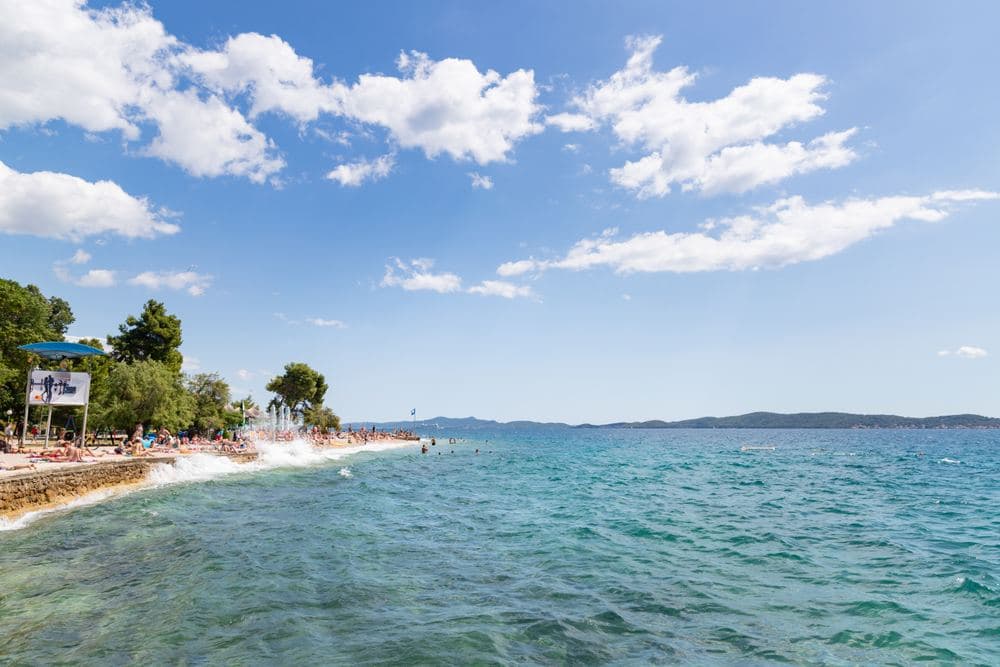
Zadar's old town sits on a peninsula with the sea organ at its tip, the ferries to Ugljan and Dugi otok at its side and apartments at 70 to 120 euro in August, a third less in June. Borik, 4 kilometres north, has the resort hotels and a beach. Šibenik has the best-preserved old town on the coast that nobody has heard of, Krka national park 20 minutes away, the islands of Zlarin and Prvić by public boat, and doubles at 60 to 110 euro. Trogir is a UNESCO island town 5 kilometres from Split airport, 80 to 140 euro, a good first or last night and a base for the Blue Lagoon boats. All three have Plitvice within two hours.
Istria, Kvarner, Zagreb and Plitvice
Rovinj is Istria's postcard, a Venetian town on a hill with hotels at 200 to 400 euro in summer and apartments at 120 to 200; Poreč next door is cheaper and family-shaped, with the Euphrasian basilica and resort strips north and south. Inland Istria is the wine and truffle country, and a night in Motovun or Grožnjan at 90 to 150 euro is the best-value luxury in the country. Opatija on the Kvarner is the old Habsburg resort with grand hotels, a 12-kilometre seaside promenade and the shortest transfer from Rijeka airport. Zagreb is a city of apartments in the Lower Town at 70 to 120 euro and hotels at 100 to 200, cheaper at weekends. At Plitvice, sleep in Mukinje or Rastovača, the villages at the two entrances, at 80 to 130 euro, so you are in the park at seven before the coaches; the hotels inside the park are old and overpriced.
Prices for a double, 2026
| Town | June and September | August |
|---|---|---|
| Dubrovnik Old Town | 100 to 150 euro | 180 to 250 euro |
| Dubrovnik Lapad, hotel | 110 to 180 euro | 200 to 320 euro |
| Split Old Town | 80 to 120 euro | 120 to 180 euro |
| Hvar town | 120 to 200 euro | 200 to 350 euro |
| Stari Grad or Jelsa | 70 to 110 euro | 110 to 170 euro |
| Zadar old town | 60 to 90 euro | 90 to 130 euro |
| Šibenik | 55 to 85 euro | 80 to 120 euro |
| Rovinj | 120 to 200 euro | 200 to 350 euro |
| Motovun | 90 to 130 euro | 110 to 160 euro |
| Zagreb | 70 to 110 euro | 80 to 120 euro |
| Plitvice villages | 70 to 110 euro | 90 to 140 euro |
Three mistakes to avoid
- Booking one base for the whole country. Croatia is 600 kilometres long; two or three bases is the normal shape of a week or ten days.
- Sleeping in a resort strip without a car and expecting a town. Žnjan, Borik and the hotel zones of Poreč are pleasant and dull; the old towns are a bus away.
- Choosing Hvar town or Dubrovnik's Old Town for a family with a pushchair. Both are stairs; Stari Grad and Lapad are flat.
Frequently asked questions
- Where is the best place to stay in Croatia for a first visit?
- Split for the first half of a week and Dubrovnik for the second. Split reaches Brač, Hvar, Trogir and Krka by ferry and bus, Dubrovnik has the walls, Lokrum and the day trips to Kotor and Cavtat, and the catamaran links them until 31 October.
- Is it better to stay in Dubrovnik Old Town or Lapad?
- Old Town for two or three nights if you want the city after the cruise groups leave, at 180 to 250 euro in August for an apartment. Lapad for a longer stay with a pool, parking and a beach, at 90 to 150 euro for an apartment and a twelve-minute bus to Pile Gate.
- Where should families stay in Croatia?
- Brela and Tučepi on the Makarska Riviera, Lopar on Rab for the sandy Rajska plaža, Stari Grad on Hvar and Bol on Brač. All have shallow beaches, promenades and apartments with kitchens.
- What does a double room cost in Croatia?
- In June and September about 60 to 90 euro in Zadar, 80 to 120 in Split's Old Town, 100 to 150 in Dubrovnik's Old Town and 120 to 200 in Hvar town or Rovinj. August adds 40 to 70 percent.
Official sources
Make Croatia Atlas a preferred source
One click and Google shows you our stories more often in Top Stories and in AI answers. It changes your own results only.