Winter in Croatia is two countries: Zagreb around freezing, the coast at 11 to 13 degrees by day with the sea still at 15 to 17 in December. Plitvice costs 10 euros instead of 40, Dubrovnik's walls close at 15:00, the ferries run on winter timetables and the motorways to the coast need winter equipment. The numbers, place by place.
Checked: 10 September 2026
The Adriatic coast has a mild winter and the interior does not, and a trip in December or January works best when it is planned around that split. The temperatures below are monthly means for 2015 to 2024 from the Open-Meteo archive, the same data behind the Croatia Atlas month pages: daytime highs, night lows, rainy days and sea temperature in January.
| Place | December | January | February | Rain days, January | Sea, January |
|---|---|---|---|---|---|
| Zagreb | 6 / 0 | 5 / -2 | 9 / 0 | 10 | no sea |
| Plitvice | 7 / 1 | 5 / -2 | 8 / 1 | 14 | no sea |
| Rijeka | 11 / 5 | 9 / 3 | 11 / 4 | 13 | 13 |
| Pula | 12 / 7 | 10 / 5 | 11 / 6 | 9 | 13 |
| Zadar | 12 / 5 | 10 / 3 | 12 / 5 | 11 | 14 |
| Split | 13 / 6 | 11 / 4 | 13 / 5 | 11 | 15 |
| Dubrovnik | 13 / 6 | 11 / 4 | 13 / 6 | 12 | 16 |
Two things the table does not show. The bura, the cold north-easterly wind, can make a 12-degree day on the coast feel like 5 and stops ferries and catamarans; Jadrolinija posts the cancelled lines each morning. And rain: eleven to fourteen wet days a month on the coast in winter means roughly every second or third day, so a week-long trip will see both.
What is open, and what it costs
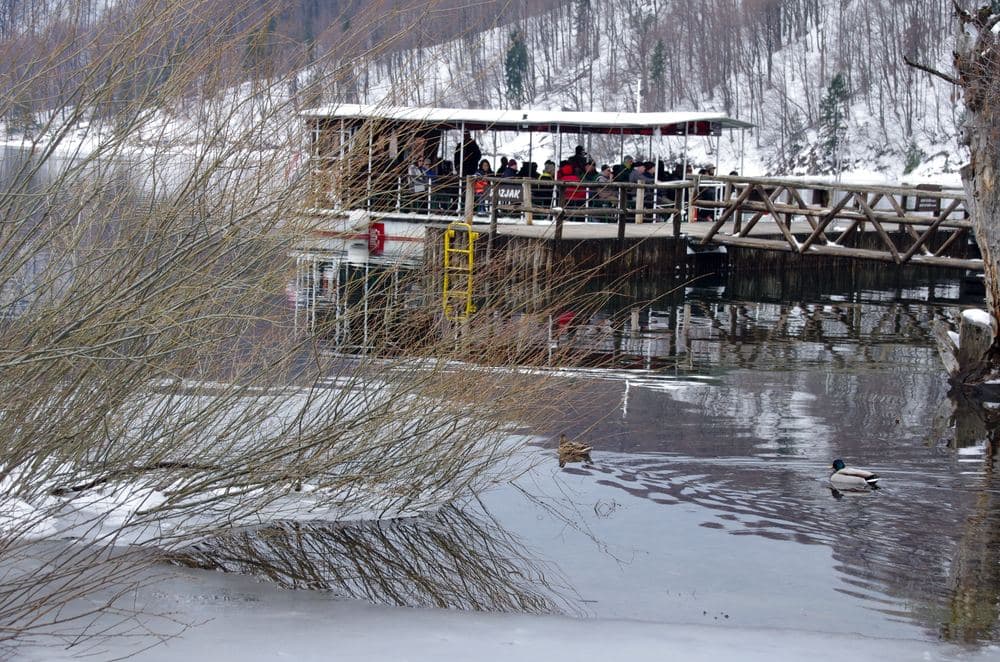
- Plitvice Lakes: open all year. From 1 November to 31 March a day ticket costs 10 euros for adults, 6 euros for students and 4 euros for children aged 7 to 18, against 40 euros for adults from June to September, according to the park's 2026 price list. Expect snow and closed upper paths on some days.
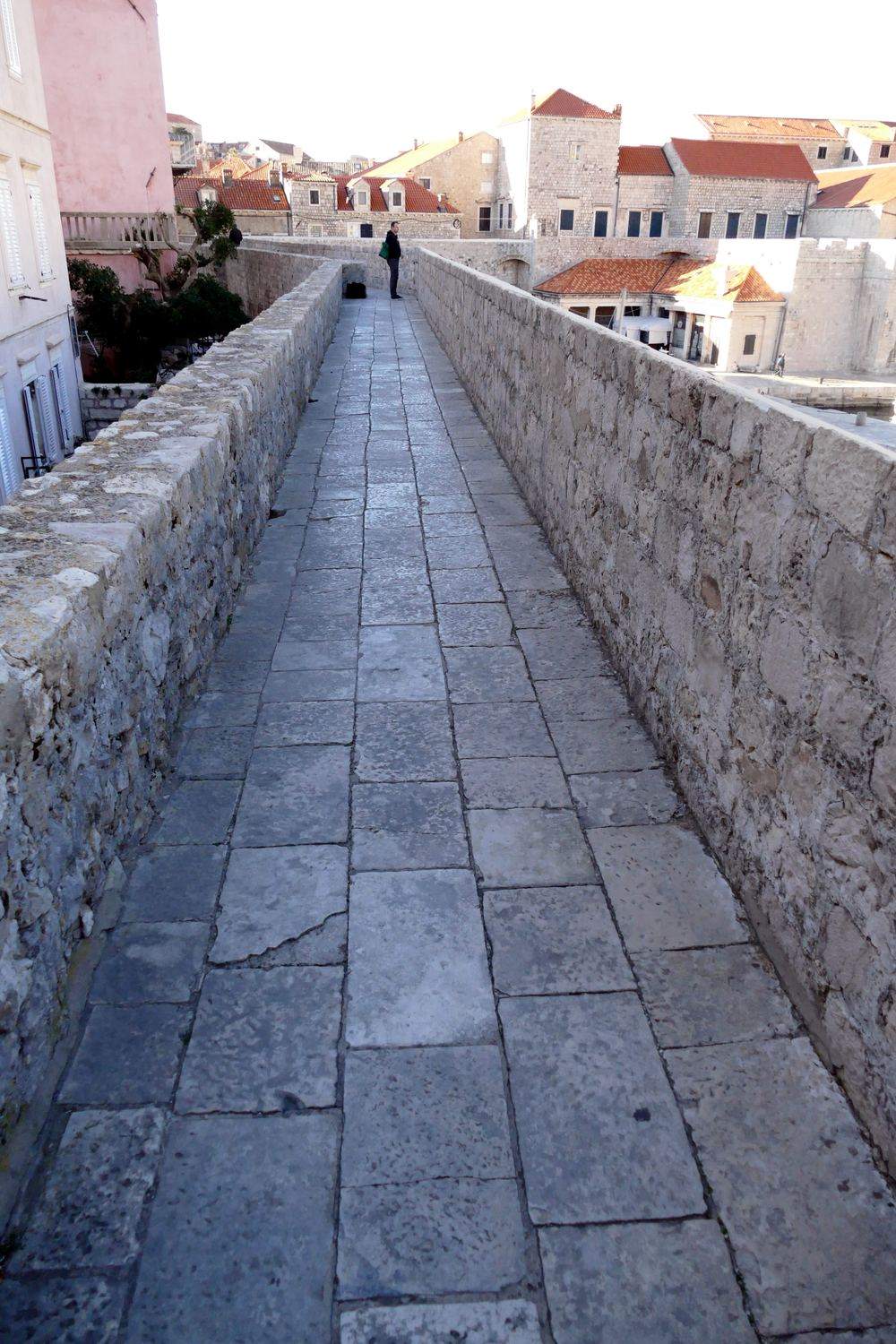
- Dubrovnik city walls: from 1 November to 31 March open 09:00 to 15:00, closed on 25 December, says the operator's site. Three hours less light on the walls than in summer, and the tour buses gone.
- Advent Zagreb: 28 November 2026 to 7 January 2027, free apart from the ice rink; the guide linked below has the locations and the railway discount.
- Rijeka Carnival: the big parade is in February, the last weekend before Lent; the carnival guide below explains the programme.
- The coast between November and March: many seasonal hotels, camps and restaurants close, the cities themselves do not. Split, Zadar, Rijeka and Dubrovnik keep their museums, cafés and markets open; on the islands and in resort villages check that the accommodation and at least one restaurant are actually open before booking.
Getting around: ferries and roads
- Ferries run all winter on the state lines, less often: Split to Supetar on Brač twelve times a day from 1 October instead of fourteen, Prizna to Pag thirteen times instead of 21, Zadar to Ugljan seventeen times, Krk to Cres twelve. Off-season fares apply from 28 September; the details are in the Jadrolinija guide below.
- Roads: from 15 November to 15 April winter equipment is mandatory on the A1 from Zagreb to Maslenica, the A6 to Rijeka and all motorways around Zagreb, regardless of the weather, with a 130 euro fine. The coast road and the A1 south of Maslenica are not on the list, but you have to get there first.
- Flights: the seasonal routes end in October and the winter schedules concentrate on Zagreb, Split and Dubrovnik. If the plan is the coast, fly into Split or Dubrovnik rather than Zadar or Pula and check the winter timetable of your airline before booking accommodation.
Who winter suits
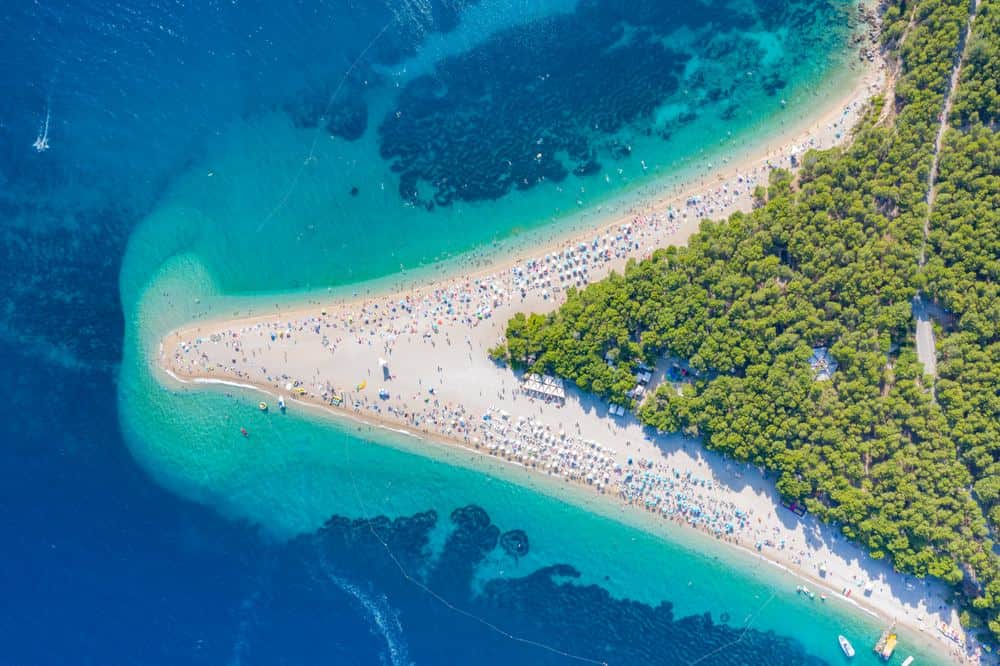
City breaks in Zagreb for Advent, Split and Dubrovnik without queues, Plitvice under snow for a quarter of the summer price, the carnival in Rijeka. Not swimming holidays, not island hopping with a car on a Sunday timetable, and not villages that live from July. The sea temperature page shows month by month how far the water is from swimmable; in January it is 13 to 16 degrees.
Frequently asked questions
- How warm is the Croatian coast in winter?
- Daytime highs of 11 to 13 degrees from Zadar to Dubrovnik in December and January, nights of 3 to 6 degrees, and 11 to 12 rainy days a month. Zagreb is 5 to 6 degrees by day and around freezing at night.
- Is Plitvice open in winter?
- Yes, all year. From 1 November to 31 March adults pay 10 euros instead of the 40 euros charged from June to September, students 6 euros and children 4 euros.
- Do the ferries to the islands run in winter?
- Yes, on the state lines all year with reduced timetables: Split to Brač twelve sailings a day, Prizna to Pag thirteen, Zadar to Ugljan seventeen. On bura days sailings are cancelled, announced by Jadrolinija each morning.
- Do I need winter tyres for a winter trip to Croatia?
- On the way to the coast, yes: from 15 November to 15 April the motorways from the borders to Zagreb, the A1 to Maslenica and the A6 to Rijeka require winter tyres or chains on board, whatever the weather. The coast road and the Istrian motorways are not winter sections.
Official sources
- Open-Meteo historical weather archive, monthly means 2015 to 2024
- Plitvice Lakes National Park: price list 2026
- Walls of Dubrovnik: working hours and tickets
- Advent Zagreb, official site
- Agencija za obalni linijski pomorski promet: lines and timetables 2026
- Official Gazette 121/2020: decision on mandatory winter equipment
Make Croatia Atlas a preferred source
One click and Google shows you our stories more often in Top Stories and in AI answers. It changes your own results only.