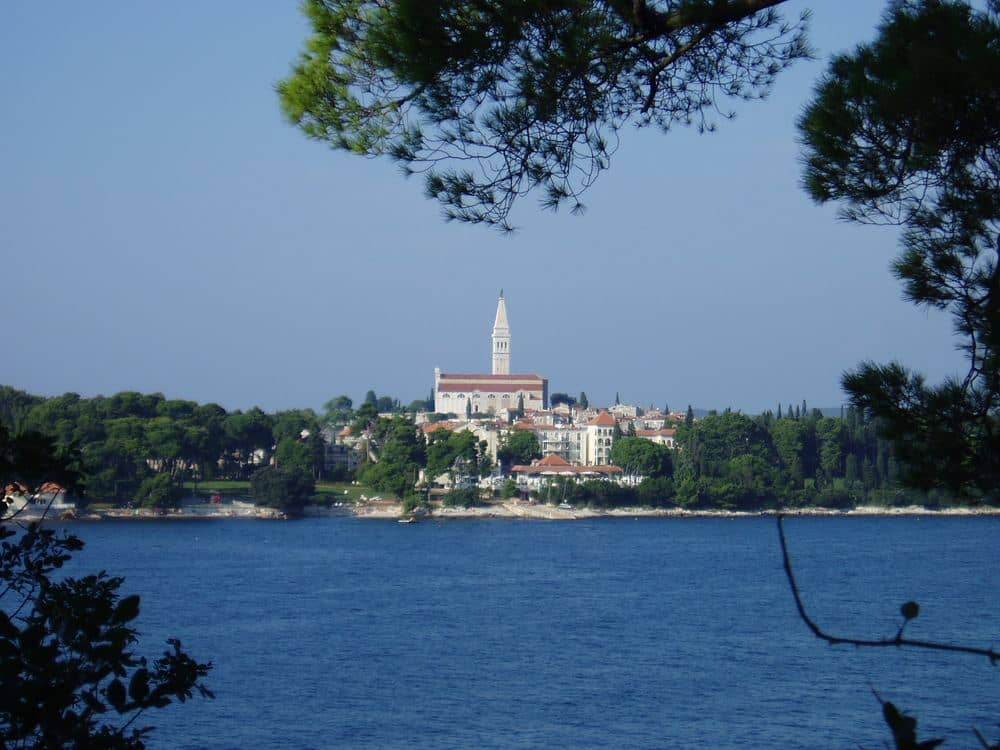
The practical side of Rovinj: which quarter suits which kind of holiday, where the swimming is best, what parking costs and where to leave the car, and the five day trips within an hour. Written for a full week.
Checked: 3 September 2026
Rovinj is the town every Istria brochure puts on the cover, a fishing town on a former island whose old streets climb to the church of St Euphemia. Most visitors come for an afternoon; this page is for the ones staying a week, because the decisions that make or break the holiday are taken before arrival: which quarter, which beach, where the car goes. Our Rovinj what-to-see guide has the sights; this is the rest.
Where to stay: four choices
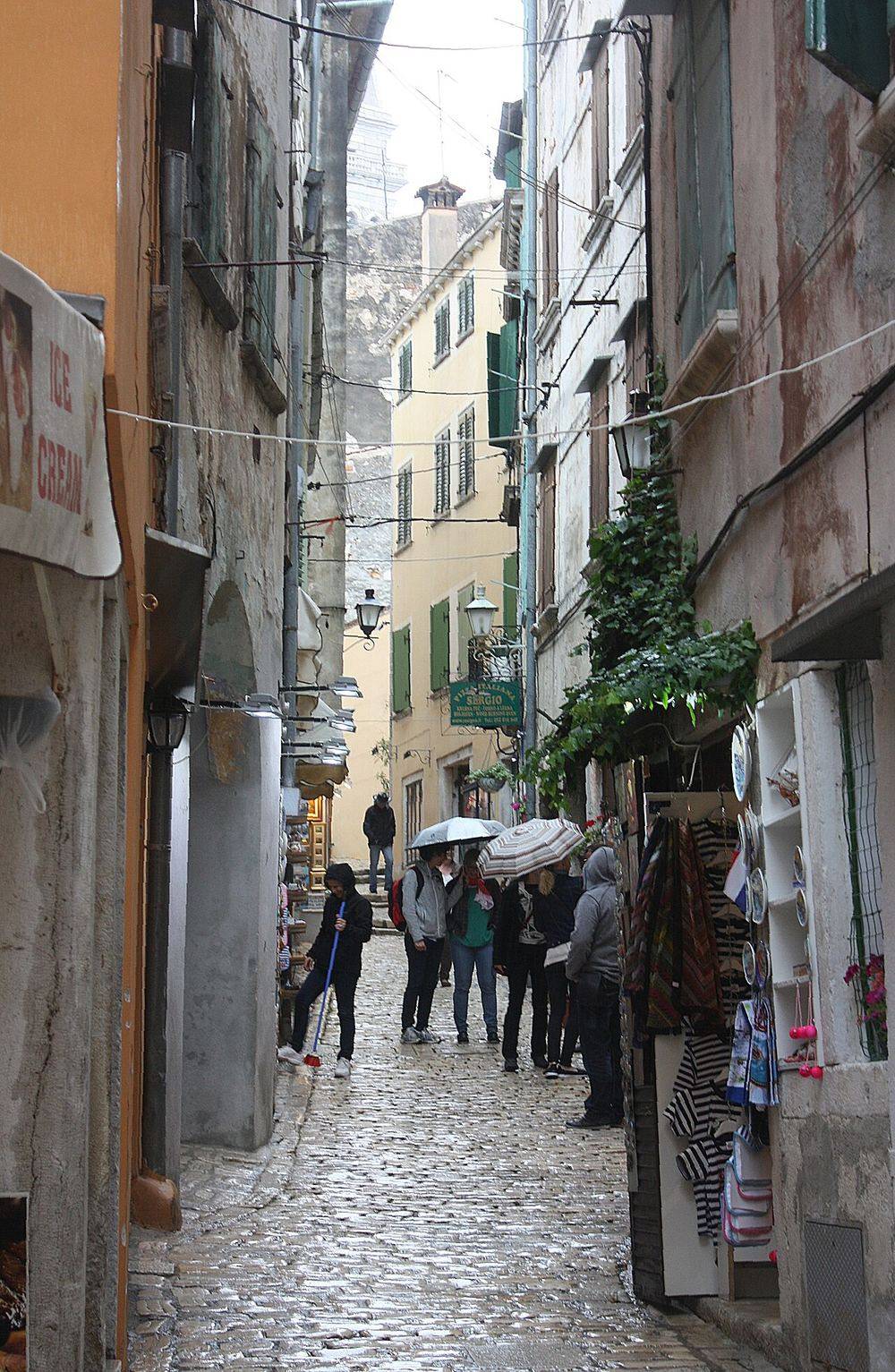
- The old town: stone apartments with the sea under the window, stairs instead of streets, no car, restaurants at the door and noise until midnight in July. Best for couples and for anyone without children or heavy bags.
- Monte and the hill above the harbour: villas and pensions ten minutes on foot from the centre, parking in the street, quiet at night. The default for families.
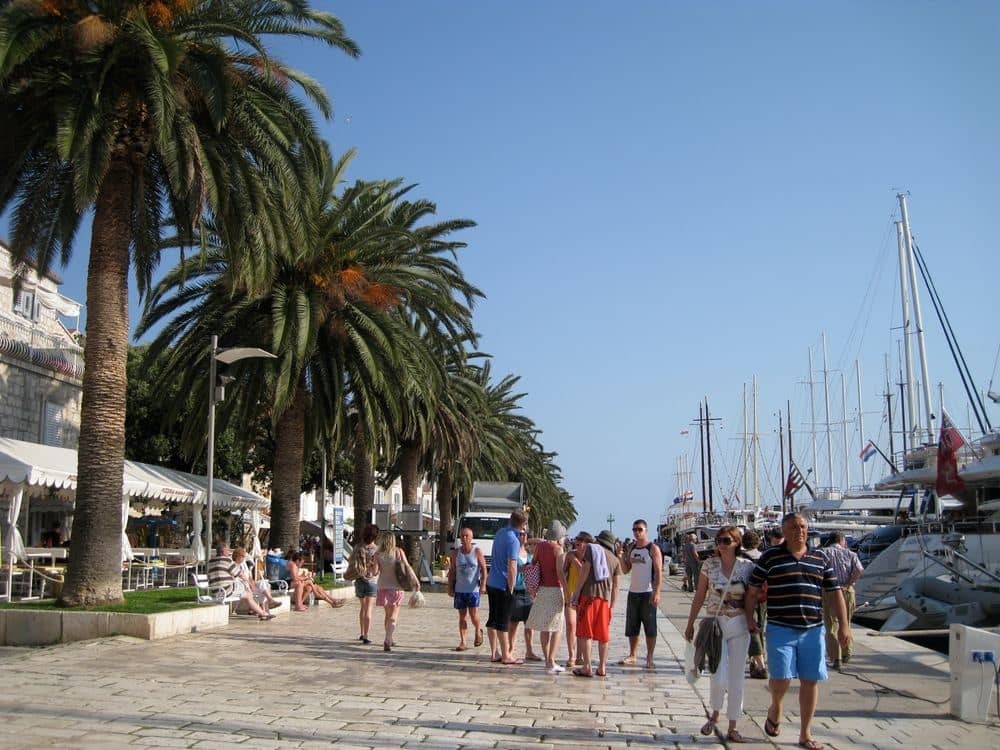
- Borik and the south towards Zlatni rt: the hotel zone by the forest park and the Lone bay, with the best swimming in walking distance and a twenty-minute seafront walk into town.
- Rovinjsko Selo, Bale and the villages inland: stone houses with pools at half the price, fifteen minutes by car, and the only option if you book in July for August.
The beaches, honestly
Zlatni rt, the Punta Corrente forest park south of the town, is the reason Rovinj works as a beach holiday: two kilometres of pine woods on a peninsula, with rock ledges and pebble coves all the way round, shade at every hour and a path for bikes and prams. Lone bay at its entrance is the family beach, with a sloping pebble shore. In town, Balota under the old town walls is where locals swim before work, from flat rocks straight into deep water. The islands change everything: Sveta Katarina, five minutes by boat from the harbour, and Crveni otok, fifteen minutes, have the quietest coves, and the boats run every half hour in season. North of the town, Amarin and Valalta are campsite beaches, the latter naturist.
Parking and getting around
The old town is closed to traffic. The large car park at Valdibora on the north harbour is the one everyone uses, and it charges by the hour at rates that make a week's parking a real line in the budget; the garage by the bus station and the car parks towards Borik are cheaper per day. Guests with accommodation in the centre usually get a permit for the loading zone from the host for arrival and departure only. Once parked, leave the car: the town is twenty minutes across on foot, the tourist train and the boats cover Zlatni rt and the islands, and the bus station has hourly services to Pula, Poreč and Pazin. A bike is the best purchase of the week, the seafront path to Zlatni rt and on to the Lim fjord is flat.
Five day trips within an hour
- Lim fjord: the ten-kilometre sea inlet north of town, by bike along the coast or by boat from the harbour, with oyster farms and a viewpoint on the road to Vrsar.
- Bale and Dvigrad: a hill town of stone alleys and the ruined medieval city in the woods above the Lim valley, twenty minutes by car.
- Poreč and the Euphrasian basilica: forty minutes north, the sixth-century mosaics are the finest in Croatia; our basilica guide has the details.
- Pula and Brijuni: the Arena is forty minutes south, the boat to Brijuni leaves from Fažana on the way.
- Motovun and the truffle valley: an hour inland, best on a weekday, with lunch in Livade during the truffle season from October.
When to come: June and September have the sea at 23 degrees and the town at half its August density; the last week of September is the Weekend Media Festival, when the hotels fill with a different crowd. Book the old town by March for July, and look inland for anything later.
Frequently asked questions
- Does Rovinj have sandy beaches?
- No. The coast is rock and pebble, with concrete platforms in the town and pine-shaded coves in the Zlatni rt park. Water shoes make the difference; the water itself is among the clearest in Istria.
- Can I drive into the old town?
- No, and you would not want to: the streets are stairs. Apartments in the old town mean carrying luggage from the Valdibora car park, five to fifteen minutes. Ask the host for a loading permit if you have a lot.
Share this guide
Questions about your trip?