36 official dog beaches, three documents, one best season. The essentials, short.
Checked: 18 October 2026, 19:11
Entry is simple: EU pet passport, microchip, valid rabies vaccination. That covers dogs from any EU country, with no extra border paperwork.
The beaches
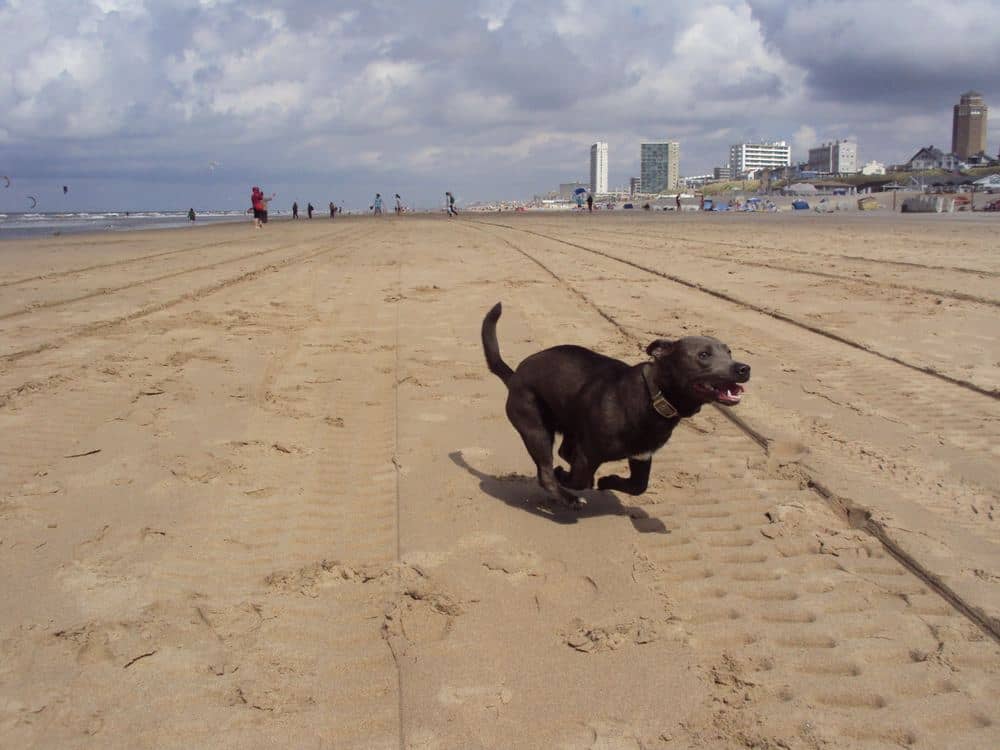
Croatia signs its dog beaches town by town. Blue Flag beaches are off limits, everything signposted is yours. Eight favourites:
| Town | Beach | Region |
|---|---|---|
| Crikvenica | Monty's Dog Beach & Bar | Kvarner |
| Pula | Saccorgiana | Istria |
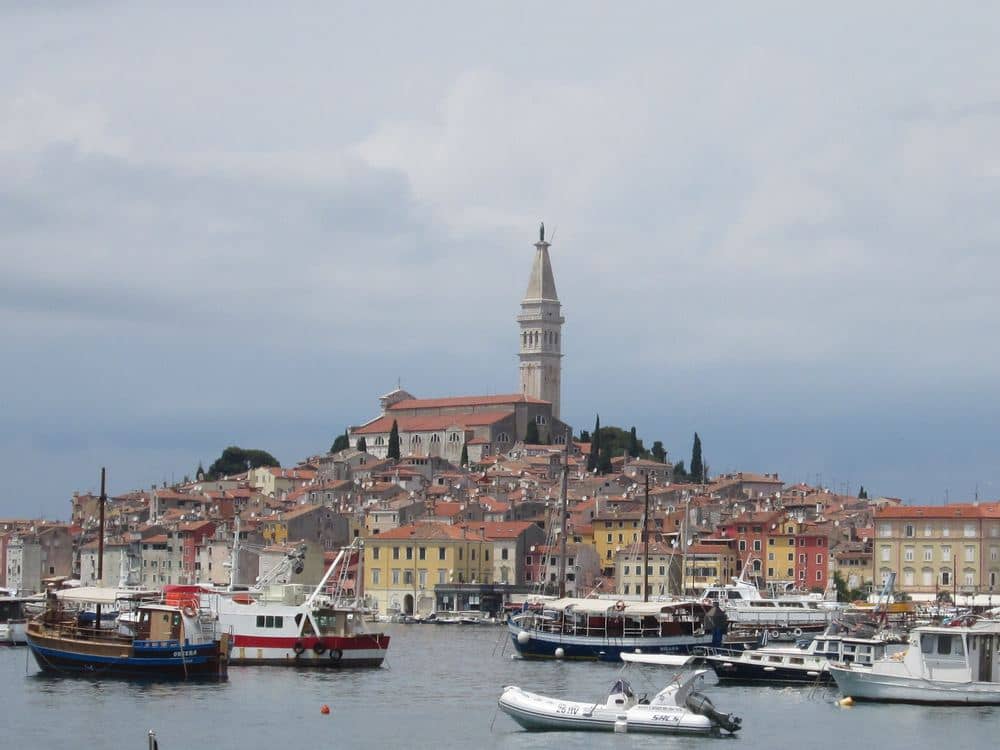
| Rovinj | Cuvi | Istria |
| Fažana | Bi Dog Beach | Istria |
| Baška (Krk) | Vela plaža | Kvarner |
| Šilo (Krk) | Punta Šila | Kvarner |
| Makarska | Cvitačka | Dalmatia |
| Hvar | Zaraće | Dalmatia |
Day to day
| Situation | Rule |
|---|---|
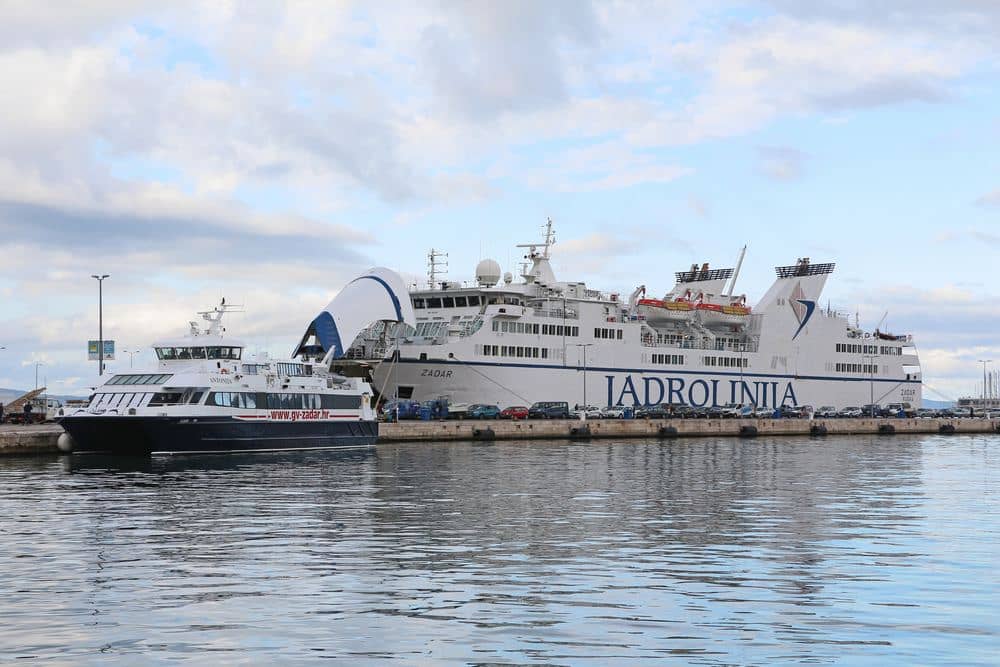
| Ferry (Jadrolinija) | Deck only, leash and muzzle |
| Cafés and restaurants | Terraces usually yes, ask first |
| Buses and trams | Leash and muzzle required |
| National parks | On a leash, Plitvice included |
Entry from the UK, US, Canada and Australia
The passport rule above covers dogs that live in the EU. A dog from the United Kingdom, the United States, Canada or Australia enters on an EU animal health certificate instead. The order matters: microchip first, then a rabies vaccination at least 21 days before arrival, then the certificate, issued by an accredited vet within 10 days of your arrival in the EU and endorsed by your national authority, USDA APHIS in the US, the CFIA in Canada, the Department of Agriculture in Australia. In the UK an Official Veterinarian issues it directly. Each of these countries is on the EU's low-risk list, so no rabies blood test is needed. Once you are in, the certificate covers 4 months of travel inside the EU, and you may bring up to 5 animals.
The EU point of entry is the first EU airport or port you reach, and that is where the certificate is checked. A dog routed through Frankfurt or Amsterdam clears there and lands in Split as a domestic passenger. If you fly into Croatia direct, the international airports are listed entry points with a vet on duty, as are the main road crossings from Bosnia, Serbia and Montenegro. The return needs its own dates. Britain requires a tapeworm treatment by a vet 1 to 5 days before the dog arrives back, entered in the same certificate, and a dog enters Britain by car, by ferry or as air cargo, the cabin route does not exist. The US asks for a CDC Dog Import Form and a dog at least 6 months old. Australia requires an import permit, a rabies blood test months ahead and quarantine at Mickleham, which rules out a holiday dog in practice.
| Home country | Into Croatia | Back home |
|---|---|---|
| UK | Animal health certificate from an Official Vet, 10-day window | Tapeworm treatment 1 to 5 days before, by car, ferry or air cargo |
| US | EU certificate endorsed by USDA APHIS | CDC Dog Import Form, dog 6 months or older, microchip |
| Canada | EU certificate endorsed by the CFIA | Rabies vaccination certificate |
| Australia | EU certificate endorsed by the Department of Agriculture | Import permit, rabies titre test, quarantine at Mickleham |
Getting there with a dog
Flying is the hard part. The low-cost airlines that fly from Britain to Croatia carry no pets at all and British Airways moves dogs as cargo, so most British owners drive: Calais to Istria is about 1,500 km through France, Germany, Austria and Slovenia, 2 days with stops, the dog stays in the car on LeShuttle, and the Austrian and Slovenian vignettes are bought online before you cross. From North America a dog that fits under the seat flies in the cabin on the European carriers that connect through Frankfurt, Munich, Vienna, Amsterdam or Paris. A larger dog goes in the hold, and some airlines refuse hold bookings in July and August because of the heat on the apron. Reserve the dog's place before you buy your own seat, each flight takes only a few.
The Jadrolinija ferries from Ancona to Split, and to Zadar in summer, take dogs on deck on the same terms as the coastal lines. Ask at booking where the dog spends the night, the answer differs by ship. After a fault on the ship Dalmacija the Bari to Dubrovnik line has no sailing left in 2026 and Split to Ancona is cancelled until 2 November 2026, so until then the way in is by road, for the south along the coast road over the Pelješac bridge. From Trieste the Istrian border is under an hour, which makes Venice a workable airport for Istria with a dog.
Getting around with a dog
A car solves most of it. The big hire companies at the Croatian airports accept dogs, and a seat cover plus a quick vacuum before you hand the car back avoids the cleaning charge. On the Jadrolinija car ferries you leave the vehicle deck for the crossing and the dog comes up with you. The catamarans are the catch: the fast boats between Split, Hvar, Korčula and Dubrovnik take a small dog in a carrier at most and several refuse dogs entirely, so a dog owner's island route runs on the car ferries and takes longer. Taxi and Uber drivers decide for themselves, and the small boats from the Old Port in Dubrovnik to Cavtat are the skipper's call.
- Trains from Zagreb to Rijeka or Split: leash and muzzle, and a ticket for the dog bought with your own.
- Kotor and Mostar day trips take the dog out of the EU and back in. Simple on an EU passport, keep to Croatia on a certificate.
- Split to Dubrovnik by road: the Pelješac bridge avoids the Neum corridor and its 2 Bosnian border posts.
- Krka: leash the whole way, and the swimming ban at Skradinski buk since 2021 covers dogs as well.
Where to stay with a dog
Most beds on the coast are private apartments, and the pet filter on the booking sites does the work. Expect a small nightly charge for the dog and a house rule about the sofa. Campsites are the easiest of all: the big sites in Istria and on Krk have dog showers, marked dog zones and in some cases their own stretch of dog beach. Hotels are the hardest, small dogs by request with a daily fee, and the big hotels in Dubrovnik and Hvar are the least likely to say yes. Choose the coast by beach count. Most of the 36 signed beaches are in Istria and Kvarner, which also have the pine shade. Dalmatia has the warmer sea and fewer places to take the dog into it.
| Coast | Base | Why |
|---|---|---|
| Istria | Rovinj, Fažana, Pula | Most dog beaches, pines, the Parenzana trail, campsites built for dogs |
| Kvarner | Crikvenica, Baška, Šilo | The beach bar at Monty's, 2 beaches on Krk, Rijeka airport on the island |
| Dalmatia | Makarska, Hvar | Warmest sea, mountain paths above Makarska, fewest dog beaches |
Heat, hazards and the vet
July and August are hard on a dog. Stone quays and concrete platforms are too hot for pads by mid-morning, so the beach is before 9 and after 6 and midday is for the apartment with the shutters down. Most dog beaches have no shade. Carry fresh water, a dog that drinks seawater is ill by evening. The coast has 3 hazards new to most visitors. Sandflies on the Dalmatian coast and islands carry leishmaniasis from May to October, so fit a repellent collar before you leave home. Pine processionary caterpillars come down from the coastal pines in late winter and spring and burn a dog's mouth on contact. The nose-horned viper lives in dry karst scrub, one more reason for the leash on hill paths. Sea urchins sit on every rock, check the pads after each swim.
Every town has a veterinarska ambulanta and the resort towns have several. You walk in without an appointment, the younger vets speak English and cards are taken. Bring the passport or certificate to every visit, a treatment counts only once it is written in. Ticks are active from March and heartworm is present along the coast, so a monthly preventive from your own vet covers the trip. For an emergency after hours ask your host which vet answers at night, that knowledge is local and reliable.
Month by month with a dog
April and May: the sea is around 15 degrees, too cold for most dogs to want more than paws in, and the dog beaches are empty. Walks are the point, the Parenzana in Istria, the island tracks, the national parks before the coaches. June: the sea reaches 22 degrees, the dog beaches fill from the middle of the month and the town rules that keep dogs off the main beaches switch on. July and August: the hot months, plan around the heat as above and book the pet apartment months ahead. October: afternoons of 21 degrees in Split, Hvar and Dubrovnik, the sea holds 20 until the middle of the month, and a jugo storm cancels the ferries for a day. November to March: apartments shut, ferries thin out and the beaches belong to the dog.
Frequently asked questions
- Are dogs allowed on Croatian beaches?
- On the signposted dog beaches, yes. Croatia has 36 official ones from Umag to Hvar. Blue Flag beaches never allow dogs.
- What does my dog need to enter Croatia?
- EU pet passport, microchip and a valid rabies vaccination. Nothing else from EU countries.
- When is the best time for a beach holiday with a dog?
- September. The sea stays warm into October, the summer restrictions ease and the beaches empty out.
Official sources
Share this guide
Questions about your trip?