What the rental desk asks for, what the insurance really covers, what ferries and border trips cost, and the extra charges that make a cheap rental expensive.
Checked: 2 October 2026
A car is the easiest way to see the parts of Croatia that buses and catamarans serve badly: the hill towns of Istria, the Dalmatian hinterland, Plitvice and Krka on the same trip, and the quiet coves at the end of island roads. It is the wrong tool for a city break in Dubrovnik or Split, where the old towns are pedestrian and a garage costs 30 to 45 euro a day in Dubrovnik and 15 to 25 euro in Split. This guide explains what the rental desk will ask for, what the insurance options actually cover, what ferries and border crossings cost, and the extra charges that turn a cheap online price into an expensive week.
When a car is worth it
Rent for the days you leave the cities, not automatically for the whole trip. A common pattern: arrive in Split, spend two days in town on foot, pick up the car on day three for Krka, Šibenik and the coast road north, and return it before you take the catamaran to the islands. From Zagreb a car is the simplest way to combine Plitvice with the coast; our Plitvice day trip guide compares it with buses and tours. In Istria, where most of the inland towns have little public transport, a car for the whole stay makes sense, and the same is true for families who move every few days.
Picking up at the airport
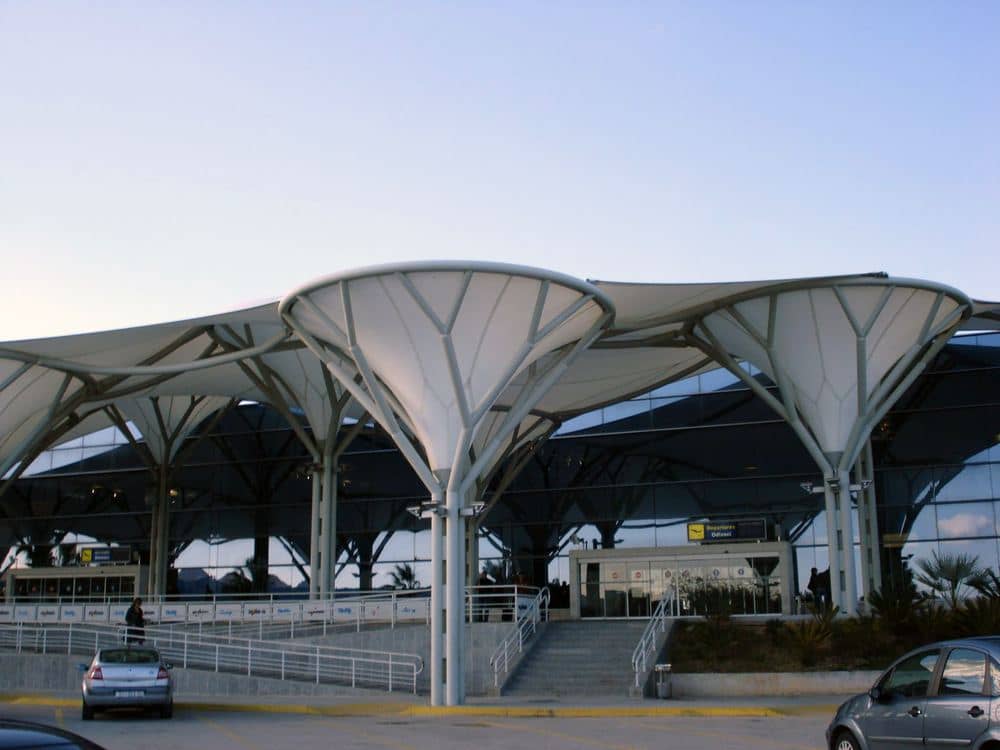
Zagreb, Split and Dubrovnik airports have the rental desks in or next to the arrivals hall; in Split some budget brands are 5 minutes away by their own minibus, which adds a wait at busy times. Rijeka airport stands on the island of Krk, 30 km from the city, so a car collected there starts on the island side of the bridge. If you need a car for one day only, compare it with a transfer: from Zagreb airport to Plitvice a pre-booked transfer costs 120 to 160 euro for the car, a rental for the day 40 to 60 euro. For a city stay without day trips, the airport shuttle and Uber or Bolt, which work at all three main airports, cost less than a car that stands in a garage.
What you need at the desk
Bring your driving licence, a passport or EU identity card and a credit card in the main driver's name. The credit card matters most. At Sixt, for example, the renter must own the card, debit and prepaid cards are not accepted, and the company blocks a security deposit of at least 1,200 euro for its smallest cars and more for larger ones. Other companies ask for 300 to 1,500 euro depending on the excess, and many refuse debit cards as well, so read the payment line of the exact offer before you pay.
Driving licences from EU countries are accepted everywhere. A US or UK licence is accepted for tourist stays, and an international driving permit is not legally required, although some desks and the occasional police officer ask for one. A licence printed in a non-Roman alphabet must come with an international driving permit.
Age rules differ by company and car class. Sixt rents its smaller categories from 18, charges a young driver surcharge under 22 and asks for drivers of 25 with a licence held for two years in its larger categories. Drivers over 70 pay 12 euro a day there, at most 60 euro per rental.
What the insurance really covers
Croatian rentals include third-party liability and usually a collision damage waiver, the CDW. The CDW does not make you free of risk: it caps what you pay after damage at the excess. At Sixt the excess starts at 825 euro for the smallest cars and rises to 2,150 euro for the largest. The desk will offer to reduce it, at Sixt to between 200 and 480 euro, or to zero with its top option. Theft protection works the same way, with the same excess.
Read what the reduced and zero-excess covers leave out. Sixt's top covers exclude damage to the underside of the car, tyres and wheels, mirrors, lights, the interior, lost keys and wrong fuel, and any damage caused by negligence. On the islands a common and expensive damage is a scrape under the car on a gravel road to a remote beach, so even with full cover, drive those tracks slowly or leave the car at the top. Tyres and glass can be covered by a separate option.
The alternative is a separate excess insurance, sold by comparison sites and insurers. It pays you back after a claim, but the rental company still blocks the full deposit on your card and charges the damage first, so you need enough credit limit either way.
Ferries and islands
Taking a rental car to an island needs the company's permission, and some charge for it. At Sixt the island and ferry fee is mandatory: 3 euro a day, at most 21 euro per rental, and anyone who skips it and damages the car on a ferry loses all protection. Tell the desk which islands you plan to visit and keep the confirmation in the car.
If you book the ferry before you have the car, Jadrolinija asks customers to enter RENTAL in the registration field. Our guide to car ferry reservations explains which crossings to book ahead and what to check when you collect the car.
Bosnia, Montenegro and Slovenia
Since the Pelješac Bridge opened in July 2022, the drive from Split to Dubrovnik no longer has to pass through Neum in Bosnia and Herzegovina, and companies such as Sixt exempt the Neum corridor from their cross-border charge in any case. A day trip to Mostar or to Kotor in Montenegro is a real border crossing: the company must allow the country, you need the green insurance card in the car, and you pay a cross-border fee, at Sixt 9 euro a day and at most 45 euro per rental. Some Croatian companies do not allow Montenegro at all, and driving abroad without permission voids the protection.
Leaving Croatia to the north, Slovenia and Austria charge for their motorways with a vignette. Our guide on driving to Croatia explains the vignettes, the tolls and which roads avoid them.
One-way rentals
Picking up in Zagreb and returning in Dubrovnik saves a long drive back, and the larger companies allow it within Croatia. The one-way fee depends on the company, the season and the length of the rental, and some Croatian companies drop it for longer rentals, so compare the total price with the drop-off location already entered, not the daily rate.
Costs beyond the daily rate
| Charge | Amount |
|---|---|
| Island and ferry fee | 3 euro a day, at most 21 euro |
| Cross-border fee (Bosnia, Montenegro and other allowed countries) | 9 euro a day, at most 45 euro; Neum corridor exempt |
| Driver over 70 | 12 euro a day, at most 60 euro |
| Road fund fee | 1.25 euro a day, at most 12.50 euro |
| Return to another station without notice | 20 euro |
| Late return | a full extra day after 29 minutes |
| Deposit, smallest cars | 1,200 euro on a credit card |
On the road, budget for motorway tolls: around 25 euro from Zagreb to Split, about 10 to Rijeka and about 40 all the way to Dubrovnik. Fuel prices are capped by the government and adjusted weekly; in mid-September 2026 they were 1.73 euro a litre for petrol and 1.85 euro for diesel. Child seats cost 5 to 10 euro a day when booked ahead, and rentals from airports and railway stations can carry a location surcharge. Our guide to driving in Croatia covers speed limits, parking zones and fines.
Manual or automatic
Most Croatian rental fleets are manual. Automatics exist in most classes but there are fewer of them, and for July and August they sell out by June, so book an automatic when you book the flight.
Pickup and return checklist
- Photograph every panel, the wheels, the windscreen and the fuel gauge before you drive off, and again when you return.
- Check that the warning triangle, reflective vest and first-aid kit are in the car; rentals include them.
- Return the car with the same fuel level; at every airport the nearest station is about 5 minutes away.
- Keep every parking and toll receipt: unpaid fines reach rental customers months later as a card charge plus an administration fee.
- Return on time: at Sixt anything later than 29 minutes counts as an extra day.
- From 15 November to 15 April, signposted roads require winter tyres or chains on board; ask whether they are included.
The cheapest headline price is rarely the cheapest week. Compare offers with the same excess, the same fuel rule and the one-way and ferry fees included, and read the deposit line before you book: that number decides whether your card works at the desk.
To compare such offers side by side, see current prices on Discover Cars for Split Airport, Dubrovnik Airport and Zagreb Airport. These are affiliate links: if you book, Croatia Atlas receives a commission, and the price stays the same for you.
Frequently asked questions
- Do I need a credit card to rent a car in Croatia?
- In practice yes. The deposit is blocked on a credit card in the main driver's name; Sixt does not accept debit or prepaid cards, and many other companies refuse debit cards as well. The amount ranges from about 300 euro to 1,500 euro or more, depending on the company, the car and the excess.
- Can I take a rental car on the ferry to the islands?
- Yes, with the company's permission. Tell the desk which islands you plan to visit; at Sixt the island and ferry fee is 3 euro a day, at most 21 euro per rental, and without it damage on a ferry is not covered.
- Can I drive a Croatian rental car to Bosnia or Montenegro?
- Usually, if the company allows the country, you carry the green card and you pay the cross-border fee, at Sixt 9 euro a day and at most 45 euro. The Neum corridor is exempt at Sixt, and since 2022 the Pelješac Bridge lets you avoid it. Some companies do not allow Montenegro.
- Do I need an international driving permit in Croatia?
- Not with an EU licence, and with a US or UK licence it is not legally required, although some rental desks ask for one. A licence in a non-Roman alphabet must come with an international driving permit.
Official sources
Share this guide
Questions about your trip?