Konoba, gostionica, pekara or buregdžinica: what each place serves, what to order in Zagreb, Istria, Kvarner, Dalmatia and Slavonia, restaurant prices in 2026, tipping, cover charge, bookings, the winter break and Croatia's 14 Michelin-starred restaurants.
Checked: 24 October 2026, 22:30
Štrukli in Zagreb, fuži with truffles in Istria, scampi from the Kvarner Gulf, pašticada in Split, kulen in Slavonia. Croatia cooks five regional kitchens, and each has its own places to eat. This guide covers the types of restaurants, what to order in each region, prices in 2026, tipping, the cover charge, bookings and the winter break on the coast. Restaurant names are in our four city guides for Zagreb, Split, Dubrovnik and Rovinj. Those guides are an editorial selection based on the Michelin Guide, Gault&Millau and the restaurants' own pages. The facts on this page are as of October 2026 and come from the guides, the regional tourist boards and the state statistics office DZS.
Restaurant guides by city
| City | Region | Dishes to look for | Guide |
|---|---|---|---|
| Zagreb | Zagreb and the continent | štrukli, purica s mlincima, krpice sa zeljem | Where to eat in Zagreb |
| Split | Central Dalmatia | pašticada, brudet, black risotto, marenda | Where to eat in Split |
| Dubrovnik | Southern Dalmatia | Ston oysters and mussels, black risotto, peka | Where to eat in Dubrovnik |
| Rovinj | Istria | fuži with truffles, maneštra, boškarin | Where to eat in Rovinj |
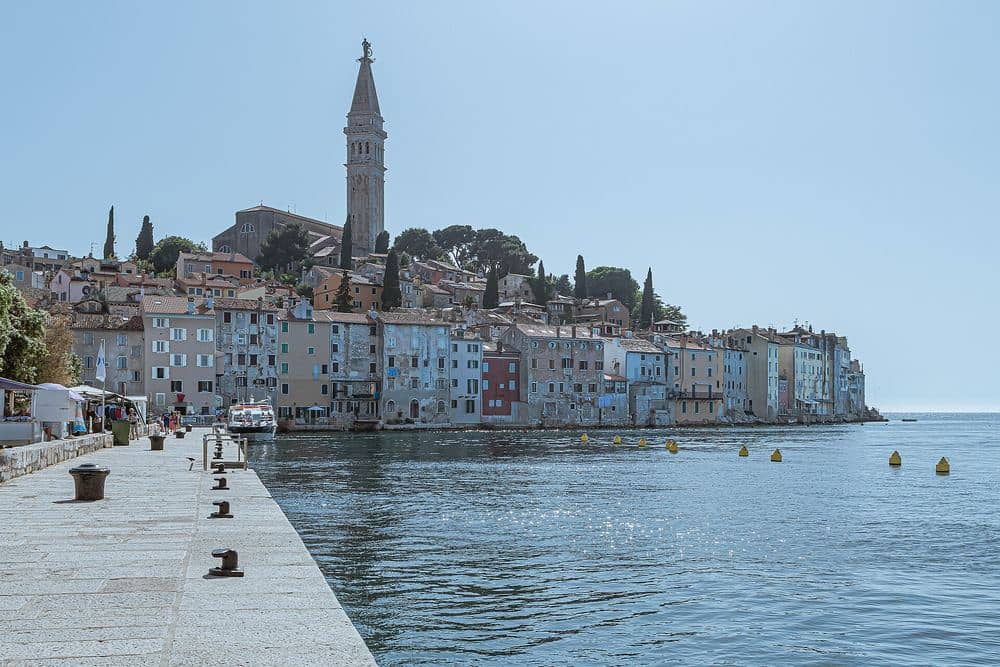
Each city guide lists 8 to 12 places, from fine dining to a konoba, a bakery or a market, with the area, the price level, awards and what to order. Zagreb has Nuré, named opening of the year by Michelin in 2026 and one of three new Bib Gourmands. Split and Dubrovnik cook Dalmatian fish and seafood, and both guides say to check opening hours outside the season. Rovinj is home to Agli Amici, which kept its two Michelin stars in 2026 and is the only two-star restaurant in Croatia.
Advertisement
Konoba, gostionica, pekara: where Croatians eat
Croatian signs and menus use a handful of words for places to eat. Each one says what will be on the table and roughly what it costs.
- Konoba: in Dalmatia the word first meant a cellar for wine and oil. Today it is a family-run restaurant with local dishes, house wine and often a grill or an open hearth. In inland Istria the tourist board lists veal under the bell, ombolo, fuži in game sauce and maneštra as typical konoba dishes.
- Gostionica: an inn, the continental counterpart of the konoba. Expect stews, roasts, štrukli and a set lunch on weekdays. In Zagreb the cheap weekday lunch is called gablec.
- Restoran: the general word for a restaurant with a full menu, from a hotel dining room to a Michelin-starred address.
- Bistro: smaller, with a shorter menu, open for lunch and dinner in the city centres. Two of the three new Bib Gourmands in 2026 call themselves bistros.
- Pekara: the bakery. It opens early and sells bread, kifle, pizza slices, pastries and burek, eaten standing or on the way.
- Buregdžinica: a burek shop. Burek is a baked filo pie with meat (meso), cheese (sir), spinach or potato, sold by the piece or by weight and usually drunk with a glass of yoghurt.
- Ćevabdžinica or grill: ćevapi, small grilled rolls of minced meat, in lepinja flatbread with chopped onion and ajvar.
- Slastičarnica: the cake and ice cream shop. Order kremšnita, the custard slice Samobor near Zagreb is known for, or a scoop of ice cream on the coast.
- Pivnica and vinoteka: the beer hall and the wine bar. Many serve cold cuts, cheese and small hot dishes alongside the drinks.
Advertisement
What to order, region by region
Zagreb and continental Croatia
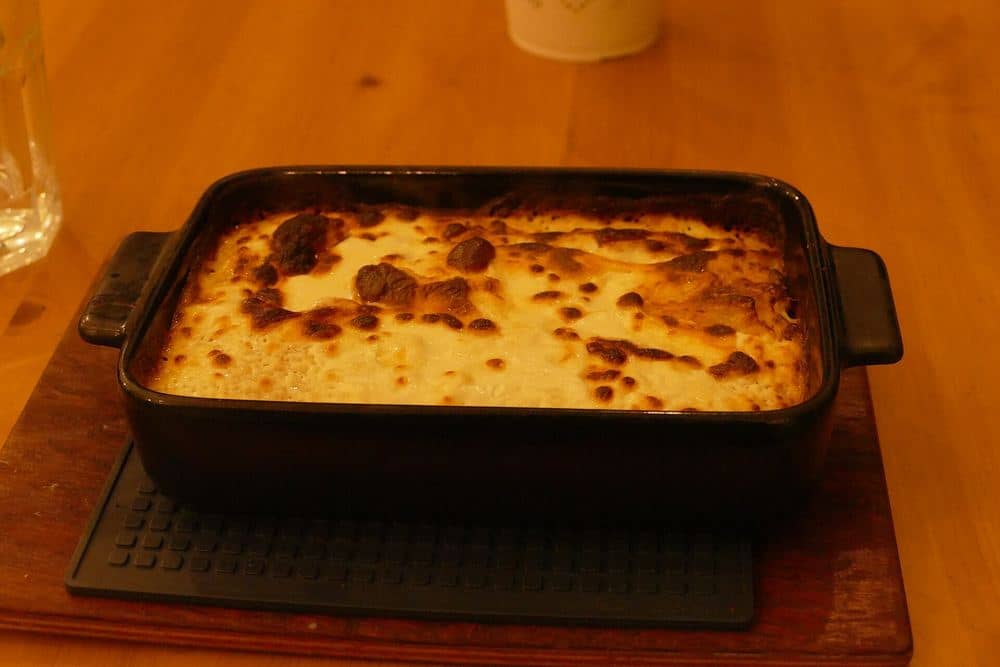
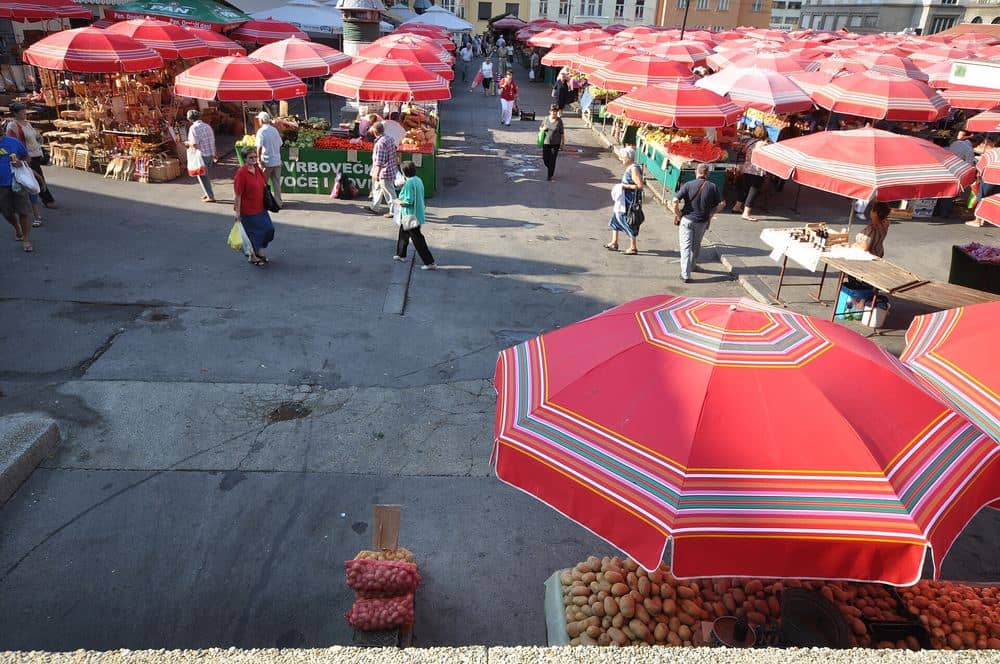
Zagreb's tourist board counts zagorski štrukli among the most popular dishes of the capital and the Zagorje hills: dough filled with fresh cottage cheese and eggs, boiled or baked and finished with cream. Croatia's Ministry of Culture protects homemade štrukli as intangible cultural heritage. Purica s mlincima is roast turkey, often stuffed, served with mlinci, thin baked dough sheets softened in the roasting juices. Krpice sa zeljem are pasta squares with braised cabbage, a cheap and filling lunch. For a cold plate, order sir i vrhnje, fresh cheese with sour cream, sold at the city's markets.
Istria
The Istria tourist board calls fuži the best-known Istrian pasta: thin sheets rolled into tubes three to five centimetres long. Pljukanci are hand-rolled spindles. Both come with truffles, with game sauce or with boškarin, the native Istrian ox that was once a draught animal. The white truffle season peaks in October. Maneštra is a thick soup of beans, potatoes, cured meat and seasonal vegetables. Before the main course, konobas serve pršut dried in the bura wind, ombolo and sheep's cheese; with dessert come fritule and kroštule. The local wines are Malvazija, Teran and Muškat.
Advertisement
Kvarner
In the Kvarner Gulf the tourist board names scampi as the signature catch: served raw and marinated, in risotto or alla buzara, stewed with wine and garlic. On the island of Krk, Vrbnik is home to šurlice, hollow hand-rolled pasta once made only for weddings and holidays and now served with scampi or lamb stew. Lamb from Cres and Krk grazes freely on the island pastures and is often cooked under the peka. Rab cake is made from almonds, lemon, sugar, eggs and maraschino; the island dates the recipe to 1177.
Dalmatia
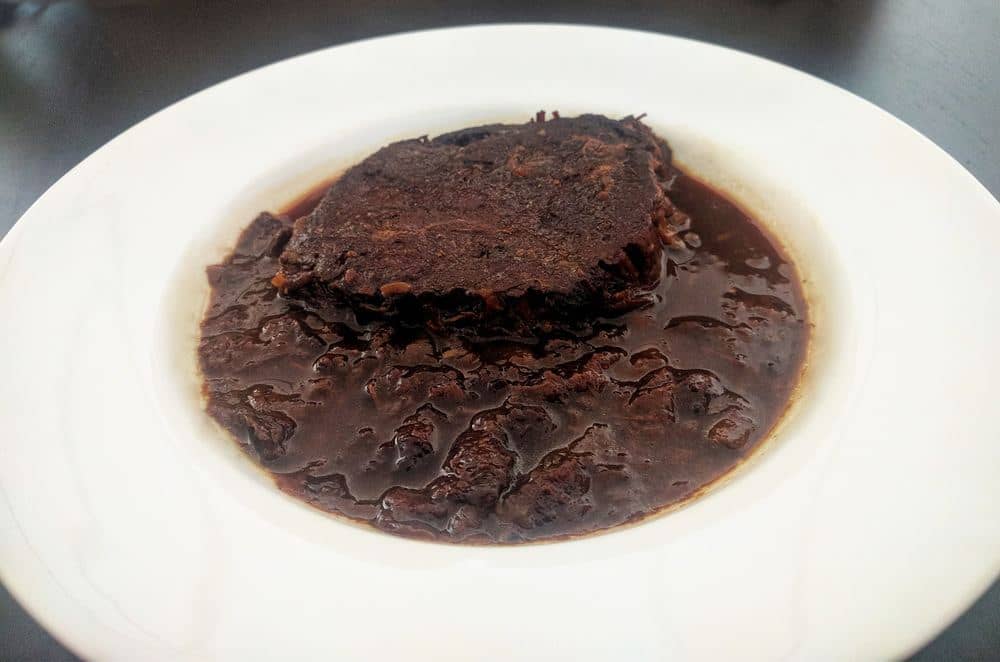
Dalmatia eats marenda, a hearty meal between about 10 and 12 o'clock that the Split-Dalmatia tourist board traces to the breaks of workers in factories and shipyards. Pašticada leads the list: beef marinated and braised for hours in a rich sauce, served with gnocchi. Peka is a method: meat or octopus cooks slowly under an iron bell covered with embers, and many konobas ask for the order in advance. Brudet is fish stewed in a wide pot. Black risotto gets its colour from cuttlefish ink. Around Ston on the Pelješac peninsula, an hour from Dubrovnik, the local order is farmed oysters and mussels.
Advertisement
Slavonia and Baranja
The east cooks with paprika and river fish. Kulen is a spicy smoked pork sausage, eaten in slices with bread. Čobanac is a goulash-style stew, in Baranja often made with venison. Fiš paprikaš is a spicy stew of river fish such as carp and catfish, cooked in a cauldron over an open fire. Perkelt with homemade noodles, cottage cheese and fried bacon appears on many menus. The Osijek tourist board names plum dumplings and strudel for dessert and Graševina as the region's white wine.
What eating out costs in 2026
Restaurant prices are rising faster than prices overall. In September 2026 annual inflation in Croatia was 4.7 percent, while restaurants and accommodation rose by 6.5 percent, behind only transport at 16 percent and housing and energy at 11.7 percent. The figures come from the second estimate of the statistics office DZS, as reported by Dnevnik.hr. In June the rate for restaurants and accommodation stood at 5.8 percent.
Ćevapi show the trend. In April 2025 the news site Index.hr checked prices in Zagreb: a portion cost from 7.60 euros for seven pieces at a grill chain to 14.30 euros with kajmak in a pub, as Croatia Week reported. A few years earlier a portion cost about 25 kuna, around 3.40 euros. A meat producer quoted in the report put the rise down to beef, which had gone up by more than 30 percent in a few months, plus labour, packaging and transport.
Price levels follow a pattern. A burek or a bakery breakfast is the cheapest meal in the country, followed by the weekday gablec in Zagreb and the marenda in Dalmatia. Prices rise in the coastal resorts in July and August. Our price overview lists ranges for coffee, pizza and grilled fish. From 17 November 2026 menus also show a second, earlier reference price next to the current one under the anchor price rule.
Advertisement
Cover charge, tips and paying
Some restaurants, mostly on the coast, charge a cover per person for bread and the table setting, called kuver. Look for it on the menu; if bread arrives unasked, ask whether it costs extra.
Tipping is voluntary. Rounding up, or 5 to 10 percent for good service, is common. Figures from the tax office Porezna uprava show how much goes through the till: in 2025 guests added a tip on 12,971,046 fiscal receipts, worth 52.6 million euros in total. August was the peak month, with 2,239,986 receipts and 11.2 million euros, about 5 euros per receipt. Cash tips handed to the waiter are not in these figures.
Cards work in most restaurants. Cash is still handy at markets, bakeries, burek shops and small village konobas. Card terminals rarely prompt for a tip, so leave it in coins and notes or tell the waiter the total to charge before paying.
Advertisement
Booking, season and the winter break
Book ahead for restaurants in the Michelin and Gault&Millau selections, for any table with a sea view on summer evenings and for peka, which many konobas prepare only to order. Most places take bookings by phone, by email or through a form on their own website. Lunch is the easier slot to get at short notice.
The coast runs on a season. Many restaurants on the islands and in the resort towns close for part of the winter, and the dates differ from place to place. Check opening hours outside the season before a trip, on the restaurant's own website or its social media pages. The cities eat out all year: Zagreb, Rijeka, Split, Zadar and Osijek keep most kitchens open in winter, and Zagreb's Advent from 28 November 2026 adds food stalls across the Lower Town. Our guide to Croatia in winter lists what else stays open.
Advertisement
Croatia in the Michelin Guide
Michelin published its 2026 selection for Croatia on 26 June 2026. It lists 112 restaurants: one with two stars, 13 with one star, 14 with a Bib Gourmand and 84 recommended. That makes 14 starred restaurants, one more than a year earlier. Agli Amici in Rovinj kept its two stars. Harry's Piccolo in Poreč won the only new star. The three new Bib Gourmands went to Bistro Loora in Đakovo, Lulu Fusion Bistro in Osijek and Nuré in Zagreb.
On 24 October 2026 the guide's website listed 111 Croatian restaurants, with one fewer in the recommended group; the counts for stars and Bib Gourmands were unchanged. The Bib Gourmand marks good cooking at moderate prices and is the most useful category for everyday meals. Michelin also handed out special awards in 2026: Nuré in Zagreb for the opening of the year, Marin Pleše of Vila Rova in Malinska as young chef, Branimir Vukšić of Pelegrini in Šibenik as sommelier and Monte in Rovinj for service.
Gault&Millau and Falstaff
Gault&Millau presented its ninth Croatia guide on 17 March 2026 at the Esplanade hotel in Zagreb. It covers 422 places, including bistros, konobas, snack bars, pastry shops and casual POP addresses, rated out of 20 points and with toques. 74 restaurants count as the best rated, 16 of them with four toques. Chef of the Year went to Stiven Vunić of Konoba Zijavica in Mošćenička Draga. The award for traditional cooking went to Ivanka and Stjepan Grgos of Gostionica Kod špilje near Zagreb, and the best POP place was an oyster and sushi bar in Split.
Falstaff, the Austrian food and wine magazine, publishes a restaurant guide for Croatia that rates in points. According to the Istria tourist board, it rated traditional konobas in a category of their own for the first time, and several Istrian restaurants scored above 90 points. The three guides answer different questions: Michelin for a special dinner, the Bib Gourmand list and Gault&Millau's POP places for everyday meals, and Falstaff's konoba category for the countryside.
Advertisement
Food festivals and markets
Many dishes are easiest to try at a festival or a market. In October, Livade in Istria holds Truffle Days every weekend, Tinjan hosts ISAP, the Istrian prosciutto fair, and Lovran roasts chestnuts on three weekends at the Marunada. Hrvatska Kostajnica on the Una holds its own chestnut festival, Kestenijada. Kastav pours young belica wine at Bela nedeja on the first weekend of October, and on 11 November Martinje baptises the new wine across the country. Opatija hands its halls to chocolatiers at the Chocolate Festival in November, and Dubrovnik sets one long table on Stradun for the Good Food Festival. For a morning market, Rijeka's Placa has a fish hall and stalls of local produce.
Advertisement
Frequently asked questions
- What is the difference between a konoba and a restaurant in Croatia?
- A konoba is a family-run tavern with local dishes and house wine, often with a grill or open hearth; the word first meant a cellar in Dalmatia. Restoran is the general word for any restaurant with a full menu. In continental Croatia the konoba's counterpart is the gostionica.
- How much should I tip in a Croatian restaurant?
- Tipping is voluntary; rounding up or 5 to 10 percent for good service is common. Tax office figures for 2025 show tips on almost 13 million fiscal receipts, about 5 euros per receipt in August. Card terminals rarely ask, so leave cash or tell the waiter the total.
- How many Michelin-starred restaurants does Croatia have?
- The 2026 selection, published on 26 June 2026, has 14 starred restaurants: Agli Amici in Rovinj with two stars and 13 with one star, including the new star for Harry's Piccolo in Poreč. There are also 14 Bib Gourmands. On 24 October 2026 the guide listed 111 Croatian restaurants in total.
- Are restaurants on the Croatian coast open in winter?
- Many restaurants on the islands and in resort towns close for part of the winter, on dates that differ from place to place, so check opening hours before the trip. Cities such as Zagreb, Rijeka, Split, Zadar and Osijek keep most kitchens open all year.
- What should I order first in Croatia?
- It depends on the region: štrukli in Zagreb, fuži with truffles or maneštra in Istria, scampi or šurlice in Kvarner, pašticada, peka or black risotto in Dalmatia, and kulen or fiš paprikaš in Slavonia. For a cheap start anywhere, a burek from a bakery.
Sources
- Michelin: The MICHELIN Guide Croatia 2026
- MICHELIN Guide: restaurants in Croatia (accessed 24 October 2026)
- Gault&Millau Croatia 2026: award winners
- Istria tourist board: Falstaff restaurant guide
- Dnevnik.hr: DZS second estimate, inflation in September 2026
- Croatia Week: ćevapi prices in Zagreb, April 2025
- Porezna uprava: tips on fiscal receipts 2025
- Istria tourist board: dishes of green Istria
- Istria tourist board: the Istrian konoba
- Split-Dalmatia tourist board: the Dalmatian marenda
- Osijek tourist board: local cuisine
- Zagreb tourist board: Zagorje štrukli, protected cultural asset
- Zagreb tourist board: stuffed turkey with mlinci
Share this guide
Questions about your trip?
Make Croatia Atlas a preferred source
One click and Google shows you our stories more often in Top Stories and in AI answers. It changes your own results only.