Croatia uses the euro and is no longer the bargain of 2015, but it is still cheaper than Italy on most days. Coffee 2 euro, a pizza 12, dinner for two 60, a ferry 8. What a day costs at three budgets, how tipping works, where cards fail and which ATMs to avoid.
Checked: 15 September 2026
Croatia switched to the euro on 1 January 2023, and the years since have brought the prices that go with it: Dubrovnik and Hvar in August charge what Barcelona charges, while Zagreb, Istria's interior and Slavonia still feel like value. The numbers below are what we paid or saw on menus in September 2026, from a Zagreb cafe to a Hvar harbour terrace. Coastal prices in July and August run 20 to 30 percent above the spring and autumn figures.
| Item | Zagreb, inland | Split, Dubrovnik, islands |
|---|---|---|
| Espresso or macchiato | 1.60 to 2.20 | 2.20 to 3.50 |
| Beer 0.5 l in a bar | 3.50 to 4.50 | 4.50 to 7 |
| Pizza or pasta | 9 to 13 | 12 to 18 |
| Grilled fish, per person | 20 to 28 | 28 to 45 |
| Dinner for two with wine | 45 to 70 | 60 to 110 |
| Bakery burek and yoghurt | 3 to 4 | 4 to 5 |
| Double room, 3-star, per night | 70 to 110 | 110 to 220 |
| Apartment for four, per night | 80 to 130 | 130 to 300 |
| Inter-city bus, 200 km | 15 to 25 | 15 to 25 |
| Rental car, small, per day in summer | 40 to 60 | 50 to 80 |
What a day costs
- Backpacker, 60 to 80 euro: hostel bed or shared apartment, bakery breakfast, one sit-down meal, buses and ferries as a foot passenger, free beaches.
- Mid-range couple, 120 to 180 euro per person: private apartment or 3-star room, two meals out, a rental car every other day, one paid sight a day.
- Comfort, 250 euro per person and up: 4-star hotel on the coast in high season, fish dinners, private boat trips.
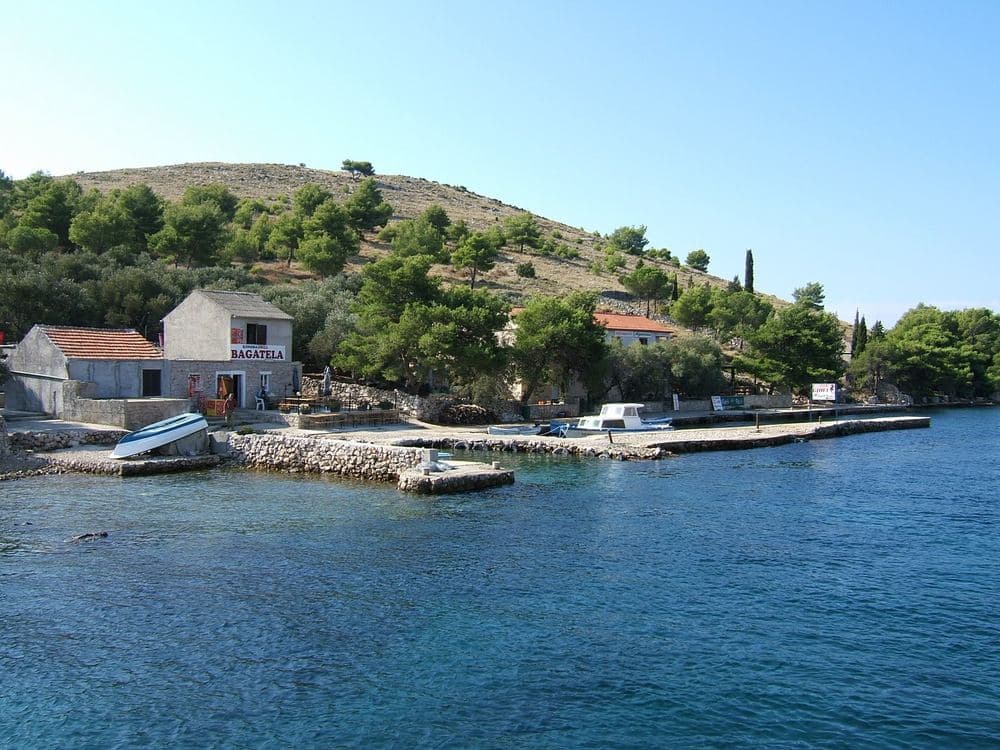
Two costs surprise visitors. Sea-view restaurants often add a cover charge of 1 to 3 euro per person for bread, listed on the menu as kuver. And accommodation adds the tourist tax per person and night, paid at check-in in cash more often than not; the amounts are in our tourist tax guide. National park tickets are the other big item: Plitvice costs 40 euro in summer and 23 in October, Krka 40 in summer and 20 in autumn.
Tipping: welcome, never expected
There is no service charge and no percentage on the bill. In restaurants, rounding up or leaving 5 to 10 percent for good service is normal; in cafes people round to the next euro or leave the coins. Taxi drivers get the fare rounded up, tour guides 5 to 10 euro from a group, hotel housekeeping is not tipped as a matter of course. Card terminals rarely offer a tip prompt, so carry a few euro in coins and small notes; handing cash to the waiter is the usual way. Nobody will chase you for a tip, and a table left without one is not an insult.
Cash, cards and the ATM trap
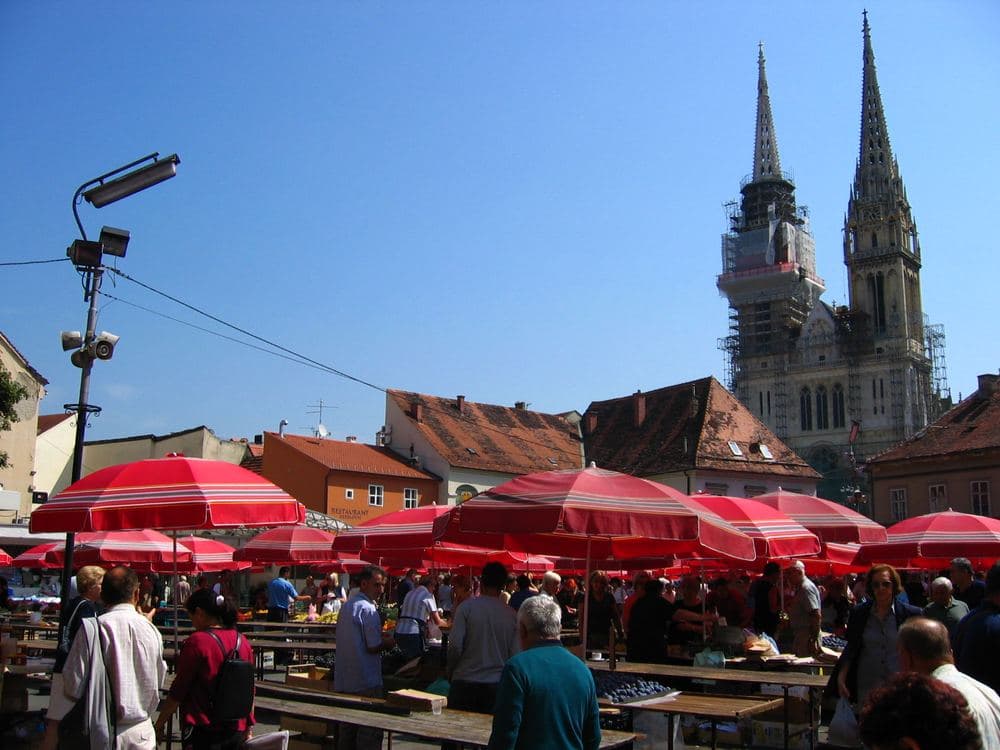
Cards are accepted almost everywhere, including contactless on ferries, in supermarkets and at most restaurants. Cash still rules at green markets, in family konobas in the villages, for the tourist tax at private apartments and on the island buses. Withdraw from bank ATMs, which are marked with a bank name such as Erste, PBZ, OTP or Zagrebačka, and always choose to be charged in euro rather than in dollars or pounds; the conversion offered on screen costs 5 to 10 percent. The freestanding yellow Euronet machines on every tourist street charge the highest fees in the country.
Where the money goes: a sample week for two
| Item | Cost |
|---|---|
| Apartment, 7 nights | 700 to 900 euro |
| Tourist tax, 2 people, 7 nights | about 30 euro |
| Breakfast from the bakery and one restaurant meal a day | 350 to 450 euro |
| Coffee, drinks, ice cream | 120 to 160 euro |
| Rental car 3 days with fuel | 220 to 280 euro |
| Ferries and buses | 60 to 90 euro |
| Two national park or museum tickets each | 100 to 160 euro |
| Total for two, without flights | 1,600 to 2,100 euro |
Regional differences and the cheap wins
Istria prices like northern Italy, with truffle menus and agritourism dinners at 40 to 60 euro a head, but its interior villages are cheap to sleep in. Kvarner and the Rijeka coast are 15 to 20 percent below Dalmatia for the same quality. Dalmatia itself splits between the islands and Dubrovnik at the top and the towns between Šibenik and Makarska in the middle. Inland Croatia, Zagreb aside, is the bargain: a lunch menu in Slavonia costs 10 euro and a room 50. The single biggest saving anywhere is timing, since the same apartment costs 40 percent less in the first week of October than in the first week of August.
- Bakeries open at 06:00 and sell burek, pastries and coffee for a 3-euro breakfast; every town has one on the main square.
- Lunch menus, marenda or gablec on the sign, run from 11:00 to 15:00 at 10 to 15 euro for a full plate that locals eat; dinner at the same place costs double.
- Every beach in Croatia is public by law; the paid sunbeds occupy a strip, the pebbles next to them are free.
- Tap water is drinkable everywhere, and the public fountains in Dubrovnik, Split and Zadar refill a bottle that costs 3 euro at a beach bar.
- Supermarket wine at 5 to 8 euro is the same Plavac or Malvazija that costs 25 on a restaurant list; many apartments have a terrace for it.
Frequently asked questions
- Is Croatia expensive in 2026?
- Dubrovnik and Hvar in August are as expensive as Italy; Zagreb, inland Istria and the off-season coast are 20 to 30 percent cheaper. A mid-range day costs 120 to 180 euro per person.
- Do you tip in Croatia?
- It is welcome but not expected: round up in cafes and taxis, leave 5 to 10 percent in restaurants for good service, in cash.
- Can I pay by card everywhere in Croatia?
- Almost: markets, village konobas, island buses and the tourist tax at private apartments still want cash. Withdraw at bank ATMs and decline the on-screen currency conversion.
Official sources
Make Croatia Atlas a preferred source
One click and Google shows you our stories more often in Top Stories and in AI answers. It changes your own results only.