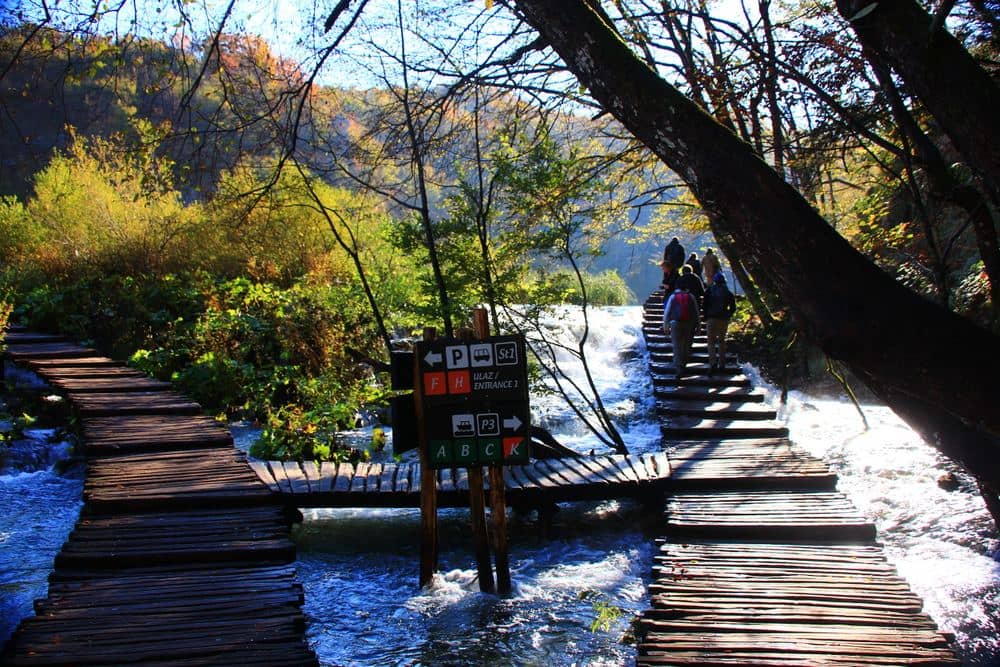
October is the month Croatia switches from summer to winter mode: the ferries have been on their off-season fares and thinner timetables since 28 September, Plitvice drops from 40 to 23 euros on 1 October and to 10 on 1 November, the clocks go back on 25 October, and 1 November is a public holiday with the shops shut. The sea is still 20 to 23 degrees along the coast. The dates, the weather by city, the German and Austrian school holidays that fill the roads, and the festivals from Gospić to Split.
Checked: 18 October 2026, 19:11
Dates that change something
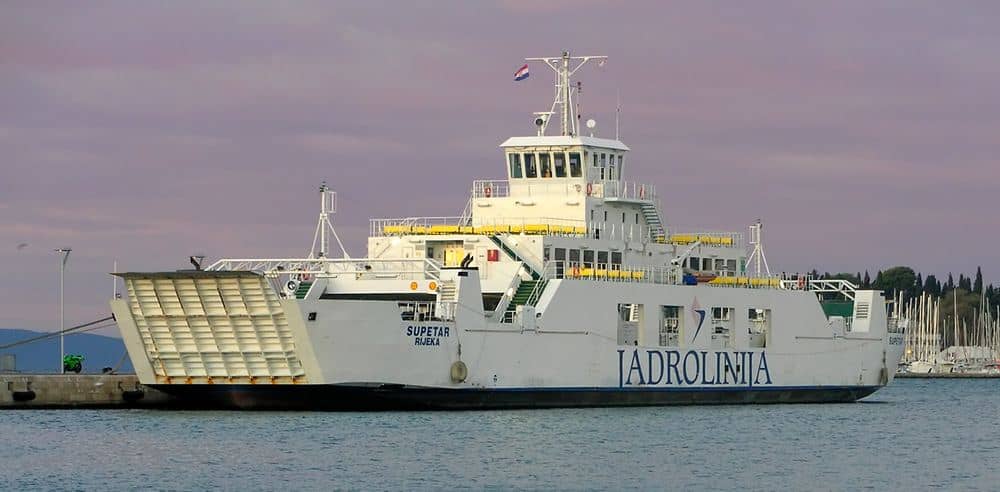
- 28 September: Jadrolinija's season fares ended on 27 September; the off-season fares and the thinner autumn and winter timetables apply until 31 December. On the Prizna to Žigljen line to Pag it means 13 sailings a day instead of 21 and 2.50 euros for a foot passenger instead of 4.30; Split to Supetar goes to 12 sailings from 1 October. Jadrolinija's Italy lines are hit by the fault on the ship Dalmacija: Dubrovnik to Bari has no sailing left in the 2026 season, and Split to Ancona is cancelled until 2 November.
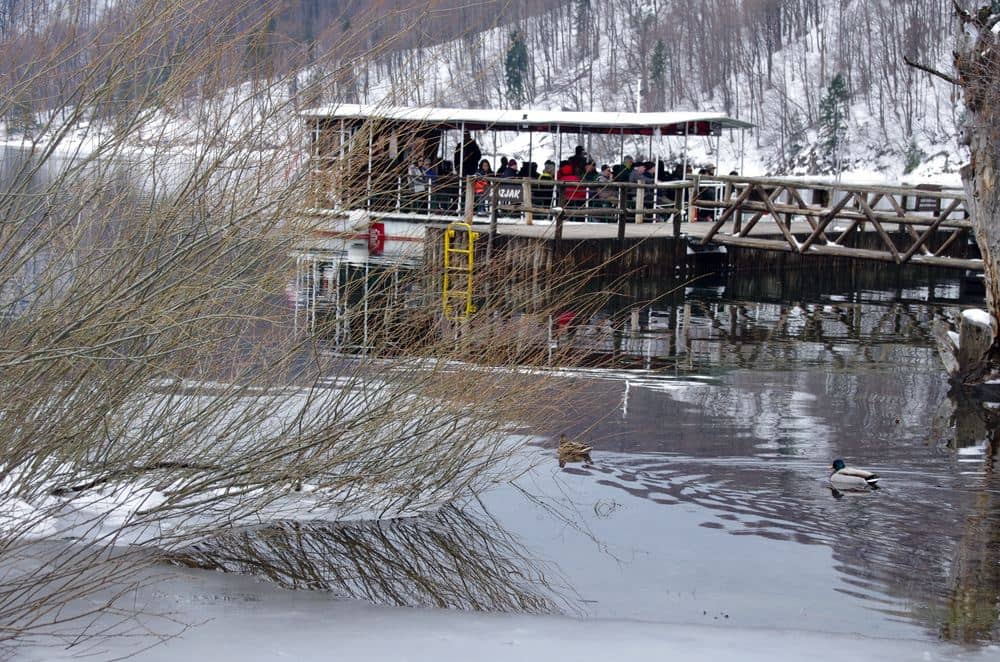
- 1 October: Plitvice Lakes move to the mid-season price, 23 euros for adults instead of 40, 14 for students, 6 for children from 7 to 18; from 1 November it is 10, 6 and 4 euros. Car parking drops to 1.50 euros an hour.
- 1 October, moved to 17 November: the anchor price rule now starts on 17 November 2026 (Narodne novine 110/2026). From then every shop, café, restaurant, hairdresser and other service must show the price of 10 September 2026 next to today's price, even when it has not changed; food, drinks and household goods keep the reference date 2 May 2025. How the anchor price works
- 8 October: Independence Day is a memorial day, not a public holiday, since 2020. Shops and offices are open.
- Sunday 25 October at 03:00: the clocks go back to 02:00. Croatia is on Central European Time, the same as Germany, Austria, Italy and Poland; ferry and bus timetables are printed in local time.
- Sunday 1 November: All Saints' Day, a public holiday. Shops are closed (they are on any Sunday outside the 16 working Sundays a retailer may choose), cemeteries fill with candles from the afternoon of 31 October, and the ferries run their Sunday and holiday schedule. Plitvice goes to its winter price and the Dubrovnik walls to their winter hours, 9:00 to 15:00.
- 15 November: winter equipment becomes compulsory on the designated roads. If you drive down in the last week of October, you will be driving home under the winter rule.
Advertisement
Weather and sea in October
| City | Day | Night | Rain days | Sea |
|---|---|---|---|---|
| Pula | 20 °C | 14 °C | 11 | 20 °C |
| Rijeka | 19 °C | 13 °C | 13 | 20 °C |
| Zadar | 20 °C | 13 °C | 10 | 21 °C |
| Split | 21 °C | 14 °C | 9 | 22 °C |
| Hvar | 21 °C | 16 °C | 9 | 23 °C |
| Dubrovnik | 21 °C | 14 °C | 10 | 23 °C |
| Zagreb | 17 °C | 9 °C | 9 | no sea |
| Plitvice | 16 °C | 9 °C | 11 | no sea |
The pattern is the same every year: the first half of October is late summer on the coast, with swimming weather in Dalmatia and evenings that need a jacket; the second half brings the first real fronts, the bura, and the days when Rijeka gets its 13 rain days. What happened in Split on 11 September, 77 litres in an hour after a dry summer, is the kind of thing an October front does; keep an eye on the DHMZ warning map and our guide to the warning levels.
Autumn school holidays 2026: who is on the road when
| Where | Dates |
|---|---|
| Hesse, Rhineland-Palatinate, Saarland | 5 to 16 or 17 October |
| Bremen, Lower Saxony, Saxony, Schleswig-Holstein, Thuringia | 12 to 24 October |
| Mecklenburg-Western Pomerania | 15 to 24 October |
| North Rhine-Westphalia | 17 to 31 October |
| Berlin | 19 to 31 October |
| Brandenburg, Hamburg, Saxony-Anhalt | 19 to 30 October |
| Baden-Württemberg | 26 to 31 October |
| Bavaria | 2 to 6 November |
| Austria (all provinces) | 27 to 31 October, after the national holiday on 26 October |
For Croatia that means two waves: the northern German states in the second and third week of October, and the south, Austria and Bavaria, around the last weekend of October and All Saints. Istria and Kvarner, the closest coast to Munich and Vienna, feel the second wave most; the A1 and the Učka tunnel are busy on the Saturdays of 24 and 31 October. Italy and Poland have no autumn holidays, only 1 November off.
Advertisement
What is on in October
Still open, already closing
- National parks stay open all year, with shorter hours and fewer boats; Krka, Plitvice and Brijuni are at their best in October light. Prošćansko jezero at Plitvice, the quiet one, is a good October walk.
- Seasonal catamarans stop one by one: the Zadar to Ancona service ended in September, Dubrovnik to Bari has no sailing left in the 2026 season, and Split to Ancona is cancelled until 2 November. Island ferries keep running, less often.
- Many campsites close between the end of September and mid-October; check your site's closing date before you rely on it for the autumn holidays.
- Driving down: the vignettes for Austria and Slovenia and the Croatian tolls have not changed; the winter-equipment rule starts on 15 November, and the snow chains belong in the boot from the last week of October anyway.
Advertisement
Frequently asked questions
- Can you still swim in Croatia in October?
- In the first half of the month, yes, along the whole coast: the sea averages 20 degrees in Pula and Rijeka, 21 in Zadar, 22 in Split and 23 in Hvar and Dubrovnik, with daytime highs of 19 to 21 degrees. The second half is more mixed.
- When do the clocks change in Croatia in 2026?
- On Sunday 25 October 2026 at 03:00, when the clocks go back to 02:00, the same night as in the rest of the European Union.
- Are shops open on 1 November in Croatia?
- No. All Saints' Day is a public holiday and shops are closed by law, except those in stations, airports, ports, petrol stations, hospitals, hotels and campsites. In 2026 it falls on a Sunday, when most shops are closed anyway.
Sources
- Plitvice Lakes National Park: price list 2026
- Agency for coastal liner shipping: timetables and fares 2026
- Kalenderpedia: autumn holidays 2026 in all German states
- Austrian Ministry of Education: school holidays 2026/27
- Act on public holidays, memorial days and non-working days (NN 110/19, 72/25)
- Open-Meteo archive: monthly means 2015 to 2024
- Narodne novine 110/2026: additional price moved to 17 November
- Jadrolinija, notice on the international lines (English)
Share this guide
Questions about your trip?
Make Croatia Atlas a preferred source
One click and Google shows you our stories more often in Top Stories and in AI answers. It changes your own results only.