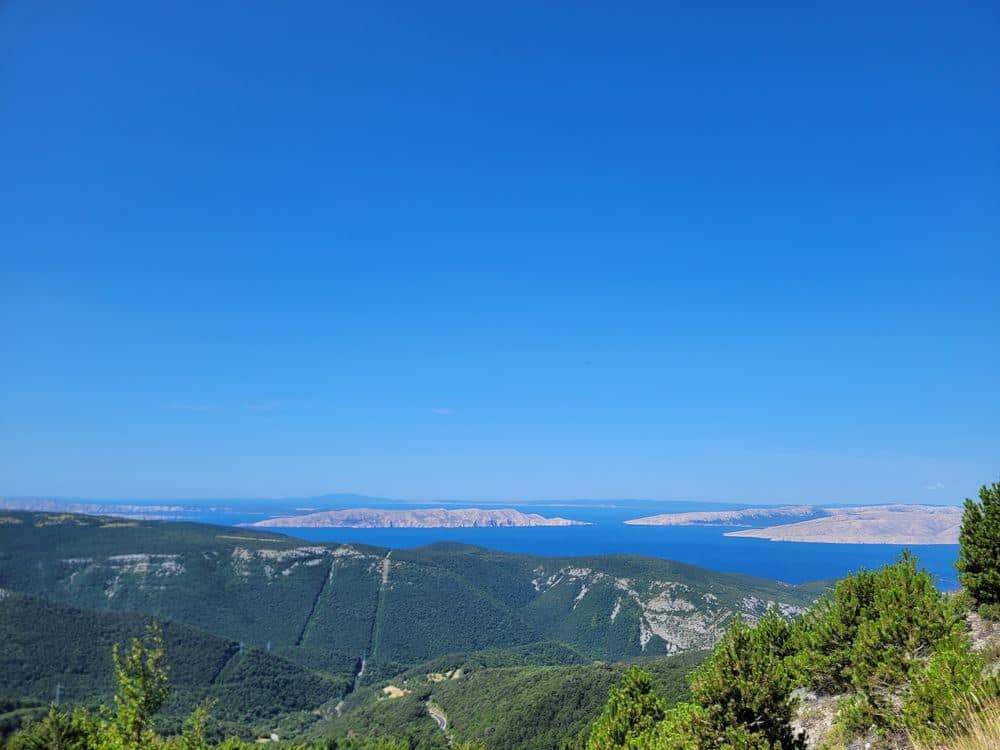
Warm sea, thin crowds, festivals or lower prices: the right Croatia month depends on the trip you actually want.
Checked: 20 September 2026
There is no single best month for Croatia. A beach trip, a city break, a national park route and a food-focused road trip all point to different parts of the calendar. The useful question is not when Croatia is perfect. It is what tradeoff you accept: sea temperature, prices, opening hours, crowds, daylight or the chance of rain.
Spring: cities, parks and lower pressure
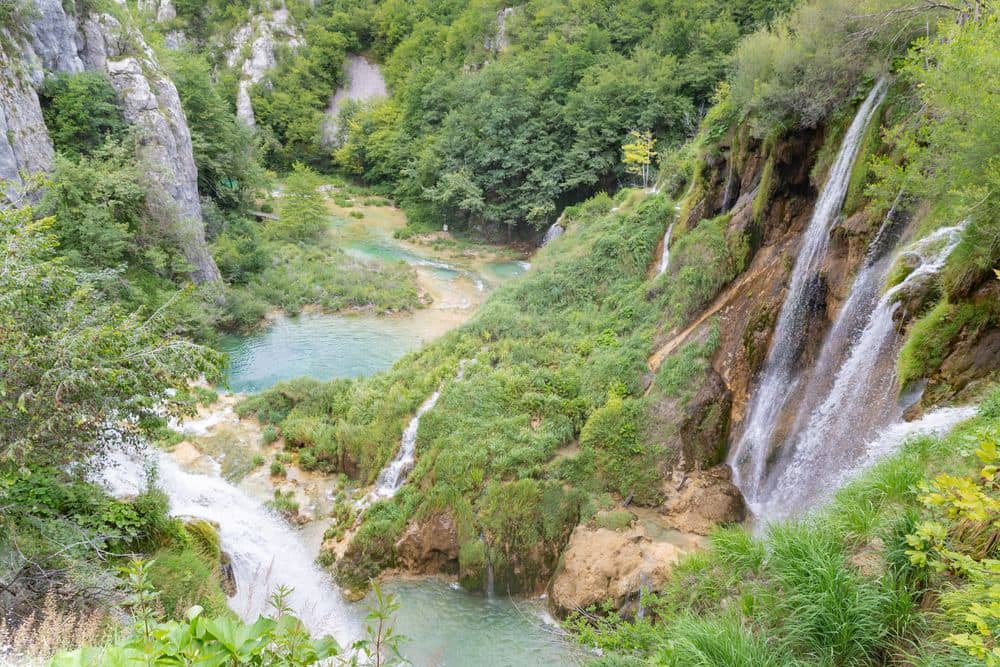
April and May are excellent for Zagreb, Split, Zadar, Dubrovnik and Plitvice if swimming is not the main goal. You get longer days, fresher walking weather and hotels that have not yet shifted into peak-season pricing. The sea will still feel cool for many travelers, but the old towns are easier to read when you are not planning every hour around shade.
Summer: choose your base carefully
- June is the sweet spot for many travelers: warm enough, open enough, busy but not yet fully compressed.
- July and August are beach months. Book earlier, start days earlier and avoid packing every old town into midday.
- September often gives the best sea plus better evenings. It is the easiest month to recommend for couples and flexible travelers.
Autumn and winter: real cities, fewer illusions
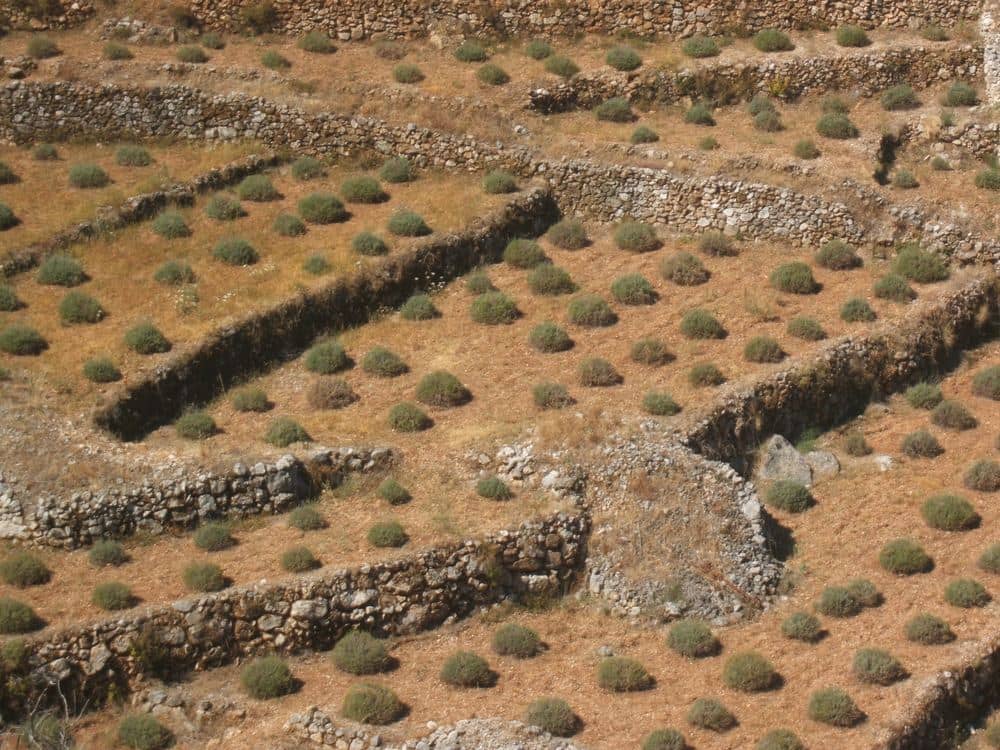
October is underrated for food, walking and photography. The sea can still work early in the month, but you should travel for atmosphere, not guaranteed beach days. Winter is best for Zagreb, Rijeka, Split and Dubrovnik as cities rather than resorts. Expect shorter opening hours, fewer island transfers and more weather risk, but also more honest prices and space.
“If you can choose only one month for a first Croatia trip, choose September. If you hate crowds more than cool water, choose May.”
Best month by travel style
- First Croatia trip: September, because the sea is warm and evenings are easier than in peak summer.
- City and culture trip: May or October, when walking matters more than swimming.
- Family beach trip: late June, before the tightest crowds and while school-holiday pressure is still building.
- National parks and photography: April, May or October, when water, leaves and softer light do more work.
Use the month as a filter, then choose the region. Istria and Zagreb stay interesting outside beach season. Dalmatian islands need more transport planning at the edges of the year. Dubrovnik is beautiful in winter, but not if you expect summer services. A smart Croatia itinerary starts with season, then narrows to cities, islands and parks that match that season instead of fighting it.
Fixed dates that change the trip in 2026
The Croatian season switches on fixed dates, and several of them fall in the weeks most visitors treat as shoulder season. Jadrolinija, the state ferry company, returns to off-season fares on 28 September 2026 and ends its summer timetables at the end of that month, so Split to Supetar keeps its price and loses 2 sailings a day. Plitvice cuts its ticket from 40 euro to 23 on 1 October and to 10 on 1 November. The clocks go back on 25 October. From 1 November you drive with lights on by day, and from 15 November any car on the designated winter roads needs winter tyres or chains on board, whatever the weather. If your trip straddles one of these dates, check which side your ferry, park visit or motorway drive falls on.
| Date | What changes |
|---|---|
| 28 September | Jadrolinija off-season fares return, summer ferry timetables end |
| 1 October | Plitvice ticket drops from 40 to 23 euro |
| 25 October | Clocks go back 60 minutes |
| 1 November | Public holiday, shops shut, Plitvice 10 euro, lights on by day |
| 15 November | Winter equipment mandatory on signed roads until 15 April 2027 |
| Last quarter of 2026 | ETIAS travel authorisation due to start, 20 euro, valid 3 years |
Sea and air temperature by month
The Adriatic warms slowly and cools slowly, which is why September beats June for swimming although the air feels similar. In May the sea sits around 18 to 20 degrees. By late June it passes 23, and in July and August it reaches 25 to 27 along the Dalmatian coast. It holds 22 to 24 through September and 20 to 23 in October. Even in December the sea is 15 to 17 degrees, warmer than the air at 11 to 13 by day. Inland is another climate: Zagreb sits around freezing in January and often passes 30 in July, and Plitvice, at over 500 m, runs several degrees cooler than the coast and can hold snow into March.
Regional differences through the year
Istria has the longest season. Rovinj, Poreč and Pula are a short drive from Italy, Slovenia and Austria, so weekend visitors keep hotels and restaurants open from Easter to late October, and hill towns such as Motovun and Grožnjan work in any month, with truffle menus in autumn. Kvarner, around Rijeka, Opatija and the islands of Krk, Cres and Rab, prices 15 to 20 percent below Dalmatia, and Rijeka airport sits on Krk itself, 30 km from the city. A caution for the colder half of the year: when the bura blows, the Krk Bridge and stretches of the A1 close to some vehicles for hours.
Dalmatia is where the month matters most. Split works as a city all year, but the islands lose sailings from the end of September and many island restaurants and apartments shut between November and Easter. The catamaran to Hvar town takes about 60 minutes and the car ferry to Stari Grad about 2 hours, and both timetables thin in winter. Dubrovnik stays open and shrinks: the walls close at 15:00 in winter, while the airport shuttle still meets every flight. Inland, Zagreb has its Advent market in December, and Slavonia in the east is the cheapest region in any month, with lunch menus around 10 euro and rooms around 50.
Common mistakes with the calendar
Most seasonal errors in Croatia come from applying summer assumptions to another month, or winter assumptions to June. The ferries, national parks, car parks and shops each follow their own calendar, and none of them waits for the weather to change. A few minutes checking your dates against the list below saves a wasted morning on a pier or a fine on the motorway. These are the mistakes that cost visitors the most time or money, from Istria to Dubrovnik.
- Planning a beach week in May and finding the sea at 18 degrees: swim if you like, but build the days around towns and parks.
- Booking a hotel in Hvar town and taking the cheaper car ferry, which lands in Stari Grad, 20 km away.
- Arriving on 1 November, a public holiday, when shops are shut and ferries run their Sunday timetable.
- Driving to the coast after 15 November without winter tyres or chains: the fine for the driver is 130 euro, whatever the weather.
- Leaving the automatic rental car until July. Most Croatian fleets are manual and automatics sell out by June.
- Expecting space in the Hvar town car park after lunch in summer, when it is often full by 11:00.
What the season does to prices
Timing is the largest single saving in Croatia. Coastal prices in July and August run 20 to 30 percent above the spring and autumn figures, and Dubrovnik and Hvar in August charge what Barcelona charges. Park tickets and car ferries follow the same curve: 35 to 50 euro per car to Brač, Hvar, Korčula, Krk and Rab in high season, less in the shoulder months. A mid-range couple on the Dalmatian coast in September should budget 1,600 to 2,100 euro for a week without flights, covering an apartment, 1 restaurant meal a day, 3 days of rental car and 2 park or museum tickets each. The same week in August costs more for less space, and the same week in November costs less with fewer places open.
| Item | Summer | Off season |
|---|---|---|
| Plitvice Lakes ticket | 40 euro | 23 euro in October, 10 from 1 November |
| Krka ticket | 40 euro | 20 euro in autumn |
| Car ferry to Pag, per car | 18.10 euro | 12.20 euro from 28 September |
| Car ferry to Brač, Hvar or Korčula, per car | 35 to 50 euro | less in shoulder months |
| Split to Supetar ferry | full summer timetable | same fare, 2 fewer sailings a day |
| Same coastal apartment | first week of August rate | about 40 percent less in first week of October |
What to sort out before you fly
Croatia is in the EU and the Schengen area and uses the euro. US, UK, Canadian and Australian passport holders enter without a visa for up to 90 days in any 180. The EES border system is already running and records fingerprints and a photo on first entry, so allow extra time at the airport. ETIAS, the EU travel authorisation, is due to start in the last quarter of 2026: 20 euro, valid 3 years, free under 18 and over 70, with a 6-month grace period once it launches. Check its status for your dates and apply online before departure. Your US or UK licence is enough for a rental car, and the deposit of 300 to 1,500 euro needs a credit card in the driver's name. A Croatian tourist SIM or eSIM costs about 10 euro for 10 days of unlimited data at any Tisak kiosk, and cash still pays the tourist tax at most private apartments.
Frequently asked questions
- When is the sea in Croatia warm enough to swim?
- For most visitors from mid June, when the sea passes 22 to 23 degrees. It peaks at 25 to 27 in July and August and stays at 22 to 24 through September. Early October still gives 20 to 23 along the coast. In May it is 18 to 20, which suits a short swim on a warm day.
- Is Croatia worth visiting in winter?
- Yes, as a city trip. Zagreb has its Advent market in December, and Split, Rijeka and Dubrovnik work as towns, with 11 to 13 degrees by day on the coast. Expect shorter hours, Dubrovnik's walls closing at 15:00, ferries on winter timetables, Plitvice at 10 euro and winter equipment rules on the main motorways from 15 November.
- Which month is cheapest for a Croatia trip?
- November to March on the coast. The same apartment costs about 40 percent less in the first week of October than in the first week of August, and less again in winter. Ferry fares drop from 28 September, and Plitvice falls from 40 to 23 euro on 1 October and to 10 on 1 November. Zagreb and inland regions are cheap in any month.
- Do I need ETIAS for Croatia in 2026?
- ETIAS is due to start in the last quarter of 2026. Once live, US, UK, Canadian and Australian travellers apply online for 20 euro, valid 3 years, free under 18 and over 70, with a 6-month grace period at the start. The EES entry and exit registration at the border is already running and is a separate system.
- Do the island ferries run all year?
- Yes, the main Jadrolinija car ferries run all year, on thinner timetables from the end of September and with off-season fares from 28 September 2026. Some summer catamaran routes stop. Check the winter timetable before booking island accommodation between October and May, and allow for cancellations when the bura blows.
Share this guide
Questions about your trip?