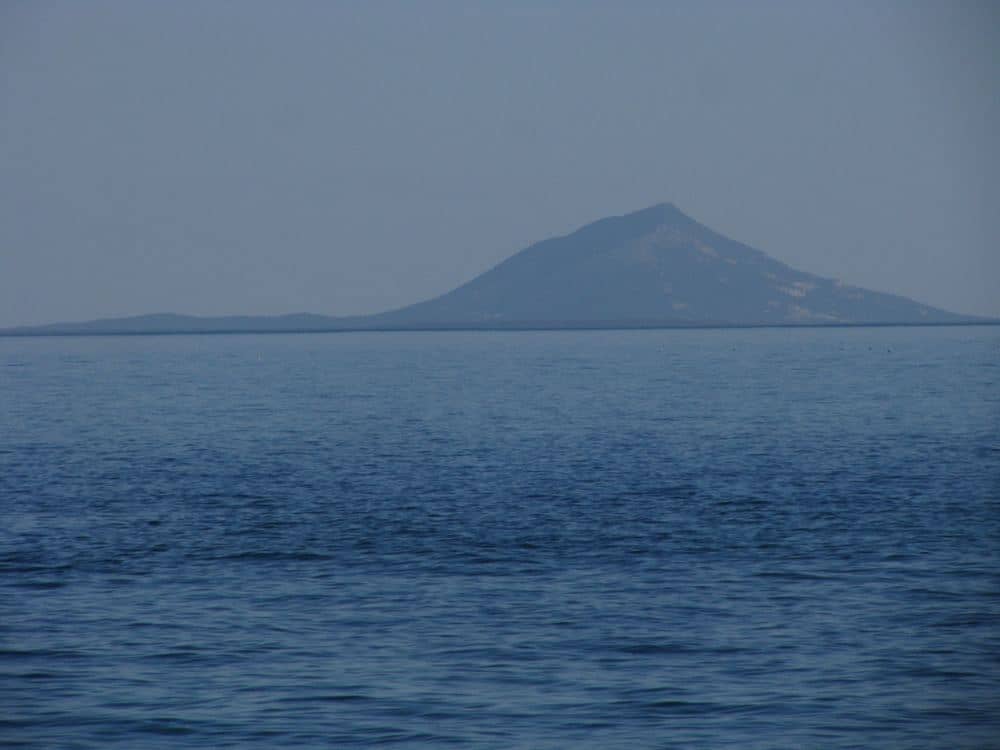
Sixty-four residents, one road and four hundred metres of beach facing Cres. A guide to a place chosen for its quiet: where to swim, where to walk, what is up in the hills and when it pays to get in the car.
Checked: 3 September 2026
Ravni is a village on Istria's east coast, in the municipality of Raša, twelve kilometres south of Labin, with 64 residents at the last census. That is the whole statistic. Everything else is shore: four hundred metres of beach below the houses, pines, one road that leaves the main road and ends at the car park, and a view across the Kvarner to Cres, which from here is so close that you see the lights of Porozina at night. In summer ten times as many people stay here as in winter, and it still does not feel crowded, because there is nothing to produce a crowd: no hotel, no promenade, no club. This guide is for those who are ready for that and want to know what to do with the days.
The beach and the sea
The beach runs in a long arc below the village: pebbles in the middle, concrete terraces with ladders at the ends, pines behind that shade it from early afternoon. The entry is gradual, the sea with no river anywhere near is clear to the bottom, and morning is the best time because the sun comes from the east, off the water. The southern part is for dogs. Anyone who wants more than one beach has the coastal path: four kilometres north to Sveta Marina, almost level, with coves every few hundred metres where there is usually nobody. Drenje halfway has a café, Sveta Marina at the end a harbour, a restaurant with its own fish and the cash machine. To the south lies Koromačno with the cement plant and, behind it, a white pebble beach that tourists mostly never find.
Up in the hills: Skitača and Orlić
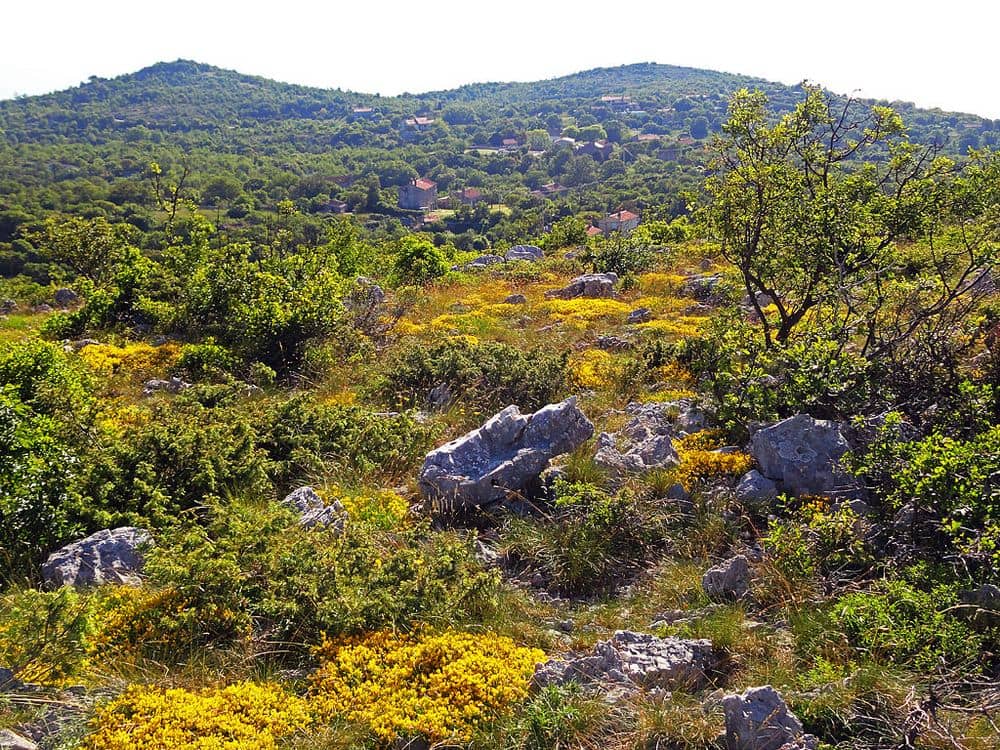
Ten minutes' drive up a narrow road from Ravni, on a 425-metre plateau, lies Skitača: a village founded in the fifteenth century by refugees from the Turks, where a few families still live. In the middle stands the church of St Lucy from 1616, around it the St Lucy trail, a three-kilometre educational path, and below the top of Brdo the školnica, a hollow in the rock with water that does not dry up even in August and carries the legend of the saint's tears. From the church it is twenty minutes up to Orlić, 470 metres, with the view that justifies the whole trip: Učka to the north, Cres and Krk to the east, Lošinj to the south, Ravni and Sveta Marina below like a model. The best light is late afternoon. There is no shade and no water, bring both. Skitača is also the coolest place around, two hundred metres above the sea and always with a breeze; when it is thirty-five on the beach, it is twenty-eight up here.
When to get in the car
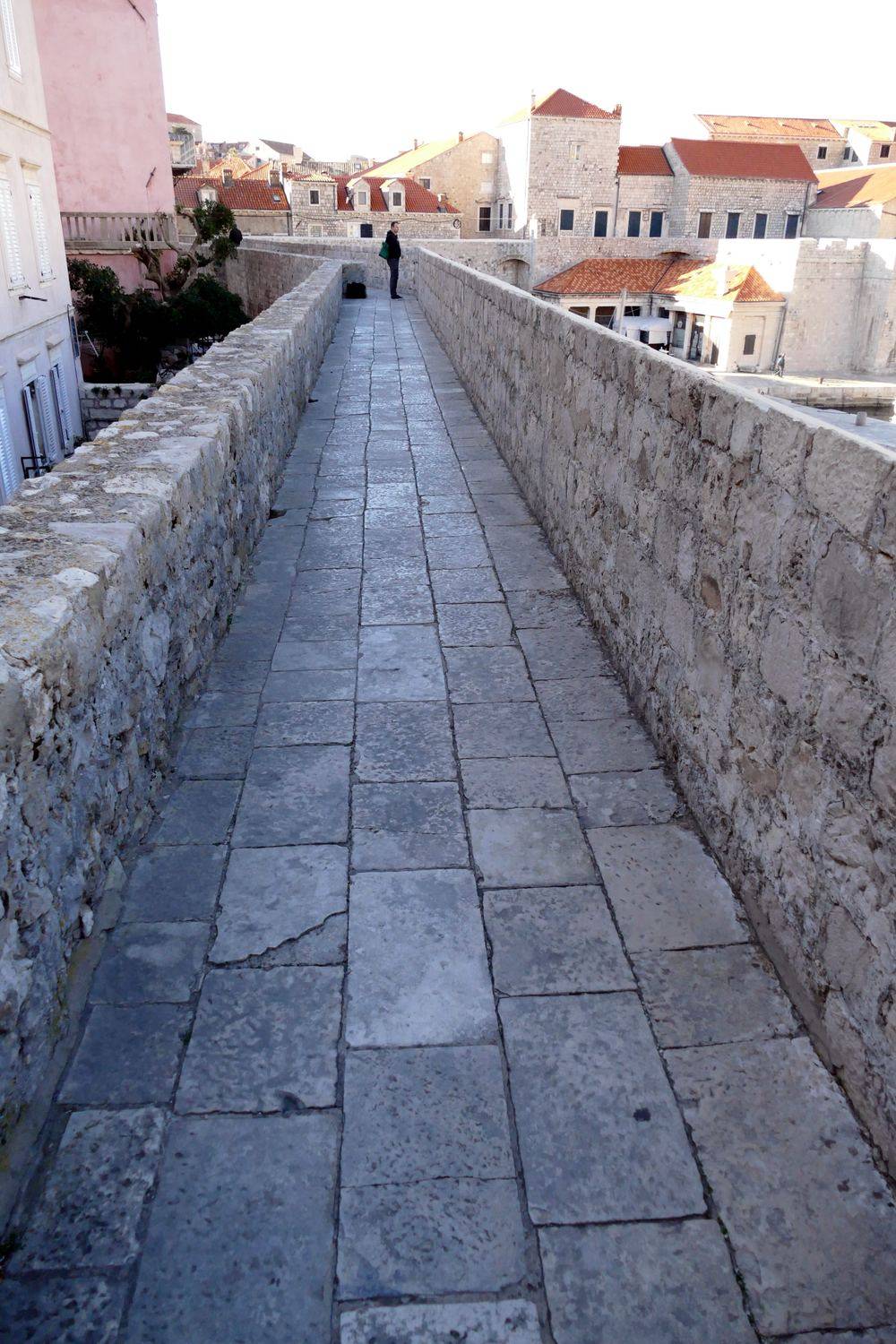
- Labin, fifteen minutes: the hill town with Venetian walls, the Battiala-Lazzarini palace and its mining museum, artists' studios and evening life on the square. Pharmacy, doctor and market.
- Rabac, twenty minutes: the resort with hotels, a promenade, excursion boats and the Girandella and Maslinica beaches. For an evening by the sea and a boat to Cres.
- Brestova, thirty minutes: the ferry to Cres, a twenty-minute crossing, then the road to Osor, Lubenice and Lošinj. The best full-day trip from Ravni.
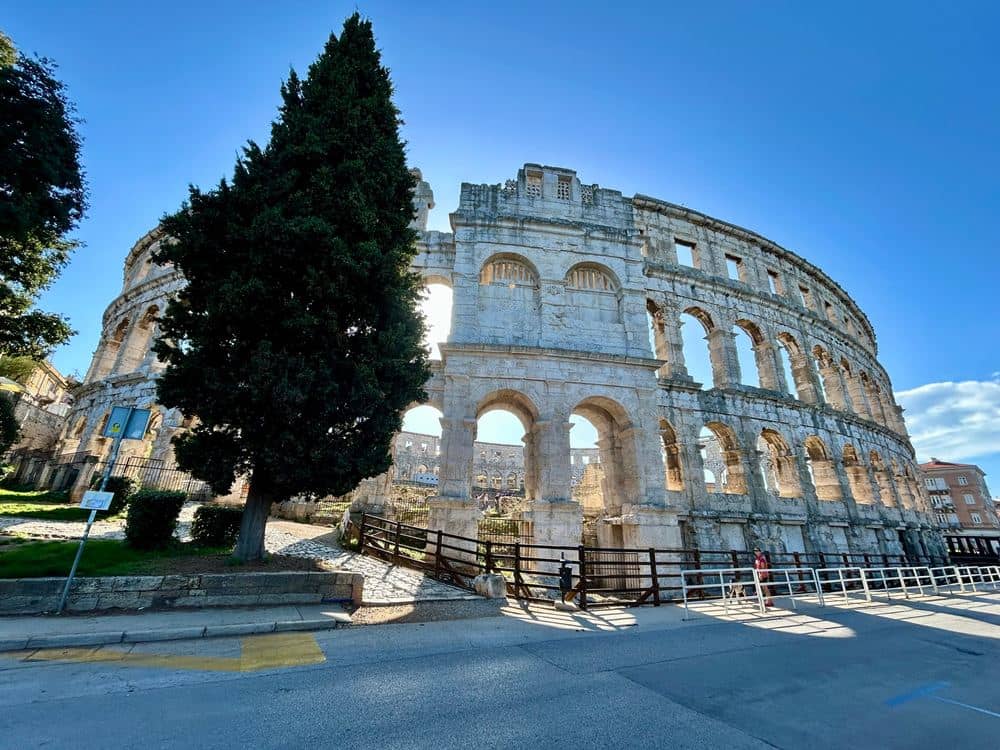
- Pula, one hour: the Arena, the forum and the Roman town; Fažana on the way for the boat to Brijuni. Our Pula in one day guide has the order.
- Učka, one hour: Poklon and the tower on Vojak, 1401 metres, with Istria and the Kvarner in one view. Bring an extra layer.
Practical
You come by car: leave the Istrian Y at Labin, drive through Labin and Raša, then the last twelve kilometres on the narrow coast road, slowly through the bends. One hour from Pula, an hour and a quarter from Rijeka through the Učka tunnel, three hours from Zagreb, about seven and a half from Munich. Buses run to Labin, then the host or a taxi. The car park above the beach has some thirty spaces and is full by noon in summer; anyone with an apartment parks at the house. Accommodation is private apartments and houses only, most with a terrace towards the sea; book by March for July and August, June and September have room. Tap water is drinkable, mobile coverage is good, and the only things worth packing are water shoes for the rocky stretches and, if you go up Orlić, enough to drink.
Frequently asked questions
- Are there restaurants and a shop in Ravni?
- One grocery with bread in the morning and two or three konobas by the beach, open from May to October. For more choice and for anything out of season: Labin, fourteen kilometres. The cash machine is in Sveta Marina.
- Can I bring a dog to Ravni?
- Yes, and it is one of the reasons people come: the southern part of the beach is officially for dogs, rare on this coast. Most apartments take dogs if you ask ahead.
- When is the best time for Ravni?
- June and September: the sea is 23 to 25 degrees, the car park is not full and the konobas are open. July and August are busy but still quiet. From October to May only the shop is open and the beach is yours.
Share this guide
Questions about your trip?