Kastav, the walled town on the hill above Rijeka and Opatija, celebrates its young wine on the first weekend of October, as it has since the town statute of 1400 mentioned the fair. Bela nedeja 2026 runs from Saturday 3 to Monday 5 October: the local white wine belica, the samanj market of home-made food and crafts, folklore and concerts in the old streets, and crowds that reached 65,000 over three days in 2023. The programme follows on the organiser's social channels; here is what is certain and how to get up the hill.
Checked: 20 September 2026
Bela nedeja means 'white Sunday' in the local Chakavian dialect, and the white is the wine: belica, the native grape of the Kastav hills, drunk young and slightly cloudy on the first Sunday of October. The fair around it, the samanj, is written into the Kastav statute of 1400 and is the town's biggest holiday. Kastav's tourist board confirmed the 2026 dates on 11 September: Saturday 3 to Monday 5 October, in the old town on the hill. The detailed programme is announced on the fair's Instagram and Facebook pages (belanedeja) shortly before; in 2023 it drew 65,000 people over three days, with a wine festival, a main stage, a children's fairground and stalls in every lane.
What to expect
- Belica by the glass from the local growers, plus the other young wines of the Kvarner hills, at the wine festival and at the stalls.
- The samanj: home-made food, cheese, honey, dried figs, roasted chestnuts and crafts, sold in the lanes between Lokvina square and the town gate.
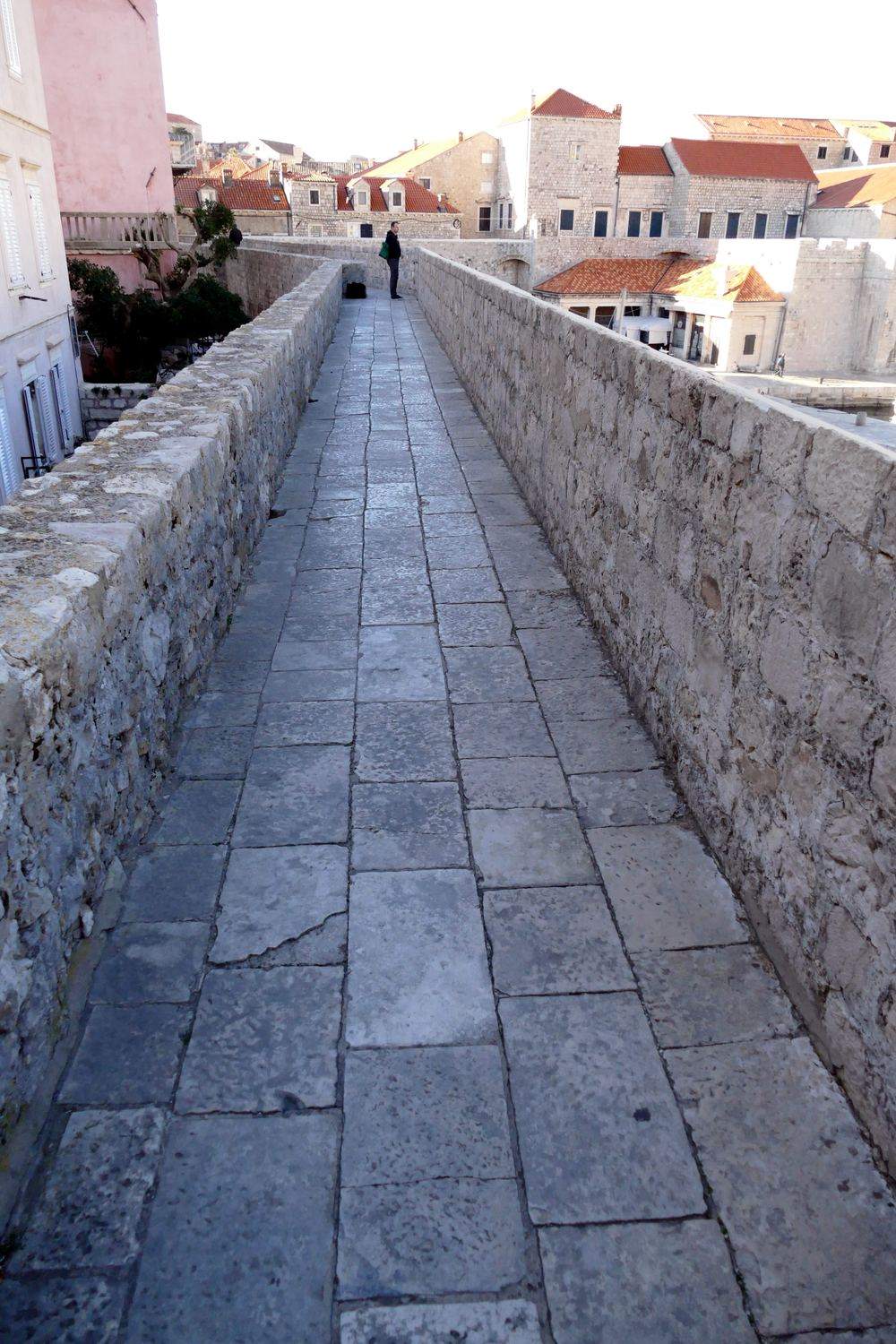
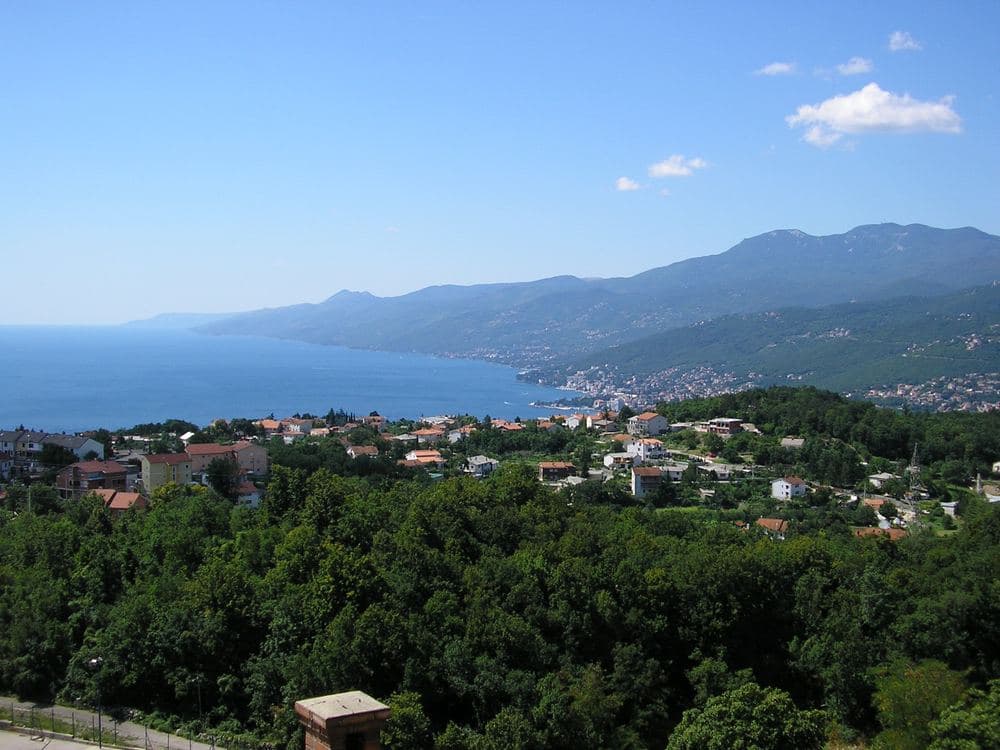
- Folklore, brass bands and concerts on the main stage, entertainment and educational events over three days, and the town itself: the walls, the unfinished church Crekvina, the fortress Fortica and the view over the Kvarner bay from 365 metres.
- Admission is not published; the fair fills the public streets of the old town. Wine and food are paid at the stalls.
Getting up the hill
Kastav sits about ten kilometres north-west of the centre of Rijeka and a short climb above Matulji and Opatija. By car, the roads from Rijeka through Viškovo or from Matulji lead to the edge of the old town, where the organiser sets up parking and closes the centre to traffic; with tens of thousands of visitors on the Sunday, expect to park below the town and walk. Autotrolej city buses connect Rijeka and Kastav; the timetable is on autotrolej.hr. The old town itself is car-free and steep, so wear shoes for cobbles.
Bela nedeja is the first of the Kvarner autumn dates: the chestnut festival Marunada in Lovran follows from 9 October, and Martinje on 11 November is when the whole country blesses its young wine. Rijeka and Opatija are twenty minutes away for the rest of the weekend.
Getting to Kastav from further away
Kastav sits just above the point where the motorways from Zagreb and from Istria meet at Matulji. From Zagreb the A6 runs about 165 km to Rijeka and the drive takes around 2 hours. From Istria the A8 passes through the Učka tunnel and ends at Matulji, about 3 km below the old town. Rijeka airport is on the island of Krk, about 35 km away across the Krk bridge, with a short seasonal schedule, so check that your route still flies in October. Trains and coaches from Zagreb end at Rijeka, where the Autotrolej bus takes over. Trieste and Ljubljana are both under 2 hours by car, which puts the fair within a day trip from Slovenia or Italy.
| From | Distance | Route |
|---|---|---|
| Opatija | about 8 km | up through Matulji |
| Rijeka airport, Krk | about 35 km | Krk bridge, then the Rijeka bypass |
| Pula | about 100 km | A8 and the Učka tunnel to Matulji |
| Zagreb | about 165 km | A6, then the Rijeka bypass |
| Trieste | about 80 km | via Slovenia, Pasjak crossing |
| Ljubljana | about 130 km | A1 to Postojna, Rupa crossing |
Kastav in short
For centuries Kastav was the seat of the Kastavština, the district between the Učka mountain and the Rječina river, and the old town keeps the plan of that time: a ring of walls that once had 9 towers, a loggia by the town gate and the square Lokvina at the centre, named after the cistern that supplied the town with water. The parish church of St Helen stands above the square. The best known story of Lokvina dates from 1666, when the townspeople drowned the hated captain Franjo Morelli in the cistern over his taxes. The municipality has around 10,000 people today, most of them on the slopes below, and outside the fair weekend the old town is a quiet place of a few lanes and cafés.
Where to stay
Kastav has only a handful of beds: a few guesthouses and apartments in and below the old town, and Kukuriku on Lokvina, better known as a restaurant, with a few rooms. They are taken early for the fair weekend. Most visitors sleep in Rijeka or Opatija and come up for the day: Rijeka has the wider choice of hotels and apartments and the direct bus, Opatija the old resort hotels along the seafront and a calmer evening. Matulji, at the foot of the hill, lies between the two with private rooms and a station on the Rijeka to Ljubljana railway. The first weekend of October is still busy on this coast, so book before you travel.
Belica and what goes with it
Belica at the fair is mlado vino, the wine of the same autumn. It is pale, slightly cloudy because it has not been filtered, low in alcohol and often still lightly fizzy from the end of fermentation. Growers serve it cold from the barrel or the demijohn into a plain glass, and locals order it by the deci, 0.1 litre. It does not keep, so buy a bottle to drink within a couple of weeks. The grape itself nearly disappeared in the 20th century, and the vineyards on the slopes below the town were mostly replanted by local growers after 2000. Ask for belica by name, since the stalls also pour other young whites and reds, and taste several growers before you settle on one.
The classic pairing on the hill is young wine with roasted chestnuts, maruni, eaten warm from a paper cone while you walk. For a proper meal the restaurants and food stands cook the dishes of the Kvarner hinterland: šurlice, the hand-rolled pasta of the region, with goulash or a game sauce, and meat from the grill. Kastav has several good restaurants for its size, Kukuriku on the square the best known, so book a table if you want to sit down on the Sunday evening.
Which day to come
The 3 days have different characters. Saturday opens the fair and is the easiest day to park, move around and taste without queueing. Sunday is the white Sunday itself, the day the tradition belongs to and the day of the biggest crowds: the lanes between the town gate and Lokvina fill by late morning and stay full until the evening concert, and the buses from Rijeka run packed both ways, so come up by mid-morning or after dark. Monday closes the fair, by tradition the locals' day, quieter and with the last of the wine. For the fair at full strength come on Sunday, to talk to the growers come on Saturday.
Practical notes
- Carry cash. The samanj stalls sell for small sums and many take no cards, so bring euros in small notes before you climb the hill.
- Do not drive after the tastings. Take the Autotrolej bus, a taxi from Rijeka or Opatija, or stay the night in Kastav or Matulji.
- The hill is cooler and windier than the coast, and the bura can arrive within an hour, so bring a layer for the evening concert.
- Bottles of young wine are for drinking within weeks, so buy them for the trip and put them in checked baggage if you fly home.
- Croatia uses the euro and is in the Schengen area, so there are no border checks on the roads from Slovenia and Italy.
Frequently asked questions
- When is Bela nedeja 2026?
- From Saturday 3 to Monday 5 October 2026 in the old town of Kastav, as confirmed by the Kastav tourist board on 11 September. The fair is always held on the first weekend of October.
- What is belica?
- The native white grape of the Kastav hills. Its young wine of the year's harvest is what Bela nedeja celebrates; the name of the fair means 'white Sunday' in the local dialect.
- How do I get to Kastav from Rijeka?
- About ten kilometres by road through Viškovo or from Matulji, or with the Autotrolej city buses; the timetable is on autotrolej.hr. The old town is closed to cars during the fair and parking is at its edge.
Official sources
Make Croatia Atlas a preferred source
One click and Google shows you our stories more often in Top Stories and in AI answers. It changes your own results only.