

Sight
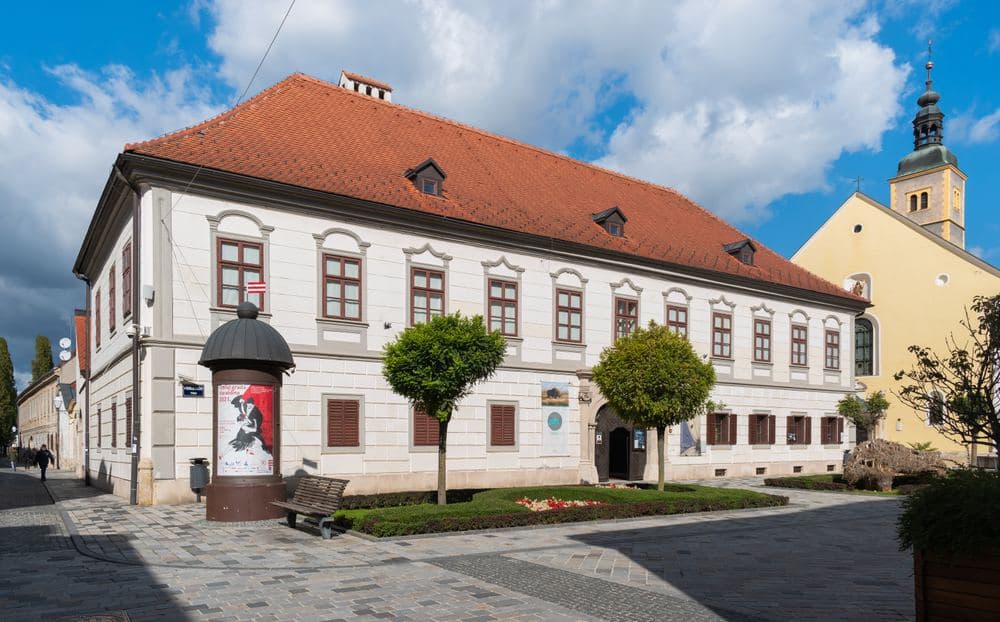
World of Insects, Herzer palace
An entomology collection of 4,500 exhibits in a baroque palace, built from one teacher's life work.
Photo: Krzysztof Golik / Wikimedia Commons, CC BY-SA 4.0
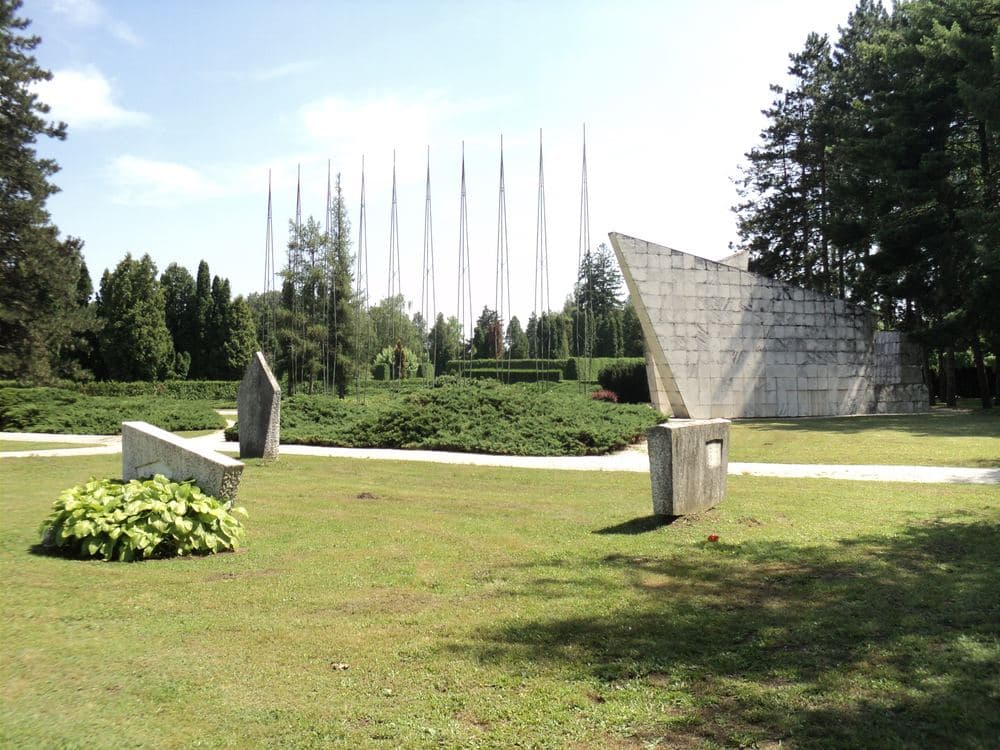
A cemetery designed as a park: kilometres of clipped thuja avenues, planned by Herman Haller from 1905.
Photo: Plamen / Wikimedia Commons, CC0
The Varazdin city cemetery is one of Europe's loveliest park cemeteries and a place visited as a garden, not as a necropolis: the credit belongs to Herman Haller, who from 1905 turned the cemetery into a garden, planting yews, cypresses and thujas and shaping them into kilometres of tall green walls, corridors and niches. The result is a space in which the gravestones stand between living architectural surfaces, and the paths lead through the alleys as through rooms without ceilings. Haller did the work for forty years and personally oversaw every cutting; his plan is preserved and the cemetery is maintained by it to this day, with thousands of trees trimmed every year.
Entry is free, and the visit goes best in the morning, when the light is slanted and the corridors empty. This is not a usual tourist point, but for many visitors it is the strongest impression of Varazdin; behave as in a cemetery, because that is what it is, despite the look of a garden.
Open location in Google MapsGuided tours and skip-the-line tickets for this spot.
Check availabilityPartner link: booking supports Croatia Atlas at no extra cost.
Use the free map from home, then verify the discovery when you reach the place.