The European Entry/Exit System now applies at all international crossings in Croatia. It affects third country nationals, not EU citizens, and it can make the queue longer.
Checked: 16 August 2026
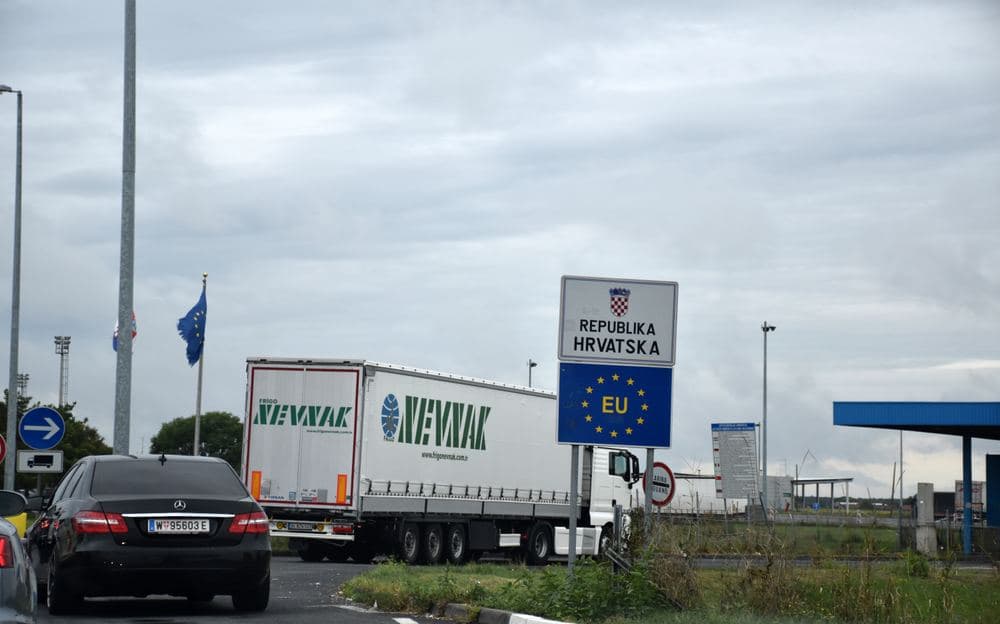
The Entry/Exit System, EES for short, records personal data, travel document data and the date and time of every entry and exit of third country nationals, along with any refusal of entry. In Croatia it applies at all international border crossings, and also at those local crossings that are temporarily designated for international traffic under the treaty with Bosnia and Herzegovina.
Who is affected
The system does not apply to citizens of European Union member states. Croatian citizens, like other EU citizens living in neighbouring countries, continue to cross the state border by presenting a passport or identity card, without giving biometric data under this system. Third country nationals give biometric data on their first entry into Croatia, meaning into the European Union.
Practically, this means the first registration takes longer than a routine check. If your route into Croatia runs through Bosnia and Herzegovina, Serbia or Montenegro, plan the crossing outside the afternoon peak and check the live waiting situation before you set off.